Why might industrial agriculture be problematic?

Industrial agriculture is a system of producing and marketing food that has been developed over the last few centuries. The term refers to large-scale, heavily mechanized, and chemical-intensive farming operations.

There are so many benefits of industrial farming but it is also a system of farming that has been criticized by many people for its negative impact on the environment.

Industrialized farming or factory farming has also been criticized for its treatment of animals. Factory farms raise large numbers of animals in cramped conditions where diseases spread easily. The conditions are so bad that many animals die before they reach slaughter age.

To prevent this, farmers in some countries inject hormones into cows and pigs to make them grow faster or produce more milk or eggs than they would naturally do. These hormones have been linked with an increased risk of cancer in humans who consume them through milk products or meat from hormone-injected animals.

In general, industrialized agriculture is problematic because it relies on large amounts of fossil fuels, pesticides, and herbicides to produce food. These chemicals are harmful to the environment and can be detrimental to human health. For example, pesticides have been linked to cancer, birth defects, and other health problems.

Industrial agriculture also contributes significantly to climate change. It’s responsible for about 20 percent of global greenhouse gas emissions — more than all transportation combined. Industrial agricultural techniques also require large amounts of land and water resources.

Industrialized farming requires more than half the world’s freshwater supply. It also requires vast amounts of pesticides, fertilizer, and other synthetic products that often end up polluting groundwater supplies or leaching into rivers and streams.

As a result, many farmers have turned towards more sustainable methods such as organic farming or agroecology — a science-based approach that combines traditional knowledge with modern farming practices — which has been shown to provide higher yields than conventional methods while reducing environmental impacts.

What is industrial farming or industrialized agriculture?

Industrial farming is a term used to describe the large-scale, intensive, and highly mechanized production of animals, plants, fish, and other foods. Industrial farms are typically owned by corporations, and they generally focus on producing a single type of food for consumers.

Industrial farms are often located in rural areas where land is cheap and agricultural labor is scarce. They may be owned by small family farms or large corporations. The primary goal of an industrialized farm is to maximize profits by producing as much food as possible with the least amount of overhead costs (including labor).

Generally, industrialized farming involves producing a single crop, such as corn or soybeans, using intensive methods that provide maximum yields for minimum cost. Industrial agriculture is considered an efficient way of producing food because it provides high yields per acre at a low cost.

It has been criticized by some as being unsustainable because it relies heavily on fossil fuels and chemical fertilizers (increasing pollution), uses monocultures (reduces biodiversity), requires large-scale land ownership (leading to rural depopulation), consumes large quantities of water (which may be polluted with agricultural chemicals), destroys tropical rainforests (destroying local livelihoods), involves animal cruelty, and generates high levels of greenhouse gas emissions.

Characteristics of industrial farming

Industrialized agriculture has some characteristics that are obvious and others that are less so. The characteristics of modern agriculture that are listed below have wide-ranging effects in both scenarios.

1. Monocultures

In most of rural America, fields with industrial monocrops are evident. Regularly, these enormous fields are planted with a single crop, such as maize, wheat, or soy. As 36% of all US corn is used to feed farmed animals, industrial grain and industrial animal farming go hand in hand.

2. Corporate concentration

The landscape of American agriculture has transformed as a result of corporate concentration, and consolidation is only getting stronger. Get big or get out refers to the maxim that extractive industrial farming is most profitable at scales large enough to be supported and encouraged by public funds and multilateral investments.

Corporate farms working for international companies like JBS and Tyson, who have enormous financial and political clout, are replacing small and medium-sized livestock farms. Since 1970, corporate dairy goliaths have acquired or forced out of business 93% of the US dairies engaged in animal production.

Heirloom seeds and seed businesses once supported US farming in the field crops sector, but today, agribusiness firms like Bayer and DuPont — which in 2018 purchased seed and chemical tycoon Monsanto — control seeds globally.

3. CAFOS

Animals are raised in specialized animal feeding systems in industrialized farming (CAFOs). The Environmental Protection Agency (EPA) divides CAFOs into different categories based on the severity of the pollution they produce as well as the number of animals that are kept in each facility (predominantly animal waste).

More than 700 dairy cows, 10,000 pigs, or 125,000 broiler chickens are kept in large CAFOs. However, given that some farms house populations of 10,000 dairy cows, 17,500 pigs, or as many as 1,000,000 chickens, these figures do not represent the maximum size limit for CAFOs.

4. Agrichemical inputs

Without synthetic chemicals and medications that enable plants and animals to endure situations they otherwise could not endure, industrial agriculture would not be conceivable.

To compensate for the lack of nutrients brought on by the widespread use of toxic chemicals to manage crop diseases and non-crop plants, industrial monocrops are fertilized with synthetic chemical substances. The strain monocrops place on soil fertility makes these fertilizers even more critical.

CAFOs feed their animals veterinary medications like antibiotics to stimulate weight gain and avoid the infections that would otherwise run rampant across herds housed in crowded and unhealthy circumstances that depress their immune systems to rear animals in severe confinement.

5. GMOS

Gene editing is a technique used in biotechnology to create genetically altered organisms (GMOs). The riskiness of genetic change depends on the type of modification and is neither necessarily positive nor necessarily negative.

Traditional selective breeding, which is a form of genetic manipulation, produces minor, gradual changes over many generations with a low likelihood of unfavorable effects.

Direct laboratory alteration of genomes, however, has a larger risk of unexpected consequences because it can lead to significant changes in a single generation.

In the correct situations, genetic alteration may assist important social goals like increased crop disease resistance, enhanced human nutrition, or drought tolerance. GMO foods, as a technological cure, might fall short in addressing complicated societal issues like starvation.

In addition, strong agribusiness businesses frequently adopt genetic modification because it is expensive to boost earnings from farmed animals and industrial commodity crops. Industrialized field agriculture uses GMOs extensively; more than 90% of the corn, cotton, and soybeans grown in the US are GMOs. A few varieties of salmon and pigs are GMO animals, and new species are being developed.

The long-term effects of GMOs on ecology and human health are still uncertain. In the short term, modification increases industrial agriculture’s dominance, which includes harm to farm animals. It can also alter ecosystems outside of farms by contaminating wild species.

The widespread use of agrichemicals, which continue to pose threats to human and environmental health, goes hand in hand with modern genetic manipulation of crops.

Why is industrial agriculture problematic? The drawbacks

The problems with industrialized farming are many, but here are some of the most significant:

1. Pollution

The enormous amounts of waste produced by industrial farms pollute the land and water supply. Many pesticides and herbicides used in industrialized agriculture are toxic to humans as well as animals, and these chemicals run off into waterways and end up in our drinking water supplies.

2. Food safety

Meat from industrial farms often contains dangerous bacteria like salmonella and E. coli 0157:H7, which can cause serious illness or even death. Factory-farmed meat is also likely to contain hormones, antibiotics, and other drugs that have been fed to the animals themselves — drugs that can be passed on to humans through meat consumption.

3. Animal welfare issues

Animals raised under industrial conditions are kept in cramped quarters that deprive them of their natural behaviors, such as grazing on grass or swimming in water.

This leads to stress-related health problems for both chickens and pigs, who may develop lesions or abrasions from rubbing against their cages or each other; cattle may become lame from standing on hard surfaces for months at a time, and turkeys are prone to suffocation when they pile up on top of each other.

4. The food isn’t nutritious

Factory-farmed meat, eggs, and dairy are low in nutrients because animals don’t have access to fresh air or sunlight and aren’t eating their natural diets of grasses, fruits, nuts, and seeds.

They’re fed a diet consisting mainly of corn and soybeans that have been genetically modified to increase crop yields (which means more profits for the industry). These unnatural diets also contain antibiotics that are used as growth enhancers and can lead to resistance in bacteria that cause disease in humans.

5. Land use

The amount of land used for growing food crops has increased dramatically over the last few centuries due to the spread of industrial agriculture. This has resulted in deforestation, which can lead to biodiversity loss and soil erosion.

6. Water use

Industrial farming is also highly water-intensive. It takes about 1,000 liters (264 gallons) of water to produce one kilogram (2.2 pounds) of wheat or rice, compared with just 100 liters (26 gallons) per kilogram for some vegetables.

Benefits of industrial farming

Here are some of the advantages of industrialized farming:

1. Greater diversity and availability

Because it is now less expensive to produce food, farmers may invest in raising or cultivating a wider range of plants and animals than in the past. The growth of hybrid variants or disease-resistant plants that can be produced in many locations is another benefit of biotechnology advancements.

Also, thanks to developments in storage and shipping technologies, we may continue to enjoy oranges from Florida even during the chilly winters in the Northern states.

2. Affordable food

Because there is a larger supply of food to fulfill consumer demand, most crops are inexpensive, and their prices tend to stabilize over time. Due to increased product mobility brought about by industrialization, it is now affordable to send food long distances.

New breeds of crops resistant to particular plant diseases have also been created because of biotechnology advancements. Insecticides and pesticides raise crop yields and quality.

3. Reduced time to market

Food production, processing, packaging, preservation, and delivery techniques have greatly improved. As a result, groceries and markets receive things more swiftly than previously. The availability of food has never been an issue in first-world or highly developed nations.

Characteristics of industrial farming

4. Less reliance on human labor

Among several pros of industrial farming, farmers are no longer constrained by labor costs thanks to modern technology. For activities that call for labor, they can now choose from a pool of willing workers, and they can use machines to perform tasks that human hands could never complete.

As a result, farms can afford to recruit people of a higher caliber to carry out specialized duties.

5. Less geographical restrictions

Irrigation gives farmers easier access to water. Additionally, they can employ greenhouses and other equipment, such as fertilizers, to lessen the effects of seasonal and weather variations.

The lengthening of the growing season has made it possible to cultivate farmland in areas that were previously impractical for cultivating crops.

6. Longer storage life and availability

Food shelf-life has been extended to increase its economic value. New techniques of food preservation, processing, and packaging are being uncovered constantly. The U.S. Food and Drug Administration website is a good place to browse if you want to learn more about food preservation.

The agriculture industry is facing several challenges, from climate change to food security and environmental degradation. But the good news is that some emerging technologies can help farmers address these issues.

Smart agriculture is one such technology that has the potential to change the way we farm. What exactly is smart agriculture? It’s an umbrella term for technologies that can help farmers grow crops more efficiently and sustainably.

Smart agriculture uses technology to help farmers grow their crops in more sustainable ways. Smart farms use sensors and artificial intelligence (AI) to monitor crops 24/7 and detect problems before they become too large to be treated easily or economically.

Automated drones can be used for aerial surveys of fields or monitoring irrigation systems. This allows farmers to make better decisions about when to irrigate crops or spray pesticides. Smart agriculture keeps industrial farming safe and sustainable by improving soil health, reducing fertilizer runoff, and reducing pesticide use.


Frequently Asked Questions


1. Why industrial farms are good for the environment?

Industrial farms can be beneficial for the environment due to their ability to produce large quantities of food, helping to meet the demands of a growing population. These farms often implement advanced technologies and efficient practices, resulting in higher crop yields and reduced land use.

Additionally, centralized production can minimize transportation distances, decreasing carbon emissions. Furthermore, industrial farms may invest in sustainable initiatives like water conservation and waste management systems, promoting environmental stewardship.

2. Why is the industrial food chain good?

The industrial food chain offers several advantages that contribute to its positive impact. Firstly, it ensures a consistent and reliable food supply, meeting the demands of a growing population. Secondly, it enables efficient distribution and reduces food waste through streamlined processes and logistics.

Thirdly, the industrial food chain supports economies of scale, making food more affordable and accessible to a larger number of people. Lastly, it promotes food safety standards and traceability, enhancing consumer confidence in the products they consume.

3. Difference between plantation and farm?

The primary difference between a plantation and a farm lies in their respective purposes and scale of operations. A plantation typically refers to large-scale agricultural estates focused on cultivating cash crops like coffee, tea, or rubber, often found in tropical regions.

Farms, on the other hand, encompass a broader range of agricultural activities, including the cultivation of crops, livestock production, and various other agricultural practices.

Farms can vary in size and scope, from small family-owned operations to large commercial enterprises, and can produce a diverse array of crops and livestock based on regional conditions and market demands.

4. Why is agriculture bad?

While agriculture is essential for food production, it can have negative impacts on the environment. The use of synthetic fertilizers and pesticides can lead to soil degradation, water pollution, and harm to biodiversity.

Additionally, large-scale monoculture farming practices can deplete soil nutrients and increase the risk of crop diseases. Agricultural activities also contribute to greenhouse gas emissions, particularly through deforestation and livestock production.

However, sustainable farming practices, such as organic farming and agroforestry, can mitigate these negative effects and promote a more environmentally friendly agriculture.

A 3D map is an essential tool to explore the dependencies and correlations between various data layers.

The supported data layers include:

  • In-season and historical vegetation distribution.
  • Soil nutrient properties.
  • Complete topography profile.
  • Machinery data from harvesters, sprayers, seeders, etc.

The 3D mapping tool helps crop growers incorporate a data-driven approach and enter into Precision and Sustainable Agriculture.

The 3D models are working directly in browsers without any plugin or additional software installed.

Learn more

How to do organic farming from a data point of view

According to ‘The World of Organic Agriculture 2020,’ 1.5 percent of farmland was under organic cultivation in 2018, up from 0.3 percent in 1999. This depicts how many farmers are embracing organic farming. Managing an organic farm may not be so easy but in the end, it’s worth it.

What is Organic Farming?

Organic farming is an agricultural system that aims to produce food in a sustainable and environmentally friendly manner. Unlike conventional farming, which relies heavily on synthetic fertilizers, pesticides, and genetically modified crops, it uses natural and organic inputs to support soil fertility and plant growth.

The first step in organic farm management is to understand your soil. That’s because your soil is the foundation of your food. It’s also a good idea to take samples of all your organic farms every year and send them off for analysis. If you have not done this before, you may be surprised by what you will find.

It is a system of agriculture that promotes and enhances biodiversity, biological cycles, and soil biological activity. It emphasizes the use of management practices that restore, maintain, and enhance ecological harmony. Its main aim is to produce food in a way that respects both humans and the environment.

It focuses on maximizing the health of the soil, plants, and animals. The goal is to make sure that the entire ecosystem remains healthy. It also aims to minimize pollution by using natural methods instead of artificial ones.

There are many benefits associated with organic farming. Some of these include better soil quality due to increased microbial activity; reduction in soil erosion; increased plant health; increased resistance against pests; reduced use of pesticides; lower levels of water pollution; improved animal welfare; reduced greenhouse gas emissions.

Organic agriculture uses management practices that help sustain the health of soils, ecosystems, and plants growing in the field. Organic farmers are concerned about maintaining soil structure, fertility, and health. They plant cover crops and rotate crops frequently to keep nutrients balanced in the soil.

Organic farmers do not use synthetic pesticides or herbicides. Instead, they use crop rotation, mulching, composting, or other cultural practices to control weeds, insects, fungi, or other pests. Organic farmers may also use mechanical methods such as hand weeding or pest control devices like traps to reduce the need for pesticides or herbicides on their farms.

Its methods include:

  • Rotating crops so that fields do not grow the same crop year after year.
  • Using organic fertilizers such as composted manure instead of chemical fertilizers made from petroleum products.
  • Avoiding genetically modified organisms (GMOs).

Organic farmers use sustainable methods that conserve soil and water resources, reduce pollution from runoff and increase biodiversity in agricultural ecosystems. They don’t use antibiotics to prevent disease in livestock because these drugs can be harmful to humans who consume meat from treated animals.

Organic producers are committed to the following principles:

  • Producing food in a way that respects the health of our ecosystems, conserves biodiversity, and avoids synthetic chemicals.
  • Protecting our natural resources by promoting soil fertility and crop rotations.
  • Providing an environment where animals can thrive on their own and are treated humanely.
  • Ensuring that food is produced in a socially responsible manner by supporting local economies.

Why is organic farming?

One of the main reasons why it is important is its positive impact on the environment. These practices promote biodiversity, reduce pollution, and conserve water and soil resources. For example, organic farmers use natural methods such as crop rotation, composting, and cover cropping to enrich the soil, reduce erosion, and control pests and diseases.

1. How do organic farming practices relate to soil health?

These practices have a positive impact on soil health because they do not use chemicals that can harm the soil. Organic farmers also put more emphasis on crop rotation and planting cover crops, which help prevent weeds from taking over the field. These methods are better for the environment and are better for the health of the soil as well.

Organic fertilizers such as manure and compost are also used by organic farmers. These fertilizers contain nutrients that help plants grow, but they also add organic matter to your soil so it can retain water and nutrients more effectively. In addition, organic fertilizers help create a healthy balance of bacteria, fungi, and other organisms in your soil so that plants have access to all the nutrients they need to thrive.

How do organic farming practices relate to soil health

Organic farms improve soil fertility by recycling crop residue back into the soil instead of burning it as trash or sending it to landfills. Plus, organic farms have less soil erosion than conventional farms because they don’t use chemicals that kill weeds and decrease soil stability. Instead of killing weeds with herbicides, organic farmers rely on crop rotation and tillage to control weeds.

Why is organic farming better for the environment?

It has many advantages but some of the specific benefits for the environment are:

  • Organic farmers don’t use synthetic pesticides, herbicides, or fungicides. These chemicals are toxic and can pollute the air, water, and soil.
  • Organic farms reduce soil erosion by using cover crops to protect the soil from rain and wind erosion.
  • Organic farms increase biodiversity by using cover crops to attract beneficial insects that help control pests. This reduces the need for pesticides and herbicides.
  • Organic farms provide more wildlife habitat. Organic farms are generally more diverse than conventional farms and provide a more complex ecosystem that provides more food for wildlife and helps to maintain biodiversity.
  • Organic crops also require less water than conventional crops because they are not watered with fossil fuels like petroleum or coal which require large amounts of energy to produce.

What is one advantage of organic farming over conventional farming?

One of its advantages over conventional farming is that it produces healthier food. Organic food is grown without the use of pesticides, herbicides, hormones, or antibiotics. This helps to ensure that organic food is free from chemicals that can be harmful to humans. Organic foods are also better for the environment than conventional foods because they do not pollute the soil or water with toxic waste.

What is an organic field?

Organic fields are fields in which crops are grown without the use of chemical pesticides or synthetic fertilizers. An organic field is prepared in a way that will allow the growth of crops for human consumption. Organic fields are not only used to grow crops but they can also be used to raise animals for food.

The main difference between an organic field and a traditional field is that in an organic field, no chemicals or pesticides are used. This means that the soil is left untreated and natural, which gives it a different appearance than other farming methods.

In addition to growing crops and raising animals, an organic field can also be used as a place for research. Some scientists use these fields because they offer them a chance to study how plants grow naturally without any interference from humans or environmental factors.

What are the standards of organic agriculture?

The legal framework, principles, and standards for organic production, control, and marketing in the European Union were presented by the Council Regulation (EC) No 834/2007 of June 28, 2007, as well as two 2018 Commission Regulations. Except for a few special circumstances of local manufacture, these texts are intended to supersede all national standards.

Since July 2010, all products from organic agriculture packaged in the EU must include the logo of the European organic label, also known as the euro sheet, as well as the name of the certifying authority. The national label logos are optional and are frequently omitted.

How do you plan organic farming?

Planning is essential in this farming method. The key is to plan and be ready for what is going on with the crops, weather, and other factors. Here are a few tips to help you plan your organic farm:

1. Research your crops

If you want to know what stage your crops are at, then research them. There are plenty of resources online that can give you an idea of how long it takes for the plants to grow, how much water they need, and how much food they will produce. Once you have this information, you can plan when to sow seeds and when to harvest them so that they reach maturity at the right time.

How do you plan organic farming?

2. Get expert advice

If you don’t know much about organic agriculture then get some advice from experts in the industry. They will be able to guide you through everything from seed selection to crop rotation and pest control methods. This will ensure that your crops are grown safely without harming the environment or causing problems for local wildlife such as birds, bees, or butterflies.

3. Keep records of everything

Keep records of everything that happens on your farm including soil testing results, crop rotation plans, and anything else that has an impact on how well your crops grow. This will help you identify any problems with pests or diseases.

What are the challenges of organic farming?

Here are some of the major challenges:

1. Time is vital

The issue of timing is one of the most difficult aspects of this farming method. This isn’t true in every case, but organic fruit and meats, in general, need efficient supply chains to get to market faster. The primary distinction between organic and conventional farming practices is the use of fewer chemicals in the food production process.

However, despite their obvious health benefits, organic products are more prone to deterioration for a variety of reasons. Organic products must be consumed sooner to ensure food safety and appeal due to temperature variations during shipping and generally shorter shelf life.

2. Pests also need your organic products

Pest infestations, which are as old as farming itself, are another major difficulty for organic farmers. Crop devastation is caused by pests such as rats and insects that are not controlled. As a result, for a long time, people have used chemicals known as pesticides to effectively deal with pests.

Many of those chemicals, however, are not permitted because they are not of natural origin and are detrimental to the environment.

As a result, organic farmers must find new and more effective ways to combat pests. Even though pesticides are prohibited in organic agriculture, organic farmers can still use insecticides made from natural substances. Diversified crops, traps, mating disruption, and the use of birds and other insects are all options for dealing with pests.

3. It is harder to market organic products

As previously said, it is critical in organic agriculture that products reach the market swiftly to remain fresh and healthy. Organic fruit, on the other hand, is at a disadvantage in a culture where long commutes and internet orders are the norm.

As a result, organic farmers must find local distribution outlets for their products, which may not always be practical. Farmers should instead invest in high-quality temperature control vehicles to allow for extended transporting times. Organic products can then reach far-flung regions with significant demand.

4. A limited supply of organic food

The production yields of organically grown food are lower than those of conventionally grown food, which is the last hurdle of organic farming. Organic agriculture requires an additional area to meet historical output levels, in addition to poorer production owing to the lack of artificial fertilizers, herbicides, and insecticides.

Farmers should do their studies and plan for their crops to deal with it. They must ensure that a specific variety or type of crop is appropriate for the region, as well as that the crops they produce are always in season.

How much land is needed for organic agriculture?

You can use between 1.5 to 200 or more acres of land for organic agriculture. The average size of an organic farm is 285 acres – significantly less than the average for all farms, which is 444 acres. However, organic farms make up for their small size with profitability.

GeoPard is a data analytics service that helps farmers to identify the yield-limiting factors in their fields and use this knowledge, along with data analytics, to get better ROI, better soil, and sustainability.

When you have information about the yield-limiting factors in your fields at hand, you can start making decisions about what to do next. The solution relies on data from sensors that are currently widely available and inexpensive. A small number of sensors can provide valuable insight into your fields.

Data from sensors is processed by GeoPard algorithms before presenting it in an easy-to-use interface or API call format. This allows you to easily integrate it with existing software solutions for crop management and farm operations management systems (FMS).

Multi-layer Farming and its Benefits

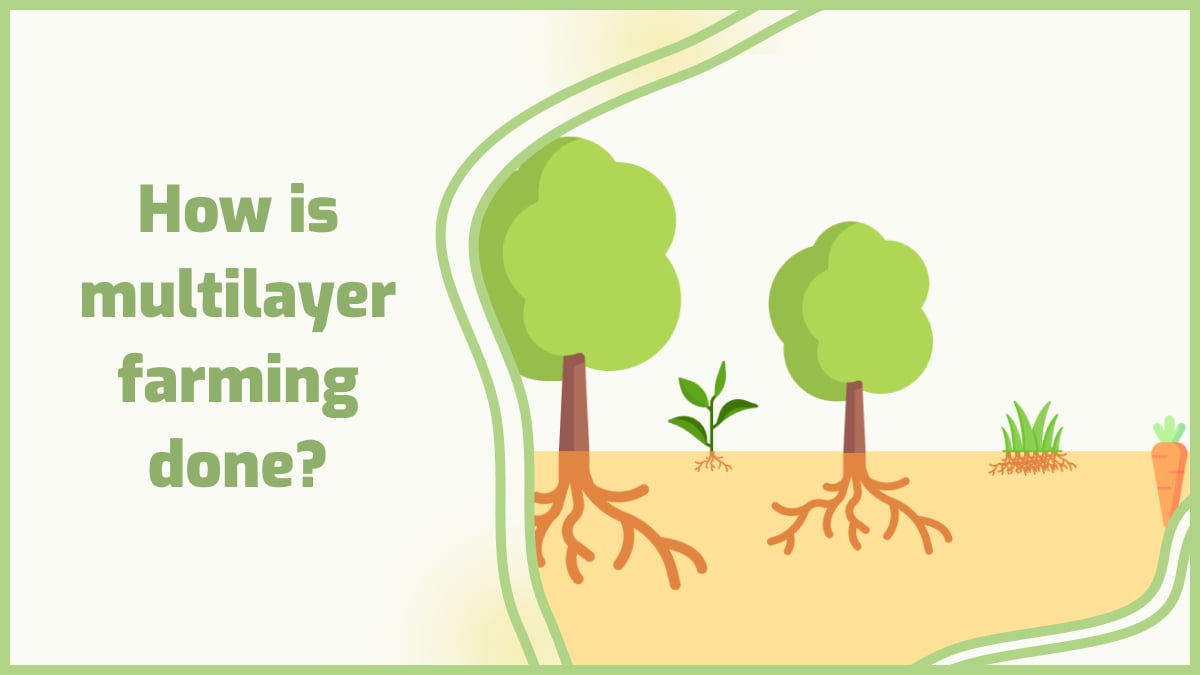
Multilayer farming is the process of growing multiple crops in a single field. This is done by planting a crop on top of an already existing crop. The first crop is then harvested, and the land is used to plant another crop.

The purpose of this is to save space on land and improve efficiency. It is an ancient method of farming that is used to increase crop yield and avoid competition between plants.

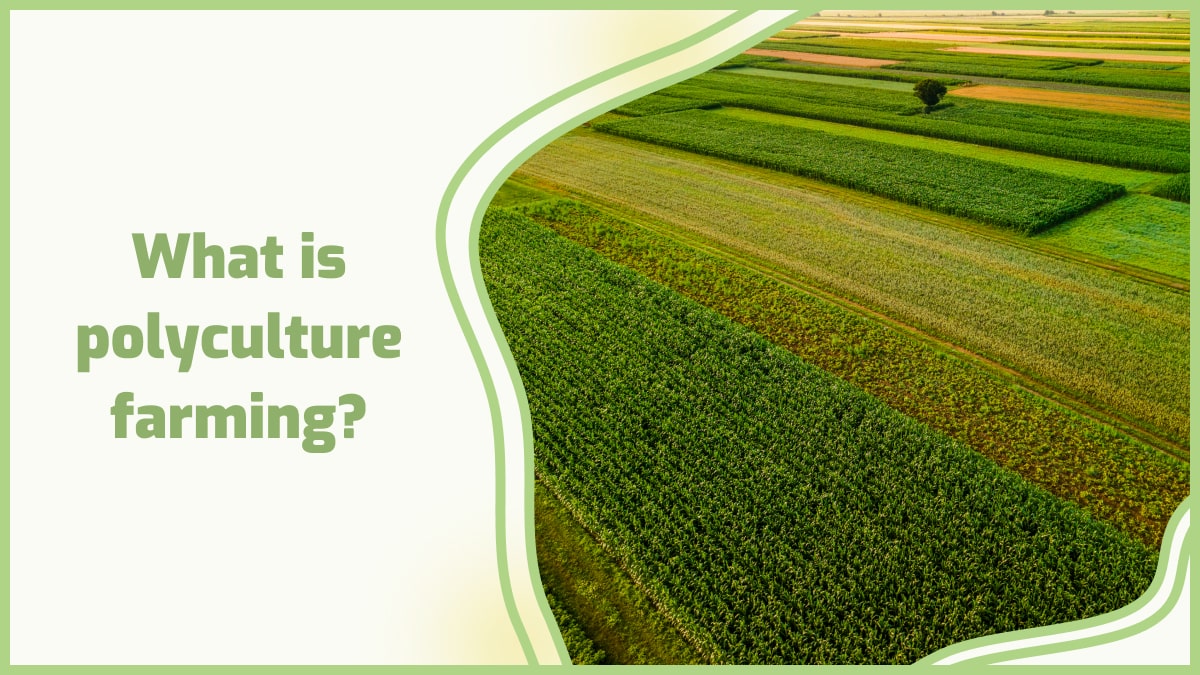
Multi-layer farming is a type of polyculture that involves growing multiple crops in a single area. It generally involves growing plants at different heights, so that one crop grows on the ground and another grows above it.

It is a kind of agricultural method that is used to optimize the use of land and improve the quality of the soil. The main idea of this kind of farming is to plant different types of crops in one field, and then use the remains from each crop as fertilizers for another.

For example, you might grow lettuce in your vegetable garden and also plant tomatoes on a trellis above. Multilayer farming models work best when there is a short growing season like during the fall or winter months when temperatures are cooler and the sunlight is limited.

Some of the benefits of multi-layer farming include:

  • It allows you to grow more food while taking up less space. This is especially helpful when you are working with limited space, such as a balcony or backyard garden.
  • It also helps to avoid soil depletion by alternating different crops each year; this way, you don’t need to add amendments (such as compost or manure) every time you plant something new.
  • The practice of multi-layer farming provides greater variety for your family’s diet and your pests and diseases because it offers more choices for pests and diseases to attack — so there’s less chance that they will all go after the same thing at once.
  • You can also use multi-layer farming to control crop yields over time; for example, if you have too many tomatoes on your hands in July but not enough carrots in September, you can plant a second layer of tomatoes in late August/early September so that they will ripen very early.
  • You will enjoy increased crop yields. Many crops can be grown together in one field, increasing overall yields by up to 30 percent compared with conventional methods. This is because each plant has its root system and nutrients from the soil are shared among the group.
  • Reduced losses from pests and diseases. Multi-layer planting helps protect plants from pests because there are fewer available for the attack on each plant. For example, onions planted above carrots protect the carrots from carrot fly pest attacks, while radishes growing below tomatoes protect them from fungal diseases such as Verticillium wilt.
  • Since multilayer farming provides an opportunity for organic farmers to increase their yields, it helps them in making more money from their land.
  • Diversification of risks by planting different species side by side to prevent total crop failure if one fails due to disease or pests.

What is multi-layer farming?

Multi-layer farming is a method of crop production in which one or more crops are grown simultaneously on the same piece of land. The purpose of multi-layer farming is to increase profitability and productivity.

It allows for multiple harvests from the same plot of land during one growing season, which can improve the overall efficiency of agriculture. It also allows farmers to diversify their crop production to reduce risk factors associated with crop failure and price fluctuations.

It may involve planting different types of plants at different times in the same field during one growing season. For example, a farmer may plant vegetables on top of a bed that was previously planted with potatoes, then harvest them both at once for sale as mixed vegetables or frozen fries.

This method can be used in conjunction with companion planting or intercropping (also known as mixed cropping) to further increase productivity and reduce pest damage while also improving soil fertility.

It is an efficient and sustainable way to grow food that can help you cut down on waste and use resources more efficiently. It allows you to grow more food in less space and use fewer chemicals. It also helps with pest control, by alternating plantings so that pests do not have time to build up their populations.

Multi-layer farming is also called intercropping and polyculture because it involves multiple types of crops being grown together. While there are no hard and fast rules about what makes one type of crop a different layer than another, the idea behind multi-layer farming is simple: different plants have different needs, so by combining them in one space you can make each type of plant thrive.

It’s a technique that can be used to increase the productivity of small plots of land, by growing different crops in layers that can be harvested at different times. It can be used with any type of crop, but it’s most common for subsistence farmers who have limited resources and land available for planting. The practice has been around for centuries, but it’s gaining popularity as more people are realizing its potential benefits.

In multilayer farming, the first layer should be made up of plants that can tolerate low levels of light and will grow quickly in this environment. These plants can be used as food for the fish or they can be harvested before the next layer is put down.

The second layer should contain plants that need more light but fewer nutrients than the first layer. These plants will grow slowly but will not compete with the lower layer for nutrients because they are not competing for light at all.

The third layer should contain plants that require high levels of both light and nutrients and need to be harvested early so that they don’t use up all the resources needed by other layers further down the system.

Basic principles of multilayer farming

The basic principles of multilayer farming are:

  1. Increase the efficiency of the system.
  2. Use of a lot of input.
  3. Crop diversification options are based on ecological, economic, and scientific grounds.
  4. Increasing the efficiency of resource utilization.

On a long-term basis, agriculture resources and the environment must be sustainable. This system consists primarily of an overstory of trees or shrubs with a forage or economy crop understory. The gap between trees can be large enough to allow enough light to reach ground cover.

What is the benefit of multi-layer farming?

Multi-layer farming is an ancient practice that is now making a comeback. It’s also called “intercropping” or “polyculture“. It means growing more than one crop on the same piece of land at the same time, sometimes with different crops on top (the canopy) and sometimes with different crops in the soil below.

The benefits of multi-layer farming are many. They include:

1. Increased yield

Growing several crops together increases yields because their roots fertilize each other and because more plants are working together to produce more food.

2. Faster growth

Many crops grow faster when they’re grown together, especially if they’re planted close to each other and watered regularly.

3. Fewer weeds

Because weeds compete with crops for water, nutrients, and sunlight, they tend to crowd out slower-growing plants when they are allowed to grow unchecked by human interference (weeding). But if you plant fast-growing plants among slower ones, you will have fewer weeds overall.

4. Fewer pests

Pests prefer certain kinds of plants over others — so planting a mix of different species reduces pest problems overall by making it harder for them to find their favorite foods.

5. Increased biodiversity

It helps increase biodiversity because different types of plants are grown together in one space. This provides an ideal habitat for birds, bees, and other insects that contribute to pollination and other ecological processes necessary for maintaining healthy ecosystems.

The cash flow is maintained by multilayer farming. Farmers can maintain financial viability throughout the year by growing different crops.

  • It also employs a large number of people throughout the year.
  • It also helps to mitigate the effects of severe rain, landslides, and soil erosion.

Multiple crops necessitate a variety of nutrients, thus the soil is replenished with a variety of nutrients, enhancing its fertility. This technique enhances the soil’s water retention capacity. The likelihood of crop failure is minimized as a result of multiple cropping.

Planting different types of crops together in one field allows us to use them as natural pesticides by using their roots as barriers to keep pests from going inside our fields thus protecting your crops from being eaten away by them during their growing stages.

Planting different types of crops together in one field allows us to use them as natural pesticides by using their roots as barriers to keep pests from going inside our fields thus protecting your crops from being eaten away by them during their growing stages.

Steps to perform multi-layer farming

Here are the steps that are taken to perform multi-layer farming:

1. Crop selection

Different crops are chosen to grow. Crops must have varying heights and maturation periods.

2. Field selection and preparation

Geometrical shapes (Square and Rectangle) are thought to be suitable terrain for multi-tier farming. Tillage, FYM addition, and composting are all examples of operations that should be carried out. With the help of tillage, a healthy seedbed is formed.

3. Seed selection and treatment

A high-quality seed of various crops is chosen. A pure, healthy, vigorous seed with a high yield potential is ideal. Seeds are disinfected to protect them from seed-borne or soil-borne illnesses.

4. Irrigation

Irrigation is when water is applied to crops artificially. Irrigation is one of the most crucial factors of plant growth. It is critical to meet the requirements for transpiration and photosynthetic activity. Water is used to dissolve the nutrients that are present in the soil.

Irrigation is especially important in multi-layer farming. Neither too much nor too little water is provided. The use of a moderate amount of water is often preferred. For irrigation, the ring basin approach works well.

5. Addition of manures and fertilizers

Manures and fertilizers are used to ensure that crops grow and develop properly. Different crops necessitate various levels of nutrients. As a result, the basal approach is most commonly used. For crop growth, FYM, compost, and NPK are critical.

6. Weeding

Weeding is done in the field to eliminate undesired vegetation. In multi-layer farming, hand weeding, hoeing, and sickling are effective weeding methods. Weedicides can be used instead to eliminate weeds. To kill pests and insects, insecticides and pesticides are utilized.

7. Harvesting and post-harvesting

Beneficial parts of crops are removed and stored in a secure location.

8. Packaging and marketing

For-profit, the materials are packed and sold on the market.

Steps to perform multi-layer farming

Below are examples of crops based on multilayer farming:

  • Maize, green gram, and groundnut.
  • Pointed gourd, elephant foot, yams, cucumber, and cauliflower.
  • Spinach, radish, and onion.
  • Okra, radish, cluster bean, and beetroot.
  • Pigeon pea, rice(upland), and black gram.
  • Sugarcane, mustard, and potato.
  • Pigeon pea, groundnut, and sesame.
  • Coconut, jackfruit, coffee papaya, and pineapple.
  • Mango, guava, and cowpea.
  • Coconut, banana, and coffee.
  • Coconut, coffee, and black pepper.

It is a sustainable method of producing crops. It involves having crops on various levels of soil, which allows them to be harvested at different times during the year. Multilayer farming strives for the most intensive and effective use of available resources. It emphasizes maximum crop productivity with minimum nutrient handling and infrastructural costs.

Multilayer farming is beneficial to the farmers and it has multiple benefits. From providing nutrients to crops, less water needs to be used, growing plants faster and protecting them from pests are some of its benefits. This farming system can be done on both small and large scales.

In this article, we have gone through the main aspects of multi-layer farming and its benefits. We hope this article will help you in making your choice of adopting multi-layer farming as a method of farming. Hopefully, you too will look into this technique to expand your farm or just as a way to be more sustainable.


Frequently Asked Questions


1. Difference between intercropping and mixed cropping?

Intercropping and mixed cropping are both agricultural practices that involve growing multiple crops together. The main difference lies in the arrangement and purpose of planting. Intercropping involves growing different crops simultaneously in a specific pattern or arrangement, typically to maximize resource utilization and complement each other’s growth.

Mixed cropping, on the other hand, refers to the practice of growing different crops together in the same field without a specific pattern, often for the purpose of reducing risk by spreading it across multiple crops or for maximizing overall yield.

While intercropping focuses on strategic combinations, mixed cropping is a more generalized coexistence of different crops in a single field.

2. Difference between cropping system and farming system?

Cropping system and farming system are related terms that refer to different aspects of agricultural practices. A cropping system refers specifically to the arrangement and sequence of crops grown on a piece of land, including factors like crop rotation, crop combination, and planting schedules. It focuses on the management of crops within a specific area.

On the other hand, a farming system encompasses a broader perspective, considering all aspects of agricultural activities, including crop production, livestock management, soil and water management, and other farm components.

It involves the integration of various elements to create a sustainable and efficient farm operation. While cropping system relates to the specific arrangement of crops, farming system considers the holistic approach to agricultural practices.

3. What is a layer in agriculture?

In agriculture, a layer refers to a type of poultry bird that is specifically raised for egg production. Layers are hens that have been selected and bred for their ability to lay eggs consistently. They are typically kept in specialized housing systems, such as battery cages or free-range environments, to facilitate egg collection and care.

Layers play a crucial role in meeting the demand for eggs and are raised for commercial egg production in the agricultural industry.

4. What is the difference between multiple cropping and modern farming method?

Multiple cropping involves growing multiple crops on the same land within a year to maximize productivity.

Modern farming methods encompass innovative techniques and technologies to enhance agricultural practices, such as advanced machinery, precision farming, and sustainable approaches.

While multiple cropping focuses on crop diversity, modern farming methods emphasize efficiency, productivity, and sustainability through technological advancements.

5. How farming works?

Farming is a complex process that involves several key elements. It begins with land preparation, including clearing, tilling, and soil preparation. Next, farmers select and sow suitable seeds or plant seedlings, ensuring proper spacing and depth.

Throughout the growing season, farmers provide essential care such as watering, fertilizing, and protecting crops from pests and diseases. Finally, at the appropriate time, crops are harvested, often using specialized machinery.

Farming requires knowledge of crops, soil health, weather patterns, and effective management practices to ensure successful cultivation and maximize yields.

Terrace farming: examples, systems, advantages, and disadvantages

Terrace farming is a traditional and ingenious method of growing crops on steep hilly slopes by constructing successive levels of flat surfaces along the slope that resembles the steps of a ladder. As a result, they are also sometimes called step farming.

The need to change the entire landscape of massive hills to make terraces, which is definitely a very labor-intensive process, primarily comes from the fact that water flows downslope at a very fast speed on hilly slopes compared to flatlands.

Terrace cultivation causes some serious farming issues such as the water retention capacity of the soil is very limited, soil erosion is exacerbated, soil particles and nutrients flow downslope to rivers and are carried off and in case of heavy rainfall, landslides and mud-slopes may occur in the absence of trees that were cut to make space for farming.

Making terraces solve all these problems by making the land more stable, less prone to erosion, holding water with bunds, and controlling the water flow using drainages built on each terrace level that carry water to the one directly below it.

The size of terraces varies according to each landscape but commonly ranges from being (two-three) meters wide and (to fifty-eighty) meters in length. The slope or gradient of the terrace is also controlled according to the environment and the intended farming crop.

What is Terrace farming system?

There are primarily three types of terrace farming systems commonly in practice based on the type and level of disturbance administered to the slopes for making the terraces. They are bench-terracing, contour-terracing, and parallel-terracing.

1. Bench Terracing

These are the most commonly found type of terraces in most parts of the world and are the ones which we refer to when we say terrace farming in general. In bench terracing, the hills are cut into regularly spaced wide flatlands that do not allow the water to flow down freely and take away the topsoil.

To construct bench terraces on the side of a hill, you start from the top and start the process known as ‘cutting-and-filling’ to make wide flat areas of the desired width that extend down the slope.

Additional materials like stones, border plants, and bio-engineering techniques can be used to help the newly constructed terraces stabilize, which strengthen over time. Consequently, this involves a lot of earthworks which is mostly manual because of the difficult terrain and this is very time and labor-intensive.

They are highly effective in capturing the flowing water and even more so when they are provided with bunds on the sides to make the water stagnant which is very important for rice farming. However, they cannot be used for growing species like potatoes that cannot grow well in water-logged conditions.

2. Contour Terracing

The contour terracing system combines the benefits of contour farming and terrace farming practices. It is a form of terracing that requires much less earthwork and landscaping than the bench terracing system since the terraces or growing flatlands follow the natural contour of the hill.

They are constructed by building each terrace level on the same elevation that follows the relief and thus they are not equally spaced apart. As a result, they have a uniform intra-level gradient which can hold the water longer.

Like bench terraces, bunds, as well as drainage, are provided on each of the levels, and in rainy areas, a grassed-waterway channel is commonly constructed along the slope that drains the collected water directly downslope.

3. Parallel Terracing

When it comes to making anything parallel, it is obvious that it requires much more work than simply adapting to what we have. The same is the case for making terraces on sloping lands. To make terraces that are parallel to each other, we will have to make bigger changes to the landscape by cutting a huge amount of materials from the top and filling it at the base.

This is not possible in remote areas but with the advent and accessibility of powerful earth-moving machinery, the establishment of parallel terraces in gently sloping terrains comes with a number of benefits.

The most significant advantage of parallel terraces over others is that terrace cultivation  is way easier to carry out farming operations like tillage, seeding, weeding, etc with tools in parallel areas mainly due to the elimination of point-rows.

Point rows are the pointed and narrow parts of the terraces often found in bench and contour terraces. Furthermore, they result in more ease during waterways and drainage establishment.

Examples of terrace farming

Hills carved out in the form of terraces that are lush with crops like rice, paddy, wheat, corn, pulses or fruits form a beautiful landscape and can be found all over the world where economic activity occurs in hilly regions.

However, some terrace farming areas are more popular than others because of their rich history, cultural value, and their economic significance. Some of the famous examples of terrace farming are as follows:

1. Banaue Rice Terraces

In a number of remote villages of the Cordilleras mountains in the Philippines, rice has been grown in terraces for more than two thousand years and is now recognized as a UNESCO World Heritage Site.

Banaue Rice Terraces Examples of terrace farming

The terraces not only hold an economical purpose for the native Ifugao people but are embedded in the culture and tradition of the region. Spreading across more than ten thousand square kilometers, the entire area was provided with an intricate irrigation system.

2. Machu Picchu

One of the Seven Wonders of the World, The Machu Picchu of the Andes Mountains in South America is made entirely of terraces. Besides serving as a place where such advanced civilization could flourish with numerous temples and houses, they also allowed for farming in very rugged topography which made it all possible.

Machu Picchu terraces

Scientists, agriculturists, and geologists are still amazed by the irrigation channels of the terraces that made complete use of the rainwater where other irrigation techniques were not possible.

Unlike other common terraces, the terraces of Machu Picchu make extensive use of rocks and walls to support the levels. To this date, the Machu Picchu terraces remain one of the most beautiful terraces ever built.

3. Sa Pa Terraces

The Sa Pa terraces of Vietnam are as important for their ability to produce large volumes of crops like rice, maize, and vegetables as they are for the tourism industry of the region.

Sa Pa Terraces

The majestic rice fields of the area are admired by many for the mosaic of colors that terrace cultivation exhibits at different times of the year.

4. Salinas De Maras

The Salinas de Maras of Peru are very unique from other terraces since they produce salts instead of crops. These artificial terraces built on natural salt fields have been in existence for centuries.

Salinas de Maras of Peru terraces are very unique from other terraces

Terrace farming benefits

Historical places as well as the adoption of this farming practice in almost all mountainous parts of the world are evidence of the multiple benefits of the terrace farming system.

The primary benefit of terraces in agriculture is that it makes growing crops possible in sloping lands by creating stable flatlands where the necessary materials for the crop’s growth can be retained. Since the necessary materials are water and soil, they help prevent farming issues like soil and nutrient erosion by water.

Furthermore, without terraces, many fragile landscapes in the mountains would not even exist because of calamities like landslides and mudslides. So, they are an effective method of soil and land conservation in mountains and hills.

By increasing the productive area of a landscape, it ensures larger food production and food security. In fact, many parts of Asia depend solely on food produced through terrace farming.

The benefits of terrace farming can be seen in areas other than food production like cultural and ecological aspects. Terrace cultivation has been shown to increase biodiversity and possibilities for afforestation by schemes such as agroforestry.

Last but not the least, they carry a huge cultural significance, so much so that terrace farming systems like the Banaue terrace farms are recognized as cultural landscapes because of their close ties with the culture and tradition of the region. It ensures social cooperation and the preservation of the cultural identity of a region.

How does terrace cultivation help in conserving soil?

The conservation of soil mainly means holding the soil in place without damaging its physical and chemical properties. Water is the primary agent that erodes the soil of an area mainly through runoff and the effect of runoff is multiplied when the land is sloping. As a result, soil erosion is a major concern in hilly areas where runoff water attains high speeds.

By constructing terraces in those hills, we intercept the running water and drastically reduce its velocity. In fact, each level of the terrace holds the water it needs and the remaining water flows to the lower level either through a gradient or through drainage outlets.

In areas with intense rainfall and steep hills, the vulnerability to landslides and mudslides is very high which can make the entire landscape permanently unusable for any activity. Even in such areas, they help prevent such calamities by integrating tree species with food crops.

As mentioned earlier, soil conservation doesn’t only include its physical integrity but protection of its chemical properties as well. It is one of the most sustainable methods of farming which uses minimal artificial fertilizers and relies primarily on organic fertilizers.

So the quality and fertility of soil further increases. It helps retain soil cover and fertility since water flows do not wash off the topsoil and nutrients.

Disadvantages of terrace farming

The most noticeable disadvantage of terrace farming is that it is a very labor-intensive and time-consuming process since heavy equipment and machinery aren’t available in most cases. Another serious disadvantage of terrains is that if improperly constructed, they can hold excess water leading to rainwater saturation.

This might result in crop loss, erosion by overflow, and even terrace failure by mudslides and landslides. So while constructing terraces, it is very important to build them according to the rainfall patterns and geology of the area.

Finally, building terraces might even disrupt the natural hydrological and nutrient cycling of the region and even degrade the soil quality.

To sum up, the benefits of a properly planned and designed terrace farming system far outweighs its possible drawbacks. This traditional system of farming has large implications in areas all around the world, especially in the face of changing climate and increasing food security.

They have been in existence for centuries and their application should be extended since they carry huge potential in converting virtually un-farmable sloping lands into productive agricultural land along with conserving the soil.

Even on gentle slopes, terraces like contour terraces and parallel terraces can be made to gain added benefits from the natural relief of the land. Finally, since it is very important to design your terraces according to the topography and needs of the land, tools such as topography analytics are very useful and important.


Frequently Asked Questions


1. Why is farming in mountainous areas so difficult without terracing? Which issue does terrace farming help solve?

Farming in mountainous areas is challenging without terracing due to several reasons. Firstly, the steep slopes make it difficult to retain soil, leading to erosion and loss of nutrients. Secondly, water runoff is rapid, making irrigation and water management a complex task.

Thirdly, the uneven terrain makes it challenging to access and cultivate the land effectively. Lastly, without terracing, it becomes harder to prevent landslides and control the distribution of crops.

It addresses these issues by providing level surfaces, reducing erosion, improving water retention, and enhancing overall productivity in mountainous regions.

2. What is field terracing?

Field terracing refers to the practice of creating leveled platforms or steps on sloped agricultural fields. It involves constructing retaining walls or embankments along the contours of the land to create flat surfaces for cultivation.

It serves multiple purposes, including preventing soil erosion, reducing water runoff, and improving water retention. It helps optimize land use by maximizing the availability of arable space on steep slopes and facilitates more efficient farming practices in hilly or mountainous regions.

3. What made it possible to grow such different crops on the terraces? Which other purpose did the terracing of the mountain serve?

They enable growing diverse crops by providing leveled surfaces for efficient water and nutrient distribution. Reduced erosion and improved soil retention create favorable conditions.

Optimal sunlight exposure supports varying crop needs. They optimize space, allowing for successful cultivation of different crops.

Further, it serves the purpose of preventing soil erosion, reducing landslides, providing access paths, and enhancing the scenic beauty of the landscape.

4. What was a benefit of terrace farming during the neolithic era?

It during the Neolithic era increased agricultural productivity, prevented soil erosion, improved water management, and supported food security.

5. Is terrace farming intensive or extensive?

It is considered intensive rather than extensive. It involves maximizing productivity on limited land by creating leveled surfaces for cultivation. They enable efficient use of resources such as water, nutrients, and sunlight, resulting in higher crop yields per unit area.

6. What are two other things you learned about the terraces?

Two additional things I learned about terraces are their ability to reduce soil erosion and their contribution to water conservation. They effectively slow down water runoff, preventing soil erosion and the loss of valuable topsoil. Additionally, the stepped structure helps retain water, allowing for better irrigation and reducing the need for excessive watering. These features make them an essential tool in promoting sustainable farming practices and preserving soil and water resources.

Intercropping: benefits and types

Proper management of land and effective control of pests and weeds are crucial skills for anyone who wants to succeed in Agriculture. People now seek alternative measures to inorganic substances in controlling pests and weeds.

This is because some inorganic substances such as pesticides and herbicides may leave harmful remnants of crops. And this may have a resultant effect on the consumers of such foods.

Therefore, there is a yearning to seek an organic solution to pest and weed invasion of land. This development contributed to what brought about the concept of intercropping. Although many people confuse it with crop rotation, they are completely distinct concepts.

What is Intercropping?

Intercropping is a broad term that is dated back to the stone age. This means that it’s not a new invention. Rather, it has continued to be studied and modified by modern researchers and agriculturists.

It is the planting of crops, two, three, or more on the same piece of land at the same time to effectively manage land and other resources.

The concept goes beyond selecting random crops and planting them in an unorganized arrangement. It is a strategic process that requires deep knowledge and critical analysis of plants, the pests they attract, duration of growth, nutrient demands, the types of intercropping, and more.

Factors to consider before intercropping

Crops’ Group: Crops belonging to the same group such as maize, corn, and wheat should not be grown alongside each other. Rather, different plant groups such as cereals and legumes, cereals and oil groups, cereals and vegetables, and other combinations should be planted together.

What is Intercropping system?

Pest: Plants that have the same pest should not be planted together on a piece of land. Doing this will increase pest infestation on land rather than curbing it. Almost all legumes have the same pests. Therefore, legumes should not be grown together. This also applies to cereals, vegetables, and oil crops.

Duration of growth: The duration of growth of plants also determines whether or not they can be planted together. Plants that take a year or two years to grow, annual and biennial plants should be grown together with other plants in this category.

While plants that take a longer time to grow should be grown with other plants that take the same time to grow.

Nutrient requirements: it will be an unforgivable mistake to plant crops with the same water, sunlight, carbon dioxide, minerals, and more together. They will continue to compete against each other for these nutrients. The resultant effect of this is that some will outgrow the others, or all the plants won’t grow well.

Different Types of Intercropping Systems

There are many types of intercropping systems and this is mainly due to the arrangement of crops. They are listed as follows:

  • Row Intercropping
  • Strip Intercropping
  • Relay Intercropping
  • Alley Intercropping
  • Temporal Intercropping
  • Mixed Intercropping
  • Trap Intercropping

1. Row Intercropping

This is the most common among the other types. Here, plants are arranged together side by side in a row. The necessary factors for an arrangement such as plant nutrient requirements are considered before this arrangement.

The pattern of the arrangement may vary. Some may choose to plant a crop in a single row and plant another crop in the next row and it continues like that. While some may decide to plant in two rows and plant another crop in the next row and it continues like that.

Examples of crops that are usually planted on rows are cereals such as maize and legumes such as soybean. However, the number of rows for each crop should be different. If the total number of rows is 10, 6 rows may be set aside for legumes and 4 rows for cereals.

2. Strip Intercropping

This method is an advanced version of row intercropping. It is more mechanized and vast, and it is usually practiced in a large-scale setting. A large piece of land that is sufficient to carry out some machine actions is highly important in this method.

The difference between rows and strips is that strips are wider. The wideness of the strips makes it easy to independently use modern machines on each crop. Two, three, or more crops can be successfully grown in this kind of arrangement. This method of planting crops is very practicable and has proven to be efficient.

3. Relay Intercropping

For a better understanding of this type of planting, we can compare it with relay races. Where the first runner starts the race and runs several times. Afterward, he passes the baton to the other player who continues the race.

It is also very similar to this. Two or more crops are grown on the same land but not at the exact time. A crop is firstly planted, watered, and would have bloomed before another crop is planted on that land.

The condition for this method is that the second plant must be able to grow despite being covered by the shad of the first plant. It means that the second plant should not need much sunlight. An example of a crop that works in this arrangement is cotton and corn.

4. Alley Cropping

This method of planting crops is done in places where there are a lot of trees, bushes, or shallow forests. Crops are planted between trees and bushes. This wisdom behind planting smaller crops besides the bigger crop is to grant protection to the smaller crops.

The bigger crops safeguard the smaller crops against erosion, heavy wind, heavy rainfall, excessive sunlight, and other unfavorable conditions that may retard the growth of the smaller crops. The bigger crops provide shade and firm support with their roots.

This method ensures the proper use of forests and forest areas. Apart from these economical uses, it will also reduce security risks by eliminating kidnappers and terrorist hideouts.

5. Temporal Intercropping

This method involves growing two or more crops with a varied duration of growth. Those plants mature at different lengths of time. E.g, growing annual and biennial crops on a piece of land at the same time.

The advantage of this is that the plants that have a shorter duration of growth are quickly harvested. While the plants that have a longer duration of growth have more area and nutrients to themselves.

6. Mixed Intercropping

Here, two or more crops are planted on the same landscape. And there is no formal arrangement into rows or strips. Usually, the crops planted have the same duration of growth and are harvested together. This method protects the crops from pests, erosion, winds, and other negative changes in the climate.

7. Trap Cropping

Crops that are planted beside the real plants to trap pests are “trapping crops”. Trapping crops helps to protect the real crops by attracting those posts to themselves. This will in turn protect the real crops from those pests.

Usually, the real crops are cash crops that may incur a huge loss if they are affected by pests. Mustard crop and Hubbard is an example of trapping crops that traps beetles, bugs, insects, borers, and other pests. Using trapping crops to prevent pests helps to reduce the cost of production by reducing the money spent on pesticides.

Why is intercropping good? Its Benefits and Advantages

It is highly beneficial not only to the crop growers but also to everybody in the community. It possesses economic, ecological, health, and other benefits. The following are the general intercropping benefits:

  • Proper management of land
  • More profit
  • Prevention of soil erosion
  • Improved ecosystem
  • Decreased usage of inorganic substances
  • Improved health of consumers
  • Management of other natural resources

1. Proper management of land

Planting many crops in rows and strips helps to manage and use the land effectively. Many crops are planted on just a piece of land. If not for intercropping, the crop grower will need to get two or more lands if he wants to plant more crops at the same time. And the land is a scarce resource that is not easily acquired, especially in the industrialized world.

2. More profit

Planting two or more crops together in a row helps to lessen the cost of production. The crop grower uses just a piece of land, the money spent on pesticides and herbicides is also reduced, the crops have more chances to grow well and other resources such as water are also used efficiently.

Cumulatively, all these will increase the profit that would be made. Increased profit. They also give protection to cash crops, such as Trap intercropping. This protection will increase the yield of growers by reducing the loss incurred. And this will increase their profit.

3. Intercropping Prevent soil and wind erosion

Planting crops between rows, bushes and alleys make the crop’s root firm. It is specifically provides shade to crops, and protection against winds, protection against excessive sunlight, and other adverse weather conditions.

Trapping crops also attract useful pests. Trapping crops may also serve as protection to the real crops against wind, erosion, and excessive sunlight.

4. Improved ecosystem

Planting crops generally improves the ecosystem and makes the environment safe. Humans need oxygen for respiration. And plants release oxygen to the environment as by-products. It allows the planting of many more crops than monocropping does.

5. Decreased usage of inorganic substances

Intercropping provides a natural solution to many planting problems. Problems such as pest invasion, and infertility of land are being solved through this method. Planting different crops in rows and stripes makes the land more fertile.

For example, if legumes are planted with cereals, the legume releases Nitrogen into the cereal and the land. The nitrogen released helps to improve the fertility of the soil. It also helps to control weeds and pests. Therefore the application of this method to farm spares the use of pesticides, herbicides, and fertilizers on the land.

6. Improved health of consumers

Some inorganic substances used to control pests and weeds may leave remnants of the crops. These remnants may be toxic when consumed by humans. Since it reduces the usage of inorganic substances in the crops, it is also improving the health of consumers of food products.

7. Management of other natural resources

Natural resources like water, air, and energy are used effectively with this system. The energy used by humans to plow, plant, and harvest is also a resource. It helps to save the energy of not only humans but also machines used.

Intercropping Disadvantages

Although, it is very beneficial to agriculture. It still has some drawbacks. Some of the disadvantages are.

Makes cultivation and harvesting difficult: It takes a lot of effort to make the rows and stripes arrangement. The planter must be careful not to disarrange those rows while planting. Also, harvesting brings about some difficulties. The crops may be destroyed if care is not taken.

Inadequate planning and practices may incur a huge loss on the farmer: it is delicate and it requires proper and thorough planning for it to be successful. Inadequate planning may cause the crops not to grow or make them die as a result of inadequate nutrients. And this will incur a huge loss on the crop grower.

Consumes more time: Making rows, strips and even planting between trees is time-consuming. It takes a lot of time to cultivate and harvest.

Difficult to practice on a large scale: intercropping is more difficult to practice on large-scale farming. It is easier to practice on a small piece of land than to practice on a large piece of land.

In conclusion, it is a very important concept in agriculture. It provides a natural solution to many agricultural problems. It helps to ensure proper management of land, water, energy, pests, weeds, energy, and other resources.

Apart from these benefits, it also helps to boost the profits of farmers and also improve the ecosystem. However, it is not possible without proper planning and practice. GeoPard agriculture is a company that provides farmers with the information necessary to successfully carry out planting operations.

They help crop growers successfully navigate through it. GeoPard agriculture provides the necessary analysis of the land to use, the variety of crops to grow, and the type of intercropping system to use on a particular land.


Frequently Asked Questions


1. How does intercropping reduce the need for herbicides?

It reduces the need for herbicides through various mechanisms. Firstly, it increases crop diversity, making it difficult for weeds to establish and thrive. The presence of multiple crops in close proximity creates a competitive environment for weeds, suppressing their growth.

Additionally, It can result in better canopy coverage, shading the soil and preventing weed germination. The diverse crop mix also provides natural pest and disease control, reducing the need for chemical interventions.

2. Difference between crop rotation and intercropping?

Crop rotation and intercropping are both agricultural practices used to optimize land productivity, but they differ in their approach. Crop rotation involves the systematic rotation of different crops in a specific sequence over multiple growing seasons. This helps prevent nutrient depletion, control pests and diseases, and improve soil health.

It, on the other hand, involves growing two or more different crops together in the same field simultaneously. It aims to maximize resource utilization, promote biodiversity, and enhance overall productivity. While crop rotation focuses on the temporal sequence of crops, it emphasizes spatial arrangement and coexistence of different crops.

3. How does intercropping work?

It works by strategically planting different crops together in the same field. The crops are selected based on their compatibility and ability to benefit from each other. By combining crops with complementary growth habits, nutrient requirements, and pest control abilities, it maximizes the use of available resources and space.

The interplay between the crops creates a diverse and resilient agroecosystem, reducing the risk of crop failure and enhancing overall productivity. It also promotes natural pest control, improves soil health, and can increase biodiversity on the farm.

Disadvantages and benefits of monocrop agriculture

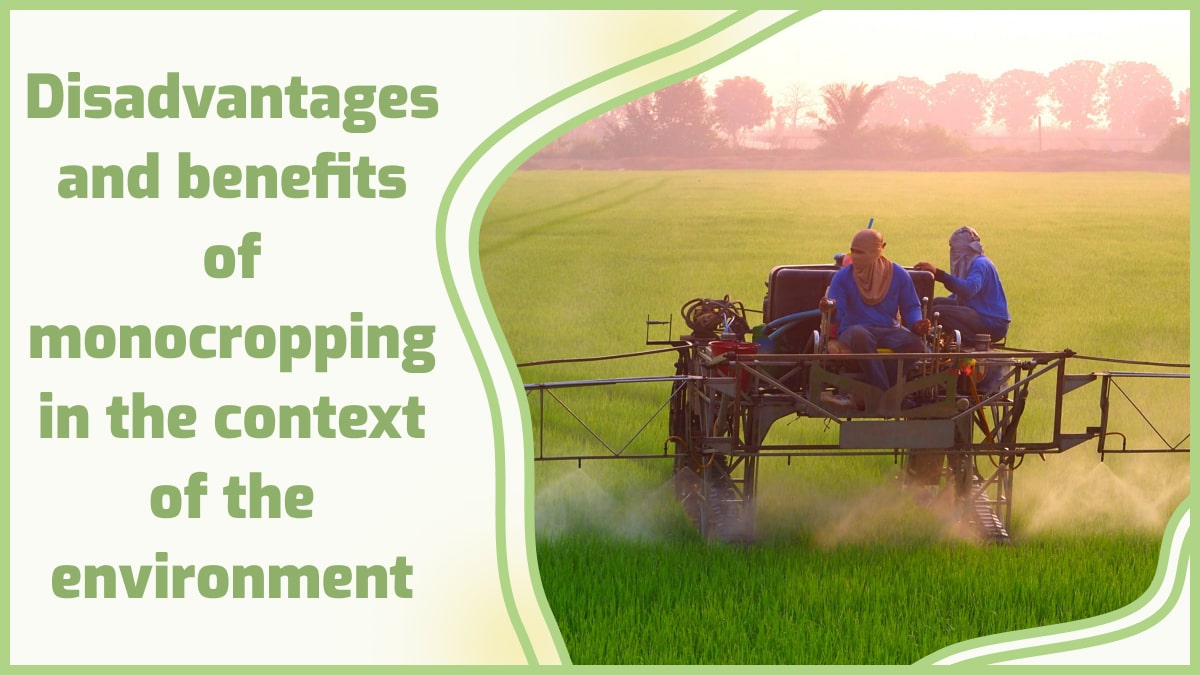
Are you hearing about monocropping for the first time? Monocrop agriculture is about sowing one crop every year in a similar piece of land, and not choosing to adopt practices such as rotation of other kinds of crops or even choosing to grow several crops on the same field, commonly known as polyculture.

What is monocropping in agriculture?

Besides that, in monocropping, some of the common and also popular crops that are always preferred across the globe include:

  • Soybeans
  • Wheat
  • Corn

The above listed are some of the three most planted crops through the monocropping methods.
The techniques for monocropping enable farmers to have regular crops all over their fields.

Again, farmers always choose to only grow some of the crops that are profitable alone and use the same seed, same diseases and pest regulation methods, similar machinery, and also similar planting method throughout the whole field which have increased the chances of heightening the entire field profitability.

Farmers who prefer its adoption say that it’s a method of farming that results in higher yields as compared to choosing to rotate other crops every year. As much as the claim in regards to profitability may prove to be true, the consequences involved in it will also sooner or later turn out to be very devastating than the benefits in relation to environmental safety and care.

The agricultural and ecological practice of monocrop agriculture

Monocropping and also the Loss of Diversifying in both Culture and Food

Lots of biodiversity across the world happens in areas that are densely populated, and monocropping limits cultural diversity.

Besides that, it in terms of economic scale simply proves that very few families undergo lots of financial burdens for those that insist to stay leading to the extinction of many local cultures across the globe. All that limit and reduction in diversity is simply a result of lack and failure to adopt food diversity.

For instance, industrial fish cages or farms found in the West African country of The Gambia consist of polluted rivers and ocean, damaged wild fish stocks, and also denied local fishing communities of their livelihoods and also Gambians of their original diet.

Across the globe, 50% of the human diet consists of simply three crops which are wheat, rice, and maize resulting in diet imbalances and malnutrition. Even though it claimed that it leads to profitability and better living, several people across the globe who practice this kind of farming have remained to be among those suffering from food insecurity and add to those experiencing world hunger.

Monocropping and Climate Change

As much as it is practiced it triggers yearly inputs of chemical fertilizers to manage soil depletion. The chemicals used merged together with the yearly plowing using heavy machinery divide and also break down all the soil components that are considered to be the best for healthy crops.

Are you aware that the use of chemical fertilizers and also wasteful irrigation have increased the chances of runoffs that damage water ecosystems and also pollute waterways? Just like a low diverse landscape invites a limited species of birds and also beneficial insects, monocropping similarly makes it difficult to fight harmful pests and diseases and also increases the need for fungicides and pesticides.

Methane emissions a possible greenhouse gas from fertilizer manufacturing are estimated to be 3.5 times higher than the U.S EPA’s estimations of all the methane emissions from all industries all over the United States.

Apart from all those, it also adds to climate change by making it difficult for agricultural systems to adapt to it, hence making them more vulnerable to pest infestations, blights, invasive species, droughts, and extreme weather.

Monocropping disadvantages

Higher yields at reduced costs seem so good and also with the increasing costs and increasing population, it can turn out to be the ultimate solution to combat the increasing food security problems across the globe.

However, the long-term and final impacts of monocropping are very dangerous making monoculture farming a threat. Below are some of the long-term effects:

Damage to soil quality

When you choose to only grow one kind of crop on your land, it results in intensive farming across the field. When planting such crops yearly in the same way, triggers depletion of the soil nutrients.

The depletion of these soil nutrients more so nitrogen further leads to soil weakness and also the inability to accommodate the healthy growth of crops. Besides nutrient depletion, it also damages the natural soil components of the soil due to the increased use of fertilizers.

Increased use of Fertilizers

It simply means that farmers have to equip the soil with more and more primary nutrients to be capable of growing crops at the same ability. Higher demands of nutrients are done through the use of the increased amount of fertilizers. The fertilizers also have their own impacts on the environment.

Susceptibility to Pests

When a farmer chooses monocropping, then he or she needs to be ready to fight weeds and pests since this farming method is vulnerable to such attacks hence the need for the use of more pesticides to prevent and fight them.

This method also simply involves crops that are similar or clones of one another, this means that if it happens that one crop is susceptible to pests, then, others will also act the same way.

Monocropping disadvantages

Monocropping farms are also more than just farms but appear to be home to pests since the kind of food or crops that they eat are grown at a given time and also every year hence attracting more pests.

With all that happening, risks of economic loss among farmers that practice monocropping since when one crop was to go bad, then, the entire crops will also be affected resulting in a massive loss of profit in the whole farm due to devastated agricultural production.

More use of Pesticides and herbicides

As detailed above, since monoculture crops have higher chances of getting infested by pests and weeds, then, there will be increased usage of pesticides in such fields. This will also increase the farmer’s budget since pesticides will be used most of the time and in large quantities.

Damage to the Environment

Increased quantities of pesticides and fertilizers used in the fields end up in the groundwater and also flow into rivers leading to water pollution and also getting into the air and polluting the air.

monocropping threat to environment

Another major problem that is fueled by monocropping is deforestation as the need for land increases. Statistics have it that from 1970, the Amazon rainforest alone has lost more than 20% of its forest cover through this techniques.

There are also claims that there exists a high dependency on fossil fuels that may result in increased environmental problems such as global warming.

Loss of Biodiversity

Planting certain species of crops (monoculture farming) leads to a loss of biodiversity. It also limits the choices of customers since they lack a variety of products to buy.

More Susceptibility to diseases

Since crops grown using this method are always of a similar gene (same species), their general reaction or resistance to diseases are almost the same. For the above reason, whenever one crop gets affected, there are higher chances of the entire farm getting affected and being taken down by a similar disease.

Lower yields

Those who have embraced monocropping tend to believe that monoculture has more yield as compared to other forms of farming such as polyculture which is not true. According to the latest research conducted, this is not true but just a belief.

Monocrop agriculture benefits

Specialized and Consistent Crop Production

Maximizing one kind of crop across the whole field, the farmer is capable to optimize the processes such as the seeds, water requirement, harvesting methods, and many others similar across the farm. Adopting the above-described method leads to reduced cost of production and higher produce.

It will also result in reduced costs of production since the seeds, pesticides and even fertilizer will be bought in large quantities or in bulks for the same type of crop. Same crops would also state that the agricultural processes in the entire farm would be specialized and that the farmer would have to find some money for a given type of machinery.

This calls for monocropping that is more economically viable for farmers. A group of individuals who are against monoculture farming believes that it leads to lots of environmental problems and is usually less profitable as compared to organic farming.

Crops in-demand

This method favors crops that are common in the market. Farmers analyze the crops that are commercially in demand and profitable to grow such as wheat.

Perfect match of conditions

Monocrop agriculture can be leveraged to grow a group of crops that are best suited for the local climate and soil conditions of the field. This will maintain good produce for the chosen crop since the growing conditions will be adequately available.

Easy and Simple

It is said that doing the same thing or rather one thing multiple times is easier as compared to doing several things at a go. This simply means that when farmers choose to grow one kind of crop on a piece of land, it is easier and simpler for them to manage than choosing to grow several types of crops in one field.

Polyculture Farming is the main alternative

This is opposite to monoculture since it is a type of agriculture where several species of crops are grown in the same field and at the same time imitate the diversity of plants in nature’s ecosystems. It has also been more common among farmers tracing back all the way to the history of organic farming and conventional farming.

Polyculture Types

Some of the different types of polyculture techniques applied include:

  • Inter-cropping – involves growing more than one crop adjacently, on one field
  • Cover-cropping – this entails growing crops just to cover and conserve the soil

Polyculture farming is more beneficial since it has the ability to combat pests, diseases, and even weeds. This is one of the major reasons why polyculture farming is considered to entail sustainable agriculture.

Intensive subsistence agriculture: types and practices

Under subsistence farming, farmers produce just enough crops and/or livestock that are required for their own needs and do not have the option to earn money by selling or obtaining goods by trading their production. While most of the food on our plates today comes from large-scale farmlands spread across hundreds of acres, it is still prevalent in many parts of the world and mostly in developing or under-developed countries of Asia and Africa.

When humans first began growing crops instead of foraging for food, the foods they grew were entirely for self-consumption and thus, in a way, subsistence-farming was the first form of agriculture that led humans to settle in one place.

When trade started, humans began to shift from subsistence farming to commercial farming thereby selling the surplus amount of what they produced in exchange for other necessities. However, as the human race evolved and the human population exploded, thanks to the increased food supply through farming, land available to a farmer became limited.

In the current agricultural system, companies hold vast areas of farmlands while farmers with limited land do not even have enough to meet their own needs. So farmers have been finding ways to intensify their farming practices to increase production. This form of farming is now known as intensive-subsistence farming.

Types of Subsistence Farming

It in itself can be categorized into two types namely Primitive-Subsistence farming and Intensive-Subsistence Farming.

1. Primitive subsistence farming

It is called primitive subsistence farming because it follows an approach called ‘shifting-cultivation’ or ‘slash and burn technique’ similar to our primitive ancestors. Under this, patches of land from forests or grasslands are cleared by felling the trees, burning with fire, and preparing the soil.

The land is used for a few years until its fertility runs low, at which point a new area is cleared and farming is shifted to that location.

Moreover, as shifting cultivation has gradually reduced due to its negative impacts on the environment, primitive-subsistence agriculture is still present in other forms such as homestead farming in which small gardens or tiny plots of lands are used to grow vegetables and crops using the manures and bio-waste produced by the farmer as fertilizers.

2. Intensive subsistence farming

Intensive-subsistence farming however mainly results from a single cause, that land is limited. And as land is passed on from one generation to the next, it is fragmented into smaller plots to divide among the offsprings of the farmers.

So it goes on getting smaller and smaller until it cannot produce enough to even satisfy the needs of a single family and the farmer uses intensive practices to fulfill production.

In which areas is Intensive subsistence farming practiced?

For an area to have intensive subsistence agriculture, it has to have suitable conditions in terms of light and rainfall. The location should have continuous sunlight coverage most of the year and should have a significant monsoon season.

Checking both those requirements, the monsoon parts of Asia in countries like China, India, the Philippines, and many parts of South East Asia are renowned for their practices in intensifying their farmland production.

Many rural areas of China have hills beautifully carved into terraces that grow different varieties of crops all year round. The need for intensifying agricultural production comes from having a higher population.

In more developed countries of Europe and America, intensive subsistence farming is often practiced in the countryside households having small landholdings and is not uniformly distributed to a certain place.

What are some characteristics of intensive-subsistence agriculture?

1. Very small landholdings

The small size of the landholdings of the farmers is the primary feature of the intensive-subsistence agricultural system. The entire arable land will be subdivided into numerous small plots of lands each belonging to a separate farmer.

As a result, they are managed separately by individuals trying to produce just enough to feed themselves. This becomes very uneconomic to run since you can’t afford any inputs on the farms due to the lack of capital.

Depending on the location, the average size of the land can vary anywhere from a quarter of an acre to a few acres i.e. (0.25 – 10) acres.

2. Farming is very intensive

The intensity of farming can be seen both in temporal and spatial terms in the farms. What it means for the land is that as much area of it as possible will be used for farming leaving only a few ridges as footpaths in the plains and tightly packed terraces will be constructed in hilly areas.

Even marginal lands like swamps and dry lands will be made arable by draining the water and irrigating the land respectively.

Also, the land will not be left barren at any time of the year with a new crop replacing the previous one as soon as it is harvested. Other intensive techniques like multi-cropping on several layers are also often practiced.

3. Much hand labor is entailed

A farmer practicing intensive subsistence farming will always try to use hand labor as much as possible rather than using machinery and power tools to keep the costs low. The general understanding is that machines cost money while their own hands don’t.

So even though tractors are available for tillage, they gravitate towards the old methods of using animals like buffaloes and handmade wooden plows and spades. Harvesting is also done using sickles as are all other post-treatments according to the crop.

In fact, Intensive-subsistence agriculture is identified as having very low production per labor and high production per land. However, as technology progresses, the machinery is getting more affordable, and intensive subsistence farmers in some places like India, Japan, and China are starting to hire machines whenever accessible and affordable.

4. Use of animal and plant manures

The use of animal and plant manures as a characteristic of intensive subsistence farming is also related to the lack of money to afford chemical or artificial fertilizers by the farmer. But this is a good thing since bio-fertilizers made from kitchen waste, human excreta, farm waste, plants, and animal dung doesn’t affect the soil and the environment.

So this is one of the good aspects of this form of farming practice since even though it puts pressure on the soil and land, the addition of nutrients in the form of manures and bio-fertilizers tries to balance it out.

However, like machinery, chemical fertilizers have increasingly become affordable to most farmers due to reductions in prices and government assistance. As a result, in many parts of the world, the tables have turned and intensive subsistence agriculture is now recognized for its excessive usage of harmful insecticides, pesticides, and fertilizers to maximize output.

This compromises the sustainability of the farm. So the use of animal and plant manures should be promoted which makes the farm self-sustaining and ensures food security to the farmers.

5. The dominance of paddy and other food crops

While paddy is the most grown crop in the intensive-subsistence agricultural system, several other food crops are also extensively grown and they vary according to location and its climate, soil, and topography.

For example, wheat, soybeans, and barley are majorly grown intensively in subsistence farms of northern parts of china, japan, and Korea and also parts of India like Punjab. In areas where rainfall is not adequate, food crops like millet and gorghum are grown.

Maize is also often included in the crop rotation at one time of the year. Peas and other vegetables are often integrated with plants like maize.

6. Lack of Credit Services for Farmers

Farmers are often faced with financial difficulties in these systems of farming, especially because of the lack of financial services and credit facilities. This is because intensive-subsistence farming is mostly rainfed which makes it susceptible to failure.

Moreover, since no surplus remains of the production for selling, there is no way for farmers to repay their credit if they have no other source of income.

Intensive subsistence farming and precision agriculture

For many years, subsistence agriculture and precision agriculture have belonged to the opposite sides of the spectrum. But with technological advancements, the gap is starting to be steadily reduced.

First of all, the importance of subsistence farming in ensuring food safety is being increasingly recognized. Along with this, research and experiments have proven the effectiveness and viability of precision agriculture tools and techniques in small intensively farmed subsistence farmlands, especially on those existing in clusters.

The concept of precision farming comes down to the scale of variability that exists within a plot in terms of nutrient availability, soil type, moisture, topography, and other factors. It has been noted that variability can occur in very small plots.

The technology which has driven precision agriculture is becoming more widely accessible. The Soil Data Analytics and Yield data service offered by GeoPard is one such example of a sophisticated and capable precision agriculture tool being accessible and affordable even on farmlands owned by several small landholders.

It helps to discover the promising combination of agricultural and technological fields and improve agronomic decisions of small farmers so that their subsistence need for food can be ensured and the intense stress on their lands can be reduced to ensure sustainability.


Frequently Asked Questions


1. Is shifting cultivation intensive or extensive?

Shifting cultivation is an extensive form of farming that involves clearing and cultivating different plots of land over time. It requires substantial land area and involves rotating crops across various fields to maintain soil fertility.

While it demands a large amount of land, it does not involve intensive inputs like fertilizers or machinery. Instead, it relies on natural resources and traditional farming practices, making it a unique and less resource-intensive method of agriculture.

2. Which of the following is classified as a type of intensive farming?

One type of farming classified as intensive is greenhouse farming. In this method, crops are grown in controlled environments like glass or plastic structures.

The use of advanced technology, such as temperature and humidity control, artificial lighting, and irrigation systems, allows for year-round cultivation and optimized crop production.

This intensive approach maximizes yield and minimizes resource wastage, making it a popular choice for growing high-value and delicate crops.

3. What is a subsistence farmer?

A subsistence farmer is an individual who practices farming primarily to meet the basic needs of themselves and their family. They cultivate small plots of land using traditional and labor-intensive methods, relying on their own physical effort and simple tools.

The crops grown are typically consumed by the farmer and their family, with minimal surplus for trade or sale. It is often associated with rural areas and is driven by self-sufficiency rather than commercial profit.

4. Which one of the following characteristics is most unique to intensive subsistence agriculture?

The most unique characteristic of intensive subsistence agriculture is its high labor input per unit of land. Farmers practicing intensive subsistence agriculture work intensively on small plots of land, utilizing manual labor and traditional farming techniques to maximize the productivity of their limited resources.

This labor-intensive approach allows them to achieve high yields and sustain their livelihoods in areas where land availability is scarce. Unlike extensive agriculture, which relies on larger land areas, intensive subsistence agriculture focuses on maximizing output within a limited space through diligent labor and efficient farming methods.

5. Difference between subsistence farming and commercial farming?

The main difference between subsistence and commercial farming lies in their primary goals and scale of operation.

It is practiced to meet the immediate needs of the farmer and their family, with the surplus being minimal or absent. It focuses on self-sufficiency rather than profit and typically involves small plots of land and traditional farming methods.

In contrast, commercial farming aims at generating profit by producing crops or raising livestock for sale in the market. It involves larger land areas, modern agricultural techniques, and the use of machinery and commercial inputs to maximize yield and profitability.

6. Where is intensive subsistence wet rice dominant practiced?

Intensive subsistence wet rice farming is predominantly practiced in regions of Asia, particularly in densely populated countries such as China, India, Indonesia, Vietnam, and Bangladesh. These areas have favorable climatic conditions, such as high rainfall and fertile soils, that are suitable for rice cultivation.

The practice involves the labor-intensive cultivation of rice in flooded paddy fields, where farmers employ techniques like terracing, irrigation, and crop rotation to optimize rice production and sustain their livelihoods. This farming method has been developed and perfected over centuries, making it a dominant agricultural system in these regions.

7. Difference between intensive and extensive farming?

Intensive farming and extensive farming differ in terms of their scale, inputs, and productivity. Intensive farming involves maximizing output on a smaller land area by utilizing high inputs such as fertilizers, pesticides, machinery, and advanced technology.

In contrast, extensive farming involves cultivating larger land areas with lower inputs and reliance on natural resources. It focuses on extensive land use rather than maximizing output per unit of land. Extensive farming is commonly associated with livestock grazing or large-scale crop cultivation, while intensive farming is prevalent in commercial crop production and greenhouse farming.

Polyculture Farming: methods, advantages, and disadvantages

Polyculture in agriculture is best defined as the practice of planting several kinds of crop species on the same piece of land and at the same time. Choosing to adopt polyculture tries to imitate the diversity found in the natural ecosystems. Another name for polycropping is intercropping, and this is the opposite of monoculture whereby only one species of crop and even animals are kept together.

Polyculture farming: methods, advantages, and disadvantages

Besides that, polycropping is also perceived to be capable of minimizing pests, diseases, and even weeds and also limits the use of pesticides across the farm. Non-legumes together with intercrops of legumes have higher chances of adjusting the produce on low-nitrogen soils through biological nitrogen fixation.

As opposed to that, it also can lower crop yields through competition among mixed-species for resources such as water, nutrients, and also light. Apart from that, it further complicates the handling of the entire farm since different species possess conflicting growth pace, harvest needs, and also days to maturity.

Monocultures also are considered to be amenable to mechanization. Due to the above-described reasons, several farmers in large-scale agriculture prefer to adopt monocultures and manage them through crop rotation to include diversity in this kind of farming.

Polycropping farming methods

1. Multiple cropping

This farming technique is also known by some as double-cropping. It simply involves the growth of crops on the same piece of land through a single growing season. Immediately the crops are harvested, you will need to plant the next crops as fast as possible or if possible, then immediately.

The newly grown crops continue after the harvests are done at the end of the growing season. Main crops that are grown in multi-cropping systems are arable crops, fiber, and even vegetables. Small or ordinary farmers tend to use polycropping since they can efficiently use the fertilizer, water, and land.

2. Relay cropping (modified double-cropping)

This is an altered version of double cropping. It is not the same since your crops are grown before the harvest of your initial crops. In other words, all of the crops will have to share a section of the growing season, aiding to adjust the solar radiation and also the present heat for all of the crops.

As you read this, relay cropping is gaining momentum as several farmers across the world specialize in planting corn for seed, winter wheat crops, and even soybean.

3. Intercropping

It is the growth of several crops whereby two or even more different crops will cover the same piece of land simultaneously. Here, you first grow the main crop. You then proceed by growing the second crop in the spaces left.

Usually, farmers who use this method do use a minimum of two different crops at the same time. Another name for intercropping is agroforestry because smaller crops are always grown below those that grow higher. This method is suitable in places that have a low amount of land available for farming.

Crops are also grown in an organized style or even mixed randomly. The most suitable crop species for this method are the legumes. This is because they insert atmospheric nitrogen into the soil, aiding lower the use of fertilizer.

4. Cover cropping

Just as the name goes, cover crops are grown to cover the soil. The main aim is to use them to conserve the soil’s surface from getting carried away by the wind, water erosions and also prevent the weeds from growing in the field.

Their top growths aid in covering the soil surface and their roots holding and stabilizing the soil particles. Cover crops are also widely used to generate green manure.

At the end of their growth, you may choose to till them into the soil to offer nutrients back to the soil as they also adjust your soil’s traits such as aeration and even water retention.

5. Crop rotation

Here, you plant a different kind of crop every time in a crop rotation system at certain intervals on the same field. Polycropping is important not to grow a similar type of crop on the land for two years. Waiting lets the soil regenerate between growing a similar crop. It also offers better conditions for both the crop and the soil.

Benefits of polyculture farming

1. Saving on resources

Several years back before polyculture, the primary farming technique was monoculture. This means that a given section of land was used for growing one kind of crop. For instance, corn would only be grown together with corn crops and also kales would only grow with kale crops.

The drawback with this kind of method is that a farmer would require large sections of the field to divide the crops. A complicated irrigation system would also be needed to water the crops across large tracts of land.

A farmer may also have a smaller section of land with a similar output of crops and also possess a more efficient irrigation system.

2. Plant competition

When the soil is meant for several crops, crops always grow stronger. This may appear to be counter-intuitive because people always argue that several plants eat more nutrients at a faster rate. But the crops rather seem to focus on what looks like competition over the soil.

Besides that, the roots of crops and even vegetables always grow thicker with the aim of covering as much soil as they can. With all that happening, the plants grow healthier and offer better yields. As the crops move closer to one another, their immune systems increase.

Research has polycropping that plants that belong to different species when coming closer to another, fight diseases more easily as compared to those in monoculture.

Polyculture farming disadvantages

1. Control Issues

The main drawback of polyculture is the number of control challenges one has over the crops. As opposed to a single plot where one species of the crop would grow, it involves a plot whereby several species of crops are grown.

Here, the farmer must work in a more compact space with several kinds of crops growing altogether. A farmer may also know only how to handle one kind of species and doesn’t have enough knowledge to manage the remaining others.

Polyculture Farming: advantages and disadvantages

2. Equipment

There is some polyculture that needs an investment in some equipment to aid control of the land. This is commonly used in polyculture applications in fish farms. The farmer will have to dedicate more time and also on the infrastructure to make it work.

The plot land should be large enough, have a perfect irrigation system, and also physical and even chemical products to help support the growth.

Monoculture vs Polyculture farming methods

Monocultures consume high quantities of synthetic chemicals for handling pests and also offer nutrients to your crops. It helps get rid of lots of these synthetic inputs in your garden and escalates for a better manageable gardening system.

After some time, it finishes the soil health, unlike polycultures that heighten your soil’s health after some time. Polycropping also lowers the risks and offers you one with stable and also high-quality produce. Numerous methods can be used to introduce this system into your field.

Similarities between monoculture and polyculture agriculture

The only existing major similarity between these two methods is that you are planting some vegetation. Both of them involve the use of fungicides, fertilizers, and even pesticides. However, monoculture consumes more quantities as compared to polyculture.

Whenever you need to shift to organic farming while increasing the biodiversity of your farm, shifting towards a polyculture system is one of the best moves to make. You can also choose to use polycultures in a crop rotation or even use them as green manure to adjust your general soil’s fertility and also nutrient level.

It was used commonly across the globe tracing back to up to 70 years ago. From there, then, monocultures began spreading across the United States, Europe, and then Canada.

As much as it enable farmers to increase their harvests, polycropping also has severe impacts on the environment and also the general health of the soils. For you to estimate all your farming outcomes, then, try some of our Agricultural tools.


Frequently Asked Questions


1. What is the opposite of monoculture? Why is polyculture better than it?

The opposite of monoculture is polyculture. Unlike monoculture, which involves growing a single crop in a large area, polyculture refers to the practice of cultivating multiple crops together in the same field.

Polyculture promotes biodiversity, enhances ecological resilience, and reduces the risk of crop failure. By combining different plant species, it mimics natural ecosystems and allows for beneficial interactions between plants, such as pest control, nutrient sharing, and improved soil health.

Multiple cropping: types and benefits

We all benefit from every crop that is produced by farmers across the globe. These crops keep us going and fed but we as beneficiaries rarely think or even discuss them. Those who live in towns and even cities are the worst since they rarely think about this since they are far away from farms.

The manner in which we plant crops is essential for both our economy and also for our environment. There are regions around the globe that in the past millennia have been busy industrializing and heightening the economic output through agriculture.

However, recently, the world has witnessed excessive environmental damage and these practices continue. Among these destructive practices is monocropping. Read on to find more about monocropping and also multiple cropping and everything surrounding them.

What is Multiple cropping: types and benefits

Multi cropping is defined as planting two or even more kinds of crops in the same field. It is also known as polyculture. Usually, these crop species always possess overlapping growth cycles.

But again, there exists a type of multi-cropping that is known as intercropping. It involves planting several crops in the same field within similar growing seasons.

Multi-cropping is always most common in small fields where the intention is to simply feed the family or even the community that works on the farm and also trade some of the crops outside. This kind of system usually relies on locally improved cultivars.

They are also called landraces. Besides that, you also need to be aware that multiple cropping systems are not a new method in farming since it has been in the use ever since. It has been used in:

  • Indonesia
  • Egypt 300BC
  • Maya Indians in Central America
  • Incas in South America

Advantages and Disadvantages of Multiple Cropping

Advantages of Multiple Cropping

As much as it is useful to the soil, it is also of much importance to farmers and also for the country where it is practiced. Below is a list of some other benefits that you need to expect whenever you embrace multiple cropping:

  • It increases the harvests
  • It increases the export
  • It increases foreign exchange
  • It aids in handling weeds
  • It aids in maintaining and improving the soil fertility
  • Lowers pests and diseases when compared to monocropping
  • Several types of products can be easily produced at a go
  • Aids in giving families across the globe a balanced diet
  • It acts as a better source of soul use
  • It heightens harvest per unit of land

Disadvantages of Multiple Cropping

Even though it has several advantages, below are some of the disadvantages that you need to expect:

  • Pests and even diseases can make it very easily
  • The use of the currently available technological innovations is difficult
  • Pests and diseases can move from one crop to another one easily
  • Controlling weeds is always harder

Types of Multiple Cropping

Below are some of the ways that multiple cropping can be classified:

  • Monoculture – This is the planting of similar crops in the same field in a year such as rice beans after beans and kales after kales.
  • Duo culture -This is a situation whereby two conflicting crops are planted at different times of the year in the same field. For example, rice after kales.
  • Polyculture –This involves more than two different types of crops planted in a sequence in a field in the same year.

Other Types of Multiple Cropping

1. Mixed cropping – this is that type whereby two or even more crops are planted at the same time and also mixed in the same season and lastly in the same season field. Here at mixed cropping, crops area are always harvested one after another based on the maturity periods.

2. Relay type of multiple cropping – for this, the second or the minor is planted some fewer times before the yields of major crops such as planting the seeds of watermelon in a rice field.

3. Pure stand multiple cropping – this is also multiple in that crops are planted successively based on a particular time of the year in a given field owned by a farmer. Here, all of the crops that are grown are harvested at different times and also independent field preparation of the field for each of the crops grown.

4. Intercrop type of multiple cropping – this is another form where the second crops are planted in the spaces that are left by major crops in a different sequence or pattern. For instance, between two rows in a sugarcane plantation, lenticels can be grown.

Multi-cropping is defined as planting two or even more species of crops in the same field. Below is a list of some other benefits that you need to expect whenever you embrace multiple cropping:

  • It increases the harvests
  • It increases the export
  • It increases foreign exchange among many others.

Frequently Asked Questions


1. What is double cropping?

Double cropping, also known as multiple cropping, is the practice of growing two or more crops in the same field during a single growing season. It involves utilizing the time between the harvesting of one crop and the planting of the next to cultivate another crop.

Double cropping can significantly increase agricultural productivity and optimize land use. By taking advantage of favorable climate conditions and using crop rotation strategies, farmers can maximize yields, diversify their income, and enhance overall food production.

2. Which of the following is an example of parallel cropping?

An example of parallel cropping is the simultaneous cultivation of different crops in adjacent rows or strips within the same field. This technique allows for efficient land utilization and facilitates the management of different crops with varying growth requirements.

For instance, planting corn and beans side by side in separate rows would be an example of parallel cropping. This approach optimizes space, maximizes crop diversity, and enables complementary interactions between plants, such as the nitrogen-fixing ability of legumes benefiting neighboring crops.

3. What are the requirements of multiple cropping?

It requires certain conditions to be successful. Firstly, sufficient land space is needed to accommodate multiple crops in the same field. Secondly, proper crop selection is crucial, considering factors like compatibility, growth habits, and nutrient requirements. Adequate knowledge of crop rotation, intercropping techniques, and appropriate planting schedules is also essential.

Lastly, access to adequate water supply, nutrient management, and pest control measures are important to meet the needs of multiple crops and ensure their healthy growth. By meeting these requirements, farmers can optimize productivity and reap its benefits.

4. What is multiple cropping how does it help in farmer’s prosperity?

It helps farmers achieve prosperity by increasing their income and improving food security. By diversifying their crops, farmers reduce the risk of crop failure and market volatility.

It also maximizes land productivity, as different crops can utilize resources more efficiently. Additionally, it allows farmers to utilize idle periods between main crops, resulting in higher overall yields and a more sustainable and prosperous farming system.

5. What is sequential cropping?

Sequential cropping, also known as successive cropping, refers to the practice of growing two or more different crops in the same field consecutively, one after the other, within the same growing season. After harvesting the first crop, the field is prepared for the next crop.

Sequential cropping helps optimize land use, maximize productivity, and extend the growing season. It allows farmers to utilize the available resources efficiently and diversify their income by cultivating multiple crops in a timely manner. This approach can contribute to sustainable agriculture and enhance overall farm profitability.

Practices of sustainable permaculture farming

Permaculture has been the talk in agricultural platforms and discussions in the last years. If you are an agricultural enthusiast, then, there are higher chances that you are not hearing this for the first time. The talks have been mainly sparked by the increasing interest in sustainable and regenerative agriculture across the globe.

It brings together resources, people, land, and the environment by using mutually usable synergies through no-waste, closed-loop systems that are found in diverse natural systems.

Permanent agriculture research and studies also use solutions that are necessary for rural and also urban situations at any level. It is a general disciplinary toolbox that cuts across water harvesting, natural building, aquaculture, the right technology, agriculture, energy, and also waste management among many others.

What is sustainable permaculture farming?

There are several definitions that are considered to be right. All that they need to have are the three core areas mentioned. These include:

  • Caring for the planet – This simply involves aiding in making it possible for all kinds of living systems on the planet to live longer and increase in number.
  • Caring for people – It involves allowing humans across the globe to access all the needed resources that they need to survive.
  • Fair sharing – This emphasizes only taking all that one needs to survive or live and releasing all the remaining share that you may be holding onto. Any kind of extra can be used in working towards attaining the two core areas above. This also covers taking waste products back into the system for recycling.

Bill Mollison is widely recognized in the agricultural world due to the fact that he is known to be the Father of Permaculture. He together with his student David Holmgren became the first to come up with the term “Permaculture” all the way from a concept derived from permanent agriculture.

As earlier said this is a type of agriculture that works differently from conventional agriculture since it works together with how nature handles things and doesn’t go against it.

Permaculture ethics

As you may know, ethics are defined as universally accepted norms that entail every right thing to do. So, back to our area of discussion, permaculture ethics are not limited to:

  • Caring for the Earth
  • Caring for the people
  • Fair sharing

Caring for the Earth

All of the methods that we use in agriculture to make good or even when it happens to be low harvests need to go hand in hand with caring for the Earth and improving all kinds of life on the planet.

As per permanent agriculture, whenever water is taken from an aquifer, we need to have that water recycled back into the ecosystem.

Caring for the people

When you believe in permanent agriculture, then, you are most likely never to abuse farmworkers. Here, you need to understand that people are not always meant just to build the final product, but also to live the richer life that you live.

Human relationships work the same way as the relationships of elements found in the garden as the pillar of caring for people.

In this ethic, the community is seen to play a very crucial role in attaining complete permaculture. Again, we don’t only pay farm workers a fair salary or price for the tasks done, but also offer them a fair share of whatever they grow.

Fair sharing

The last ethic is fair sharing, and it involves sharing the abundance open-heartedly.

For instance, farmworkers need to have the first dips of the crops since it is them that made it happen and were most likely to be the owners of the farm. The yields also need to be fairly given to the poor or those that need help.

The principles of sustainable permaculture farming

This is the point where permaculture takes a conflicting direction from regenerative agriculture and also organic gardening. It was introduced, evolved, and continues to expand through certain principles.

principles of sustainable permaculture farming

All those who believe in permanent agriculture all over the world observe and practice certain principles that are the same everywhere around the globe. All these principles are not changed regardless of place, time, or even situations that may arise.

As farmers across the globe use and even develop permaculture techniques and even designs, the more they find more principles that need to be followed.

David Holmgren is the inventor or founder of permaculture who made a list of up to twelve principles. They include:

  • Observe and interact – Here, all that you need to do is to take your time and observe nature before you make any changes or even decisions.
  • Produce no waste – As you read this article, one of the major trends going around across the world is “zero waste” but again, you need to also know that it all began due to permaculture. When we all value every resource that we have and use them rightly, then, there are fewer chances of anything being wasted.
  • Obtain a harvest – Everyone needs to give credit where it is due by ensuring that you get rewarded based on all the energy and time that you spend working on something. For instance, you need food and pay in exchange for what you do. One cannot work when hungry.
  • Catch and store energy – Nature always offers resources in given peak times. For instance, you will witness excess sunlight during summer, and less during winter. In certain regions, there are also rainy seasons at some periods, and also droughts at other times.
  • Design from patterns to details – You need to carefully understand nature or society. For instance, you may observe how beehives are made, and the design of snail shells, and come up with your own.
  • Use self-regulation and accept the feedback – It diversifies and is much different from conventional farming that focusing on monoculture.
  • Integrate rather than segregate – it mainly vouches for the use of things to support another and even work jointly and avoids everything making it on its own.
  • Use edges and slow solutions – It focuses on everything going at its own pace and not rushing everything. This is because when small systems are used, the slow changes are easier to handle and even maintain.
  • Creatively use and respond to impact – Change is a must. Careful observations and reacting on time are more likely to result in positive impacts and not negative ones.
  • Use important renewable materials and services – There are lots of renewable materials that are provided by nature across the world. With this, we need to limit the use of non-renewable materials.
  • Use and uplift diversity – It diversifies and is much different from the conventional method that focuses on monoculture.
  • Use edges and value the marginal – The point at which two conflicting things tend to meet is the most crucial place where amazing things happen.

The benefits of sustainable permaculture farming

Have you ever thought about the benefits of practicing permaculture? Well, it provides several benefits that make it the best choice for many people around the world who own a piece of land and are thinking about planting food. This includes farmers all the way to agriculture enthusiasts.

Below is a list of benefits that you need to know of:

  • It is cheap when compared to other techniques – It costs less to grow crops as compared to conventionally planting crops. You will not buy things such as fertilizers and even pesticides.
  • Reduced waste – It does not allow anything to be wasted. Things such as leaves, garden wastes, and other wastes are turned into either fertilizer or livestock feeds.
  • Less water usage – your water bills are massively lowered since you can choose to use rainwater and wastewater.
  • Compatible with the available systems – several agricultural systems can be easily revamped to match permanent agriculture principles.
  • Increase self-sufficiency – It enables farmers to grow a wide range of crops in their lands. This gives you the opportunity to grow whatever you need to eat or that which you want.
  • Less pollution – Since it is the most natural way that you can use to grow crops, and also use of farm tools such as tractors is rare, there is less pollution.
  • Most of the tasks are done by nature – when everything is all set in a permaculture farm, it will begin performing better on its own as opposed to conventional farming.
  • Fewer toxins – Since only natural fertilizers are used and only organic pest control techniques, you are most likely not to eat the chemicals resulting from pesticides and even other artificial products.

Common sustainable permanent agriculture practices

Below is a list of some of the practices that you need to know of:

  • Fetching rainwater and greywater
  • Natural building
  • Agroforestry
  • Intercropping/companion planting
  • Cell grazing
  • Sheet mulching
  • No-Till or reduced – till farming
  • Market gardening

Permaculture brings together resources, people, land, and the environment by using mutually usable synergies through no-waste, closed-loop systems that are found in diverse natural systems. GeoPard aids in attaining all of these by offering products that aid in precision farming such as yield data, crop monitoring, soil data analytics, and many others.


Frequently Asked Questions


1. What is a permaculture farm? How does it work?

It is an ecological and sustainable farming system that integrates various elements, mimicking natural ecosystems. It focuses on creating self-sufficient and regenerative food production systems.

By employing principles like diversity, conservation, and resource efficiency, they promote long-term environmental harmony while maximizing productivity. These farms prioritize organic practices, utilize companion planting, and emphasize soil health, ultimately fostering resilient and self-sustaining agricultural ecosystems.

2. Is permaculture sustainable?

Yes, it is considered a sustainable approach to farming. It emphasizes principles such as ecological design, renewable resources, and minimal waste. It aim to create self-sustaining systems that work in harmony with nature, reducing dependence on external inputs and minimizing negative environmental impacts.

3. How is permaculture farming different from conventional farming?

It differs from conventional farming in several ways. Firstly, permaulture focuses on mimicking natural ecosystems and using nature as a guide, while conventional farming often relies on synthetic inputs and monoculture practices.

Secondly, permaculter emphasizes biodiversity, companion planting, and soil health, whereas conventional farming may prioritize high-yield monocrops and chemical inputs. Thirdly, permacylture aims for self-sufficiency and minimal waste, while conventional farming may rely on external inputs and generate more waste.

Lastly, it promotes long-term sustainability and regenerative practices, whereas conventional farming may have a heavier environmental impact.

4. Where is permaculture used?

Permaculter is used worldwide in various settings and contexts. It is applied in both rural and urban environments, including small-scale homesteads, community gardens, and even commercial farms. Its principles can be seen in sustainable agriculture projects, reforestation efforts, and ecological restoration initiatives.

Additionally, parmaculture is utilized in designing resilient landscapes, green infrastructure, and sustainable urban planning. Its adaptable nature allows permacylture to be implemented in diverse locations, promoting ecological harmony and sustainability.

5. How to start a permaculture farm or garden?

To start a farm or garden, follow these steps:

  • Begin by observing your land and understanding its unique characteristics, such as sunlight, water availability, and soil quality.
  • Plan and design your permacylture farm or garden, incorporating elements like raised beds, swales, and composting systems to maximize efficiency and productivity.
  • Choose a diverse range of plants that support each other through companion planting and create a resilient ecosystem. Incorporate perennial crops and native species for long-term sustainability.
  • Implement sustainable practices like water conservation, organic fertilizers, and natural pest control methods. Continuously learn and adapt to your specific environment, promoting biodiversity and nurturing the health of your farm or garden.

6. Difference between permaculture and organic farming?

Permatculture and organic farming have some similarities but also key differences. While both prioritize sustainable practices, organic farming primarily focuses on avoiding synthetic inputs and following specific certification standards. Parmaculture, on the other hand, is a holistic design system that aims to mimic natural ecosystems and create self-sufficient environments.

Permaulture goes beyond organic farming by incorporating principles like biodiversity, companion planting, and regenerative practices to create resilient and productive systems. It emphasizes a broader approach to sustainability, considering social and economic aspects alongside ecological ones.

7. How does permaculture help the environment?

Permatculture offers several ways to help the environment. Firstly, it promotes sustainable land use practices that prioritize soil health, water conservation, and biodiversity. This helps to prevent soil erosion, enhance water quality, and protect habitats.

Secondly, permaulture minimizes the use of synthetic inputs and chemicals, reducing pollution and the negative impact on ecosystems. Thirdly, permatculture systems actively sequester carbon through techniques like agroforestry and composting, mitigating climate change.

Lastly, by creating self-sustaining food production systems, parmaculture reduces reliance on environmentally damaging agricultural practices, fostering a more regenerative and harmonious relationship with the environment.

8. Is landscaping considered agriculture?

Landscaping is not typically considered agriculture in the traditional sense. While agriculture involves the cultivation of crops or raising of livestock for food production, landscaping primarily focuses on the design and maintenance of outdoor spaces for aesthetic or functional purposes.

Landscaping may involve activities such as planting and maintaining ornamental plants, designing hardscapes, and creating visually appealing outdoor environments. However, it does not involve large-scale food production or the same level of agricultural practices found in farming operations.

9. What is permaculture design?

It involves observing and understanding the patterns and relationships within the environment to develop an integrated plan. Its design incorporates the concept of zones, which categorize different areas based on their proximity to human activity and their specific functions.

Zones range from Zone 0 (the center of human activity, such as the home) to Zone 5 (the wild or natural area). Each zone is designed and managed to fulfill specific needs, optimize efficiency, and minimize unnecessary movement and energy use.

wpChatIcon
wpChatIcon

    Request Free GeoPard Demo / Consultation


    By clicking the button you agree our Privacy Policy. We need it to reply to your request.

      Subscribe


      By clicking the button you agree our Privacy Policy

        Send us information


        By clicking the button you agree our Privacy Policy