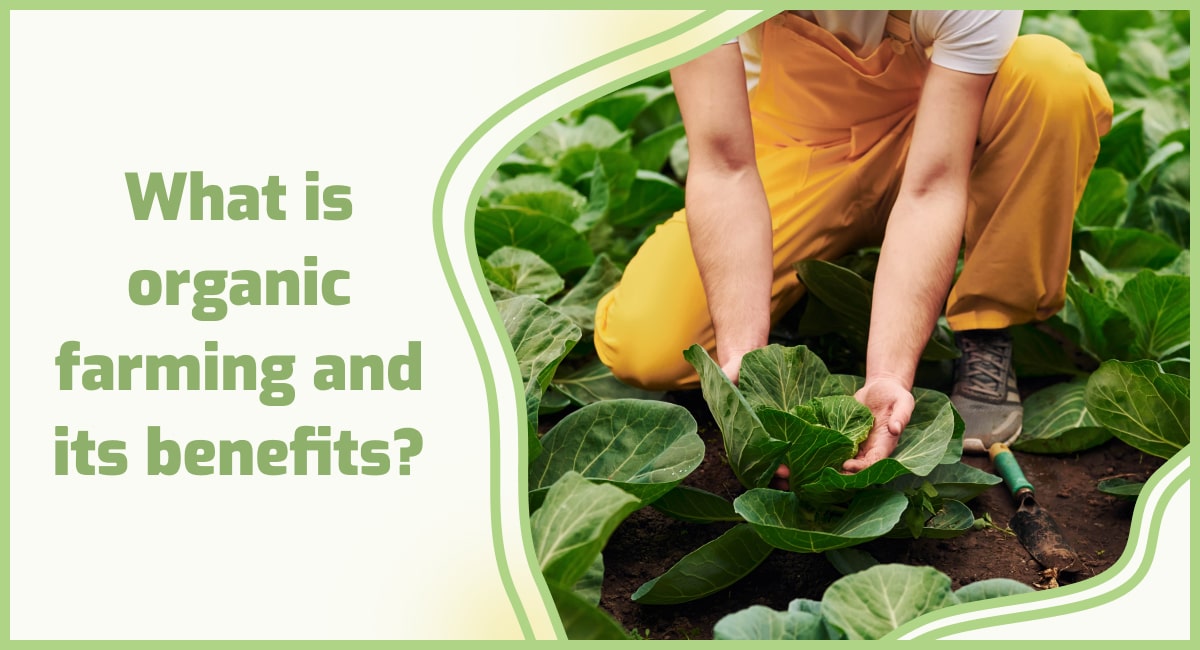
Organic farming: benefits for the environment

Organic farming is not a new form of farming since it has been practiced several years back. It is simply a form of farming whereby biological materials alongside beneficial microbes are used to provide nutrients to crops. Doing this increases sustainability. It also ensures that the soil remains alive and also healthy since organic wastes are used. They include:
  • Crop wastes
  • Animal wastes
  • Farm wastes
  • Aquatic wastes
This method of farming has been on the rise of late among several farmers across the globe. Some of the major reasons why has been embraced are that it leads to better welfare and it has less impact on the environment.

Why is organic farming better for the environment?

As earlier mentioned, several farmers around the world have adopted organic farming since its advocates for health and environmental care issues. Besides that, through organic farming, foods of higher nutritional value are produced, and also it increases food diversity. Organic agriculture also lowers harmful ingredients because only recommended substances are used. 1. Health Organic farming aims at preventing the use of harmful chemicals that leaves poisonous residues that impacts the soil negatively on several levels and affect microorganisms found in the soil, animals, and even humans. This also spreads further the common phrase in agriculture that states that when healthy soil produces healthy crops and also healthy crops leads to a sound mind in a sound body having better immunity, and also no diseases. 2. Ecology The principle of ecology in farming comprises using environmentally friendly methods such as those that foster soil quality. These are methods that prevent soil erosion, depletion, degradation or simply getting rid of those that pollute nature. 3. Fairness Fairness in organic farming calls for a good attitude to all of those who are involved in the business. These are farmers, traders, consumers, and also suppliers. It advocates for recommended working and even living conditions and supports people’s wants for an adequate supply of good quality products. 4. Care As much as innovations may prove to be more efficient, all organic farming community highly vouches for the adoption of ancient methods. These days, they choose to merge-common sense, reliable knowledge, applicable novelties, and also indigenous experience tracing back to the pre-chemical age.

Organic farming methods (practices)

The organic agriculture method needs strict compliance with the placed standards that define and also prohibit applicable techniques. Below is a list of some of the common and approved: 1. Crop Rotation Crop rotation simply means shifting from one species to another on the same land, season by season. It may also involve a fallow period within a given interval of time. When compared with monoculture farming trends, crop rotation:
  • Prevents soil erosion through different root systems.
  • Gets rid of pests and weed infestations and also chemical contaminations to handle the problems.
  • Increases yields and also lower costs involved.
  • Protects the soil from depletion since different plants increase nutrient release hence getting rid of synthetic fertilizer uses that are not allowed in organic agriculture.
2. Green Manures Combining green plants with soil increases organic matter and specifically nitrogen. Besides that, it also adds moisture levels and also increases nutrients for microorganisms leading to improved soil quality. Lastly, the above-explained method of agriculture lowers weed infestation. 3. Animal Manures This method of organic farming simply enriches the soil with natural components that are derived from animals and even both raw and composted materials. However, this method has restrictions – the materials should not have any form of synthetic additives, the soil has to be tested prior to applications, and also manures are allowed at least three months to harvest. Composted forms are also highly used or recommended because they are more compact in terms of volume and also have fewer potential pathogens and also contaminants. 4. Integrated Weed Management Heavy chemicals are not allowed in organic farming. This is the reason why weed control is done through other alternatives to integrated weed management. These are prevention, biological, cultural, and physical. They include:
  • Manual weeding
  • Preventing weed penetration onto the land using machinery, irrigation waters, and even animals
  • Haymaking before weed seeding
  • Mulching
  • Natural chemicals to prevent germination
  • Crop rotation
  • Introducing populations of insects and birds to eat weed seeds

Benefits of organic farming

Organic farming boasts of many advantages. They include: 1. Lack of harmful pesticides Several types of synthetic pesticides used in conventional farming can be harmful to both animals and humans. At times, these pesticides may end up in the air and also groundwater sources thus polluting the area around the farm. Besides that, weeds that are always exposed to pesticides begin to build resistance to the chemicals leading to a stronger variant of weeds that demands stronger chemicals to control them. In organic farming, the use of pesticides is entirely abandoned hence lowering the risk of pollution. 2. Sustainably healthy soil As opposed to organic farming, conventional farming takes away the valuable nutrients and artificially returns the nutrients back through synthetic fertilizers. This method does not encourage the growth of healthy bacteria or other decomposers that stabilizes soil health. This means that when a conventional farmer leaves his or her field to sit, the soil will struggle to regain the nutrients and this also will take a longer time. Organic farming strives to attain sustainable agriculture and promotes the existence of bacteria and decomposers leading to soils that is more sustainable. Lastly, it fights erosion in a better way as compared to synthetically treated soil. This means that the soil will take a longer time and will not be washed away by either wind or rainfall. 3. Biodiversity Organic farming strives to attain biodiversity in plants – this means that several species of plants thrive on the field during a certain year. Besides biodiversity being healthier for the soil, it also helps in controlling pest populations and makes a healthy environment for wild fauna such as deer, reptiles, rodents, birds, and other animals by ensuring a more balanced ecosystem.

What are the disadvantages of organic farming?

When compared with the pros, the cons of organic farming are seen to be fewer. Below are some of the disadvantages that you should expect: 1. High costs Even though organic farming may boast of higher profits as compared to conventional farming, organic farming’s crop rotation trends are some of the least ways to make more money. Organic farming also needs more labor hence its labor costs are higher as compared to other farming techniques. 2. Land requirements Organic farming activities need more land as compared to activities in conventional farming. This involves accommodating things such as crop rotation and even healthy livestock. 3. Hard transition periods Whenever a conventional food farm needs to receive organic certification in the US, as per the US Department of Agriculture (USDA), certifiers have to operate minus synthetic chemicals for a complete three years. This means that a farm has to commit for up to three years involving expensive conditions such as expensive labor without any kind of benefits of selling certified organic food.

Why organic farming is important

Precision agriculture, organic farming, and the environment have been closely linked in the past years. This is mainly about how precision agriculture can aid in developing the environment and even organic farming. As much as they have been closely linked for several years now, there is still no adequate data that can quantify the benefits. Why organic farming is important Precision agriculture uses all available technologies to lift sustainability by utilizing everything including land, fuel, water, pesticides, and fertilizer. Statistics have it that farmers who have adopted precision agriculture technologies are usually useless to grow more thus lowering both the environmental impacts and costs. In organic farming, the use of pesticides is entirely abandoned hence lowering the chances of potential pollution. Besides all that, organic farming strives to attain sustainable agriculture and promotes the existence of bacteria and decomposers leading to soils that are sustainable. Organic farming struggles to attain biodiversity in plants – this signifies that several species of plants thrive on the field during a certain year.

Planning rotations for the long term? The Agroclimate Explorer shows how crop suitability in your region shifts by 2030, 2050, and 2060.

Meet the GeoPard AI AssistantNEW

Reasoning AI for precision agriculture: it asks the right agronomic questions, shows its math, and builds dry-run validated prescriptions from your data. You approve every step.

Watch how the AI thinks →

How can a Data-driven Approach improve the sustainability of crop farming

It is a necessity to accomplish food sustainability and food security so that human beings can function well. And there is no way to achieve this except through sustainable crop farming. Sadly, it has become difficult to meet the demands for food due to the unavailability of resources.

Unlike in the primitive times when lands and other resources are deployed for agriculture. In recent times, most of the lands are now deployed for commercial and industrial uses. This has led to a shortage of resources for agricultural use. Apart from land, many resources like water, human, and manure have also depreciated greatly.

Improving agriculture sustainability through a data-driven approach involves automated data collection, data analytics, Artificial Intelligence, software innovation, e.t.c. Geopard Agriculture is an innovative body that focuses on collecting data on soil profiles, minerals, and properties.

Also, it uses the knowledge of weather, land topography, vegetation, executed agronomic operations, and more to improve the advancement of agriculture. It analyzes data on a large scale of land to determine its suitability for crop farming.

This information will help crop producers to calculate and manage risks, make crop farming easier, and ultimately improve crop and agricultural sustainability.

The Usefulness of GeoPard End Products

Geopard end-products including analysis of soil profile, nutrients, vegetation have helped improve the sustainability of crop farming in numerous ways. The following are the usefulness of Geopard end-products:

  • Precision Agriculture
  • Smart scouting and sampling
  • Biodiversity and ecosystem balance
  • Maps

Precision Agriculture: This is an act of predicting crop productivity. It is a way of managing crop production by noting seasonal changes, crop rotation, environment conditions, seed variability, genetics, e.t.c.

This will help farmers to know the right time to plow, plant, apply fertilizers, and harvest their crops. Making good precision is very important in crop production, and Geopard end-products make this easy.

Smart Scouting and Sampling Assist: These products help to recognize the right location where there are adequate quantities of minerals and materials needed for crop production. It makes use of sampling methods and techniques.

An important instrument for detecting locations on the map. VR application maps enable crop producers to apply the right amount of agricultural inputs at the right spots.

Rich Biodiversity and Ecosystem Balance

This is a natural or biological system of improving the environment. It doesn’t involve the use of chemicals or equipment. It creates a balanced ecosystem that reducing the effect of greenhouse gas emissions.

In conclusion, the use of data-driven methods has proven effective in ensuring crop and food sustainability. Geopard Agriculture helps to improve crop farming practices through automated data analytics, Artificial Intelligence, software innovations, e.t.c. The end products of Geopard Agriculture assist in improving the efficiency of crop production. Read the details.

What are the advantages of regenerative agriculture?

When we think of agriculture, we can only think of the romantic image of a farmer who takes care of his land with passion and dedication. Yet, as widespread as this image is, the modern reality is very different. In fact, most of the crops take place in an intensive farming regime, where the figure of the wise peasant is only a very distant memory.

Hectares of fields exploited relentlessly, extensive use of chemical fertilizers and pesticides, impoverished land, deforestation, monocultures, and high CO2 emissions, this is what is mainly happening today.

For some years now, we have witnessed an important turnaround: more and more farmers decide to abandon the dictates of intensive production, embracing regenerative agriculture instead. But what is it and, above all, what benefits of regenerative agriculture does it bring to the environment?

It is becoming an increasingly widespread and appreciated model by consumers. Unlike other techniques, it has very distant roots in time. In essence, it is an evolution – and extremization – of organic farming.

The aim is not to exploit the land; instead, the aim is to recover its fertility by combining ancient techniques and modern technologies, acting on minerals, the organic part, and microbiology, and reactivating the natural cycles.

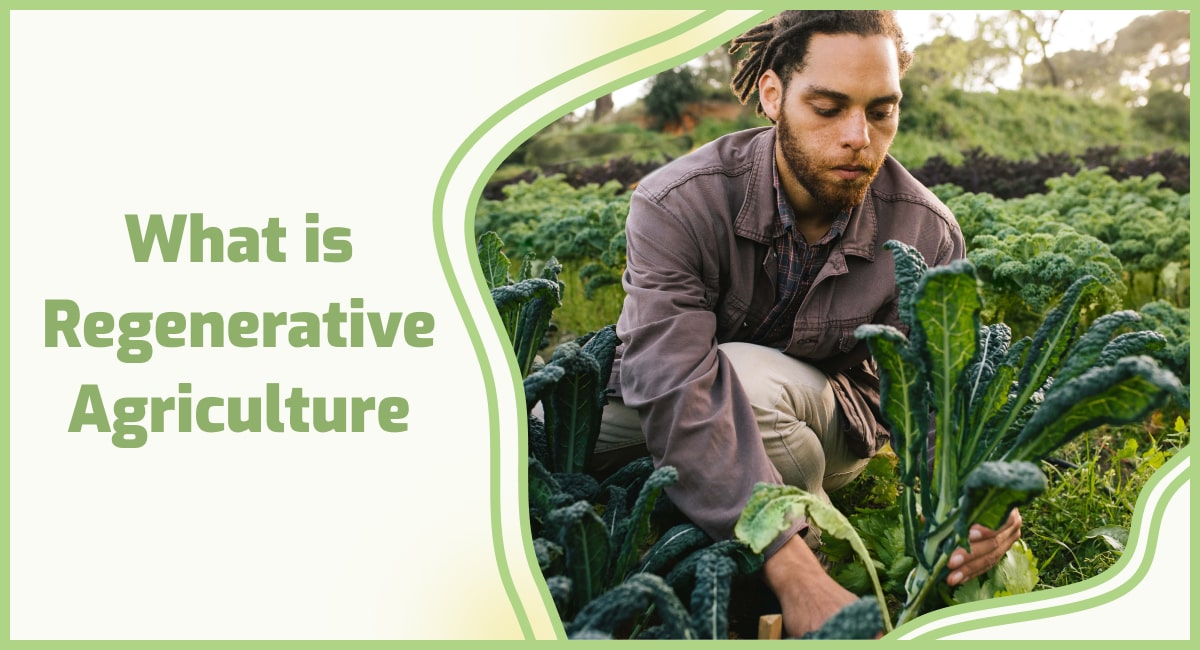
What is Regenerative Agriculture?

By regenerative agriculture, we mean a set of practices, customs, and knowledge that aim at the production of food to meet the needs of man, while trying to ensure the lowest possible environmental impact and at the same time regenerate the fertility of the soil.

It is therefore the opposite paradigm to intensive agriculture, where production is maximized even at the expense of soil fertility, with great environmental costs. The goal is to protect and enrich, rather than impoverish, natural resources.

It does not arise from a precise theorization. Although in recent years some non-governmental organizations have drawn up the principles of the so-called AOR (regenerative organic agriculture).

Rather, we are talking about a set of practices applied for decades, mostly derived from the Australian permaculture of the 70s, from organic farming and biodynamic agriculture. However, the latter is deprived of its most esoteric part.

The role of climate connection

Healthier soil means more CO2 is extracted or sequestered from the air, which is good news for the climate crisis. Soil – or at least healthy soil – contains a large number of diverse microorganisms, which work in exchange with the plants that grow in the soil.

Plants absorb carbon through photosynthesis, which they use to grow, and the excess carbon is transported to the soil, where it turns into organic matter.

This carbon feeds fungi and various microbes in the soil, which in turn supply plants with the nutrients they need. It is a perfect balance, but one that is altered by intensive conventional farming methods. By moving to a regenerative approach, some proponents argue, the sector would have to cut as many emissions as the land would be capturing more CO2.

A climate NGO that explores and promotes solutions to climate change, argues that “regenerative agriculture improves and maintains the health of the soil by restoring its carbon content, which in turn improves productivity, just the opposite of what conventional farming does.

They calculate that regenerative methods could sequester between 14.5 and 22 giga tonnes of CO2 by 2050.

However, estimates of how much CO2 could be captured through soil carbon sequestration vary among experts. The World Resources Institute (WRI) states that the feasibility of expanding it to large areas to increase climate change mitigation is still unclear, due to limited scientific knowledge.

Instead, they propose a set of 22 solutions for agriculture to tackle its emissions, classified and focused on a ” five-course menu” namely:

  • Reduce the growth in demand for agricultural products
  • Increase food production without expanding agricultural land
  • Protect and restore ecosystems
  • Increase fish supply
  • Reduce greenhouse gas emissions from agricultural production

The 4 principles of Regenerative Agriculture

As it is easy to guess, it aims to enrich the soil, the environment, and man rather than depleting the environmental and social resources connected to cultivation.

This discipline is based on four cardinal principles, summarized a few years ago by the NGO Deafal (European Delegation for Family Farming in Asia, Africa, and Latin America) within the “Charter of Principles and Values ​​of Organic and Regenerative Agriculture”.

The principles and benefits of regenerative agriculture

1. Soil regeneration

It aims to implement practices capable of increasing soil fertility. This aim is pursued through the increase of organic carbon, mineral elements, and microbiological diversity. It helps in the limitation of soil erosion and the enhancement of local specificities and cultures.

2. Regenerate biodiversity and ecosystems

For regenerative agriculture, it is important to protect biodiversity, both in the choice of crops and in avoiding environmental contamination due to the indiscriminate use of chemical fertilizers and pesticides.

Local plant and animal varieties are also respected, recovering waste and aiming for zero emissions. Efficient management of water and agro-forestry-pastoral resources is also required.

3. Regenerate the relationship between living beings

This discipline enhances not only the relationship between man and nature but also between the people themselves. It is based on respect for the dignity of individuals, on working relationships where the protection of rights is at the center, and on transparency and inclusion.

It guarantees plants treatments capable of sustaining their health over time and physiological balance. It is also necessary to respect the dignity of people and animals and to foster work and exchange relationships based on the protection of rights and transparency.

4. Regenerating knowledge

The fourth and last principle provides for the promotion of knowledge as a collective good to be acquired and transmitted in a dimension of openness and interaction with others.

The universe of regenerative agriculture is not closed, but open to anyone who wants to learn its principles and practices. One of the objectives is precisely that of transmitting the knowledge acquired so that more and more people can take advantage of it.

How to do Regenerative Agriculture? The Regenerative Farming Techniques

Given the principles of regenerative agriculture, one could mistakenly think that this discipline makes use of complex, unknown or difficult to apply practices. Whereas, it uses techniques that are familiar such as:

1. Crop rotation

Continuous cultivation of the same plant species causes the soil to lose its properties. Regenerative agriculture restores the technique of crop rotation, choosing plant varieties that can enrich the soil with the minerals consumed by previous crops.

By doing this, the organic composition of the soil is strengthened, soil erosion is limited and microbiological biodiversity is encouraged.

2. Reduced tillage

The continuous mechanical and chemical stress of the soil does nothing, over time, then limits its fertility. For this, too deep plowing, the continuous passage of cultivated fields with machinery, and the excessive eradication of spontaneously growing plants are avoided.

Thus, a better distribution of the organic substance in the soil is obtained, the remineralization of the soil and a large population of earthworms and useful insects, also for the biological control of parasites.

3. Ground cover

According to it, the soil should never remain free of vegetables. Except for the desert areas of the world, in nature, the land is always covered with herbs, plants, bushes, and trees. For this reason, the use of practices such as green manuring is encouraged, or the burying of some crops to promote soil fertility.

4. Reduction of waste

Regenerative agriculture aims to reduce waste and, above all, reduce emissions. For example, for irrigation, attempts are made to recover as much rainwater as possible. Thus, avoiding wasting water resources that are already scarce.

Any excess crops are used to feed livestock or enrich the soil, while fertilization takes place with self-produced compost or organic fertilizers recovered from farms, thus taking advantage of the circular economy.

Benefits of Regenerative Agriculture

How does the application of these sustainable practices, many of which recovered from the most ancient farming traditions benefit agronomics? Here are the benefits:

  • Restoration of soil fertility with a significant increase in the organic carbon available in the soil and its nitrogenous components.
  • Strengthening soil structures and plant roots is useful for limiting soil erosion and the likelihood of environmental disasters such as landslides.
  • Increase of local biodiversity, not only with the recovery of forgotten crops but also by promoting the spontaneous growth of local species, favoring wild animal life, and excluding imported species that could damage ecosystems.
  • Elimination of chemical contamination of the soil, groundwater, and air, due to the elimination of chemical fertilizers and pesticides. Quality of the cultivated varieties, with healthier and tastier fruit and vegetables, thanks to more fertile soil and optimal growth conditions.
  • Reduction of water waste and polluting greenhouse gas emissions.
  • Enhancement of the local workforce, with a virtuous economy that benefits from regenerative agriculture not only farmers but the community as a whole.

1. Soil management

It’s an integrated approach to evaluating soil quality that examines beyond the purely chemical composition and also looks at rooting, soil life, and soil structure as a whole. Below are proven soil analytics techniques that can be provided by GeoPard.

2. Soil chemical analysis

The chemical analysis of soil reveals the number of basic nutrients available for plant intakes such as nitrogen, sulfur, and potassium phosphorus. By doing the chemical analysis of your soil, It is easier to know the volume of fertilizers needed to obtain high yield and profitability. Likewise, it forecasts the amount of expected increase in yields.

3. Delineate management zones

Since soil varies in time and space, the allocation of nutrients to crops also varies in amount and timing. Therefore, by mapping out each farm zone, you can spatially distribute nutrients and fertilizers to the areas needed using statistically generated data.

4. Plan your soil sampling points

To avoid fertilizer wastages and proper management of regenerative farm resources, it is essential to do soil sampling. Soil sampling is a technique of selecting or taking soil samples to experiment using appropriate statistical strategies and making decisions regarding the whole population.

The authenticity of the decision made from the generated results depends on the sample test results which also rely on the quality of the sample. In short, a good sample representative provides reliable results though it consumes time and effort to obtain a good sample.

5. Easy-readable heatmap visualization

After analyzing the last few years of satellite imagery of your fields to delineate maps of potential yield, this map reveals the areas of high and low potential in your field soil map. Then we collect soil samples from your fields using our state-of-the-art digital soil testing device to produce soil maps.

6. VRA fertilization

Variable Rate Application Map
Combining these maps and our agricultural expertise, we decide on rates and deliver suitable VRA maps for your machinery. We recommend higher nitrogen rates to high potential sites derived from satellite imagery and soil analysis.

Conclusions

Regenerative agriculture, as seen, aims to act actively on the soil, on people’s health, and on the environmental, economic, and social sustainability of production. Choosing products from it means bringing to the table not only dishes of the highest quality, but also eating with little burden on the planet.


Frequently Asked Questions


1. What resources do farmers need to make regenerative agriculture feasible?

To make it feasible, farmers require several key resources. Firstly, they need access to education and training programs that provide knowledge and guidance on regenerative practices.

Additionally, farmers need financial resources to invest in new equipment, infrastructure, and resources for implementing regenerative techniques. Access to diverse and resilient seed varieties, as well as organic fertilizers and soil amendments, is also crucial.

Lastly, farmers benefit from supportive policies, incentives, and market opportunities that recognize and reward the environmental and social benefits of regenerative agriculture.

2. Does regenerative agriculture use pesticides?

It aims to minimize or eliminate the use of synthetic pesticides and chemical inputs. Instead, it focuses on promoting natural pest control methods and enhancing the overall health of the ecosystem.

What is smart farming technology and what can it do for the environment?

Technological advancement has always been the primary driver of growth in agricultural output and development. Historically, technologies have been selected and implemented to increase farm income. Long-term impacts of agriculture, R&D, education training, and policy guidance have all influenced technology choices and farming methods.

Agriculture is increasingly impacted by environmental, food safety and quality, and animal welfare standards. New problems include rising food consumption, international competitiveness, and the production of high-quality agricultural products.

Simultaneously, it must achieve sustainability goals such as enhanced ecology, further economic liberalization, and compliance with international environmental agreements.

What is smart farming technology and what it can do for the environment?

It is the goal of technology in smart farming to double agricultural output while slashing input expenses by half. As a result, it refers to a farming approach that makes extensive use of data collecting and analysis. This strategy’s objective is to increase manufacturing output while simultaneously being environmentally friendly.

GPS farming, for example, is fundamental to smart farming agriculture. With the installation of autonomous harvesters and other agricultural machinery, such as tractors, the emphasis shifts to an all-encompassing approach that emphasizes not just spatial precision but also the most advanced crop treatment technology.

How much fertilizer to apply and when to apply it, the precise area to treat, and the resources required for plant protection are just a few of the typical challenges addressed by smart farming technologies.

Agriculture faces several information challenges. To effectively monitor the growth of small-plot farmers, any monitoring system must integrate a large variety of geographical and temporal indicators. To achieve the optimum results from it, an enormous amount of data must be collected.

How Smart Farming Technology Helps to Improve the Ecology

Eco-friendly smart farming technology helps reduce agricultural pollution. Using less fertilizer and herbicides reduces leaching and greenhouse gas emissions. Sensor networks can enable near-constant agricultural monitoring with today’s ICT. Agricultural inputs including water, fertilizer, and medications can be linked to plant, animal, and soil conditions.

Good farming methods may increase profits. Resources are saved, and hazards are averted by improving spatially explicit data dependability.

Access to optimum site-specific weather predictions, yield projections, disease, and disaster probability maps will boost crop yields. Meteorological and climate data are used to forecast illnesses and calamities.

Farmers, processors, and retailers in both developing and established countries can benefit from site-specific data. Using automated sensors to collect all farming data saves time on administrative tasks and resource allocation.

It may also enhance customer acceptance. Theory can increase product quality (for example, by increasing the number of antioxidants and other secondary metabolites in the product).

Smart agricultural technologies may enable a coordinated effort to break free of polarizing and segmenting technologies and practices. in high-yielding orchards; or milk produced by livestock fed appropriately).

Healthier options may also attract a higher market price, which is critical for land-use efficiency. Transparency in production and processing will improve as ICT allows tracking of farms and conditions. So new forms of farmer-buyer engagement are possible.

Top 5 sustainable and eco-friendly farming practices

In recent years, public awareness of the environmental damage caused by large-scale agriculture has grown. Numerous destructive farming techniques contribute to this. As a result, agricultural innovations, such as ecologically friendly farming techniques, should be implemented.

sustainable and eco-friendly farming practices for smart farming technology
Five ecologically friendly agriculture ideas that will assist you in achieving long-term success are listed below.

1. Aquaponics & Hydroponics in smart farming technology

Aquaponics & Hydroponics is a method of farming that completely relies on natural pest management and biological fertilizers to grow crops without the use of chemicals or pesticides. This strategy optimizes the energy and nutrient cycles in the agricultural ecosystem.

Fertilization enhances the soil’s organic carbon content, resulting in a significant rise in CO2 emissions into the atmosphere.

Farmers will benefit from Aquaponics & Hydroponics ideas by reducing nitrous oxide and methane emissions from the land. That is why, over time, this strategy benefits to water, nearby species, land, the environment, and farmers.

2. Permaculture

Technological advancement has always been the primary driver of growth in agricultural output and development. Historically, technologies have been selected and implemented to increase farm income. Long-term impacts of agriculture, R&D, education training, and policy guidance have all influenced technology choices and farming methods.

Permaculture is the establishment of self-sustaining agricultural ecosystems. Based on crop diversity, resilience, natural production, and land sustainability, this farming method creates synergetic agricultural systems.

However, since the early 1980s, permaculture has evolved into a holistic concept that goes far beyond agriculture. Permaculture is a global ethical technique for building interconnected systems based on the notion of sustainable development. Natural ecosystems are vital to human activity.

3. Using Renewable Energy Resources

Agriculture and food production is estimated to account for 35% of total GHG emissions. As a result, agricultural equipment should be powered by solar, hydro, and wind farms.

Solar panels are used to power pumps and heating systems in this manner. Farmers can also power farming equipment with hydroelectricity generated by a nearby river. Farmers should conduct an online comparison of energy rates to determine the most cost-effective alternative energy sources.

4. Crop Rotation & Polycultures

Crop rotation is a technique used in agriculture that entails cultivating a variety of crops on the same field throughout several seasons. This method can help reduce the likelihood of plant and vegetable diseases.

Additionally, this strategy decreases the number of herbicides and chemical fertilizers required to be considered environmentally benign.

5. Trees Can Increase Crop Yields

Finally, but certainly not least, is the use of agroforestry technology, which comprises planting woody perennials on the same land used for agricultural production.

Due to the approach’s emphasis on maximizing available land, it is exceptionally productive and long-lasting. This plan will generate considerable economic rewards while also being beneficial to health and the environment.

To Sum Up

With smart farming technology, more coordinated transitions away from controversial technologies and practices are conceivable. Agriculture’s long-term survival is dependent on technology, crop, and livestock production system diversity, and networks across all agricultural and food service providers.

With a single legislative strategy, it is difficult to accomplish ethical ICT use. Rather than that, the objective is to identify the most significant impediments to or hazards to the long-term application of technology in developed and developing countries alike.

Agriculture is critical in the fight against climate change and its adverse repercussions. Increased agricultural sustainability can contribute to both increased food production capacity and environmental protection.

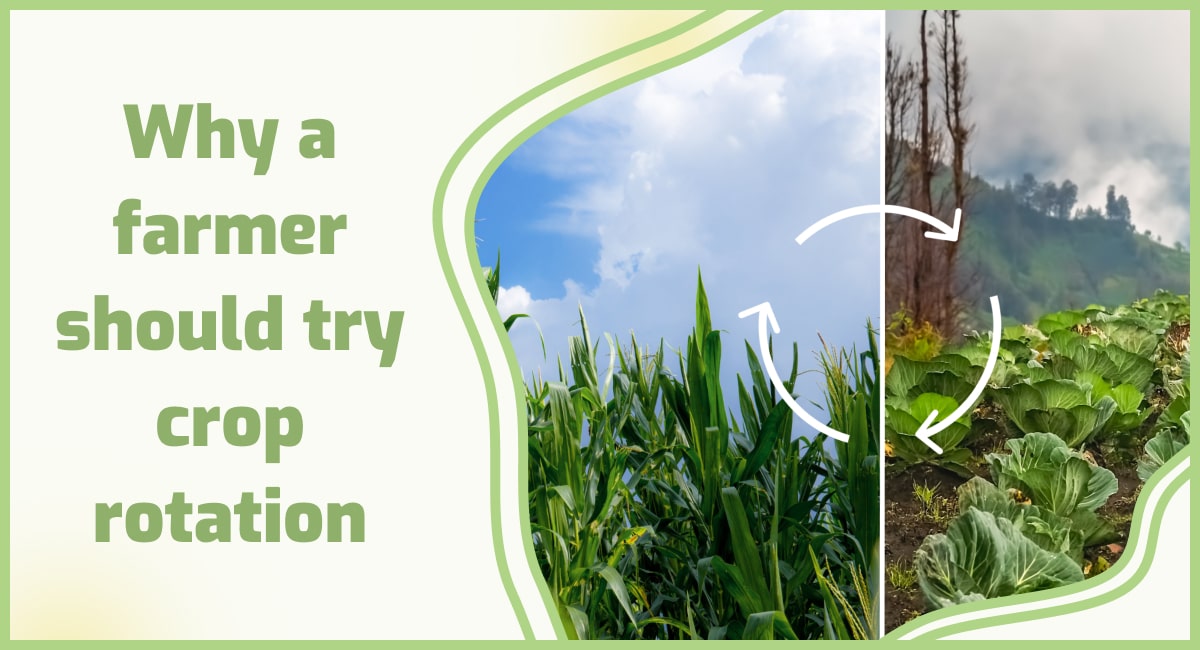
What are the advantages of crop rotation?

Crop rotation is a critical element of all production systems as it supports the main mechanisms for creating high-quality soils, successful pest control, and many other useful things on which the final yield and the quality of the product depend.

What is crop rotation? Is it effective?

Crop rotation is a farming practice that involves systematically changing the type of crops grown in a specific field over different seasons or years. It helps improve soil health, reduce pest and disease pressure, and optimize crop yields.

By alternating different crop species, the nutrients utilized by one crop can be replenished by the next, preventing nutrient depletion and promoting a balanced nutrient cycle. Additionally, it disrupts the life cycles of pests and diseases, reducing their population and minimizing the need for chemical interventions.

Creating a good plan for the rotation of the crops during the growing seasons requires long-term strategic design and a clearly defined goal. Without such planning, serious problems can occur such as overpopulation of specific soil microbes that adversely affect a particular crop or imbalance of soil nutrients.

Most crop growers focus on two things when they do plan which are improved yield (quality or quantity) for greater profit and improved soil quality.

It in the narrow sense of the word is a pre-planned shift (rotation) of crops, both temporally and spatially.

In a broader sense, crop rotation forms the basis of crop production, it integrates the relations between the production processes and the needs of specific crops, cultivation, fertilization, and protection of the planned crops. Thus, it represents an approach to the utilization of the growing potential of the arable lands.

The basics of the crop rotation are:

• involvement of specific crops.
• division of arable areas in the crop rotation.
• the actual rotation of the crops in time and area.
• soil rest.

What is the purpose of crop rotation?

The intention of doing crop rotation is to sustainably utilize the soil nutrients in providing enough time for the soil to recuperate and directly be involved in that recuperation by planting specific crops that have different nutrient requirements.

With the implementation of this approach of rotating the crops during the growing seasons, the farmers are affected by different natural processes that can occur in the agricultural environment.

These processes can range from one of the most valuable processes in agriculture such as nitrogen fixation by the symbiosis of legumes and nitrogen-fixing microorganisms up to changing the physical structure of the soil by planting deep-rooted or tuberous crops.

This ability to affect the natural processes with proper informed planning of crops that are going to be cultivated in the next years and on which agricultural plots, gives the farmers an advantage on the market and potential for greater profits.

The mentioned advantages of crop rotation consist of the following benefits from the implementation:

  • Lower costs for agricultural inputs (pesticides, fertilizers, irrigation)
  • Minimizing disease and pest pressures across the agricultural plots
  • Improvement of agrobiodiversity
  • Improvement of soil quality
  • Improvement in the yield quality and quantity.

The principles of crop rotation

The principles of crop rotation

Each individual agricultural plot has its unique properties, as well as each agricultural enterprise. Based on the potential of the land and the potential of the farmers, each rotation is specific to that agricultural production system.

Despite its specificness, there are some basic models that can be alternated based on the farmers’ requirements, environmental conditions, financial plans, etc.

The main models can be in the form of three-year, seven-year crop rotation schemes or in other formats depending on the requirements of the farmer or the needs of nature and the soil itself.

The wheat-soybean-corn is one of the most widely used crops in organic production worldwide. Soybean as a crop capable of nitrogen fixation is one of the main sources of available nitrogen for the following crop.

The wheat and the corn as the main cash crop can utilize the nitrogen from the soybean and improve their yields. From another perspective these three crops are generally different from each other, meaning that they have different requirements and different issues regarding their production.

Additionally, by including potatoes in this classic crop rotation, as a crop that has a high added value and has a beneficial effect on the soil, producers will have the potential for higher earnings and at the same time will have a conservation effect on agro-biodiversity.

What are the advantages of crop rotation?

1. Minimizing disease and pest pressures across the agricultural plots

With monocultures or monocropping, there is a potential for increasing the presence of microorganisms and pests that are hosts to the specific crop that is grown.

With it, the usual hosts can no longer be that much active or even unsuitable for thriving in conditions that the following crop is making.

2. Improvement of agrobiodiversity and soil quality

It is a proven method for improving soil quality, thus creating an environment suitable for different saprophytic microorganisms, invertebrates, and other kinds of living things.

Their metabolic processes during their lifetime are contributing to increasing the soil organic content and water retention capacity allowing different types of plants to prosper on that particular agricultural plot.

3. Improvement in the yield quality and quantity

If the soil has enough of every kind of nutrient needed for proper crop growth, achieving potentially high yields is realistic. Additionally, it also is a very helpful mechanism in mitigating the negative effects of climate change, thus allowing the producers to obtain those yields.

4. Lower costs for agricultural inputs (pesticides, fertilizers, irrigation)

With the implementation of proper crop rotation and having all the above-mentioned benefits, the producers can have lower costs for agricultural inputs. Less disease and pest pressure mean less-used pesticides.

Improvement of soil nutrient content means fewer fertilizers input. Having a constant crop cover and improvement in soil structure means less irrigation.

Although if executed properly there are no real shortcomings of crop rotation, but rather potential risks that can fail the production season with or without implementing such an approach. These risks include bad weather conditions and crop production management.

The only real disadvantage of it is in areas where there is a high suitability for growing a specific crop and there is an obligatory crop diversification law.


Frequently Asked Questions


1. How to rotate crops?

It involves the systematic change of crops in a specific field over seasons or years. To implement crop rotation, start by identifying suitable crop options for your region and considering factors like soil type, climate, and market demand.

Plan a sequence of different crops, ensuring they have distinct nutrient requirements and growth habits. Rotate crops by planting them in designated areas or plots according to the planned sequence, following the recommended planting and harvesting schedules.

Regularly monitor the results and make adjustments based on the specific needs and goals of your farm.

2. What to plant after potatoes rotation?

After growing potatoes, it is beneficial to follow with crops that have different nutrient requirements and help break disease cycles. Legumes like beans or peas are excellent choices as they fix nitrogen in the soil, improving its fertility for future crops.

Leafy greens such as lettuce or spinach can also be suitable options, providing a quick turnaround and contributing organic matter to the soil. Additionally, brassicas like cabbage or broccoli help control pests and diseases commonly associated with potatoes.

Consider local climate and market demand when deciding on the specific crop to plant after potatoes.

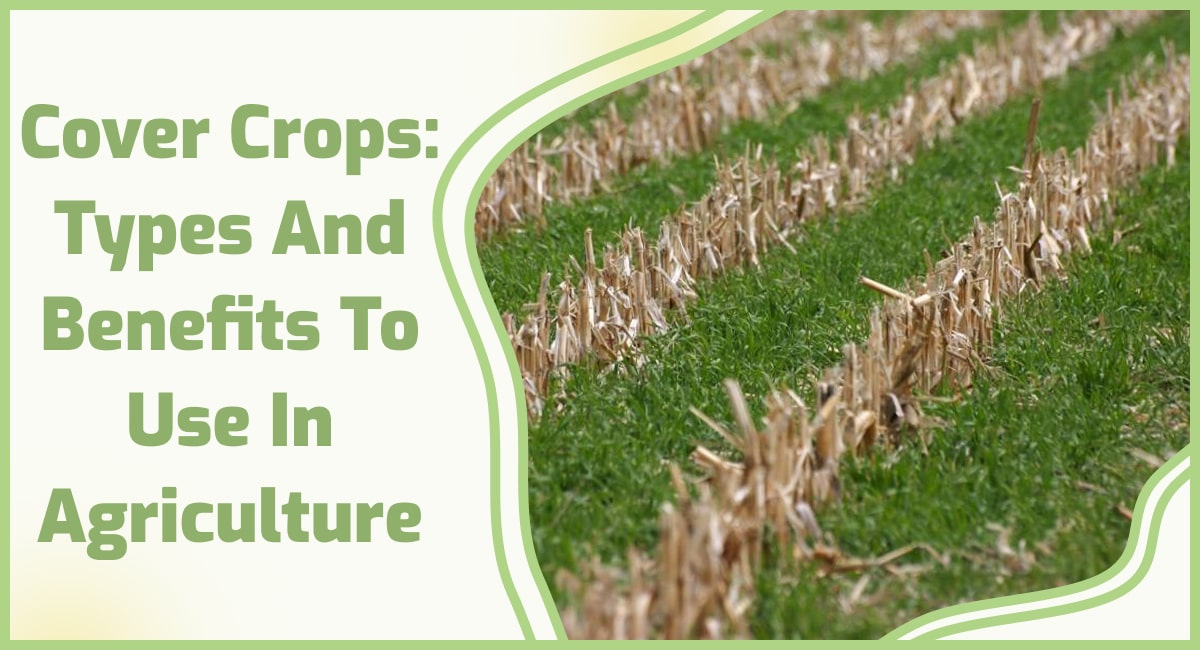
Types and benefits of cover crops

Cover crops, like the name suggests, are planted for the main purpose of covering the soil when it is barren between the growing seasons. They differ from cash crops since cash crops are grown to be either consumed or sold for profit.

What are cover crops or cropping?

Cover crops are an integral part of a successful and sustainable farming practice with its wide array of benefits ranging from preventing soil-erosion, the addition of vital nutrients back into the soil, soil-microbes decomposition, increasing the yield of the main crop, or in some cases, to add as a supplement to the yield.

Which Type of cover crops to plant?
Their importance is increasingly being realized in conservational farming techniques where it is being integrated with no-tillage practices. However, it is very important to understand the concept of cover crops and species selection properly to make full use of this practice.

Which Type of cover crops to plant?

There are several things that you need to keep in mind before deciding on the type of cover crop to plant. Some of the things to consider include:

  • The duration for which you intend to keep the cover.
  • The intended killing method of the cover-crop after the cover duration.
  • Season of plantation – winter or summer season.
  • The food or cash crop you’ll be growing after the cover crop.

After carefully identifying the objectives of adding a it in your crop rotation, you’ll then have a much clearer picture of the type as well as the specific cover crop that best fits your needs. The major types of cover crops you may choose are legumes, non-legumes, or a mix of all.

1. Legumes: Some of the common ones are peas, clovers, and vetch and their varieties. Legume are specifically used to increase the amount of nitrogen and nitrates in your soil. This helps to reduce the need for nitrogen-fertilizers later on in the food crops.

2. Non-legumes: Grasses are widely used in the non-legume category along with cereals. Non-legumes serve a different purpose to that of legume in that they help to trap and retain the nutrients for the duration of the cover period while also providing physical integrity to the soil and reducing the effects of weeds. Moreover, when they are killed and laid out, the organic-matter content of the soil significantly increases.

3. Mixes: For serious farm-owners or small gardeners who wish to exploit all the good aspects of both types of cover crops, mixes of different types may be the best option but it requires more cost and labor.

Benefits of cover crops

Cover-crop holds the potential of drastically increasing the productive potential of land either by enriching the fertility of the soil or by preventing it from degradation. Some of the benefits of cover crops include:

1. Preventing soil from being eroded: Since they are called so because they cover the land when no other vegetation is present, the primary benefit of cover-crops is that in doing so, the soil is prevented from eroded due to the impacts of rainfall splash, flowing water or wind.

2. Maintenance of soil fertility: Cover-cropshelp maintain the soil fertility in several ways including acting as manure after the cover cycle, retaining the nutrients by preventing erosion and in the case of legumes, directly adding nitrates into the soil.

3. Management of weed, disease and pests: If lands are left barren during the fallow period, then there are high chances of weed invasion which will deplete the soil of its production potential.

Even after being cut down and left on the land, cover crops form a protective layer above the soil which suppresses the invasion of weeds.

Similarly, they are effective in the management of bacterial and fungal diseases by blocking the disease cycle. Finally, using them to manage pests is mainly done by incorporating cover crop plants in the same time of plantation as that of food crops to attract pests towards the it and away from food crops.

4. Water regime management: Their addition in your crop rotation helps to manage the soil moisture level throughout the year and helps to deal effectively with the unusual trend of rainfall and temperature levels observed throughout the world.

Besides these primary benefits, they are also advantageous from an economic point of view since many of the them like mustard also have a good commercial value.

Risks of planting cover crops

Since now we have established that they are great ways of managing your farmland for increased yield, we must also learn about the potential risks as well as drawbacks of cover crops.

The major drawback of a cover crop is that it adds costs to the entire operations. Moreover, the costs are usually made initially while the benefits are only accrued over a long period.

While cover-crops help to manage disease and pests, the opposite might also occur. They may further exacerbate the invasion and effect of diseases and pests if not applied correctly with the crop rotation time and the incorrect choice of species.

For example, if a cover-crop plant is a host for a disease, it may act as a carrier of the disease which it transfers later to the food crop. Finally, some cover crops are also known to cause harmful allelopathic effects by the release of biochemicals to the cash crops.

Summary

Cover crops are effective means of achieving the desired outcome of sustainable and organic farmland management and crop production. But, proper research and understanding are required before making a decision on the type, method, and time of cover-crop addition to the crop cycle to make sure that the benefits outweigh the costs while also minimizing the associated risks.


Frequently Asked Questions


1. What are some examples of cover crops?

Some common examples include legumes like clover and alfalfa, which fix nitrogen in the soil, enhancing its fertility.

Grasses such as rye and oats help prevent erosion and suppress weed growth. Additionally, radishes and turnips are also used to break up compacted soil and improve its structure.

2. How do cover crops work? 

They work by protecting the soil from erosion, improving fertility, enhancing soil structure, and suppressing weeds. They act as a physical cover, prevent compaction, retain water, fix nitrogen, and compete with weeds.

In short, they promote sustainable agriculture by improving soil health and supporting higher crop productivity.

3. What is an example of cover crops that can prevent erosion? How do they prevent soil erosion?

An example of it that can effectively prevent erosion is winter rye. Winter rye is a fast-growing grass that forms a dense cover on the soil surface, protecting it from the erosive forces of wind and water.

Its extensive root system helps bind the soil particles together, reducing the risk of erosion. By planting winter rye as a cover crop, farmers can effectively safeguard their soil and prevent the loss of valuable topsoil due to erosion.

4. Is grass a cover crop?

Yes, grass can be considered a cover crop. Certain grass species, such as annual ryegrass or oats, are commonly used as cover crops.

5. Difference between cash crops and plantation crop?

The main difference between cash crops and plantation crops lies in their purpose and cultivation methods. Cash crops refer to crops that are grown specifically for sale and profit, such as wheat, corn, or cotton. They are typically cultivated on smaller farms and involve annual planting and harvesting.

On the other hand, plantation crops are large-scale, perennial crops grown on plantations, often in tropical or subtropical regions. Examples include rubber, tea, or coffee. Plantation crops are cultivated for long-term production, require specialized management, and often involve extensive labor and capital investment.

6. How can crop rotation prevent soil erosion?

Crop rotation can effectively prevent soil erosion through several mechanisms. Firstly, by alternating the types of crops grown in a field over time, crop rotation helps break the cycle of pests and diseases that may be specific to certain crops, reducing the need for chemical pesticides and protecting soil health.

Secondly, different crops have varying root systems, some of which are more effective at holding the soil together, reducing the risk of erosion. Additionally, crop rotation allows for the inclusion of cover crops, which provide a protective layer to the soil, preventing erosion caused by wind and water.

Lastly, crop rotation can enhance soil fertility by diversifying nutrient demands, minimizing nutrient depletion and improving overall soil structure, further reducing the likelihood of erosion.

Indoor vertical farming: pros and cons

The need for a better system of farming is increasing by the day. The world population keeps growing and is expected to continue to increase in the future; the system of farming catering for the feeding needs of the world as of today is gradually declining.

This is a result of several factors, with land being the chief. The projected increase in population also requires land for housing the growing population. Since almost everyone wants to live in the city, the land available for farming might not be enough for cultivation.

This, therefore, requires an alternative means to increase agricultural production to cater to global consumption. With limited land space, specific farming systems where crops are not planted into the soil but on the vertical stack in a controlled environment might solve the problem above.

This system of farming is known as indoor vertical farming. In the future, we’ll be discussing indoor vertical farming as a possible means for global consumption.

Indoor vertical farming: pros and cons

Ever wondered why books are arranged in a vertical stack in libraries? It ensures that many readers are set to occupy the limited spaces possible. Indoor agriculture utilizes this pattern to ensure numerous crops are planted on small pieces of land.

Vertical farming is a method of farming where plants are cultivated and stacked vertically in a controlled environment. It allows for increased yield per piece of land. This farming system is carried out indoors, in rooftops, warehouses, supermarkets, skyscrapers, etc. This ensures that the plants are not exposed to harsh weather conditions.

What is Controlled Environment Agriculture (CEA)

Control environment agriculture, this agricultural system allows crops to be grown in a controlled environment designed to maximize the growth of the produce grown in it. Each crop within the farm is planted to ensure it receives the required nutrient, temperature, and humidity best suitable for the maximum yield of the crop.

Crops are grown above each other to increase yield per acre. Growing crops in this manner on a piece of land produces approximately ten times what is obtainable in traditional farming, where plants are grown horizontally in rows.

There are three types of control environments which include the hydroponic, aquaponic, and aeroponic. In a hydroponic environment, plants are grown in a nutrient-containing solution to support their growth. The first usage of this farming technique was about centuries ago.

The need for indoor vertical farming

The need for indoor vertical farming

1. Lost fertile land

Aside from a large amount of land lost to housing for the ever-growing world population, the system of farming, as well as the continuous farming using the same available land, has rendered it infertile, making it not suitable for farming.

Since vertical farming is a soilless method of planting, the fertility of the soil does not affect the system’s productivity.

Also, steep and sloppy land that will affect the cultivation of plants in traditional farming poses no issue in vertical farming since the crops are not cultivated horizontally on the soil but in an upward arrangement.

2. Manage the use of water

Since plants are grown in a controlled environment, the need for water is reduced to the barest minimum. Indoor vertical farming preserves about 95% of the water required for traditional farming systems since water is recycled in the system. This reduces the amount of water used on the farm and the overall cost of production.

3. Avoid extreme weather

Plants grown in a controlled environment are protected from harsh weather conditions such as drought, erosion, flood, etc. The plants are cultivated in a designed environment required for plant growth.

Plants in this system are not affected by weather variations such as sun or water since they are grown in-door and have been adequately prepared to ensure increased productivity.

4. Preserving food

Crops are planted and transported to supermarkets across a long distance, either by air or road. These crops are kept in the refrigerator to preserve them. The carbon dioxide emissions in the process affect the nutritional value of the yield and the taste.

It ensures that fresh farm produces obtained within minutes of harvest are available for purchase and consumption; these are packed with nutrients and great flavor.

5. Pesticides

Crops are grown using vertical crop growing to eliminate pesticides on the farm. Since plants are cultivated indoors in a controlled environment, where pests and rodents are not welcomed, there is no need for the use of pesticides, thereby reducing the amount spent on pesticides as well as preventing water pollution caused by pesticides during erosion.

The crops produced are also free of pesticides and chemicals that affect the crop during harvest. These ensure that crops harvested are safe for consumption without the effect of pesticides.

6. Year-round crop availability

With a vertical farming system, crops are made available to consumers throughout the year since plants are grown in an effort n to the climate designed to increase yield. Crops are therefore not limited to a particular season and can be grown throughout the year.

This, thus, ensures that all crops are available for consumption all year round. Waiting for a certain period to get a particular crop type becomes Impossible.

Disadvantages of indoor vertical farming

Disadvantages of indoor vertical farming or Controlled Environment Agriculture

The numerous excellent advantages of vertical farming do not come without their fair share of disadvantages which include:

1. Vertical farming is expensive

The cost of setting a controlled environment for growing crops is exorbitant compared to traditional farming, which requires little money.

Setting up a vertical farm requires a considerable amount of money to set up the system, unlike conventional agriculture, where getting seeds and space to plant is enough to kick off your journey in agriculture. Starting vertical agriculture will require a substantial amount to set the plan in motion.

2. It requires special operation techniques

Since plants are grown in a controlled environment with no exposure to sunlight and rain, managing the plant using an artificial source of light, water, and nutrient conditioned for each plant requires the service of an expert to make the operation successful.

The traditional farming system is done by everyone, even behind the home in the garden. With little or no knowledge at all, you can begin planting. In vertical agriculture, you want to ensure you are equipped with knowledge for the successful running of the farm

3. Pollination becomes difficult

Indoor vertical farming reduces the chances of pollination of flowers necessary for producing fruits in plants. Since the natural setting has been disturbed, the pollination of plants by insects is affected because plants are cultivated indoors.

Without pollination, it becomes impossible for the production of fruits in plants. For pollination to occur, artificial support of the system will be required.

4. Overdependence on technology

The system is run heavily by technology to provide sunlight, humidity, water, and nutrients needed for growth. The system’s dependence on technology is responsible for the low labor used in the system.

Any hindrance to this system, such as power failure or break, can affect the smooth running of the system. This can result in partial or total disruption of the system.

Controlled Environment Agriculture can solve the need of food

Can vertical farming solve the proposed world’s agricultural product needs? Planting crops in layers above one another in a controlled environment ensures that large numbers of plants are grown in small spaces.

With the advantages above and disadvantages, combining both farming systems might be necessary to feed the growing world’s population.

Vertical farming is expensive, but it helps manage the available land to yield high productivity, and traditional agriculture or horizontal farming is affordable. Both can be adopted together to cater to the feeding of the world’s population.

Some farms such as breweries have already started utilizing the vertical growing system and enjoying the perks of productivity and fresh fruit that comes with growing plants in a controlled environment.


Frequently Asked Questions


1. Are indoor vertical farms the future of agriculture? What problem does it solve?

Indoor vertical farms have the potential to play a significant role in the future of agriculture. With their efficient use of space, controlled environment, and year-round production capabilities, they can address challenges such as limited arable land and climate change impacts.

Vertical farms offer advantages like reduced water usage, fewer pesticides, and shorter supply chains. However, the scalability, cost-effectiveness, and energy requirements of indoor vertical farming still need further development and optimization.

While they hold promise, a combination of different farming methods is likely to shape the future of sustainable agriculture.

2. Do vertical farms use soil?

No, vertical farms typically do not use soil for growing plants. Instead, they use alternative methods such as hydroponics, aeroponics, or aquaponics. Hydroponics involves growing plants in a nutrient-rich water solution, while aeroponics involves suspending plant roots in the air and misting them with nutrient-rich water.

Aquaponics combines hydroponics with aquaculture, where plants grow in water enriched by fish waste. These soil-less techniques allow for precise control of nutrient delivery, water usage, and plant growth, making it efficient and space-saving.

3. What is horizontal farming?

Horizontal farming is not a widely recognized term in the field of agriculture. However, if we consider it in the context of traditional farming practices, it generally refers to the conventional method of farming where crops are grown in horizontal fields or plots of land.

It involves the use of soil, natural sunlight, and traditional farming techniques like tilling, planting, and harvesting.

Horizontal farming is the conventional approach that has been practiced for centuries and is still widely used today, although newer methods like vertical farming are gaining popularity.

What is the purpose of strip cropping

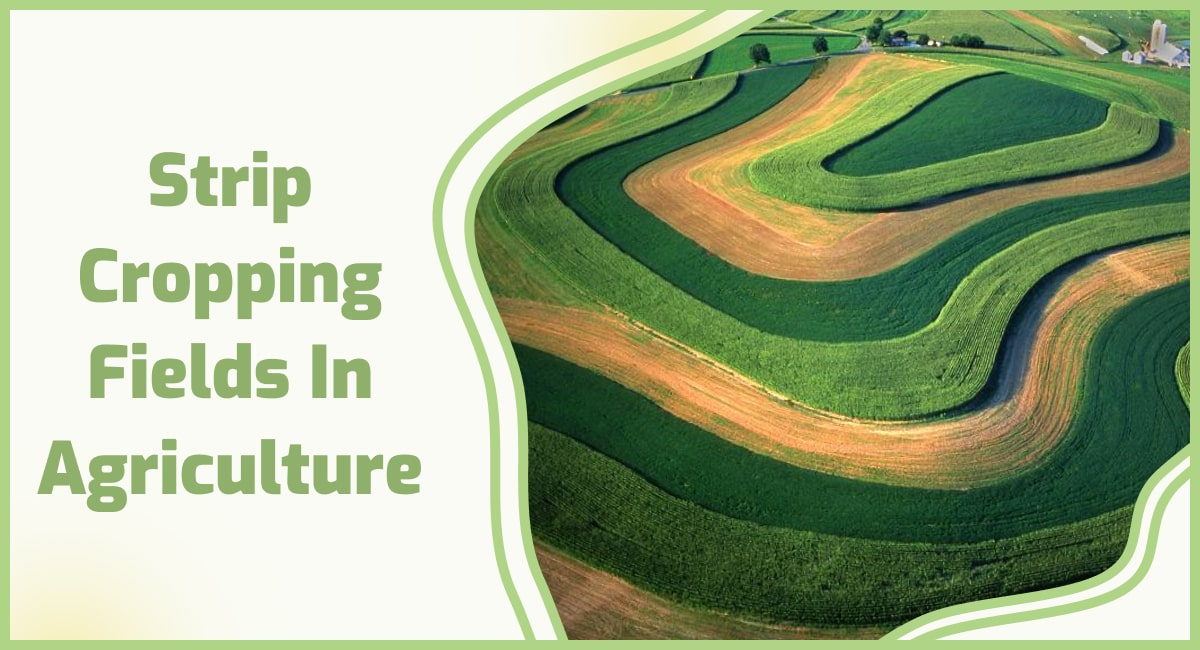
There are lots of factors responsible for the productivity of crops in agriculture. Factors such as land can not be overlooked. The size and topography (structure) of the land play a great role in the yield and farming method to employ that will yield the highest productivity. Strip cropping is the most desirable method to achieve increased productivity on sloppy land as well as to protect the soil from erosion.

Purpose of strip cropping

The growing of crops in strips is known as strip cropping. Strip cropping is a method of farming that involves the alternation of close strip crops such as cotton, corn, sugar beets, soybeans, etc with small grains such as millet, wheat, or hay. It is usually employed on sloppy land and also where this method remains the only available solution to prevent erosion.

It helps preserve the fertility of the soil by forming a water dam in between the strips; therefore, nutrients that would have been lost due to runoff are otherwise retained in the dam. Some plant parts absorb more nutrients and minerals than other parts.

During erosion, when water reaches the soil with low minerals which constitutes the strength of the soil, it, therefore, washes the topsoil away, stripping it of the little available nutrients. This is otherwise avoided by the strip of soil which reduces the pressure of the water making it difficult to wash the soil away; thereby, maintaining the soil fertility.

Aside from improving soil fertility, field strip cropping reduces soil erosion. Due to the strip of soil in between the crops, erosion of wind and water is prevented, since the strip serves as a break in the movement of both water and wind.

It also enhances water infiltration by allowing the soil to absorb a large amount of water which forms a dam in the strip. Thereby, improving the growth of the crop.
Other benefits of strip farming include; retaining soil moisture, fixing nitrogen into the soil, controlling pests, attracting pollinators, etc.

Types of strip cropping

There are several types of strip cropping employed on the soil and they are primarily based on the soil topography and the type of erosion to be controlled.

1. Wind strip cropping

This type is usually adopted on land that is leveled or almost leveled and is prone to wind erosion. The strip crops are grown at a right angle to the wind direction, irrespective of the contour.

This system is aimed at preventing wind erosion which is why the contour which is a major factor in water erosion is not considered.

2. Contour strip cropping

It is recommended on plain land across a slope, it is employed to prevent runoff (the movement of water on the soil surface) which leads to loss of soil fertility. Studies show that combining it with terracing results in the conservation of water and soil.

The size of the strip is determined by the topography of the land. Plants are cultivated in strips at a right angle to the direction of the land slope along the contour. The crops are grown in a rotational sequence.

This is to ensure plants are grown in order and maintained throughout the year, with or without planting in rotation.

3. Buffer strip cropping

Buffer strip cropping refers to the practice of planting strips of vegetation, typically grasses or legumes, along the edges of fields or water bodies. The strips are 10- 20m apart and each of which is about 2-4 meters in width, which can either be uniform or not and can be laid at the edge of the slope. The main aim of this type is to prevent soil erosion.

By trapping sediment and absorbing excess nutrients, it helps maintain water quality and preserves the integrity of adjacent ecosystems. This sustainable technique not only conserves soil but also promotes biodiversity and supports sustainable land management practices.

4. Field strip cropping

This is similar to contour strip cropping but with some modifications. In this system, crops are placed parallel not rotational, unlike the contour. The plants are laid across the slope which may or may not be on the contour based on the structure of the land.

Types of strip cropping

It is commonly adopted on irregular lands because it becomes difficult to make the layout for contour strip cropping. The sloppy area of the land is used for grass waterways since it is not suitable for field.

It is a farming method that ensures sloppy lands are utilized to give maximum productivity as well as protect the land from soil erosion. The different type of strip cropping is to ensure all land topographical features are taken into account to maximize the overall output of the farm.

Aside from protecting the soil from erosion and ensuring maximum use of the sloppy land, there are several other benefits of strip cropping on the plant which increase plant yield, making it the best option in sloped areas.


Frequently Asked Questions


1. How does strip cropping prevent soil erosion and helps in soil conservation?

It plays a vital role in soil conservation by employing a simple yet effective technique. By planting alternating strips of different crops, the soil’s surface is shielded from the erosive forces of wind and water.

The taller crops act as natural barriers, reducing the speed and impact of wind, while the intercropped plants help retain moisture and bind the soil together. This method not only prevents soil erosion but also promotes biodiversity and enhances overall soil health, making it a sustainable practice for farming.

2. What is strip harvesting in agriculture?

Strip harvesting in agriculture refers to a technique where crops are harvested in a systematic and sequential manner, one strip at a time. This approach involves harvesting a narrow strip of the field while leaving the rest untouched.

By implementing strip harvesting, farmers can ensure a continuous supply of crops while allowing the remaining plants to mature and develop further. This method also aids in better resource allocation and efficient utilization of labor and machinery, resulting in optimized harvests and improved overall agricultural productivity.

3. Is strip cropping sustainable?

Yes, it is sustainable. It prevents soil erosion, retains moisture, and promotes biodiversity. It is a long-term solution for preserving soil quality and minimizing environmental impact in agriculture.

4. What is stripping?

In the context of agriculture, stripping refers to the process of removing unwanted vegetation or cover crops from a field. It involves cutting or uprooting plants to clear the land for cultivation or planting desired crops.

Stripping is typically done to eliminate competition for nutrients, sunlight, and water, allowing the preferred crops to grow more effectively. This practice helps farmers prepare the soil for cultivation and maximize the productivity of their chosen crops.

5. What is strip till?

Strip till is a conservation tillage technique used in agriculture. It involves tilling or cultivating only a narrow strip of soil where seeds will be planted, while leaving the remaining soil undisturbed. This method helps conserve soil moisture and reduce erosion by preserving the natural structure and organic matter in the unplowed areas.

Strip till also offers precise seed placement and nutrient application, optimizing crop growth and yield. By minimizing soil disturbance, strip tillage promotes sustainable farming practices and supports long-term soil health.

6. Why is soil erosion a problem?

Soil erosion is a significant problem due to its adverse impacts on both the environment and agriculture. Firstly, it leads to the loss of fertile topsoil, which contains essential nutrients necessary for plant growth. This reduces agricultural productivity and can result in food insecurity.

Secondly, soil erosion disrupts ecosystems, pollutes water bodies with sediment, and harms aquatic life. It also exacerbates flooding and landslides.

Lastly, soil erosion contributes to climate change as it releases stored carbon into the atmosphere. Addressing soil erosion is crucial for sustainable land management and preserving the Earth’s resources.

What are the benefits of no-till farming?

Preparing for planting involves different practices to ensure smooth and easy cultivation of crops. Tillage is one of the land preparation practices in farming that involves the process of turning over the soil, thereby burying plant residue, weeds, and pests in the soil.

This practice was adopted during the agricultural revolution thousands of decades ago. Even though this practice was adopted to ease the planting of seeds as well as control weeds in the soil, it comes with several other disadvantages which make the ancient no-till method a better option when preparing the land for planting. There are several reasons to employ no-till farming which include.

What is no till farming?

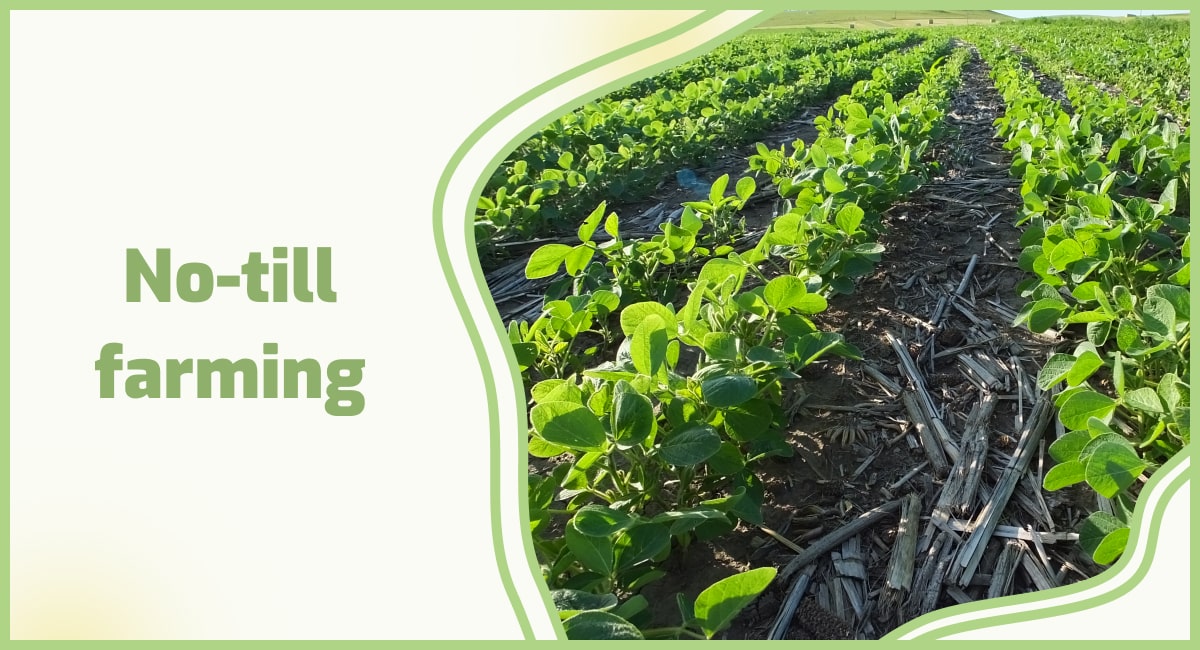
No till farming, also known as zero tillage or direct seeding, is an agricultural technique that involves planting crops without prior soil tillage or disturbance. Instead of plowing or cultivating the soil, seeds are directly sown into the undisturbed soil.

This method helps to conserve soil moisture, reduce erosion, and improve soil health by preserving the natural structure and organic matter. No till farming also reduces fuel consumption and greenhouse gas emissions, making it an environmentally friendly approach to agriculture.

How do we do no-till farming? Why is no till agriculture good?

No-till agriculture is a system of farming where the land is not overturned when preparing the soil for planting. This practice is contrary to the common practice of farmers when preparing the soil for planting. Contemporary farmers till the soil for several reasons.

These include aeration of the soil, controlling pests and weeds, and also warming the soil. The disadvantages of land tilling include erosion, loss of soil moisture, the release of carbon dioxide into the atmosphere leading to global warming, and the list goes on. The benefits of no-till farming include:

1. Prevents erosion

The no-till method of farming is often accompanied by other methods such as crop rotation which makes washing away the topsoil difficult. Unlike the tilling method that exposes the loose soil and also makes it bare making it an easy target for wind and water erosion.

2. Prevents pollution

This method prevents erosion which does not only wash the topsoil but also fertilizer or herbicide which causes pollution to large water bodies after contact. The pollution of the water can result in the death of organisms in the water

3. Maintaining the natural habitat of an organism

By burying plants and pests beneath the soil, soil organism activities that contribute to the fertility of the soil are destroyed when exposed to direct sunlight. The no-till method ensures that soil organism activities are maintained. The activities of the soil organism aerate the soil thereby increasing soil fertility.

4. Less time spent on soil preparation

When preparing the land for planting there are several practices involved starting from the clearing of land to the actual planting of the seed. Practicing organic no-till farming eliminates the time spent on tilling the soil during the preparation and makes the overall process much faster.

5. Reduction in cost

The cost of tilling the land by acquiring tools and machines needed is reduced as well as the cost of fuel for running the machine. This reduces the cost of farm production resulting in more profit.

6. Reduction of labor

The manpower required to carry out the land preparation process is reduced since a whole process has been removed. The cost of paying for the labor is also reduced leading to an overall reduction in the cost of farm production

7. Reduce carbon sequestration

Tilling the land exposes the soil to the atmosphere, and carbon is found in the soil when it is exposed to the air. The carbon from the soil reacts with oxygen in the air to give carbon dioxide which is a greenhouse gas. This carbon dioxide is released into the atmosphere and contributes to the amount present in the atmosphere leading to global warming.

8. Increase soil moisture

The topsoil and plant cover prevents evaporation of water from the soil, which helps retain and increase the effect of irrigation due to high infiltration. The cover plant also serves as mulch for the soil by preventing direct exposure to sunlight leading to evaporation.

No-till farming benefits

No-till farming benefits are numerous, to achieve the benefit proper knowledge of the process is required. Since you already know the benefits of no-till farming, let’s dive into how to adopt no-till farming. To employ no-till agriculture on the soil, certain principles must be observed.

No-till farming benefits

1. Covering the soil

If you are willing to adopt no-till agriculture, it is important to always ensure your soil remains covered, this is to prevent evaporation as well as encourage the activities of microorganisms in the soil.

The topsoil is very sensitive and direct exposure to the sun or other harsh conditions can result in cracking or compacting the soil. Ensuring the soil moisture is not affected is necessary for healthy and fertile soil.

2. Ensure minimum soil disturbance

It is important to avoid soil disturbance when practicing no-till farming. The effect of tillage is similar to natural disasters that affect humans such as earthquakes, tornadoes, hurricanes, etc.

This is because it displaces the soil microorganism just as disasters destroy the lives and property of humans. When the disturbance of the soil is reduced to the minimum, the soil organism community is restored. This in turn builds the soil organic matter which forms the humus.

The soil organism also helps in fixing nitrogen into the soil. Reducing soil disturbance increases fungal activities in the soil.

3. Mimicking the nature

No-till farming is often accompanied by crop rotation. When mono-cropping is adopted on soil such that a single plant is grown on the soil continuously, only certain organisms and pests are found in the soil.

However, when you practice crop rotation which enhances the introduction of different microorganisms and pests is avoided since different pests affect different plants. The action of different microorganisms on the soil during crop rotation mimics the activities on natural soil.

4. Feeding soil microorganisms

When the land is left to fallow following the harvesting of crops, microorganisms in the soil are left to starve with no plant to feed on. Practicing no-till agriculture is important to ensure the grasses or roots of plants are left to keep the microorganisms from dying.

This will ensure the activities of microorganisms on the soil continues, keeping the soil healthy and fertile. Covering the soil in no-till farming can be achieved using two methods which are Occultation and sheet mulching.

5. Occultation

This involves the covering of soil using clothes or fabrics. The term occultation is a French word that refers to ‘hidden’. The fabric allows the air and moisture into the soil, which is important for the survival of microorganisms and also the decomposition of microorganisms.

It also serves as a screen from the sun that can affect the germination of weed seeds. This soil covering method is done for about two months and requires little to no labor.

6. Sheet mulching

It involves covering the soil using nylon, cardboard, amendment, mulch, and compost. The first layer comprises the amendment followed by cardboard, mulch, and finally the compost which makes the final layer at the top.

This method is labor-intensive but can be done within the space of four weeks and the planting can commence on it. If you are planning to practice no-till farming the following are the step-by-step guides to follow.

7. First, get your soil tested.

This will provide you with information on the soil analysis comprising the soil ph level and presence of micronutrients.

You can also check online for labs that carry out the test and also on the procedure of getting your soil sample.

  • Get the amendments based on your requirements
  • Cut down the grasses, cover crops and weeds leaving plants debris and roots
  • Add the amendments followed by the compost
  • Cover with fabric or mulch sheet based on the method you are using
  • For sheet mulch, you can plant after some weeks and for the fabric, leave for about two months before planting.

The process of farming starts with land preparation and the methods which enhance the fertility of the soil should be given utmost consideration. No-tilling farming ensures that the health and fertility of the soil are maintained by ensuring an increase in soil organic material.

The several benefits of no-till farming also make it a better choice than tilling the soil which predisposes the soil to various harm such as erosion, loss of soil moisture, and reduction in the activities of the soil to mention a few.

Adopting no-till agriculture helps maintain the soil and prevents the soil from losing its fertility as a result of tilling In years to come.


Frequently Asked Questions


1. How does no till farming help conserve soil fertility? How does it help the environment?

No till farming plays a crucial role in conserving soil fertility. By avoiding traditional tillage practices, the soil structure is preserved, preventing the loss of organic matter and essential nutrients. The undisturbed soil provides a habitat for beneficial organisms like earthworms, which enhance nutrient cycling and soil aeration.

Additionally, the retention of crop residue on the surface helps reduce erosion, maintains moisture levels, and gradually enriches the soil through decomposition. Overall, no till farming helps maintain and improve soil fertility for sustainable and productive agriculture.

2. What is no till soil?

No till soil refers to soil that has not been subjected to traditional tillage practices in agriculture. It is characterized by its undisturbed structure and the presence of organic matter, crop residue, and living organisms.

3. What is an example of an agricultural planting practice that involves no plowing?

An example of an agricultural planting practice that involves no plowing is direct seeding or direct drilling. In this method, seeds are sown directly into the undisturbed soil without any prior plowing or tillage.

This technique helps conserve soil moisture, preserve soil structure, and minimize erosion. It is commonly used in no-till or reduced tillage systems, promoting sustainable farming practices and preserving soil health.

4. Should you till your garden?

The decision to till your garden depends on several factors. Tilling can help break up compacted soil, control weeds, and incorporate amendments. However, excessive or unnecessary tilling can disrupt soil structure, deplete organic matter, and increase erosion risk.

For established gardens, minimal or no-till practices are often recommended to preserve soil health and beneficial soil organisms. Consider the specific needs of your garden and explore alternative methods like mulching or spot-tilling to maintain a balance between soil management and preservation.

5. How to till a yard?

To till a yard, follow these steps:

  • Clear the area: Remove any debris, rocks, or large obstacles from the yard to ensure a smooth tilling process.
  • Prepare the tiller: Adjust the depth and width settings of the tiller according to your needs. Refer to the manufacturer’s instructions for proper setup.
  • Start tilling: Begin tilling from one end of the yard, moving in straight lines or overlapping paths. Keep a steady pace and let the tiller’s blades dig into the soil to break it up.
  • Repeat and level: If needed, make additional passes over the yard to thoroughly till the soil. Once finished, use a rake or garden tool to level the tilled area for planting or further yard maintenance.

Remember to consider the weather and soil conditions before tilling, as excessively wet or dry soil can make the process more challenging.

6. What are tillers used for?

Tillers are agricultural tools used for soil preparation in gardening and farming. They are designed to break up and loosen compacted soil, making it easier for planting. Tillers have rotating blades or tines that penetrate the soil, breaking it into smaller clumps and mixing in organic matter.

They help improve soil aeration, drainage, and nutrient distribution, creating an ideal environment for plant growth. Tillers are commonly used to prepare garden beds, cultivate rows for crops, and maintain overall soil health.

7. What is a no till drill?

A no-till drill is a specialized agricultural machine used for planting seeds directly into untilled or minimally disturbed soil. It is designed to create narrow seed furrows, accurately place seeds at the desired depth, and close the furrows for proper seed-to-soil contact.

The no-till drill helps maintain soil structure, preserve organic matter, and reduce erosion by minimizing soil disturbance. It is a key tool in no-till farming practices, promoting sustainable agriculture and efficient seed placement for optimal crop growth.

8. Why is tilling bad?

Tilling can have negative consequences for soil health and the environment. Excessive or unnecessary tilling disrupts the soil structure, leading to erosion, compaction, and loss of organic matter.

Tilling also accelerates the breakdown of soil aggregates, reducing its ability to hold water and nutrients. Moreover, tilling releases stored carbon into the atmosphere, contributing to climate change.

Minimizing tilling or adopting no-till practices can help preserve soil fertility, promote water conservation, and mitigate environmental impacts.

How to control crop diseases with smart Agriculture

Agricultural systems are confronted not only with food production for humans and animals alike but also with environmental protection issues. This is why there is currently an increasing pressure to reduce pesticide use in order to reduce possible production costs and environmental impact.

Crop monitoring enables you to identify potentially risky areas and treat them individually, resulting in a significant increase in disease management effectiveness.

The presence of plant diseases on an agricultural farm costs farmers a lot of money. Crop losses owing to animals, diseases, pests, and weeds account for 20 to 40 percent of the overall global agricultural productivity, according to IRJET research.

The traditional method of physically analyzing particular aspects of leaves, such as texture, color, and form, to identify infections is not always efficient. As a result, most farmers throughout the world engage professional agriculturists to diagnose diseases in their crops on large farms. It is, however, a time-consuming and costly process.

Some farmers’ traditional method lacks modern techniques for automating plant disease recognition and classification. Farmers fail to detect plant diseases in large farms, resulting in a significant reduction in the quantity and quality of agricultural production.

As a result, smart agriculture is an unavoidable digital asset for farmers, allowing for continuous monitoring of plant disease without requiring much labor, especially in remote farm areas.

What is crop disease?

Generally, a plant gets diseased when it is continually disrupted by a certain causal agent, resulting in a physiological process anomaly that disrupts the normal structure of the plant’s function, and growth, among other activities.

Pathological conditions and symptoms result from the disruption of one or more of a plant’s critical biochemical and physiological systems.

The occurrence and prevalence of crop diseases vary seasonally, depending on the prevalence of a pathogen, conditions of the environment, and the crops and varieties grown. Some plant varieties are more prone to outbreaks of plant diseases than others.

Classification of Plant Diseases

Plant diseases are classed genetically based on the nature of their principal causative agent, which could be non-infectious or infectious. A pathogenic organism, such as a virus, viroid, bacterium, fungus, mycoplasma, parasitic flowering plant, or nematode causes infectious plant diseases.

An agent that is infectious can replicate inside or on a host plant and spread from one vulnerable host to the next. Nonmalignant plant illnesses are caused by unfavorable growing conditions such as high temperatures, poor oxygen-moisture ratios, poisonous chemicals in the atmosphere or soil, and a nutrient deficit or excess.

Because they are not organisms capable of reproducing within a host, non-infectious causal agents are non-transmissible.

In agriculture, plants can be afflicted by multiple disease-causing agents at the same time. A plant that is suffering from nutrient insufficiency or an imbalance between soil moisture and oxygen is frequently more susceptible to pathogen infection, and a plant that has been infected by one disease is often vulnerable to secondary pathogen invasion.

The disease complex is a collection of all disease-causal agents that afflict a plant. Knowledge of typical growth habits, varietal traits, and the normal variability of plants within a species—as these relate to the environment under which the plants grow—is essential to diagnose a disease.

Causes of crop diseases

Crop disease has traditionally been classified into two types: abiotic (also known as non-infectious) and biotic (infectious). Unfavorable environmental conditions frequently result in noncommunicable diseases. Low or high temperature and excess or lack of moisture are a few examples.

Infections are also commonly caused by harmful air contaminants. Chemical or metallurgical plants nearby can cause them to accumulate. The disease is usually caused by the soil’s unhealthy physicochemical composition.

The latter factor is frequently the result of poor-quality herbicide treatment of fields. These examples demonstrate the importance of sustainable agriculture not only for environmental protection but also for business profitability.

Even an unfavorable light regime can have a negative impact, especially on plants grown in greenhouses. Toxins released into the soil by some embryophytes (higher plants) and fungi can also be the cause of crop diseases.

Infections’ causal agents include:

  • Bacteria.
  • Parasitic plants.
  • Viruses.
  • Fungi.
  • Nematodes.

We will consider relevant crop diseases and their respective signs and symptoms in the following sections.  Non-living environmental conditions or poor farm management are examples of abiotic, or noninfectious, disease agents. They are not passed on to other plants. There are a few universally recognized abiotic agents:

  • Extreme temperatures.
  • Wind.
  • Drought or flood.
  • Moisture.
  • Frequent and heavy rain.
  • Soil compaction.
  • Excess or deficiency of nutrients.
  • Improper water management.
  • Chemical injury caused by pesticides or salts.

Biotic disease agents, also known as infectious disease agents, are living organism pathogens that can spread from one host to another and transmit disease.
Pathogens are classified into the following categories:

Fungi: The most common agricultural problem is pathogenic fungi. According to studies, this plant disease type destroys roughly one-third of all food crops each year.

In this regard, the problem is severe from both a humanitarian and an economic standpoint. These infections, like bacterial crop diseases, primarily affect plants through wounds, water pores, and stomata. Furthermore, fungal spores are frequently carried by wind gusts.

Viruses: Viroids and viruses are the most minor but critical plant enemies (subviral contagious agents). It is close to impossible to save a plant following an infection of the plant.

In most situations, the infection spreads by contact between healthy and diseased plants. Viruses can also spread by vegetative reproduction in the form of seeds, pollen, and insects. However, viruses are most commonly transmitted through the soil.

Bacteria: Bacterial crop diseases, usually caused by bacteria are among the most common infections in agriculture. In this regard, prevention and control of this type of disease are difficult.

The causal agent must enter the culture’s tissue in order to infect it. It primarily occurs as a result of damaged areas, such as those caused by agricultural tools, insects (such as fleas), or simply unfavorable weather conditions (like dust, heavy rain, and wind).

Bacteria, on the other hand, can infect plants through natural holes or glands (for example, which secrete nectar).

Nematodes: Nematodes are plant-parasitic roundworms that cannot be seen without specialized equipment. Because they live in the soil, they primarily affect roots, bulbs, and tubers. More than 4100 dangerous nematode species have been identified.

Parasitic plants: feed on crops and get their chlorophyll from the host plant because they lack it. Dwarf mistletoe, for example, grows on other plants and obtains nutrients from them.
Algae; Theoretically, they do not cause significant damage; however, under certain conditions, they may be problematic.

What are the symptoms of plant diseases?

An observable consequence of plant disease on the plant is referred to as a symptom. One of the symptoms could be a discernible change in the plant’s color, function or shape, as it responds to the infection.

Verticillium wilt is characterized by leaf wilting, which is caused by the fungus Verticillium albo-atrium and Verticillium dahlias. Common bacterial blight symptoms on bean plants include brown necrotic lesions surrounded by a bright yellow halo at the leaf blade or center of the leaf.

You do not observe the pathogen that causes the disease, but rather a symptom caused by the infection. Outlined below are examples of common signs and symptoms of fungal, bacterial, and viral plant diseases:

Fungal disease signs:

A fungal infection is frequently manifested as local or general necrosis. Crop diseases caused by fungi can also interfere with normal growth or contribute to an abnormal burst of growth known as hypertrophy.

What are the symptoms of plant diseases?

Other symptoms of crop diseases include:

  • Leaf spots.
  • Exfoliation.
  • Rot.
  • Anthracnose.
  • Leaf ulcers.
  • Curls of warts and leaves.

Fungal disease symptoms:

  • Leaf rust (common in corn).
  • Birds-eye spot on berries (anthracnose).
  • Seedlings damping off (Phytophthora).
  • Chlorosis (yellowing of leaves).
  • Stem rust (wheat stem rust).
  • Leaf spot (septoria brown spot).
  • Sclerotinia (white mold).
  • Powdery mildew.

Bacterial disease signs (difficult to observe, but can include):

As previously stated, there are numerous disease types due to a large number of bacteria. The most common crop plant diseases are listed below:

  • Bacterial ooze.
  • Water-soaked lesions.
  • Bacterial streaming in water from a cut stem.

Bacterial disease signs

Bacterial disease symptoms:

  • Fruit spot.
  • Crown gall.
  • Leaf spot with a yellow halo.
  • Canker.
  • Shepperd’s crook stem ends on woody plants.

Viral disease signs:

Crop diseases symptoms caused by viruses are typically classified into four types: malformations, such as abnormal shoot growth and leaf and flower distortion; necrosis, wilting, and the appearance of annular stripes and spots; dwarfism, growth retardation of both individual parts and the entire plant; and discoloration, such as yellowing and vein clearing.

Root crop diseases, which manifest as rotting, are a telltale sign of the presence of a virus. Some plants, however, may not show symptoms and may be latent carriers of disease. As a result, extreme vigilance is required in the fight against this type of infection.

Plant stunting

As you can see, there is a lot of overlap in the symptoms of viral, bacterial, and fungal diseases. When an unknown problem appears in a plant, herbicide injury, abiotic diseases, and nematode problems must all be considered.

How to save the yields and predict crop diseases with smart agriculture?

Saving yields and protecting crops from diseases is a pressing concern for any farmer who wants to achieve the best results. The first and most important step in crop protection is knowledge. Every farmer should be aware of the crop’s susceptibility to specific diseases, as well as the abiotic agents that promote disease occurrence.

More importantly, one of the most effective practices is to employ preventative measures, such as:

  • Planting of resistant or tolerant varieties.
  • Managing optimal planting and harvesting times.
  • Plant quality and healthy material.
  • Disinfestation of equipment.
  • Rotating crops.
  • Plant nutrient management based on crop needs.

There are a few other factors that could have a significant impact on the disease of field crops and their management. Regular crop and field monitoring, as well as timely response, can be a true lifesaver for any crop production. Here are three ways that smart agriculture can help with pest crop diseases.

Round-the-clock crop monitoring

Farmers all over the world suffer significant food losses as a result of crop infection by pathogens such as fungi, viruses, bacteria, and others.

Farmers can use an advanced disease detection and identification solution to reduce crop damage. Farmers can examine the moisture, temperature, and humidity content of the leaf to detect nutrient deficiencies and disease infections, which can spread in crops and reduce yield.

Advanced fertilizer calculator

A smart solution that includes a fertilizer calculator can assist in calculating the appropriate amount of fertilizer to use. This saves money on pesticides while also protecting the environment from agrochemical pollution.

Growers can also take preventive measures well in advance to avoid harvest losses by identifying the region of a farm that is at high risk of disease outbreaks.

Effective plant health monitoring

In large farms, identifying disease infections in plants through visual inspection can lead to an incorrect diagnosis. This is where an AI-powered smart agricultural solution comes in.

From a captured image of a leaf, this smart agricultural solution can assist cultivators in determining whether or not a disease persists in the plants. The technology is used for crop disease prediction and can recommend tailored plant disease treatment based on fertilizers, triggers, and symptoms using the captured images.

To Sum UP

Plant diseases pose a serious threat to the entire crop. As a result, it is critical for farmers to effectively deal with them and control them through timely prevention. This task can be difficult depending on the size of the agricultural area, especially since the list of harmful crop diseases is quite long. Farmers can however benefit from modern technologies. Crop monitoring enables you to identify risky areas and treat each crop individually, significantly increasing disease control effectiveness.

wpChatIcon
wpChatIcon

    Request Free GeoPard Demo / Consultation


    By clicking the button you agree our Privacy Policy. We need it to reply to your request.

      Subscribe


      By clicking the button you agree our Privacy Policy

        Send us information


        By clicking the button you agree our Privacy Policy