What are the advantages of regenerative agriculture?

When we think of agriculture, we can only think of the romantic image of a farmer who takes care of his land with passion and dedication. Yet, as widespread as this image is, the modern reality is very different. In fact, most of the crops take place in an intensive farming regime, where the figure of the wise peasant is only a very distant memory.

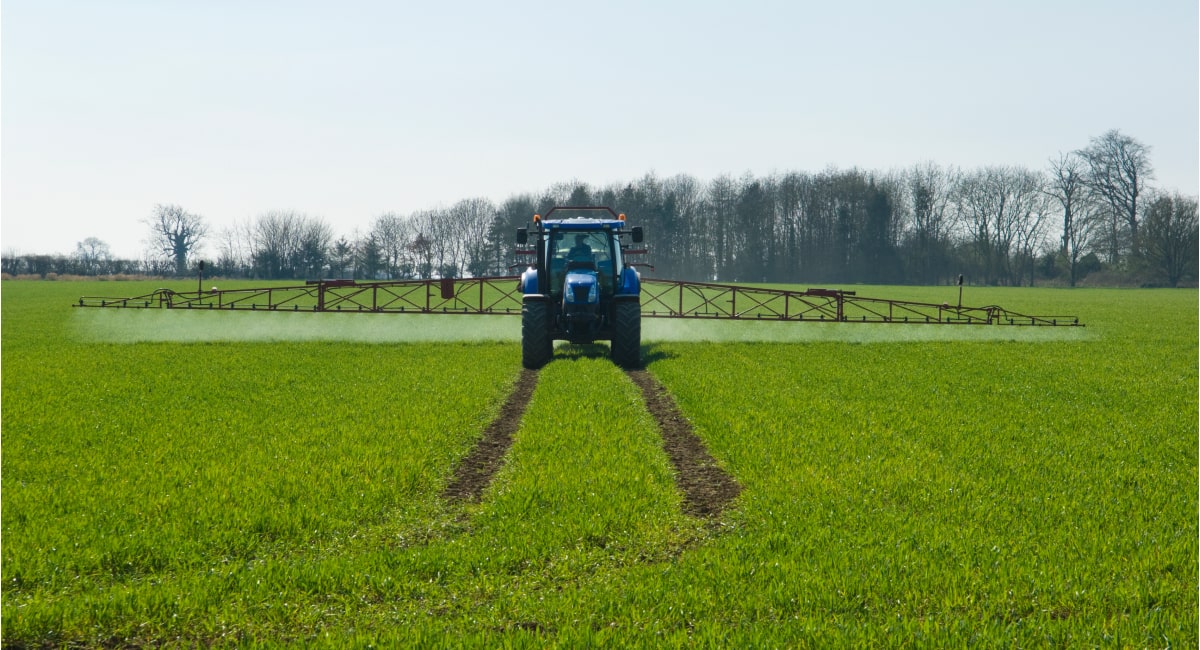
Hectares of fields exploited relentlessly, extensive use of chemical fertilizers and pesticides, impoverished land, deforestation, monocultures, and high CO2 emissions, this is what is mainly happening today.

For some years now, we have witnessed an important turnaround: more and more farmers decide to abandon the dictates of intensive production, embracing regenerative agriculture instead. But what is it and, above all, what benefits of regenerative agriculture does it bring to the environment?

It is becoming an increasingly widespread and appreciated model by consumers. Unlike other techniques, it has very distant roots in time. In essence, it is an evolution – and extremization – of organic farming.

The aim is not to exploit the land; instead, the aim is to recover its fertility by combining ancient techniques and modern technologies, acting on minerals, the organic part, and microbiology, and reactivating the natural cycles.

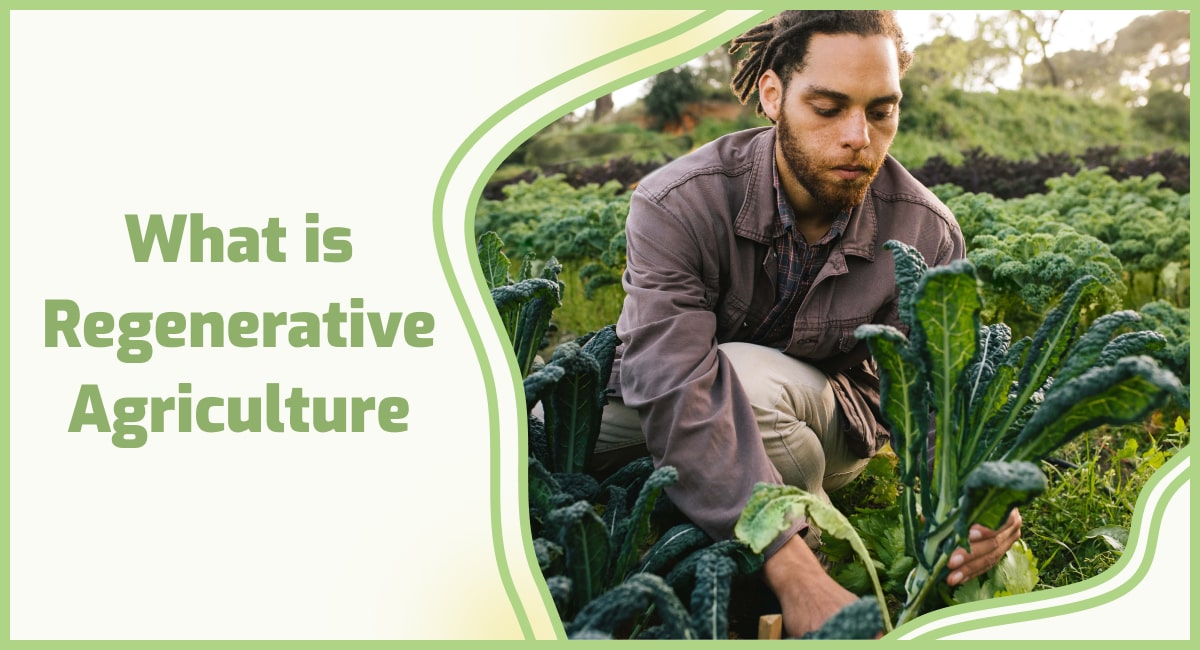
What is Regenerative Agriculture?

By regenerative agriculture, we mean a set of practices, customs, and knowledge that aim at the production of food to meet the needs of man, while trying to ensure the lowest possible environmental impact and at the same time regenerate the fertility of the soil.

It is therefore the opposite paradigm to intensive agriculture, where production is maximized even at the expense of soil fertility, with great environmental costs. The goal is to protect and enrich, rather than impoverish, natural resources.

It does not arise from a precise theorization. Although in recent years some non-governmental organizations have drawn up the principles of the so-called AOR (regenerative organic agriculture).

Rather, we are talking about a set of practices applied for decades, mostly derived from the Australian permaculture of the 70s, from organic farming and biodynamic agriculture. However, the latter is deprived of its most esoteric part.

The role of climate connection

Healthier soil means more CO2 is extracted or sequestered from the air, which is good news for the climate crisis. Soil – or at least healthy soil – contains a large number of diverse microorganisms, which work in exchange with the plants that grow in the soil.

Plants absorb carbon through photosynthesis, which they use to grow, and the excess carbon is transported to the soil, where it turns into organic matter.

This carbon feeds fungi and various microbes in the soil, which in turn supply plants with the nutrients they need. It is a perfect balance, but one that is altered by intensive conventional farming methods. By moving to a regenerative approach, some proponents argue, the sector would have to cut as many emissions as the land would be capturing more CO2.

A climate NGO that explores and promotes solutions to climate change, argues that “regenerative agriculture improves and maintains the health of the soil by restoring its carbon content, which in turn improves productivity, just the opposite of what conventional farming does.

They calculate that regenerative methods could sequester between 14.5 and 22 giga tonnes of CO2 by 2050.

However, estimates of how much CO2 could be captured through soil carbon sequestration vary among experts. The World Resources Institute (WRI) states that the feasibility of expanding it to large areas to increase climate change mitigation is still unclear, due to limited scientific knowledge.

Instead, they propose a set of 22 solutions for agriculture to tackle its emissions, classified and focused on a ” five-course menu” namely:

  • Reduce the growth in demand for agricultural products
  • Increase food production without expanding agricultural land
  • Protect and restore ecosystems
  • Increase fish supply
  • Reduce greenhouse gas emissions from agricultural production

The 4 principles of Regenerative Agriculture

As it is easy to guess, it aims to enrich the soil, the environment, and man rather than depleting the environmental and social resources connected to cultivation.

This discipline is based on four cardinal principles, summarized a few years ago by the NGO Deafal (European Delegation for Family Farming in Asia, Africa, and Latin America) within the “Charter of Principles and Values ​​of Organic and Regenerative Agriculture”.

The principles and benefits of regenerative agriculture

1. Soil regeneration

It aims to implement practices capable of increasing soil fertility. This aim is pursued through the increase of organic carbon, mineral elements, and microbiological diversity. It helps in the limitation of soil erosion and the enhancement of local specificities and cultures.

2. Regenerate biodiversity and ecosystems

For regenerative agriculture, it is important to protect biodiversity, both in the choice of crops and in avoiding environmental contamination due to the indiscriminate use of chemical fertilizers and pesticides.

Local plant and animal varieties are also respected, recovering waste and aiming for zero emissions. Efficient management of water and agro-forestry-pastoral resources is also required.

3. Regenerate the relationship between living beings

This discipline enhances not only the relationship between man and nature but also between the people themselves. It is based on respect for the dignity of individuals, on working relationships where the protection of rights is at the center, and on transparency and inclusion.

It guarantees plants treatments capable of sustaining their health over time and physiological balance. It is also necessary to respect the dignity of people and animals and to foster work and exchange relationships based on the protection of rights and transparency.

4. Regenerating knowledge

The fourth and last principle provides for the promotion of knowledge as a collective good to be acquired and transmitted in a dimension of openness and interaction with others.

The universe of regenerative agriculture is not closed, but open to anyone who wants to learn its principles and practices. One of the objectives is precisely that of transmitting the knowledge acquired so that more and more people can take advantage of it.

How to do Regenerative Agriculture? The Regenerative Farming Techniques

Given the principles of regenerative agriculture, one could mistakenly think that this discipline makes use of complex, unknown or difficult to apply practices. Whereas, it uses techniques that are familiar such as:

1. Crop rotation

Continuous cultivation of the same plant species causes the soil to lose its properties. Regenerative agriculture restores the technique of crop rotation, choosing plant varieties that can enrich the soil with the minerals consumed by previous crops.

By doing this, the organic composition of the soil is strengthened, soil erosion is limited and microbiological biodiversity is encouraged.

2. Reduced tillage

The continuous mechanical and chemical stress of the soil does nothing, over time, then limits its fertility. For this, too deep plowing, the continuous passage of cultivated fields with machinery, and the excessive eradication of spontaneously growing plants are avoided.

Thus, a better distribution of the organic substance in the soil is obtained, the remineralization of the soil and a large population of earthworms and useful insects, also for the biological control of parasites.

3. Ground cover

According to it, the soil should never remain free of vegetables. Except for the desert areas of the world, in nature, the land is always covered with herbs, plants, bushes, and trees. For this reason, the use of practices such as green manuring is encouraged, or the burying of some crops to promote soil fertility.

4. Reduction of waste

Regenerative agriculture aims to reduce waste and, above all, reduce emissions. For example, for irrigation, attempts are made to recover as much rainwater as possible. Thus, avoiding wasting water resources that are already scarce.

Any excess crops are used to feed livestock or enrich the soil, while fertilization takes place with self-produced compost or organic fertilizers recovered from farms, thus taking advantage of the circular economy.

Benefits of Regenerative Agriculture

How does the application of these sustainable practices, many of which recovered from the most ancient farming traditions benefit agronomics? Here are the benefits:

  • Restoration of soil fertility with a significant increase in the organic carbon available in the soil and its nitrogenous components.
  • Strengthening soil structures and plant roots is useful for limiting soil erosion and the likelihood of environmental disasters such as landslides.
  • Increase of local biodiversity, not only with the recovery of forgotten crops but also by promoting the spontaneous growth of local species, favoring wild animal life, and excluding imported species that could damage ecosystems.
  • Elimination of chemical contamination of the soil, groundwater, and air, due to the elimination of chemical fertilizers and pesticides. Quality of the cultivated varieties, with healthier and tastier fruit and vegetables, thanks to more fertile soil and optimal growth conditions.
  • Reduction of water waste and polluting greenhouse gas emissions.
  • Enhancement of the local workforce, with a virtuous economy that benefits from regenerative agriculture not only farmers but the community as a whole.

1. Soil management

It’s an integrated approach to evaluating soil quality that examines beyond the purely chemical composition and also looks at rooting, soil life, and soil structure as a whole. Below are proven soil analytics techniques that can be provided by GeoPard.

2. Soil chemical analysis

The chemical analysis of soil reveals the number of basic nutrients available for plant intakes such as nitrogen, sulfur, and potassium phosphorus. By doing the chemical analysis of your soil, It is easier to know the volume of fertilizers needed to obtain high yield and profitability. Likewise, it forecasts the amount of expected increase in yields.

3. Delineate management zones

Since soil varies in time and space, the allocation of nutrients to crops also varies in amount and timing. Therefore, by mapping out each farm zone, you can spatially distribute nutrients and fertilizers to the areas needed using statistically generated data.

4. Plan your soil sampling points

To avoid fertilizer wastages and proper management of regenerative farm resources, it is essential to do soil sampling. Soil sampling is a technique of selecting or taking soil samples to experiment using appropriate statistical strategies and making decisions regarding the whole population.

The authenticity of the decision made from the generated results depends on the sample test results which also rely on the quality of the sample. In short, a good sample representative provides reliable results though it consumes time and effort to obtain a good sample.

5. Easy-readable heatmap visualization

After analyzing the last few years of satellite imagery of your fields to delineate maps of potential yield, this map reveals the areas of high and low potential in your field soil map. Then we collect soil samples from your fields using our state-of-the-art digital soil testing device to produce soil maps.

6. VRA fertilization

Variable Rate Application Map
Combining these maps and our agricultural expertise, we decide on rates and deliver suitable VRA maps for your machinery. We recommend higher nitrogen rates to high potential sites derived from satellite imagery and soil analysis.

Conclusions

Regenerative agriculture, as seen, aims to act actively on the soil, on people’s health, and on the environmental, economic, and social sustainability of production. Choosing products from it means bringing to the table not only dishes of the highest quality, but also eating with little burden on the planet.


Frequently Asked Questions


1. What resources do farmers need to make regenerative agriculture feasible?

To make it feasible, farmers require several key resources. Firstly, they need access to education and training programs that provide knowledge and guidance on regenerative practices.

Additionally, farmers need financial resources to invest in new equipment, infrastructure, and resources for implementing regenerative techniques. Access to diverse and resilient seed varieties, as well as organic fertilizers and soil amendments, is also crucial.

Lastly, farmers benefit from supportive policies, incentives, and market opportunities that recognize and reward the environmental and social benefits of regenerative agriculture.

2. Does regenerative agriculture use pesticides?

It aims to minimize or eliminate the use of synthetic pesticides and chemical inputs. Instead, it focuses on promoting natural pest control methods and enhancing the overall health of the ecosystem.

Carbon farming: practices, measuring, and implementation

One of the main factors influencing climate change is land management. Several agricultural practices such as tiling a piece of land, using pesticides and herbicides, overgrazing among many others trigger high levels of carbon release that are capable of climate change.

Measuring the Carbon Emissions using precision agriculture

Carbon farming is simply the use of trends or practices that skyrocket the levels of CO2 that are pushed out of the atmosphere and change them to either plant material or soil organic matter.

Due to the above reasons, in this article, we are going to discuss everything touching on carbon farming, ranging from basics, practices – all the way to assessments.

Carbon farming basics

Do you know that as the plants germinate, they always extract carbon from the atmosphere, and finally the soil soaks it and then keeps it? The level of carbon stored depends on the type of climate and also the type of soil.

Ancient farming methods that isolate carbon existed thousands of years back. For instance, reducing the soil disturbance by no-till farming minimizes carbon loss to the atmosphere. Another method that is used is through diversifying crops and growing legumes, perennials, and also cover crops that push back the carbon to the soil.

It also houses microbes that play significant roles in carbon storage. Besides that, climate-friendly methods are by keeping livestock together with crops. Whenever cows are rotated across pastures, grasses do recover from grazing, and also the animals’ manure and effects of their grazing revives carbon in the soils. Many farmers use these practices – they are known as “regenerative agriculture”.

Carbon farming practices for soil health

The use of residual biomass after harvesting as organic covers the soil instead of burning it. Organic mulching provides tons of benefits such as controlling the soil temperature, increasing soil nutrients, preventing the rate of evaporation to keep the soil moisture, preventing weed growth, controlling erosion, and also improving general soil health.

Shifting from conventional tillage practices to conservation tillage practices such as reduced or no-till. Land tilling loosens and aerates the soil and increases the organic content or carbon to the surface, improving crop growth. When the trapped carbon is released in large amounts, it reacts with the oxygen found in the atmosphere to produce carbon dioxide.

Growing cover crops during the off-season and not leaving the land bare. Cover crops avoid soil erosion, control moisture, lower soil diseases, pests, weed growth, and also attract pollinators. Besides that, they act as mulch and also as a source of organic matter and can be used either for grazing or as animal fodder.

Based on the crop type, there are some that are capable of contributing to nitrogen uptake. Replacing monism with elevated-diversity crop rotations and integrated farming trends.

Taking in those crops into cycles that result in high quantities of residue to the soil adds to the higher soil organic carbon stock. High levels of organic matter ensure a healthy, biologically active soil with zero to few problems such as crop fertility, pests, and even diseases. Crop rotation also provides farmers with extra income.

Replacing intensive application of chemical fertilizers with integrated nutrient management and precision farming. Random use of fertilizers leads to excess nitrogen in the soil that results in soil acidification and salinization, and water pollution because of fertilizer runoffs.

As opposed to that, precision farming enables farmers to aim at certain areas and not blanket spraying; carbon farming practices revitalize soil in a natural way thus reducing the need for synthetic products. Choosing compost to restore soil fertility and adjust grassland carbon storage.

When spread all over the soil surface, compost sequesters carbon in a stable form that isn’t easily oxidized. It heightens the land’s resilience to extreme weather events such as floods and drought. It lowers other forms of emissions such as releasing methane and nitrous oxide due to the decomposition of organic materials.

Combining trees with agriculture by cropland agroforestry, agroforestry when rightly practiced provides tons of benefits. The sequestration rate is five times more than the per-hectare rates of enhanced yearly cropping practices without trees. It enables farmers to produce more food on the present land and derive extra income. Again, nitrogen-fixing plants increase fertility without synthetic fertilizer.

Soil: A low-cost solution

Adding soil carbon by using methods such as no-till is considered cheap. Studies estimate that carbon farming costs only $10-$100 per ton of the CO2 removed compared to $100-$1,000 per ton for technologies that mechanically pull out carbon from the air.

Carbon farming practices for soil health

Besides that, carbon farming is also a possible revenue stream for farmers and ranchers who choose to sell the credits they get from the carbon markets. Large-scale greenhouse gas emitters including manufacturers buy these credits to get rid of their own emissions.

Firms such as IndigoAg and Nori have begun payments to farmers for carbon credits. Back on June 24, 202, the U.S Senate decided to pass the Growing Climate Solutions Act of 2021 through a vote of 92-8. The bill allows the U.S Department of Agriculture to aid farmers, ranchers and even private forest landowners participate in carbon markets.

Assessing carbon storage

One of the major problems is that the soil absorbs different amounts of carbon based on their depth, texture, and even mineral content.

Even though there are given practices that improve carbon storage, estimating how much is stored and for how long is delicate for giving dollar values to them. The markets and practices that work in different locations are also conflicting.

Certain scientific prototypes provide a quantity of carbon sequestration for different climates and soil according to averages across wide areas. The administration requires complex prototypes that are approved by measurements to prevent crediting carbon that doesn’t land in the soil or doesn’t stay there for a long period.

Creating the least standards that predict and accurately estimate soil capture is also considered a priority. Carbon can stay in the soil wherever from day one to a thousand years; hence time scale is a crucial factor for markets.

From our perspective, credits need to show the period carbon stays in the soil, complete offsets created only for long-lasting storage.

Revamping carbon-rich soil is a plus to farmers’ through adjusting the soil health and also lifting crop harvests. However, the administration could offer resources to the large performance that possess more capability to sequester carbon on their large acreage.

Geopard is simply a tool used to plan to ensure sustainable practices. Besides that, Geopard also uses A.I, farm data, and also remote sensing data to find tillage, cover crops, crop growth, and also estimations of yield. Lastly, it can also aid in making carbon analyses.

Some important facts about Variable-Rate Irrigation

Irrigation plays an integral role in our crop growth, health, and productivity. Yet, we often give little attention to it. We give utmost priority to pests and weed control, fertilizers application, crop monitoring, soil analysis, etc.

Good, but those amendments without irrigation are like fueling a car without starting the engine; It won’t move. The same is applicable here. Other practices will only be efficient when proper irrigation is in place.

Irrigated land produces abundant and higher yield crops when compared to dryland. Statistically, 17% of irrigated agriculture produces 40% of the global food. Irrigation improves yields, enhances profitable harvest, and helps soil structure if it is done perfectly.

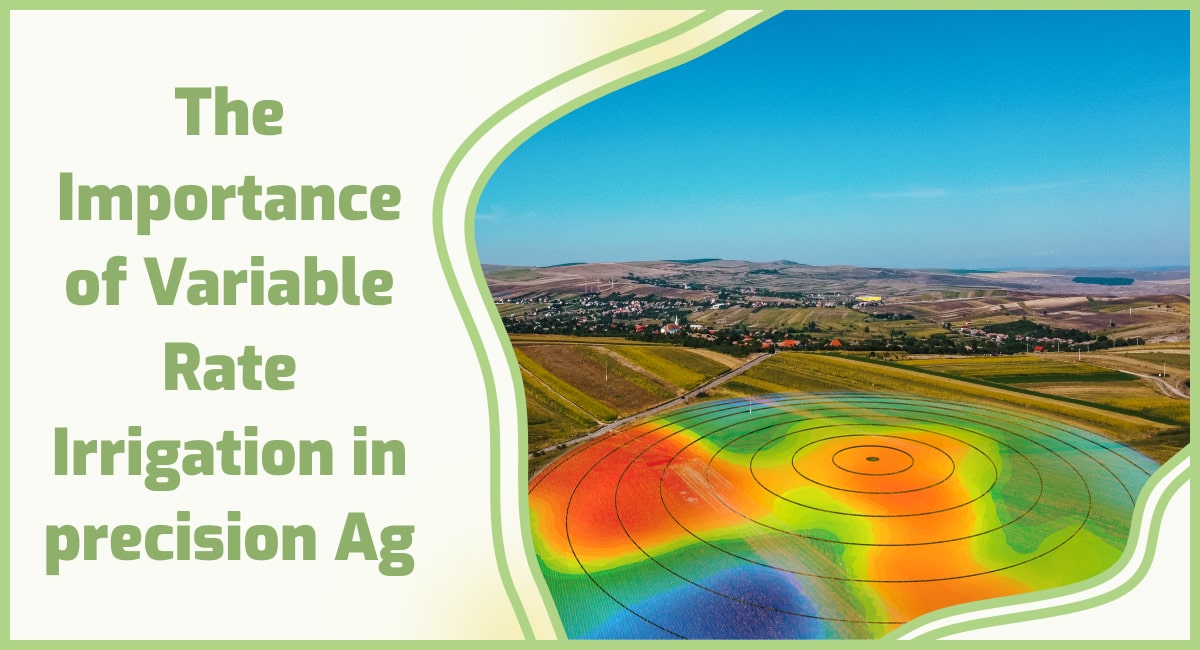
Due to variability in soil types and crop requirement of water, doing manual irrigation on your crops may be overwhelming and nerve-wracking especially if it’s a large farm. To ease this process, a cutting-edge technology called VRI (Variable Rate Irrigation) is introduced.

Some important Facts About Variable-Rate Irrigation

It was initially introduced to aid large-scale farming in the early 2000s. Nowadays, variable rate irrigation is used on any type of farm because of the problems of unforeseeable rainfall patterns, variation of soil type and crop conditions, and the need to fast-track useful management decisions concerning nutrients and water.

What is Variable Rate Irrigation?

It’s an innovative technology that distributes water to plants at the right amount and at the right interval to satisfy the plant’s demand for water.

Since the water requirement of plants and soil varies, VRI permits the Central Pivot irrigation system, using GPS (Global Positioning System) and GIS (Geographic Information System) technologies to determine the specific amounts of water to be applied to each area of ​​the land.

Applying water uniformly to a field can make some areas watery while some will be dehydrated. Through VRI, you can supply water to every region of your farm without over-watering or under-watering the land. Although using it promises efficient use of water, it doesn’t necessarily mean little water will be consumed.

Components of a Variable rate irrigation System

A VRI system has the pivot irrigation system incorporated with the following characteristics;
Sprinkler control valves that spray water according to the instructions given by the control signal.
A Global Positioning System that tells us the position of the system within the field.

A user interface that finishes the field mapping and establishes the system. A controller that instructs or directs each sprinkler or all of the sprinklers. Also, It can be used to change the acceleration of the irrigation.

How does variable-rate irrigation reduce climate-related risks?

By implementing a VRI system, there are two ways to optimize water consumption on your farm. Firstly, by allocating a substantial amount of the water to soil with low holding-water capacity while leaving out areas without crops.

Secondly, lowering water application in marginal areas that require little irrigation or soil with high retention capacity e.g clay soil. A report by (Sadler et al. 2005) suggests that it has saved up 8 – 20% in water usage more than uniform irrigation.

With a VRI system in place, irrigated plants are less prone to climate-related risks because they are well-watered which arise owing to proper management of water thereby making plants unaffected by drought.

Benefits of VRI on Agriculture and Production

Since its water consumption is lower than the uniform irrigation, It saves cost by reducing the amount spent on water usage and pumping.

It aids yield and productivity improvement due to the irresistible nature of irrigated crops against pests and disease and other crop-related issues

It minimizes nutrient loss in soil by leaching and improves soil health. Since it controls leaching, soil salinity conditions and drainage is strengthened.

What are the Barriers to Implementation?

Inadequate knowledge about the system and lengthy period used in learning how to operate the system.

Maintenance cost – employment of labor for troubleshooting and repair. Additional costs on other field equipment are needed for the system to function such as buying in-field sensors and data processing fees. Sometimes, farmers may have difficulty adjusting to improvements in the system.

How does it work?

While demand for food production has highly increased over years, the need for proper irrigation in agriculture is more than what a man can comprehend. The need for a better water management system prompts the introduction of VRI (variable-rate irrigation).

It has aided modern agriculture in various ways. It’s an automated technology that uses a central pivot irrigation system to supply water to plants at the demanded rate. It is recommended a minimum of four zones control the VRI section.

Some important facts about Variable-Rate Irrigation

Zones are created automatically and manually with the help of 30-year history imagery of soil (agrochemical analysis, scanners data, EC, moisture), and topography data.

GeoPard helps you properly distribute the agricultural inputs such as fertilizing, crop protection, seeding, irrigation, etc. for better crop yield.

What Makes the Soil Fertile? Factors Effecting Fertility

Due to its unparalleled importance, the repercussions of loss in soil fertility are disastrous. Just like humans derive nutrients, vitamins, and minerals for healthy growth from a balanced diet, plants obtain the necessary nutrients to improve their yields and sustain their growth from highly fertile soil.

What is Soil Fertility?

Soil fertility refers to the ability of soil to provide essential nutrients to plants for growth. This concept is a measure of a soil’s capacity to support plant life not only by providing all necessary nutrients in adequate amounts but also by maintaining an appropriate pH level, offering a good soil structure, and keeping a satisfactory water-holding capacity.

Although soil productivity (fertile soil + management-related factors, climatic factors, etc) determines crop productivity, the relationship between fertility methods and crop productivity is direct – that is, the higher the soil fertility, the higher the likelihood of better yield.

Not only does high fertility enriches crop yield, but it also minimizes erosion, and flooding, controls pests and diseases and absorbs enough water to boost soil structure.

Components of Soil Fertility

Soil comprises 45% inorganic salt, 25% air, 25% water, and 5% organic matter. A soil is said to be fertile when it contains a perfect blend of the elements above. Fertile soil is the one that coordinates and supplies the nutrient, air, water, and heat needed for plant growth in an appropriate manner.

Components of Soil Fertility

Fertile soil provides the following:

  • A favorable environment that allows soil microorganisms to operate appropriately.
  • All elements of micro and macronutrients are beneficial to the plant’s growth.
  • A good ventilating system.
  • Has a good water holding capacity and an effective drainage system.
  • Low compactness.

Factors making the soil fertile

Soil pH

It indicates the accessible nutrients for plant use. The soil PH scale ranges from 0-14 and there is no fixed Soil PH for all crops – each crop has its suitable PH for its perfect growth. Any soil PH above 7 is alkaline, anywhere below 7 is acidic and 7 itself is neutral.

Soil PH shows how acidic or alkaline a soil is and it estimates the population of hydrogen ions (H+) in the soil solution. While some crops attain maximum growth at the acidic level(blueberries and azaleas), the majority of the plants prefer neutral soil PH or PH closer to a neutral level (6.0 – 7.0).

Presence of Organic matter

Organic materials contain biodegradable or recyclable substances which are needed for the subsequent growing cycle. Increasing organic matter content implies improving soil fertility.

Moisture Content

Moisture content refers to the quantity of water absorbed by the soil. Not all absorbed water is accessible for plant growth. A large proportion is stored in the soil as a thin layer which later dissolves salt and forms a soil solution needed as a nutrient for plant growth.

When the moisture content of the soil is at the optimal level, it grants plants easy access to nutrients. The moisture content has a positive relationship with soil fertility. When it is high, the fertility is high and vice versa.

Incompatibility or Hostility of Some Nutrients

The availability of some nutrients inversely affects the others. That is, more of one leads to less of the other. For example, the higher the potassium in the soil means the lower the magnesium.

Bulk Density

Soil density measures the thickness of the soil and it differs among soil types. It determines the soil’s ability to support the growth of the crops.

Soils that are highly compacted are undesirable for growing crops because the soils hinder the root from going deeply into the soil which restricts plants from absorbing enough nutrients. Therefore, plant growth will be poor.

The high Soil density is a sign of poor porosity which may be caused by administrative policies like tillage, grazing, etc. It obstructs root growth, deters the constant flow of water and air within the soil, and exposes soil to erosion. High bulk density is minimized by adding a substantial amount of organic components into the soil.

Factors which make the soil fertile

Clay Content

Aside from the type of clay minerals and organic matter content available in the soil, the clay content is also one of the factors to consider when verifying the soil CEC.

It explains the citation exchange capacity (CEC) of the soil. Soil CEC relies on the quantity and kind of soil colloids available.

Through leaching, soils with low clay content may lose their nutrients which is not the case with high CEC. A soil with higher CEC stores enough nutrients for plant uptake compared to soil with Lesser CEC.

How to make the soil fertile?

There are two ways – organic or inorganic.

Organic Methods

Organic ways such as crop rotation, bush fallowing, no-till farming, growing cover crops, use of manures, weed control, etc. These are some of the organic measures that are used to preserve the fertility of the soil.

1. Coverage

Also called mulching, it consists of covering the ground using leaves or other organic material. Thus, moisture is retained for longer, and erosion is reduced. As there are more living beings aerating and facilitating the generation of nutrients, the fertility of the soil increases.

2. Use of Cover Crops

Cover crops help to aerate the soil and by decomposing their leaves, they provide nutrients. For example, legumes generate nitrogen, while grass improves structure.

Use of Cover Crops for making the soil fertile
3. Use of Organic Matter

Decomposed manure provides nutrients immediately, which favors greater soil fertility, but it is vitally important to avoid spreading some disease-causing agents when using homemade manure.

4. Tillage Minimization

Continuous tillage exposes the lower layers, usually those with moisture, causing the water to evaporate and lowering the moisture level in the soil; In addition, it also favors greater soil erosion and, therefore, lower fertility. By tilling as little as possible, existing organic matter can break down and provide nutrients.

5. Soil Analysis

Carrying out a soil analysis helps to understand what nutrients are necessary for it. Since soil types are different, the amounts to maintain fertility may vary.

Depending on the type, some crops may be planted and depending on what types of chemical products may be used to eliminate pests and diseases.

A healthy and balanced soil in nutrients favors the growth of crops and the existence of microorganisms.

6. Crop Rotation

Crop rotation is a planned chronological cycle of crops in one field over several years. If it is properly done, it provides positive individual and cumulative effects, such as positive previous crop effects, the regulation of harmful organisms and weeds and the improvement of soil fertility through humus increase, nutrient fixation and mobilization.

Another advantage of diverse crop rotations is the improvement of biodiversity in agricultural landscapes. Also, it shapes and enriches locations, habitats and landscapes. The organic method has proven to be the most effective and beneficial to the soil and the farmer.

However, a major setback is that it takes a substantial period for the results to be apparent. For example, crop rotation extends for a minimum of three to four years before the soil regains its lost nutrients or annihilates the pests and diseases on the soil.

We want to improve our soil nutrients yet we don’t want to wait for eternity. Then what can we do? This is where the inorganic method comes in.

Inorganic Methods to Make the Soil Fertile

Inorganic methods include using fertilizers and some other man-made products to make our soil productive within the shortest amount of time( within a year). Below are proven and tested products that you can use on your soil to boost its fertility.

1. Smart Use Of Fertilizers

The use of fertilizer eliminates the microorganisms in the soil that aerate it and provide nutrients. Therefore, it is advisable to use only the necessary amount, this is usually known after carrying out a soil test.

There is a common myth that the more the application of fertilizers to the soil, the higher the soil vitamin. This is wrong. Excessive use of fertilizers and pesticides(inorganic method) degrades soil fertility.

2. Compost Tea (Black Liquid Gold)

This is an environmentally friendly, non-polluting, and economical fertilizer favored by farmers to harbor the plant from certain microbes. It’s purely organic and easy to make. That is, you can do it yourself provided you have compost.

Advantages

  • It doesn’t infiltrate soil nutrients. Hence, soil health is improved.
  • Good tea boosts the water holding capacity of the soil, thus the watering of foliage is minimized.
  • It loosens clay soil by assisting water and air to penetrate. Also, it empowers sandy soil to conserve water and nutrients.
  • Compost Tea contains beneficial microbes that fight off pests and diseases.

3. Alfalfa Meal or Pellets

It is a commonly used soil-nurturing meal that has existed for years. It’s a two-purpose meal – beneficial to animals and plants. Alfalfa meal is highly proteinous which makes it an adept buffet for soil pathogens.

Advantages

  • Alfalfa has a hormone called triacontanol that triggers plant growth and supports photosynthesis which impedes phytoparasitic pests.
  • It helps the soil to retain enough water which the plants will absorb during drought times.

Crop Monitoring provides a zoning feature that allows farmers to create a field productivity map. This map presents the least and most productive areas by grouping fields according to NDVI values and displaying information using a dynamic color or palette.

You can do all this with GeoPard’s cloud-based analytics for agricultural data. It helps you implement bioprospecting methods, recommending areas of the farm that make sense to use for special crops, trees, and flowers. And then the farmer gets subsidies from the government.


Frequently Asked Questions


1. How do primary consumers make the soil more fertile?

Primary consumers, such as herbivorous animals, play a crucial role in making the soil more fertile through their feeding and waste deposition. As they consume plant material, they break it down into smaller particles, aiding in the process of decomposition.

Their waste, rich in organic matter and nutrients, gets deposited on the soil surface or incorporated into the soil through burrowing. This organic matter nourishes the soil, improves its structure, and enhances nutrient cycling, ultimately promoting fertility and supporting plant growth.

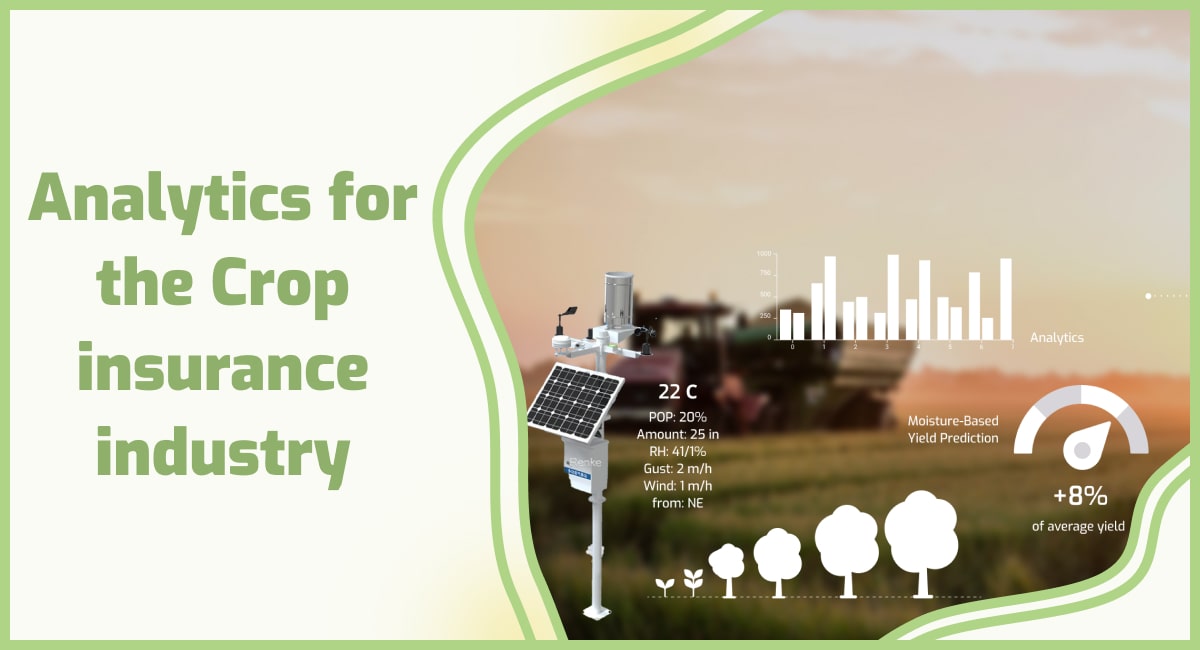
How does precision agriculture help in crop insurance?

Insuring crops is becoming more expensive as a result of climate change. Crop losses can be caused by floods, hail, and droughts, and farming insurance companies can assist farmers and crop producers to recover. Crop insurance can be obtained for a variety of reasons.

According to a new analysis of the agricultural industry, the international farm subsidy market was valued at $34.05 billion in 2019 and is expected to reach $53.02 billion by 2027, growing at a compound annual growth rate (CAGR) of 6.1 percent between 2020 and 2027.

Its coverage usually covers hail and other natural disasters that may adversely affect productivity. Farming insurance companies are leveraging IoT, drones, and satellites to improve the coverage of their policies.

What is crop insurance?

It is a type of insurance policy designed to protect farmers and agricultural producers from financial losses caused by events such as weather-related disasters, pest infestations, and other risks that can affect crop yields.

Insurance policies typically provide coverage for a range of risks, including yield loss, crop damage, and revenue loss, and are typically tailored to the specific needs and risks of the individual farmer or producer.

In exchange for paying a premium, the farmer or producer receives financial protection against potential losses, which can help to mitigate the risks and uncertainties associated with farming and agricultural production.

It is often subsidized by governments and is an important tool for promoting the stability and sustainability of agricultural production.

Agricultural insurance encourages critical crop investment decisions by protecting farmers and communities from unplanned losses. Those purchasing it faces obstacles such as a lack of rate information and significant wait times for claim settlements.

Direct sales from insurance carriers will continue to be the most profitable income stream during the projection period. Meanwhile, it is looking into new and intriguing ways to reach out to certain market segments through insurance.

Crop insurance businesses in this industry collaborate with agents, brokers, internet markets, and banks (banks).

Its increases in North America led to worldwide market growth in 2019 and are projected to continue. Its coverage has grown in recent years as farmers and ranchers attempt to protect and increase crop production.

Agri-insurers also work to improve the safety of food and fiber crops grown in the region for human use.

Its expansion has been hampered by international laws. As a result of this negative impact, agricultural production in certain nations has stalled, delaying its expansion of coverage.

By the middle of the decade, the global economic recovery, new legislation, and changes to existing insurance plans are expected to strengthen the insurance industry.

Why is crop insurance important for farmers?

It is crucial for farmers for several reasons. Firstly, it provides financial protection against potential losses caused by natural disasters, pests, diseases, or adverse weather conditions, reducing the financial risks associated with farming.

Secondly, it helps farmers secure loans and financing by providing a safety net for lenders. It enhances the stability and sustainability of farming operations, ensuring farmers can recover and continue farming after a significant loss.

Lastly, it promotes confidence and peace of mind for farmers, allowing them to make informed decisions, invest in their farms, and adopt innovative practices without the fear of devastating financial setbacks.

How does precision agriculture help in crop insurance?

Precision farming technology has advanced significantly in recent years, resulting in major advances in agricultural effectiveness and profitability. Precision agricultural technology is expected to be used by approximately six out of every ten production farmers.

Farmers now have a plethora of innovative alternatives at their disposal to improve agricultural productivity, ranging from auto-steer to variable-rate applications.

As members of the federal crop insurance program, some farmers have recently turned to precision farming technologies to simplify – and improve the quality of – the data they collect about their crop planting and production in order to submit mandatory government reports.

Instead of utilizing traditional paper records such as plantation logs and scale tickets, growers can gather and record cultivated and produced acres by using the apparatus GPS monitor and agricultural management system, rather than by hand.

In summary, farmers can “digitize” their planting and production records by utilizing existing precision farming technological capabilities, making important planting and production information more accurate and controllable.

Furthermore, digitizing farm data can bring a considerable increase in understanding of farming processes, including the capacity to better assess crop production risk, especially when combined with other data sources such as conditions of the soil, weather, and geography.

When insurers have a better understanding and insight into agricultural production risk, they may be able to not only offer additional risk management solutions but also underwrite and price the risk more effectively.

While it is distinct from many other types of insurance, it shares certain fundamental principles with homes and auto insurance. The usage of telematics/GPS data from the automobile has resulted in a substantial change in the underwriting and pricing of auto insurance compared to ten years ago.

Because the automobile’s telematics/GPS data provides a more complete picture of driving risk, vehicle insurers can more precisely assess and value auto insurance risk (i.e. speed, braking, etc.).

When automobile data is integrated with other standard driver risk data, better estimations of possible accident risk are obtained.

Similarly, the technology of precision agriculture can provide insurers with more accurate and detailed information on planting and production activity (such as seed spacing, etc.), allowing for more accurate crop output projections beyond what weather alone can affect.

As a result, what does the future hold for precision agriculture and crop insurance solutions? There are already a number of options.

Farmers Mutual Hail Insurance, for example, gives customers a discount on crop hail insurance coverage if they utilize a combined head equipped with GPS technology.

The GPS-enabled combine head is more effective at “picking up” falling corn during a windstorm due to the precision with which the combine is guided along the row line masked by flat corn stalks.

Insurance risk is decreased due to the lower risk of production loss connected with the GPS-guided head, allowing for a lower insurance premium to be imposed.

Farmers have a lot of potential to use precision farming technologies to improve agricultural risk management, particularly crop insurance. We can acquire a better knowledge of agricultural production risk by gathering and organizing field data with precision farming tools.

Trusted advisors can assist farmers in identifying and acquiring new solutions, such as enhanced risk management tools that more accurately reflect individual farmer risk and the solutions desired to mitigate the risk of loss, by working within a clearly defined environment in which the farmer retains control and ownership of their data.

How farming insurance companies can assess and predict field productivity

Satellite monitoring is an efficient method of observing crop health because it is cost-effective. This is an opportunity for agricultural insurance businesses. Satellites are multitasking operating systems capable of doing a variety of tasks, including the following:

  •       exact field area assessment
  •       identifying seedlings
  •       The ID of the accumulated dirt (whether a field has been harvested or not)

 All of this is occurring concurrently. Agricultural insurance offers the following significant benefits:

  •       speed
  •       precision
  •       cost-cutting initiatives

All of this is possible because of remote sensing, a capability possessed by the majority of current satellites. We’re not talking about snapping images on the fly here; we’re talking about photographing beyond the visible spectrum, into the realm of infrared photography.

When viewed via various wavelengths, the world appears very different. We are only a little sensitive to these rays, and we experience them mostly as heatwaves with no accompanying sensations.

On the other hand, satellites are capable of precisely studying them and providing breathtaking images that shed light on the natural world’s mysteries.

The application of vegetation indices, most notably the Normalized Difference Vegetation Index, exposes the true condition of crops (NDVI).

Farming insurance companies would significantly profit from incorporating this technology into their operations since it would significantly reduce costs while also saving vital time and resources.

Due to the orbital speed of satellites, they can examine vast areas of land and sea in a couple of minutes. Indeed, one orbit can last as little as two hours, implying that the entire circumference of the Earth can be covered in that time!

Crop insurance firms can precisely quantify the area of a field in seconds due to the extraordinary breadth of coverage provided by satellite imagery data. The data is promptly uploaded to the Crop Monitoring platform, which enables users to view the exact contours of any field on any screen, at any time of day or night, via an interactive map.

Another method worth mentioning is the high resolution of satellite images, which enables the detection and monitoring of seedlings and harvest status, among other things.

This technology, when combined with remote sensing data, enables agricultural insurance firms to forecast weather risks and quantify soil and crop damage from natural and man-made disasters.

Waterlogging can be detected through soil moisture monitoring, and critical temperatures can be monitored to detect natural detrimental events such as cold stress.

However, the precise assessment of a field’s production based on historical and present data is unquestionably the most critical feature that any insurance business can profit from.

Additionally, insurers can forecast the future potential production of any certain location by utilizing this skill. Consider each of these in greater detail. 

What can GeoPard do for the crop insurance industry?

Because it provides a single platform for field health monitoring, climate change analysis, fertility management, and crop yield prediction, agricultural crop monitoring is a universal tool for all agro-industry participants.

It is impossible to tell whether or not decisions are paying off without a reliable instrument for analyzing results, so:

Farmers can also use the platform to monitor weather conditions to reduce associated risks, plan and manage fieldwork, prevent field losses, make informed decisions using powerful analytic tools such as vegetation indices (you can select the time period for analysis), and stay on the cutting edge of farming technology through yield prediction.

GeoPard allows insurers to have immediate access to a field’s history data, farming records, and land usage without physically visiting the field; all of this information can be tracked straight from the platform.

Agribusiness merchants can evaluate a location’s eligibility for safer agricultural crop supply transactions, optimize logistical planning, manage land utilization, anticipate yields to forecast future revenues and expenses, and monitor climatic conditions to reduce crop failure risks.

It is a highly valuable tool for farming insurance companies to utilize when deciding who to insure. It is a web-based platform that provides agricultural insurance firms with accurate and up-to-date data that is saved in the system and available at any time, online or offline. Crop Monitoring is offered online as well as offline.

Furthermore, GeoPard includes a number of analytical tools that help insurers access and/or validate relevant data as quickly and efficiently as feasible. What is its main advantage? All of the processes aid in the reduction of time, money, and resources while boosting precision and accuracy, after all, the application is convenient.


Frequently Asked Questions


1. How to get crop insurance?

To obtain insurance, follow these general steps. Firstly, contact your local agricultural insurance provider or the agricultural department in your country to understand the available insurance programs.

Secondly, gather necessary information such as crop details, acreage, historical yield data, and production practices. Thirdly, complete the application process, providing accurate information about your crops and farming practices.

Finally, pay the premium as required by the insurance provider. It’s crucial to consult with experts or insurance agents who can guide you through the specific requirements and options available in your region.

2. How to sell crop insurance?

To sell crop insurance, individuals typically need to follow certain steps and meet specific requirements. Firstly, become licensed as an insurance agent in your country or region by completing the necessary education and training programs.

Secondly, partner with an insurance company or agency that offers insurance products. Thirdly, build relationships with farmers and agricultural communities to understand their needs and provide them with information on its benefits and coverage options.

Lastly, market and promote it through various channels such as networking, advertising, and attending agricultural events. Developing trust, expertise, and effective communication skills are essential for its successful selling.

What is Agroecology? Its Ten Basic Elements

Agroecology fundamentally alludes to a kind of agricultural practice that utilizes nature’s assets for food cultivation while ensuring that none of it is harmed simultaneously. It chips away at cultivating with the assistance of local ecosystems, for example, involving the accessible biomass as a compost to further improve the soil quality rather than obliterating nature with the utilization of synthetic chemicals.

Agroecological farmers work with a methodology absolutely inverse to modern capitalistic farming. They strive to increase food production for balanced nutrition, improve the fair markets for their yield, strengthen healthy ecosystems and use the knowledge given by their ancestors.

Around the planet, its followers promote a healthy agroecological farming lifestyle to grow food in. They believe in cultural diversity including small farmer-centered research and approaches that safeguard them.

Many NGO’s, researchers, universities, and associations all over the planet are working with farmers to construct nutritious and practical food systems in view of Agroecology.

The corporate food system contrarily impacts the well-being of consumers as well as the climate. As more individuals are becoming mindful of the dangers to our environment, there is an ascent interest in food created through healthy ecosystems.

This is likewise considered to be a relief to the rise in climate change and there is a demand for healthier food and an association with small food producers. There are a ton of opportunities accessible for headway in Agroecology.

What does agroecology offer farmers?

More than a style of farming, Agroecology benefits the masses on a larger scale. Focusing on the underlying causes of issues like poverty, hunger and disparity helps transform food production systems and build sustainable lifestyles that encompass all three dimensions – Environmental, economic, and social.

Supporting small farms to build a system of food production that requires lower input, and delivers higher grade, natural food while keeping up with the strength of soil, ultimately leads to a sustainable food cultivation system.

In addition to making a healthier ecosystem of food production, it also provides strength to the system through the processes that are involved. As there are several processes carried out on a farm, with each process aiding another one to keep a chain of processes flowing.

Through processes like agroforestry and poly-cropping and integrated crop and livestock systems, agroecological farming provides diversification. This internal reliability and resilience make it less prone to pests and diseases and reduces the costs of seeds.

Agroecology maintains soil health by managing soil fertility through rotations, while manuring can increase water retention in the soil. The higher level of organic matter used increases the soil quality leading to healthier produce.

The ten elements of agroecological farming

To assist stakeholders, policymakers, and society, FAO developed The Ten Elements of Agroecology. They are intended to help the integration of agroecology in a social and ecological context with proper policies and guidance from experts.

1. Efficiency

It develops effectiveness by utilizing diversity and cooperative synergies to decrease reliance on outer inputs.

The standard of productivity underlines the smart and thoughtful utilization of natural assets instead of expensive and naturally impractical inputs that are common in the food production industry.

2. Synergies

Combining plants, animals, and marine life in the ways of agroecological farming is referred to as synergies. Combining these ecosystems provides multiple benefits, integrated systems provide growth to other ecosystems in turn making a cycle of growth across the farms on a larger scale.

One of the key examples of these integrated ecosystems is rice cultivation in Asia, which provides nutrient cycling, pest control, and relief against soil erosion, additionally, it helps tree growth.

3. Diversity

Diversity is a vital Concept in agroecology that addresses the biological, financial, and hereditary heterogeneity of farming frameworks and supports the UN Sustainable Development Goals. Vertical Diversity is accomplished when Crops are mixed with bushes and trees to make various layers.

Spatial diversity utilizes systems like intercropping by which complementary species are grown together, and crop rotations after some time accomplish temporal diversity.

Such harvest diversity can further develop soil health, water retention, and pollinator health, while the renewed introduction of conventional crops with higher yield values can further develop healthy results.

Diversity likewise extends local markets and provides producers with a more extensive ability to pay to create open doors.

4. Co-creation

It relies upon coordinating conventional and Indigenous information with the logical ability to foster stronger production systems.

Co-creation and information sharing promote active participation among local area individuals, whose information on the nearby rural environment and the executives, markets, and sociocultural establishments is vital to food system reform.

Co-creation values both formal and casual training and perceives that establishing communities resistant to climate change and other difficulties require a wide, comprehensive methodology.

5. Resilience

Resilience is a focal part of agroecology and a core value for food system reform. Production systems that are not reliant upon single crops, export markets, and chemical inputs can more readily oppose cataclysmic events, environment shocks, financial slumps, and pest and disease outbreaks.

When farmers are less vulnerable to outer factors and can create diversified crops from broadened, ecologically fitting scenes, their local networks additionally benefit from more food security and food power.

6. Recycling

Natural ecosystems have efficient shut-loop cycles for nutrient, biomass, and water reuse. Recycling in agroecology mirrors natural cycles at both small and large scales to lessen waste, contamination, and nutrient loss.

Forests of old, deep-rooted trees can use nutrients that go unused by yearly crops, and organic materials can be reused by fertilizing the soil. Shutting nutrient and waste cycles builds farms’ flexibility to climate change and market variances.

7. Culture and food traditions

The element of culture and food traditions recognizes that 800 million individuals experience persistent hunger, while at the same time very nearly 2 billion individuals experience the ill effects of overweight and preventable eating routine-related diseases in a worldwide food system that has ended up being radically lopsided.

Current dietary patterns have become separated from custom, culture, and ecological harmony. It seeks to reintegrate customary information and social legacy into food systems.

8. Social value

Agroecology focuses on farmer strengthening and respect, equity, incorporation, and justice for both horticultural producers and food purchasers.

The human and social qualities explained by agroecology support the independence, monetary freedom, and manageability of farmers, perceive food as a basic human right, recognize environmental stewardship as essential work for people in the future, and face imbalances like gender disparities and joblessness.

9. Responsible governance

Responsible governance calls for approaches and regulations to help agroecological changes at various levels through expanded transparency, inclusivity, and responsibility.

National and local strategies can boost agroecological practices, while community-level projects can uphold farmer strengthening and information sharing.

Elements of agroecology and agroecological farming

Impartial administration of land and natural assets is important to guarantee food access and stable farmer livelihoods.
10. Circular and solidarity economies

Circular and solidarity economies are displayed on closed-loop processes inside natural ecosystems, focusing on asset conservation, waste evasion, sharing, reusing, revamping, and recycling.

Contrasted with modern agriculture, which separates consumers from producers through long supply chains, circular and solidarity economies reestablish associations among farmers and food clients.

Shortening supply chains and expanding potential open doors for nearby business sectors can build farmer pay and add to better diet plans.

Precision agroecology

The idea of Precision Agroecology was instituted eight years ago, but it hasn’t gotten on past that. While several papers talked about the chance of utilizing innovation to work on environmental results while delivering food they focused on a methodology that mirrored the qualities and hypothesis of customary cultivating.

Customary ways to deal with cultivating in European history have moved toward it as an industry of inputs and results. Its theoretical basis, on the other hand, attempts to view agriculture environments as perplexing frameworks that are not just a chain of events but rather more mind-boggling systems that include cycles and frequently extraordinary externalities.

Rather than attempting to decrease all complexities, as agribusiness research has generally done, the techniques for signal processing and artificial intelligence could enhance farmers on the nuances of their training while at the same time expanding hereditary diversity inside the field.

The vision of Precision Agroecology ultimately is precisely crop monitoring, characterizing and managing complex rural systems in manners that produce ideal yields, human health, and ecological results.

It is a dismissal of oversimplification that has tormented Western conventional agribusiness and a test for analysts to plunge into the difficulties of complexity.


Frequently Asked Questions


1. How does agroecology work?

It is a holistic approach to farming that aims to mimic natural ecosystems. It focuses on enhancing biodiversity, promoting soil health, and minimizing external inputs.

By incorporating techniques like crop rotation, agroforestry, and biological pest control, it promotes sustainable agriculture and reduces reliance on synthetic chemicals.

This integrated system fosters ecological balance, improves resilience to climate change, and supports local communities by creating healthier and more resilient food systems.

2. What type of sugar is in vegetables?

The type of sugar found in vegetables is primarily known as “fructose.” Fructose is a natural sugar that occurs in various fruits and vegetables, contributing to their sweetness.

Unlike refined sugars, fructose in vegetables is accompanied by essential nutrients, dietary fiber, and other beneficial compounds.

Consuming vegetables as a source of fructose is a healthy choice that provides energy while also delivering essential vitamins, minerals, and antioxidants to support overall well-being.

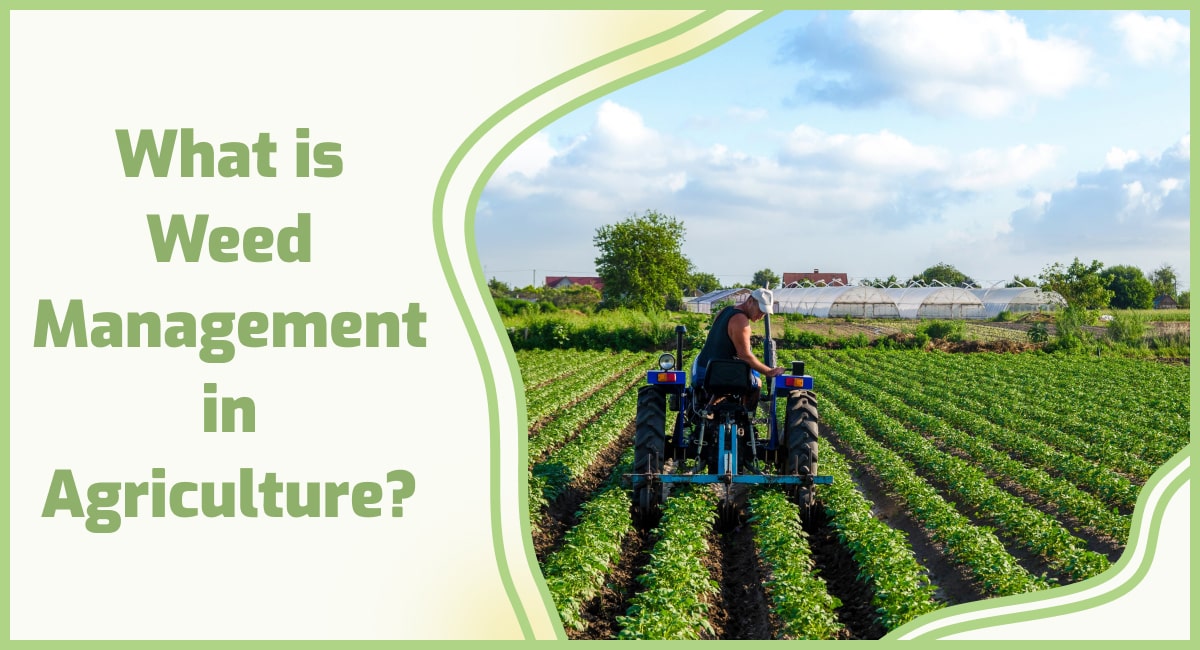
Why is weed control important in agriculture?

Weed control in agriculture is the means of limiting the growth and spread of weeds in agricultural lands using several techniques, either alone or in combinations so as to remove the harmful impacts of weed invasion on the productivity of the land under consideration.

What is weeds?

Define: Weeds are plants that grow in an area where their growth is not desired by a farmer because they either limit or completely disrupt the growth or production of crops.

They do this by competing with crops for limited resources like water, nutrients, and sunlight. They are characterized by their ability to swiftly populate large areas through rapid reproduction and dispersal.

Some well-known examples of weeds include dandelions, crabgrass, and bindweed. However, the classification of plants as “weeds” can vary widely based on local conditions and cultural perceptions. In some cases, what one person considers a weed, another might consider a beautiful wildflower or a useful herb.

What is weeding or weed control?

Weeding refers to the process of removing weeds, which are unwanted plants that often grow in gardens, lawns, agricultural fields, and other cultivated areas.

They are bad because they can compete with desired plants for resources such as light, water, and nutrients, and they can also sometimes harbor pests and diseases. Weeding can be done in several ways which farmers usually use to kill weeds:

  • Manual Weeding
  • Mechanical Weeding
  • Chemical Weeding
  • Biological Weeding

Weed management is an important aspect of garden and landscape maintenance, as well as agricultural management. Its proper and timely management helps ensure that desired plants have the resources they need to grow and can help prevent problems with pests and diseases.

Why is weed control important? The effect of weeds

They can have a wide range of effects on both natural ecosystems and human activities, especially agriculture and gardening which make weed control important. Here are some key effects of weeds:

  • Competition for resources: They often compete with crops or other desired plants for water, sunlight, and nutrients. They can grow more quickly or be more hardy than the plants humans want to cultivate, and thus can stunt growth or even cause the death of these plants.
  • Crop Yield Reduction: In agriculture, their presence can lead to significant reductions in crop yields. They can inhibit crop growth and development, or they can physically interfere with the harvesting process.
  • Quality Reduction: In some cases, they can affect the quality of the harvested product. For example, they can alter the taste of milk when they are ingested by dairy cows, or they can decrease the quality of wool when they get caught in sheep’s fleece.
  • Habitat Alteration: In natural ecosystems, its invasive species can outcompete native plants and alter habitats, affecting native wildlife. Certain can change soil chemistry, making it inhospitable for native plants.
  • Human Health: Some of them can cause allergic reactions in humans or animals, such as skin rashes or respiratory problems. Others can be poisonous if ingested or touched.
  • Economic Impact: They can have a significant economic impact. They can reduce the productivity of farmland, increase the costs of weed control (labor, herbicides), and can lower property values.

Despite these negative aspects, it’s worth noting that not all aspects of weeds are harmful. Some can serve as food for insects, birds, and other animals, contribute to soil health, or even serve as a source of food for humans (e.g., dandelions). Some so-called weeds are also used in herbal medicine or for their aesthetic value in certain types of gardens.

However, it is considered to be one of the most significant factors causing a massive economic loss in the farmland productivity of several countries. If unmanaged and appropriate control measures are not applied, the hardy and invasive weeds, either native or exotic, can lead to huge economic loss in the long run.

Although they are a part of the agro-ecosystem and can help in nutrient-recycling as well as soil texture improvement, the benefits are only realized if their drawbacks are properly checked. So control of weeds in agriculture is a vital part of any successful agricultural farmland.

Weed management has been practiced ever since the first agricultural revolution by hand but the ways of managing them have evolved with time and the advent of technology.

Herbicides were being used extensively and vigorously in the recent past because of their easy application, effectiveness, and inexpensive quality.

However, as the negative environmental and health impacts of herbicides came to light, more focus is being directed towards biological weeding and eco-friendly control of weeds in agriculture.

Weed control methods: How farmers do it?

But studies show that the best way of managing weeds in your land is the coordinated application of a range of techniques. Some of the weed control methods are briefly explained below:

Biological control

Biologically controlling weeds depends on the simple fact that they have a natural enemy which if introduced into the system can naturally reduce and limit their growth and the size of the seed pool. The agent that is introduced can be either insects, mites, or even some specific diseases which kill them.

The biological-control measure can use bio-herbicides as the control agents, which are compounds and secondary metabolites that are obtained from microorganisms like bacteria and fungi. However, this method is not considered a long-term approach since its effects are often limited in their application duration.

As a result, biological-control agents like insects and mites are more preferred if the goal is to place them as a long-term part of the agro-ecosystem so that the weed-controlling effect of the agents can be realized over long durations.

Besides the elimination of negative environmental effects, another prominent advantage of biological control is that it can be applied in remote, inaccessible, and sensitive areas where other methods are rendered ineffective or infeasible.

But special care should be taken in selecting the control agent for a weed-infested area based on geographical location and ecosystem type. This is because if the introduced agent acts as an invasive alien species, its population can explode and can even harm the agricultural crops.

So, although biological control offers an environment-friendly approach to weed management, proper selection and monitoring are essential when choosing biological control which should be based on research and technical advice.

Flaming

Flaming can be a highly effective weed control method, but its usage is limited to certain special circumstances since fire is a dangerous element in itself and in the wrong hands, can do more harm than good. Flaming is famously used to control weeds growing in non-agricultural areas like roadside, railway tracks, etc.

Flaming in weed control

However, in agricultural lands, flaming must be used so as not to damage the crops. So, it is used to control pre-emergent weeds when crops aren’t present in the land. Flaming can also be recommended if the crops are considerably heated and tolerant.

Advanced flaming techniques used specialized flame-throwers that adjust the flame so that it only produces enough fire to affect the desired plants and the effect often includes causing the leaves to only wilt which subsequently causes death.

Steaming

Although not used on large scales, steaming as a weed-management technique can be a promising method with further research and development.

steaming as a weed-management technique

The process is carried out by the application of heated water that makes the waxy-coating of the plant deteriorate which increases moisture removal and subsequently dehydration and death.

Goats

Although goats are renowned for their roles in literally chewing off the weeds from your lands, they can be mixed with other animals like bovines and sheep to sustainably remove them from agricultural lands and pastures. Some of the common weed species that are preferred by goats are thistles, scotch-broom, blackberry, etc.

goats role in weeds control

Goats and other animals can be highly useful in agricultural farms extended over vast areas in difficult topography and thus can be highly economic, especially since they have livestock economic value in themselves.

One of the best ways to integrate goats into your weed control system of a large agricultural land is to divide your land into blocks to implement a rotational cycle for grazing which ensures uniformity over the entire area.

Herbicides: Why is it important to agriculture?

Herbicides are essentially chemicals that kill plants by altering their physiology. Most often, they are the easiest and cheapest options for its removal, control, or management on agricultural farms.

However, herbicides have a harmful impact on the crops, soil microorganisms, and as result on the livestock and humans that depend on the land. Moreover, it causes a range of environmental problems like water resource contamination and loss of soil fertility.

So if you intend to use herbicides to manage weeds on your agricultural farm, you should always make sure to follow the appropriate legal and technical guidelines. Only approved herbicides and pesticides should be used in prescribed quantities.

Cultivation

Cultivation is an age-old practice for their management in cropland. Cultivation can be used at different times of a crop rotation cycle.

For example, they are allowed to germinate before the crop rotation period starts and in fact, even be induced through irrigation. When the they grow, the new young weeds are cultivated.

The process can be repeated after cultivation; new can emerge from the remaining weed seed bank that was exposed to the soil because of previous cultivation. Finally, after harvesting the crop, additional cultivation can be done to further reduce their growth in the next cycle.

Cultivation is performed by using heavy machinery like large tractors or using simple hand tools like mattocks and hoes. These tools are used to either cut down the shoots or to dig up the root altogether and bury the shoots.

Cultivation, if used correctly and in a timely manner can be a great addition to the integrated weed management method of agricultural land.

Slashing

A handheld brush cutter is still used to slash weeds on agricultural farms, but a slasher often fitted on tractors is much faster and more effective in slashing large areas covered with grasses.

Slashing is better than cultivation in some regards since it keeps the soil intact, which can be worked on later according to the needs of the crops, and also it is cheaper than the latter. One of the most important aspects of slashing is that it helps to maintain a ground cover and allows for zero tillage farming.

As a result, it also drastically reduces soil erosion and further adds nutrients to the soil, increasing its productive potential.

However, slashing cannot be used alone to completely eradicate them from your land. In fact, it is best used to control their growth temporarily to allow for the growth of pasture species that are beneficial for your agricultural productivity.

Mulching

Mulching can be defined as adding a layer of protection to the soil for a number of reasons like conserving moisture, adding nutrients, making land more aesthetic and in this case, lowering the chances of their germination in the area.

Mulches help to block sunlight from reaching the weed seeds and restrict their germination potential.

Materials used for mulching are often organic in nature like timber chips, manures, saw-dust, fallen leaves, etc. But inorganic materials like plastic, often black, are also widely used in large-scale agricultural farms like strawberry cultivation.

The effectiveness of mulching on its management can be undermined if the mulching material used itself contains weed seeds in it and if the material is penetrable by seeds or sunlight. So these two factors should be considered while using mulching as a weeding option.

Fire

Fire is distinct from the flaming technique we discussed earlier in that flaming refers to the use of a flame through a muzzle to cause wilting in the weeds while fire is the actual burning of them by spreading it across the infested land.

Fire is a bad master but a good servant. This means that uncontrolled fire like wildfire can potentially cost massive economic and ecological damage but controlled fire, applied under supervision can prove to be a highly cost-effective and easy method of control and even eradication.

Special considerations like the season of introducing the fire, the weather condition, amount of fuel, the direction of weed, and the plant and animal diversity need to be evaluated before using fire for weed management.

One of the most practical approaches is to establish fire lines and use the back burning technique to control the fire. Fire is often used to eliminate really hardy varieties. Fire helps to add nutrients and minerals into the soil and increases soil fertility.

Land Management

While they are natural occurrences in almost all types of lands, they become problematic in agricultural lands when the land is not managed properly in the first place. Proper management of farmland is the best way to reduce the need for weeding.

weeds become problematic in agricultural lands

This directly aligns with the principle that prevention is better than cure. There are certain specific land management activities one can perform to reduce or manage weeds.

Some of them include controlled grazing systems, promotion of weed-suppressing plants, the introduction of a system to quickly identify them in the initial stages of infestation, soil management, management of good pasture species, and so on.

Summary

Although all weed control methods are highly effective for different needs and circumstances of weed infestations in agricultural land, every agriculture system should have a system of weeding in place that acts to prevent, reduce and control weeds from the lands.

The system should ideally be an integrated system with several appropriate techniques combined so that they can be managed in the most environmentally friendly way and with the use of the least amount of resources and capital so as to increase the profitability of the agricultural system in the long run.


Frequently Asked Questions


1. Which factor is concerned with the growth of weeds?

The growth of weeds is influenced by various factors, but one key factor is competition. They thrive in conditions where they have a competitive advantage over desired plants.

Factors that contribute to their growth include soil fertility, moisture availability, light availability, and temperature.

By managing these factors through proper cultural practices, such as fertilization, irrigation, and crop spacing, we can help minimize their growth and promote the growth of desired plants.

2. Why are farms important?

Farms play a crucial role in our society for several reasons. Firstly, farms are essential for producing food to feed the growing global population. They provide a sustainable source of nutritious crops and livestock products.

Secondly, farms contribute to the economy by generating employment opportunities and supporting local businesses. Additionally, farms help preserve rural landscapes and ecosystems, promoting biodiversity and environmental conservation.

Lastly, farms can serve as educational and recreational resources, connecting people to nature and fostering a deeper understanding of agriculture.

3. How do weeds grow from nothing?

Weeds have various ways of establishing and growing. They can grow from seeds that are present in the soil or brought in through wind, water, or animals.

They can also spread through vegetative propagation, where fragments of the weed plant, such as roots or stems, can generate new plants.

They are opportunistic and can quickly take advantage of favorable conditions, utilizing resources like sunlight, water, and nutrients to grow rapidly and compete with desired plants.

What Is Green Pest Control?

Exposure to a wide variety of pests and diseases is inevitable during plant growth, especially where the farming conditions have weaknesses. Although using healthy soil and consistent crop rotation are among the ways farmers use to minimize the insect’s threat, growers never stop complaining of minor pests eating their crops’ productivity despite the high fertility of their soil.

The reason is that some factors (such as over-fertilized soil, monoculture, plants set too close together) are likely to adversely affect our plants making them indefensible and vulnerable to diseases.

Therefore, agriculturalists need functional and effective techniques to fight off the universe’s barrage of environmental stressors to their crops. Curious to find out the remedy? It is “Pest Control”. Pest control is a broad topic. Writing about it would fill a few books; therefore, this article focuses on green pest management.

What’s Green Pest Control?

Green pest control or organic pest control is an effective and risk-free therapy for minimizing pest infections on crops and livestock without inflicting harm on the consumer’s health and the environment. Since prevention is better than cure, green pest management mainly aims at preventing insects from barraging our crops rather than killing their fungus.

Contrary to people’s belief, green pest management is chemical-based like other pesticides. Just that it utilizes earth-based substances(such as borates) which are eco-friendly, least toxic and safe in controlling pests.

Let’s say, your plant is infested by mites, a green knockdown spray like Neem oil or Pyrethrins will not only kill and prevent widespread contamination but also leaves no harm on the wildlife around you – your lovely pets. The chemicals are human-friendly and do not pollute the environment.

What is Integrated Pest Management?

Integrated pest management is a comprehensive system that allows farmers to overcome pest problems in an environmentally responsible way. It is the cornerstone of green pest management that combines different forms of biological, cultural, or chemical methods but minimizes the use of synthetic pesticides.

This method focuses on knowledge of the pest’s environment and therefore knowing its biology and ecology helps to prevent pest infection.  Let’s say Integrated Pest Management is a system. So what are its components?

Components of Integrated Pest Management

1. Cultural Control Methods

This method emphasizes using either the right quantities of fertilizer or properly managing field hygiene.

Integrated pest management through cultural control is based on:

  • Crop rotation, when alternative crops are not targeted by the existing pest. For example, rodents attack grain crops; birds and snails, strawberries; potato beetles, potatoes, tomatoes and aubergines. If the habitat is not conducive and they do not have food, the pests will go elsewhere.
  • Changes in irrigation. Too much water causes diseases in the roots of plants.
  • Plant conservation, or quarantine, is when a crop is isolated until it is mature enough to resist the threat of pests.

2. Biological Control Methods

It seeks to destroy pests as it happens in nature, using predators to kill pests that damage crops; for example, ladybugs reduce the number of aphids. This management method also involves parasitoids, pathogens, and herbivores.

It can be applied by increasing the population of predators in their primary habitat or by importing species from other regions. Exploiting allelopathic and pest-killing properties is also helpful.

In layman’s terms, it means using living organisms (goats, sheep, mites, etc) to suppress pests populations.

3. Chemical Control Methods

This control method of green pests comes into play to address the leakages of both the cultural and biological methods. It works as a supplement to the other approaches. Chemical control means using insecticides in a reasoned way to discourage pest establishment without inflicting any harm.

That is, where normally we make ten applications of insecticide, we reduce these applications of insecticide as much as possible to preserve the environment.

4. Physical / Mechanical Control

This integrated pest management option consists of:

  • Tillage to destroy weeds or eggs/larvae;
  • Weed cover to prevent further growth by depriving them of sunlight;
  • Manual removal;
  • Soil vaporization to eliminate pathogenic bacteria that cause plant diseases;
  • Construction of screens against birds and insects;
  • Construction of fences and/or placement of traps as a barrier against wild animals;
  • Placing scarecrows in the fields.

Steps in Implementing IPM

1. Prevention and Suppression

In Integrated Green Pest Control, prevention is the first step in protecting crops from pests.
Prevention is based on observation: not every insect is necessarily harmful.

Steps in Implementing Integrated pest management

You can have pests on a plant, but until they reach a certain threshold, they are not considered harmful. So prevention means observing to determine the thresholds of the harmfulness of a pest and taking the measures necessary to control the pest.

2. Identification and Monitoring

Identification means recognizing the cause of harm you have in your garden or field and monitoring is knowing when this pest becomes harmful which is known from studies carried out in laboratories.

Monitoring means knowing when this pest becomes harmful

As part of a monitoring system, the appearance of animals, such as mice or insects, is detected at an early stage with the help of bait, sticky, or pheromone traps. The traps should be checked regularly and the results recorded in tables and a trapping plan.

3. Assessment

As said earlier, not all pests are harmful. To some farmers, clover (herbaceous plants) adds to the soil fertility while others regard it as pests. Finding the balance between what contributes to the soil nutrients and what damages it can be achieved through detailed assessment.

4. Evaluation

Evaluation is a crucial step in IPM. It entails critical assessment to permit informed decisions and safeguard against resource mismanagement when done properly. The ability to document the viable practice from the less-viable ones will serve as a reference for future use.

Evaluation is a crucial step in pest control

5. Planning

Evaluating the results allows conclusions to be drawn to understand whether the treatment was effective or not and this aids planning for unforeseen circumstances.

Planning of pest control by Integrated pest management

Whether the organic method or using pesticides, each method has its advantages and drawbacks. The bottom line is to find the balance between the two methods of green pest control.


Frequently Asked Questions


1. How do organic farmers control pests?

Organic farmers employ various methods to control pests without relying on synthetic pesticides. These methods include crop rotation, which disrupts pest life cycles and reduces their populations. They also use natural predators, like beneficial insects and birds, to prey on pests.

Additionally, organic farmers implement physical barriers, such as nets or fences, to exclude pests from crops. Finally, they use organic-approved pesticides derived from natural sources, like plant extracts or beneficial bacteria, as a last resort if other methods are insufficient.

These strategies promote sustainable pest management while maintaining organic farming principles.

2. Difference between pest control and pest management?

The difference between pest control and pest management lies in their approaches and scope. Pest control typically refers to the use of chemical pesticides or other methods to eliminate or reduce pest populations. It focuses on immediate and often short-term solutions to eradicate pests.

On the other hand, pest management takes a broader perspective, aiming for long-term, sustainable solutions. It involves integrating various strategies such as cultural practices, biological controls, and targeted pesticide use, with an emphasis on minimizing environmental impact and promoting ecosystem balance.

Pest management seeks to prevent and manage pests while considering ecological, economic, and social factors.

3. What is pesticides?

Pesticides are chemical substances or mixtures used to control or eliminate pests that can damage crops, spread diseases, or harm humans and animals. They include insecticides (for insects), herbicides (for weeds), fungicides (for fungi), and rodenticides (for rodents).

Pesticides are designed to kill, repel, or inhibit the growth of pests, improving agricultural productivity and protecting public health. However, their use must be carefully managed to minimize potential risks to the environment, non-target organisms, and human health.

What is the purpose of Strip-till farming

For years, farmers have actively tilled fields, reaping the benefits on their farms and in their crops. However, in recent decades, some producers have embraced no-till farming as a result of climate change, economics, and conservation efforts to increase soil health and sustainability. Growers usually divide themselves into conventional tillage and no-till categories.

What is strip tillage?

Strip tillage is an agricultural practice that involves tilling only a narrow strip of soil where seeds will be planted, while leaving the rest of the field untilled. It combines the benefits of both conventional tillage and no-till farming methods.

It helps to reduce soil erosion and compaction, conserve moisture, and control weeds. By disturbing a smaller portion of the field, it promotes better seedbed preparation and nutrient placement while minimizing the overall disturbance to the soil ecosystem.

Strip-tilling can be used as a bridge between conventional and no-till farming practices, as well as a critical component in transitioning to a no-till system. Strip-tilling can provide many of the benefits of no-till farming while retaining the tilled seedbed created by conventional tillage.

Strip-till farming is defined as tillage that is performed parallel to the row direction and is less than full width. By and large, this technique disrupts less than a quarter of the plow layer. Strip-objective tillage’s objective is to generate a seedbed condition in the row comparable to moldboard plowing while leaving a sufficient quantity of crop residue on the inter-row soil surface to prevent erosion.

What is the point of strip-till farming?

Strip-tilling is a technique that utilizes strip-till farming practices, for example, a knife instrument such as a fertilizer injection shank to till residue-free strips of soil preparatory to planting. Typically, the strips are six inches broad, or approximately one-third the width of the row, and four to eight inches deep.

Prior to or during planting, these strips are cleaned of debris and tilled to warm and dry the soil. Fertilizer is commonly applied during strip tillage to improve seed sowing. The seeds are directly placed into the loosened soil strip.

Strip-tilling is the process of tilling narrow-width strips in optimal soil moisture conditions, typically in the fall, in order to promote early spring soil moisture evaporation and soil warmth in the top two inches. There are several strip-till benefits. They include:

1. Advantages of Strip-Till

Contributes to erosion control. Reduced disturbance and adequate residue cover help to keep soil in the field from eroding.

Advantages of Strip-Till farming

In the spring, the soil is warmer. By removing garbage immediately above the seed site, the soil can be warmed by the sun prior to spring planting. To be more precise, application of fertilizer.

As you drive through the region, fertilizer can be sprayed directly into the land. Strip-till machines can be configured for dry or liquid fertilizer applications. Liquid fertilizer injection takes less horsepower per row than dry fertilizer injection.

Compaction of the soil is reduced. Leaving the soil alone allows for the development of soil structure, and limiting excursions over the field reduces the soil’s compacting burden. Time has economized. The overwhelming majority of strip-till systems rely on a single fall “tillage” pass and do not require spring tillage.

Reduces fuel consumption. When compared to conventional tilling, which typically requires three to four passes, significant fuel savings can be realized. Enhances the health of the soil.

The reduced disturbance is a necessary first step toward healthier soil. With reduced tillage, earthworms, fungus, and other soil organisms can thrive, enhancing soil health indicators such as soil aggregation.

Increasingly, cover crops will be used. Allowing a cover crop to grow between the rows while keeping the rest of the soil undisturbed is a more advanced step toward soil health. Strip-till operations can be undertaken following cover crop application to create a clean seedbed for the following crop while leaving the majority of the field covered in cover crop.

Reasons to consider

1. Aging damp soil in order to aerate it

This is often employed on wet soils and its primary function is to aerate the soil during tillage since it can burn up to 30 horsepower per row at a depth of around 6-8 inches by a width of approximately 6-8 inches.

Strip tilling is a technique used by farmers to remove surplus water from the soil while conserving its nutrients. Excess water can have a detrimental effect on agricultural productivity, which is why it should be drained.

Tillage can impair soil structure, resulting in a decrease in agricultural yields. Additionally, excess soil moisture can be managed by growing a cover crop to cover the soil and absorb excess moisture. If the producer does not wish to employ still-strip, another technique is available.

2. Elimination of residue through soil warming

This requires around ten horsepower each row and results in shallow tillage by removing soil residue. It is comparable to soil drying, as the heat must be applied to the soil. By extracting the moisture from the soil, heat is used to separate it from the water.

Due to the porous nature of the soil’s top, it can self-warm without the usage of strip-tilling. This natural strip-tilling occurs most frequently during the summer when the sun’s heat cools the soil and accelerates water evaporation.

By allowing water to stream through the tilled ground and wash away the nutrients on the soil’s surface, sloppy soil frequently contributes to soil erosion.

3. Application of soil fertilizer

Strip-till farming does not apply fertilizer on a consistent basis and should only be used as a substitute when crops exhibit indicators of fertilizer need. Crops may exhibit a characteristic that indicates a nutrient deficiency, such as nitrogen.

To maintain the crop’s longevity, it is critical that soil nutrients are available at all times. When cultivated properly, certain crops such as soybeans, wheat, and corn can draw minerals and water from the soil.

It is strongly suggested to plant seeds that promote soil fertility and offer essential soil nutrients since seeds can provide adequate nutrients during the plowing process. Fertilizer can also be utilized to aid in the soil’s nitrogen fixation process. For the optimum results on the grower’s crops, the fertilizer can be put beneath the surface soil.

4. Soil compaction reduction

Strip-tilling or crop planting during the tillage season may aid in soil compaction reduction. The operation requires between 40 and 50 horsepower and can be up to 90 horsepower if the tillage pan is deeper.

Once this process is complete, the machine can be freed and allowed to rest for a period of time, as its services will not be required for some time. Strip tillage has a high potential for altering the original structure of the soil and reforming the compaction layer.

Tilling is rarely necessary when plants have deep roots in the soil, particularly if they have no effect on the soil’s fertility. This is because the soil nutrients remain intact and the roots do not obstruct the uptake of nutrients from the topsoil.

5. Strip-tilling has been shown to increase crop productivity and soil nutrient availability.

The majority of strip-tilling farmers increased their output by harvesting more crops at the season’s end. They are not required to continue stripping until they have done it appropriately and in compliance with the standards.

Additionally, their crops grow rapidly after they are sown along the strip as needed. This will increase their crops and output beyond harvest in the long run. Producers are frequently assured of tremendous returns during harvesting, as the quantity of products produced exceeds the initial strip-tilling cost.

6. Reduce expenses for fertilizer, fuel, labor, and other inputs.

Strip-till allows farmers to apply inputs directly to plant roots, increasing efficiency and reducing waste. Concurrent tillage with fertilizer minimizes fuel expenditures and the impact of machinery on-farm soil compaction. This reduces labor costs as well.

7. Start planting earlier

According to some research, the strip-till has a temperature difference of about 6 degrees higher in June. Farmers claim that strip-till allows them to plant their fields earlier than no-till. Strip-tilling allows the soil to warm up and dry out more quickly in the spring.

Difference between no-till and strip-till farming

No-till farming is a method of planting directly into crop leftovers without using tillage machinery or other mechanical processes. Strip-tilling is a technique for planting seeds in small tilled and fertilized strips.

No-till farming reduces soil erosion and debris loss to water and wind, hence lowering the sediment load in aquatic bodies. Additionally, it has the potential to improve soil qualities such as water retention capacity, organic matter content, and compaction. Reduces soil temperature, retains moisture in the soil, and shields the soil from the sun and wind.

These farmers vary their plowing tactics on a regular basis, depending on the produce. For crops that are not well adapted to strip-till, conventional tillage or other conservation tillage methods are used. Tillage may be influenced by soil conditions.

Additionally, it can be utilized to control soil erosion on extremely erodible soils. The majority of federal agricultural programs, including economic contexts and premium incentives for crop insurance, require participation in conservation plans based on tillage. During droughts, some individuals use no-till or strip-till agriculture.

Strip-till has been chosen by certain farmers as they transition to no-till systems for conservation compliance and cost savings. Strip-till corn yields were found to be slightly higher and more consistent in some places than no-till corn yields.

Strip-till yield responses are significant in some years; in others, no-till yields are equivalent to or exceed strip-till yields. This yield disparity between the two approaches raises questions about the role of strip-involved tillers in maize growth and if no-tillers may overcome yield disparities through machine enhancements or better management.

Due to the limited amount of tillage, strip-till seedbeds frequently have a more dark and oxygenated area for a longer length of time. While this may be favorable in some years, it may provide a severe erosion danger if fields do not completely conform to the contour.

The results of a study on the pace of soil warming following planting are inconclusive. Within a day of planting, if the no-till planter is equipped with row cleaners and a colter, the temperature of strip-till and no-till seedbeds is normally equal.

As a result, the primary distinction between the two procedures may be the attempt to perform limited in-row tillage without resulting in a smeary “muddied-in” situation. The longer a field remains untilled, the easier it is to remove the “muddied-in” condition.

Strip-till farming and precision agriculture

Many precision farmers have recently abandoned full tillage. Many originally chose the severe no-till strategy, which they saw to offer numerous benefits. However, no-till farming introduces problems, and precision farmers are frequently forced to rethink their strategies.

Some choose to return to full tillage, while others opt for an adaptive method known as strip-tilling. Precision is not a factor in the adoption of strip-till farming. However, there is one definite prerequisite for strip-tilling to perform properly.

That is why strip-till is finally gaining steam — the agricultural technology expertise, infrastructure, and established base are all in place. The tables will flip, and strip-till farming will reward precision farming’s favor.

Symbiosis of strip-till and precision agriculture

The majority of soil parameters exhibit a high degree of variability at small scales. At this scale, agronomic procedures and treatments are typically meant to be exceedingly uniform. Precision agriculture’s core difficulty is the contradiction inherent in applying uniform treatments to varied environments.

Historically, precision agriculture has meant applying material inputs such as fertilizers, herbicides, and amendments in a variable manner. While the practical results in terms of economic feasibility or crop production benefits are debatable, the fundamental concepts of precision agriculture applied to other inputs such as time and labor have theoretical advantages and may have a greater chance of developing into a profitable technology.

Efficiency – the goal of this strategy is to optimize the existing production system by reducing input resource consumption and waste while maintaining the present system’s functionality

Substitution – This strategy’s purpose is to gradually phase out the usage of non-renewable resources and/or resources with a high impact on the environment in favor of resources with a considerably lower impact

Re-design – the goal of this method is to address the underlying causes of the problem and redesign the production system in order to avoid the requirement for external inputs

Strip-till farming success requires a level of supervision and control that no other agricultural practice or activity, except planting, requires.

Strip tillage alone will not resolve all crop productivity issues. As with no-till, concerns about weed shifting, insect problems, and stratification of nutrients and soil pH will demand increased management attention. Strip tillage is a viable alternative to full-width tillage systems in terms of residue production. Strip-tillage enables producers to meet crop residue requirements far more easily than full-width tillage does.

And to make the task of yield analysis easier, try the GeoPard app. It is a reliable tool for Ag operations that can help you with improving agronomic decisions.


Frequently Asked Questions


1. What is the term for the plow that is used in conventional tillage to turn crop residues, soil additives, and/or fertilizer into the plow layer?

The term for the plow used in conventional tillage to turn crop residues, soil additives, and/or fertilizer into the plow layer is called a moldboard plow. The moldboard plow consists of a curved metal blade that turns over the top layer of soil, burying plant residues and mixing in additives or fertilizers. It is commonly used in traditional farming practices to prepare the soil for planting and to control weeds, but its use can lead to soil erosion and degradation over time.

What is smart farming technology and what can it do for the environment?

Technological advancement has always been the primary driver of growth in agricultural output and development. Historically, technologies have been selected and implemented to increase farm income. Long-term impacts of agriculture, R&D, education training, and policy guidance have all influenced technology choices and farming methods.

Agriculture is increasingly impacted by environmental, food safety and quality, and animal welfare standards. New problems include rising food consumption, international competitiveness, and the production of high-quality agricultural products.

Simultaneously, it must achieve sustainability goals such as enhanced ecology, further economic liberalization, and compliance with international environmental agreements.

What is smart farming technology and what it can do for the environment?

It is the goal of technology in smart farming to double agricultural output while slashing input expenses by half. As a result, it refers to a farming approach that makes extensive use of data collecting and analysis. This strategy’s objective is to increase manufacturing output while simultaneously being environmentally friendly.

GPS farming, for example, is fundamental to smart farming agriculture. With the installation of autonomous harvesters and other agricultural machinery, such as tractors, the emphasis shifts to an all-encompassing approach that emphasizes not just spatial precision but also the most advanced crop treatment technology.

How much fertilizer to apply and when to apply it, the precise area to treat, and the resources required for plant protection are just a few of the typical challenges addressed by smart farming technologies.

Agriculture faces several information challenges. To effectively monitor the growth of small-plot farmers, any monitoring system must integrate a large variety of geographical and temporal indicators. To achieve the optimum results from it, an enormous amount of data must be collected.

How Smart Farming Technology Helps to Improve the Ecology

Eco-friendly smart farming technology helps reduce agricultural pollution. Using less fertilizer and herbicides reduces leaching and greenhouse gas emissions. Sensor networks can enable near-constant agricultural monitoring with today’s ICT. Agricultural inputs including water, fertilizer, and medications can be linked to plant, animal, and soil conditions.

Good farming methods may increase profits. Resources are saved, and hazards are averted by improving spatially explicit data dependability.

Access to optimum site-specific weather predictions, yield projections, disease, and disaster probability maps will boost crop yields. Meteorological and climate data are used to forecast illnesses and calamities.

Farmers, processors, and retailers in both developing and established countries can benefit from site-specific data. Using automated sensors to collect all farming data saves time on administrative tasks and resource allocation.

It may also enhance customer acceptance. Theory can increase product quality (for example, by increasing the number of antioxidants and other secondary metabolites in the product).

Smart agricultural technologies may enable a coordinated effort to break free of polarizing and segmenting technologies and practices. in high-yielding orchards; or milk produced by livestock fed appropriately).

Healthier options may also attract a higher market price, which is critical for land-use efficiency. Transparency in production and processing will improve as ICT allows tracking of farms and conditions. So new forms of farmer-buyer engagement are possible.

Top 5 sustainable and eco-friendly farming practices

In recent years, public awareness of the environmental damage caused by large-scale agriculture has grown. Numerous destructive farming techniques contribute to this. As a result, agricultural innovations, such as ecologically friendly farming techniques, should be implemented.

sustainable and eco-friendly farming practices for smart farming technology
Five ecologically friendly agriculture ideas that will assist you in achieving long-term success are listed below.

1. Aquaponics & Hydroponics in smart farming technology

Aquaponics & Hydroponics is a method of farming that completely relies on natural pest management and biological fertilizers to grow crops without the use of chemicals or pesticides. This strategy optimizes the energy and nutrient cycles in the agricultural ecosystem.

Fertilization enhances the soil’s organic carbon content, resulting in a significant rise in CO2 emissions into the atmosphere.

Farmers will benefit from Aquaponics & Hydroponics ideas by reducing nitrous oxide and methane emissions from the land. That is why, over time, this strategy benefits to water, nearby species, land, the environment, and farmers.

2. Permaculture

Technological advancement has always been the primary driver of growth in agricultural output and development. Historically, technologies have been selected and implemented to increase farm income. Long-term impacts of agriculture, R&D, education training, and policy guidance have all influenced technology choices and farming methods.

Permaculture is the establishment of self-sustaining agricultural ecosystems. Based on crop diversity, resilience, natural production, and land sustainability, this farming method creates synergetic agricultural systems.

However, since the early 1980s, permaculture has evolved into a holistic concept that goes far beyond agriculture. Permaculture is a global ethical technique for building interconnected systems based on the notion of sustainable development. Natural ecosystems are vital to human activity.

3. Using Renewable Energy Resources

Agriculture and food production is estimated to account for 35% of total GHG emissions. As a result, agricultural equipment should be powered by solar, hydro, and wind farms.

Solar panels are used to power pumps and heating systems in this manner. Farmers can also power farming equipment with hydroelectricity generated by a nearby river. Farmers should conduct an online comparison of energy rates to determine the most cost-effective alternative energy sources.

4. Crop Rotation & Polycultures

Crop rotation is a technique used in agriculture that entails cultivating a variety of crops on the same field throughout several seasons. This method can help reduce the likelihood of plant and vegetable diseases.

Additionally, this strategy decreases the number of herbicides and chemical fertilizers required to be considered environmentally benign.

5. Trees Can Increase Crop Yields

Finally, but certainly not least, is the use of agroforestry technology, which comprises planting woody perennials on the same land used for agricultural production.

Due to the approach’s emphasis on maximizing available land, it is exceptionally productive and long-lasting. This plan will generate considerable economic rewards while also being beneficial to health and the environment.

To Sum Up

With smart farming technology, more coordinated transitions away from controversial technologies and practices are conceivable. Agriculture’s long-term survival is dependent on technology, crop, and livestock production system diversity, and networks across all agricultural and food service providers.

With a single legislative strategy, it is difficult to accomplish ethical ICT use. Rather than that, the objective is to identify the most significant impediments to or hazards to the long-term application of technology in developed and developing countries alike.

Agriculture is critical in the fight against climate change and its adverse repercussions. Increased agricultural sustainability can contribute to both increased food production capacity and environmental protection.

wpChatIcon
wpChatIcon

    Request Free GeoPard Demo / Consultation


    By clicking the button you agree our Privacy Policy. We need it to reply to your request.

      Subscribe


      By clicking the button you agree our Privacy Policy

        Send us information


        By clicking the button you agree our Privacy Policy