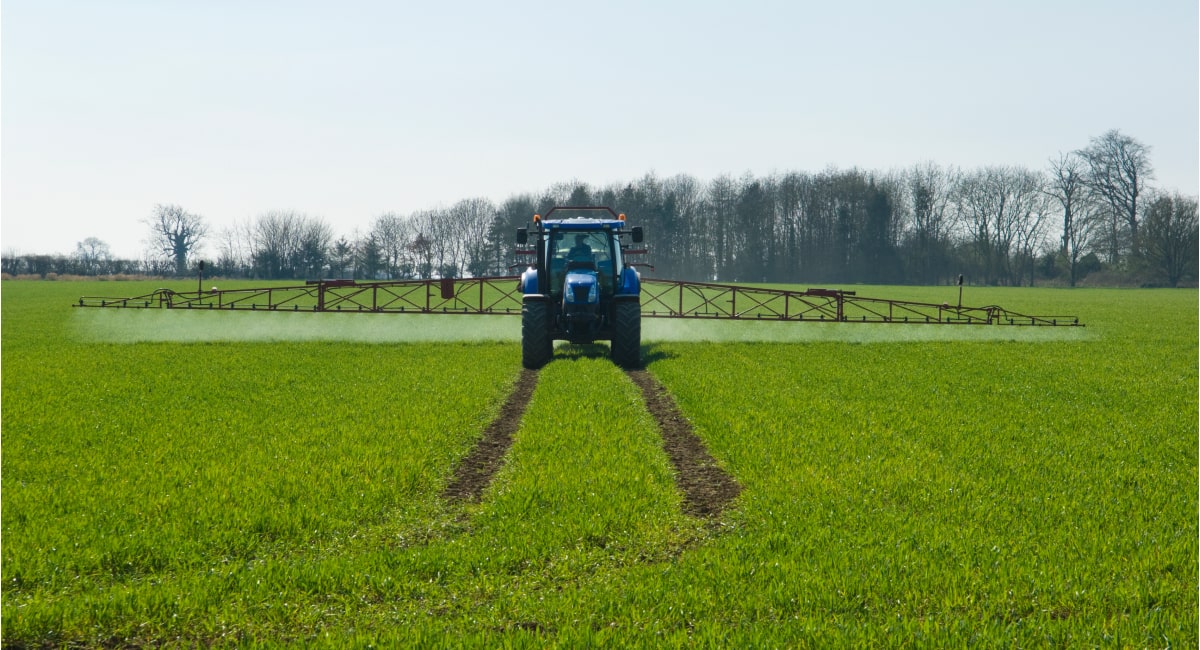
Agricultural benchmarking: examples of use and benefits

Agriculture is one of the world’s most vital industries. Your community would not be able to flourish without the fruits, vegetables, grains, and cattle produced. To be a farmer, you work hard to keep your costs down while trying to make enough food for grocery stores and customers so you can make money. While you may be struggling to make ends meet, some farmers are collecting enough produce and livestock to grow.

How to figure out what you could be doing wrong

You must assess whether aspects of your operations are ineffective or may be improved. Farm benchmarking is a sort of survey analysis in which you can compare your farm’s operations, revenue, and expenditures to those of other farms. This research provides a more open look at the success that other farmers may be having and how you may be able to replicate that success in your own agricultural operations. It is a tool that can help you make better farm management and cost-cutting decisions.

Benchmarks serve as a baseline against which your performance can be compared to that of others. These benchmarks can compare processes, products, or operations, and they can be compared to other parts of the business, competitors, or best practices in the industry, for example. They can also be compared to industry standards. Benchmarking in agriculture is a technique that is frequently used to compare costs, product quality, and customer satisfaction.

What is agricultural benchmarking?

Data management in agriculture is expanding, and the chances for learning about decisions made, particular fields, and management techniques have advanced significantly in recent years. People have started to use aggregated and anonymous benchmark data to make decisions based on what they see on their own farms and what other farmers do, too.

When it comes to farming, field benchmarking is when a farm’s processes and performance measures are compared to how the farm has done in the past and to how other farms have done things that are better. Benchmarking in agriculture is an essential part of any continuous improvement effort. For many years, most farms have been evaluating production performance (i.e., crop yields and animal performance) through agricultural benchmarking.

These benchmarking pools enable producers to anonymously compare their farm’s performance to similar operations and conditions across multiple geographies, allowing them to identify where they stand in relation to others in the area, while also providing opportunities to gauge how changing practices, such as seed selection or nutrient management, could impact their fields and farm. It has been used by many businesses to make the world a test plot and figure out how to make better decisions and increase production and profit.

Use agricultural benchmarking to help your business with examples

In Northern Ireland, farmers can use data from the Department of Agriculture and Rural Development to do farm benchmarking. Various data reports are available for download, allowing farmers to do a comparison of their previous farm year’s results to those from the preceding year. Based on the alterations and operational changes you adopt, you can use this information to make the relevant adjustments so that your current year has a greater output.

Just casually asking your neighbors about their agricultural tactics will not ensure that your farm will instantly blossom, especially if you don’t know what the origin of the problem is. You will gain a better understanding of your operations by first examining your farming practices and then comparing them to other similar farms to yours in terms of type and size. It is possible that you may opt to invest in modern or improved equipment that will allow you to increase your output. You may also detect wasted spending in particular sections of your farm where a more cost-effective strategy is possible.
Having the most up-to-date and accurate agricultural benchmarking data will allow your farm to increase revenue while decreasing costs.

Benefits of agricultural benchmarking

What are the advantages of benchmarking farms?

1. You need facts and figures to make informed business judgments. Business Benchmarking in agriculture provides you with a better understanding of your farm; rather than making assumptions, you will know exactly how it is operating. Having this information at your disposal will allow you to build strategies to increase business performance.

2. It is a technique that may be used to discover excessive expenses and inefficiencies, thereby helping to solidify and stabilize agricultural financial structures and boost corporate competitiveness.

3. The benchmarking opportunity allows you to investigate your company’s strengths and shortcomings, which leads to insightful decision-making to increase earnings while discovering areas for cost-cutting and value-adding to your bottom line.

4. Understanding your complete business and being able to benchmark its performance are critical tools for your farm’s long-term success.

5. Benchmarking can reveal the production and management strategies and procedures that drive enterprise production costs and profitability. The ‘drivers’ of one agricultural company may differ from those of other companies. Knowing what and why aids the farm manager in assessing the magnitude of change.

6. For example, farmers have long looked for information about their businesses from field days and farm walks, group networks, and consulting services. Benchmarking in agriculture could add more objective business comparison information to this type of information. So, while it’s a new tool, it’s just another way for farmers to receive more of the same ‘learning by comparison’ knowledge they’ve relied on in the past.

7. It can be helpful to know benchmarks for basic performance, like maximum crop yields and stocking rates, and lambing percentages, to give context to your region. If for no other reason than to get a sense of what is possible in your area.

8. Agricultural benchmarking will assist you in achieving high levels of profitability over time. Benchmarking allows you to gain a more accurate picture of how much space there is for improvement by seeing what the best producers are achieving from similar farms. Benchmarking analyzes business performance and provides the foundation for good decision-making in order to increase profits.

Precision Agriculture: The New Benchmark

If you are a farmer or otherwise active in the agricultural industry, you are aware that soil properties such as nutrition levels, phosphorus and nitrogen levels, and so on differ from one portion of the field to the next. Smart technology enables stakeholders such as fertilizer makers, seed salesmen, and crop consultants to readily analyze variable data and advise farmers on how to optimize their agricultural operations to achieve higher yields while reducing waste. Farmers can quickly produce precision maps and import soil data, yield data, and aerial photography into their systems. These new technologies have a substantial environmental impact, such as reduced water usage and chemical use.

Precision farming is quite advantageous in a variety of ways. It improves the chances of farmers all across the world while also helping the environment by reducing waste.

Each farm is unique; however, agricultural benchmarking is a very useful tool for determining where improvements might be made. It’s one of many tools farmers use to provide specialized analysis and guidance geared to each venture’s unique needs.

GeoPard gives opportunities to analyze your agricultural business, providing metrics about crop performance, potential on-field and zone levels, and detailed statistics of data distribution.
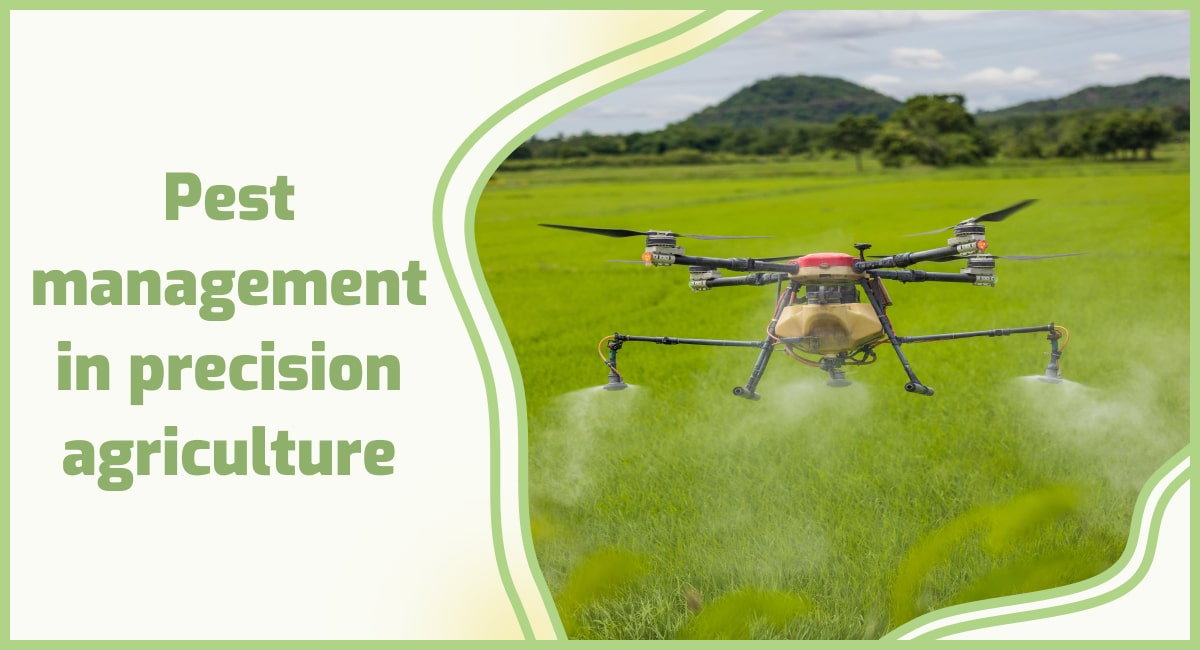
Precision pest control and management in agriculture

Effective pest control is important for protecting crops, plants, property, and public health. However, it is also important to ensure that control methods are environmentally safe and do not harm non-target species or the broader ecosystem.

The principles of precision agriculture mean implementing various technologies such as Geographic Information Systems (GIS), the Global Positioning System (GPS), Variable Rate Technology (VRT), and Remote Sensing (RS) in order to monitor the situation in the agricultural fields and based on the generated data to execute the needed operation properly.

As a result of the properly executed operation, the farmer has the ability to control the nutrients in the soil, occurrence of weeds, pests, and diseases on a micro-management level, and ultimately provide the optimal condition to achieve the desired yields.

What is pest?

Pest refers to any organism that can cause harm, damage, or nuisance to crops, plants, animals, humans, or the environment.

In agriculture, pests can include insects, mites, rodents, birds, nematodes, weeds, and other organisms that can reduce crop yields, damage crops, or spread diseases to crops.

Pests can also be a problem in urban and suburban areas, where they can damage homes and property, spread disease, and create a nuisance.

What is pest control? Why it is important?

Pest control is the process of managing, reducing, and eliminating pests that can cause harm, damage, or nuisance to crops, plants, animals, humans, or the environment.

According to the Food and Agriculture Organization of the United Nations (FAO), pests and diseases are responsible for an estimated 20-40% of global crop losses each year. This translates into billions of dollars in economic losses for farmers and the global food system.

It can be achieved through a variety of methods, including chemical treatments, biological control, cultural practices, and physical barriers.

Chemical treatments involve the use of pesticides or other chemicals to kill or repel pests. Biological control involves the use of natural predators or parasites to control pest populations.

Cultural practices involve altering the farming or landscaping practices to reduce the likelihood of pest infestations. Physical barriers such as screens, netting, and fencing can also be used to prevent pests from entering a specific area.

Pest control in agriculture production systems

Obtaining high yields, especially in climates where predominantly is humid, often requires the application of fungicides in order to get rid of harmful effects of different pests and diseases that can potentially lower the yield or in the worst-case scenario disrupt the whole production season.

The pests, as the focus of this article, have their own way of prospering and surviving on the agricultural plots.

Various pests have various stages of development, different speeds of going through that stages, and different mechanisms to battle against the environmental effects, as well as the anthropogenic activities i.e. application of pesticides.

Pest management in agriculture is defined as “utilizing environmentally sensitive prevention, avoidance, monitoring, and suppression strategies, to manage weeds, insects, diseases, animals and other organisms that directly or indirectly cause damage or annoyance.”

Effective pest management relies on the use of any tools or strategies to reduce the impacts of pests on crops in order to meet landowner objectives.

What is Precision pest control in agriculture?

Precision pest control in agriculture can be defined as the utilization of technologies and strategies for monitoring, prevention, avoidance, and suppression of pests, diseases, weeds, and other living things that are directly or indirectly disrupting the agricultural production processes.

The solutions are relying on different tools and methods to reduce the impacts of pests on crops. Such tools and methods are divided into two major distinct categories:

  • Tools and methods for monitoring the pest occurrence and presence. In the context of precision farming for this category, there is a utilization of several technologies such as GIS, GPS, and RS.
  • Tools and methods for prevention and suppression of pest occurrence. In the context of precision farming for this category, there is a utilization of several technologies such as GIS, GPS, RS, and VRT.

Two approaches of precision pest control

Precision pest control in agriculture systems that implement precision technologies can be realized in two approaches:

1. Area-wide pest management in agriculture

Area-wide pest management is implemented in order to act preventively on pest outbreaks on a larger spatial resolution where many agricultural plots are included.

Acting under this approach means implementing Integrated Pest Management activities and all the available technologies that enable remote sensing of the pest occurrence and their stages of development.

The remote sensing technologies implemented in this approach are satellite and UAV imagery with NDVI and hyperspectral indices, GIS software for calculating the area of the affected fields, and agricultural IoTs that can remotely measure the environmental parameters and the presence of pests in order to feed the disease and pest models for forecasting the severity of the outbreak.

The IPM methods are used mostly because of their success in offering long-term solutions, preventing major outbreaks, and more sustainable management procedures for growers to use.

2. Site-specific Pest Management in agriculture

This approach is the absolute opposite of the approach explained above, which means that the precision pest control is done in a smaller site-specific management zone that can be even found on one individual agricultural plot.

Apart from the above-mentioned technologies for monitoring, in this approach, there is also extensive use of the Variable Rate Technology that enables the farmers to act precisely.

The methods in this site-specific control are more conventional, which means using specific pesticides in order to eradicate the pest or to act alleviate when the damages or the complete development of the pests is already present.

In these conditions, the VRT enables the farmers to lower their input costs for pesticides, as well as to reduce the negative impacts on the environment from using such chemicals.

Such a tool as GeoPard allows you to monitor crops, control the soil, and prevent the spread of pests in time.


Frequently Asked Questions


1. What is the best way to prevent pest infestation?

The best way to prevent pest infestation is through integrated pest management (IPM) practices. Firstly, practice good sanitation by removing food sources, cleaning regularly, and properly storing crops and products.

Secondly, monitor pest activity through regular inspections, scouting, and use of traps. Thirdly, employ cultural methods such as crop rotation, companion planting, and maintaining healthy soil to discourage pests.

Lastly, utilize biological controls like natural predators or parasites, and if necessary, use targeted and judicious pesticide applications as a last resort. By combining these strategies, farmers can effectively prevent and manage pest infestations while minimizing environmental impact.

2. How are pests controlled in a crop field?

Pests in a crop field can be controlled through various methods. Firstly, cultural practices such as crop rotation, proper spacing, and maintaining healthy soil conditions help reduce pest populations.

Secondly, biological control involves introducing natural predators or beneficial insects to control pests. Thirdly, mechanical methods like handpicking or trapping can physically remove pests from the field.

Lastly, if pest populations reach damaging levels, targeted and judicious use of pesticides can be employed. Integrated pest management (IPM) combines these approaches to effectively control pests while minimizing environmental impact and ensuring crop health.

3. What is integrated pest management in agriculture?

Integrated Pest Management (IPM) is an approach in agriculture that aims to minimize reliance on chemical pesticides by integrating various pest management strategies. It involves monitoring and identifying pest populations, setting action thresholds, and implementing a combination of cultural, biological, and chemical control methods.

4. How does the government combat agricultural pests?

The government combats agricultural pests through various measures. Firstly, they conduct research and develop pest management strategies to address specific pests and crop diseases. Secondly, they establish regulatory frameworks and enforce standards for control practices and pesticide use.

Thirdly, government agencies provide education and training programs to farmers on pest identification, prevention, and management. Lastly, they may offer financial assistance or subsidies to farmers for implementing pest management practices and investing in pest-resistant crop varieties.

By taking these actions, the government plays a crucial role in safeguarding agricultural crops and ensuring food security.

5. What are the methods of pest control?

Methods of control include various approaches to manage pest populations. The methods include:

  • Cultural control
  • Biological control
  • Chemical control
  • Mechanical control
  • Integrated pest management (IPM)

What are Digital Twins in agriculture?

The widespread benefits of the Internet of things (IoT) do not end with the health, manufacturing, automotive, aerospace and aviation industry alone; the agricultural sector is not left out. IoT has revitalized the way things are done in the agricultural sector by creating environmentally sustainable operations, transforming ideas and bringing new opportunities at an unimagined scale.

Thanks to the impact of digital twins in farming, low yield and productivity, the spread of pests and diseases and unsustainability have become things in the past.

How do digital twins mitigate these rooted problems associated with agriculture? To answer these questions, let’s find out the meaning of digital twins and why it is introduced to the agricultural sector?

The high complexity of field-based processes in agricultural crop production places considerable demands on the development of robust technologies about the variability of the plants, the soil, the technologies, the environment and numerous disturbance variables.

Simulations of specific aspects have supported these developments for many years. A holistic simulation of the agricultural process – a “digital twin” so to speak – with the integration of as many of the listed influencing variables as possible has considerable potential.

In particular, the influence of individual variables on the overall process can be used for error analysis, service or new developments.

What is Digital Twinning or Digital Twins?

Digital twins are the virtual replica of a real-life asset (whether material or immaterial) created to test, predict and understand the behavior of its physical counterparts.

Digital twin in agriculture represent real objects where historical objects can be reproduced and future objects simulated to create scenarios for farmers to act on.

It empowers farmers and stakeholders to deal with unexpected deviations, for example by identifying problems in advance, scheduling predictive maintenance at the right time and providing instant solutions for compounding problems. Digital Twins speeds up the agricultural business from production to marketing and sales.

How is this possible?

For example, let’s say crop production is affected by pests and diseases in a region. By adopting it, you can gather quality information human senses can’t observe through a mobile app that works as a digital counterpart using sensors and satellite data.

You can then provide images of affected plants and describe the problem, then compare these images with the replica of that exact plant and provide solutions. That’s simply how digital twins work.

Conditions required for digital twin in agriculture

1. Individuality

The digital twin in agriculture has to be specific, with a specific name given as opposed to the general name of goat or cat.

Conditions required for digital twin in agriculture

2. Near Real-Time

This means for as long as the real-time exist the twin should also exist

3. Data-Informed

It has to be digitally measured, with the same instrument for the real sample.

4. Realistic and Actionable

The digital twin in agriculture has to be close to the real thing in properties and form. It has to be realistic.

5. Actionable

Information regarding the real thing should be action bound.

How it works?

It utilizes technological equipment such as sensors, satellites, and other devices to monitor the digital twin. With this information gotten historical data can access when needed and is required to make plans.

It involves the overall process of the digital twin.it is not necessary to be a fancy arrangement, it is only required to get them done at the right time it just has to be scientific realistic.

How They are Different From Models?

Models are just a representation of a particular thing, unlike digital twins the models are not only a representation but are also incorporated in the process of the real thing for a measurable output. Most models often give wrong results. When they are combined they also give false reports.

They are used for specific purposes. Their result can be seen in terms of dozens. This is to ensure the reliability of the results. They ensure the user is protected from the complicated technicalities by presenting information in a way that is easy to understand. It should present the status updates on the real thing.

How To Interact with digital twins?

It is monitored on the devices such as laptops, tablets or phones. It makes it easy for you to access the history or predict the future of the real thing. You can also work with the system to switch on physical systems like irrigation.

The inner functionality of the digital twin in agriculture is hidden and the user does not need to understand the complexities. It only exposes the user to what is required in physical dealing. Although features that can not be assessed in normal dealing are added.

Where am I likely to see digital twins in agriculture?

The use of the digital twin has already taken off. It is used in the monitoring of livestock both physically and remotely. Field monitoring system ensures the report of field state and crops for better and informed management decisions. The remote monitoring system reports the state of farm machinery like a planter, tractor, sprayer, etc. For early detection and pre-emotion of faults.

The real-world thing is modeled realistically and life reports have meaning on the state of the system. It has some limitations, the thing monitored can only be checked for a single aspect of the thing. It is used in other industries but it is used in Agriculture to cover several properties because of the diversity in the farm.

Conclusion

Before the technological age, research and development were carried out to understand and anticipate plants’ behavior to combat major agricultural problems which are the spread of pests and diseases and low productivity. Due to the use of crude tools, the research outcome was unverified and the results were unreliable. Hence, the problems persisted.

Then, agriculturists had no other way of experimenting with plants behavior except by trial and error method resulting in abundant loss of resources and time. To end these farming mysteries, digital twins in farming were introduced to give a detailed understanding of plant and animal behaviors to improve farming efficiencies. Those most enthusiastic about the technological revolution expect that agricultural operations will experience substantial benefits through these advances.

So, no one can understand your physical land better than you do…and data science. And GeoPard in that case is a useful Platform for Growers that helps to:

  • Collect technical data insights via remote sensing, soil sampling, sensors, topography, etc.
  • Have any minute field access with satellite monitoring and crop rotation data.
  • Manage your data even when offline with the app.

How to use farming drones in precision agriculture?

Drones are used for more than just military purposes. Farming drones can now help farmers and agriculture businesses maintain their land more effectively and efficiently.

The Growth of food production and consumption demands in the contemporary farming industry has led it to a critical turning point, with global food supplies shrinking faster than ever and commodity prices soaring like never before.

Agronomists and farmers throughout the world are under higher pressure to enhance efficient management of resources in the face of dwindling finances, whereas the “farm to plate” phenomenon has led to the increasing push for better traceability of food products as customers are getting quite concerned in the sources of the foods being bought and how they were produced.

Additionally, the agricultural industry’s attempts to preserve the supply chain’s security are getting more complicated due to climate change.

How are drones used in precision agriculture?

Drones are becoming more popular in agriculture as part of a holistic sustainable farming plan, allowing agronomists and farmers to aid in streamlining processes while obtaining important information on their crops through thorough data and topography analytics.

For instance, surveilling of crops is simplified by the information received from farming drones that are then applied in developing and implementing continuing enhancements such as alterations in fertilizer application or ditch placement.

Using GPS locations at various points along the route, instead of labor-intensive and time-consuming methods of data collection, food may be reliably tracked from the farm to the plate.

The role of farming drones in precision agriculture

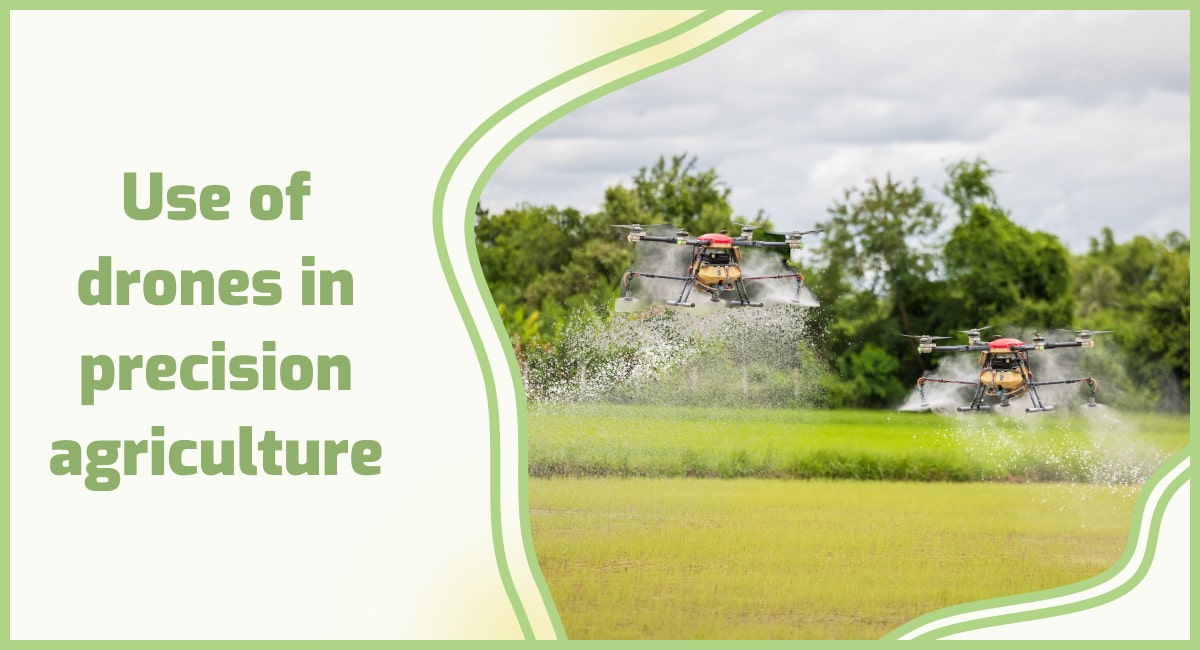
In precision agriculture, UAVs are employed in a variety of tasks ranging from soil sampling and crop field analysis to planting and pesticide application.

Drones in agriculture can be combined with various imaging technologies like hyperspectral, multispectral, thermal, and so on to offer farmers temporal and site-specific information about crop health, fungal infections, growth bottlenecks, and so on.

UAVs are very effective for carefully keeping track of huge expanses of agricultural land, taking into account parameters such as slant and height, for instance, to discover the most effective planting regimen.

Importantly, the high-quality resolution of drone data may be used to measure the fertility of crops, enabling agronomists to apply fertilizers with great precision, reduce waste, and design or fix systems of irrigation.

After natural calamities, such as flooding, the technology can be especially useful in assisting farmers to survey damage over land terrains that may be inaccessible if you’re on foot. The following are some of the roles of drones in precision agriculture:

1. Crop surveying and mapping

Whereas crop evaluation used to have to be done manually, on foot, or from a tractor or using pricey satellite technology, drones in agriculture now allow us to analyze the health of vegetation from the skies in a matter of minutes.

Time-lapse drone photography, for example, can be used to precisely monitor yield growth and development over several days or weeks, and drone-driven NDVI mapping, which employs specialized sensors, is extremely useful for analyzing chlorophyll levels, detecting insects, pests, and disease, identifying weeds and measuring plant stress levels.

Farmers are then able to deal with issues promptly and make essential adjustments as and when they are needed to ensure higher productivity. It essentially means that farmers may be considerably more attentive to their crops’ ever-changing needs.

The mapping process of surveying crops with a drone is pretty straightforward. Many recent agricultural drone models come with flight planning software that enables the operator to draw a shape around the area to be covered. The software then automatically designs a flying course and, in some cases, even prepares camera image shots.

While flying, the drone captures images automatically using onboard sensors and the built-in camera, and it uses GPS to calculate when to take each shot. However, if your drone lacks these automatic features, one person must operate the drone while the other shoots images.

2. Weeds and pest control management

Crop failure is caused by weeds and pests in practically all major crops, including wheat, palm oil, soybean, rice, potato, cotton, and corn. Precision agriculture has a wide range of applications and uses in agricultural settings, including weds and pest management.

They with specialized cameras and sensors capable of detecting specific weeds and pests, as well as GPS technology capable of providing location information for field mapping, can assist in properly tracking enormous regions in a matter of seconds.

Drones in agriculture enable more precise weed strategy planning, increasing the efficiency of mechanical methods and decreasing herbicide growth, leading to cheaper costs, a slower establishment of weed resistance, and increased biodiversity.

Farming drones can cover many hectares in a matter of minutes by flying over the field and sending photographic data for weed and pest identification. Furthermore, farmers and companies may deal with weeds and pests as soon as possible before they harm the entire harvest.

3. Soils inspection

They are frequently used to inspect the status of the soil. In conventional agricultural methodology, there are several phases involved in inspecting the ground, such as visiting the field manually with equipment and reviewing soil samples for various parameters.

Farmers and academics, on the other hand, can watch vital indications of soil quality long after the seeds have been planted, thanks to improved land monitoring technologies.

Drones for soil and field study can assist in monitoring soil and plant density throughout the growing season to avoid “surprises” later on.

This proactive soil sampling with farming drones can assist farmers in staying ahead of any problems and making modifications as needed (e.g., adjusting irrigation, adding nitrogen fertilizer, etc.) in order to maximize crop health.

Soil composition and condition monitoring are critical for modern farming operations. The more exact the data, like with most things, the better.

Farmers can make more informed judgments about where to plant which crops and when to make adjustments by using multispectral soil quality maps of their fields. As a result, with more sustainable land management approaches, yields will be larger and healthier.

4. Irrigation and water management

Water is a valuable commodity that is critical to the success of all farming operations, so it must be properly managed. Drone thermography, which employs thermal sensors to provide an image that indicates the moisture content of the land, comes into play.

With this information, informed judgments about irrigation operations may be made to guarantee that areas of the farm that require more water receive it, while areas that are already moist are not overwatered.

At the end of the day, they help to make farming a far more precise science by providing the benefits listed above. Water and irrigation concerns are not only expensive, but they can also reduce crop production. Drone surveying can be used to identify these issues before they become a problem.

5. Spraying management

Another advantage of precision agriculture drones is the effective and efficient use of fertilizers. UAVs can use advanced sensor technology to pinpoint exactly where additional nutrients are needed, allowing them to be applied only where they are most needed.

Drones in agriculture are also very effective sprayers, capable of delivering precisely the correct amount of plant food at just the right time, successfully lowering the amount of fertilizer discharged by up to 20%. This not only reduces farming costs but also saves excessive environmental damage.

Types of drones used in Agriculture

Unmanned aerial vehicles come in a variety of shapes and sizes, and they can be classified into the following categories:

1. Fixed-wing drones

Fixed-wing use the lift and drag to maintain altitude in the same way as airplanes do. They are fairly simple to operate. It has a non-movable wing and a propeller that allows it to go ahead.

Fixed-wing Agriculture drones

Because of its design, it must always be moving relative to the air surrounding it in order to stay aloft. As a result, the wind can have a significant impact on its operation.

Another constraint is that larger drones require a runway area for deployment and retrieval, whereas smaller ones can be hand-launched and retrieved by landing on a soft surface.

2. Fixed-wing hybrid VTOL drones

A new category of hybrids that can take off and land vertically combines the benefits of fixed-wing drones with hovering ability.

Fixed-wing hybrid VTOL (Vertical Take-off and Landing) drones combine UAV (Unmanned Aerial Vehicle) qualities with the ability to fly in a single location while keeping hybrid traits.

These can take off from a single spot and fly vertically for an extended amount of time because of this function.

3. Multi drones

Multi-rotor drones are the most commonly used for mapping and modeling. These are made up of a fuselage and four motors that power the proper propellers. Multi-rotor are a fantastic choice for aerial photography due to their compact size and outstanding control.

Multi purpose Agriculture drones

They can simply hover and take off vertically, giving them even more mobility. Because of their design, they can also support the higher weight. The multi-rotor can transport goods such as a DSLR camera or other items that allow it to move.

These can easily navigate small spaces. Drones’ GPS receivers will allow them to hover and follow a predefined path using waypoints.

4. Single-rotor helicopter

Single rotor helicopter drones have more advantages than other types. It has a gas-controlled mechanism to boost endurance.

single-rotor helicopter drones

Aerodynamic standards stress that larger rotor blades result in less spinning and greater system reliability. As a result, single rotor helicopters are more practical than other types. Agriculture benefits from single-rotor helicopters’ longer rotor blades.

5. Tethered Drone

A tethered vehicle is a typical drone that is tethered to a wire in order to eliminate the need for a remote controller. Drone movement is thus constrained by the tether. Furthermore, tethered drones come in a wide range of configurations.

They can range from a normal drone that moves in accordance with the tether to a drone that is tethered with a microfilament wire and has an established power source for infinite flying.

According to the Association for Unmanned Vehicle Systems International, in the near future, 80 percent of Unmanned Aerial Vehicles (UAVs) will be employed for agricultural reasons.

But how prepared is the agricultural sector for the use of drones? And how prepared are they to operate fully on the farm?


Frequently Asked Questions


1. What season do they fly the drones to analyze the crops?

Drones are typically flown to analyze crops during the growing season, which is when the crops are actively growing and developing. This period generally corresponds to spring and summer months, depending on the specific crop and location.

By flying drones during this season, farmers can obtain real-time data on crop health, identify areas of concern, and make informed decisions to optimize crop management and maximize yields.

2. Which natural resource can we help protect by using drone and precision application of inputs?

Using drones and precision application of inputs can help protect water resources. By accurately targeting the application of fertilizers, pesticides, and irrigation, farmers can minimize runoff and leaching of these substances into water bodies. Drones provide high-resolution imaging and data collection, allowing farmers to identify areas of over or under-application and adjust inputs accordingly.

3. How to operate the drone?

Operating a drone typically involves the following steps: Firstly, ensure the drone is fully charged and the necessary components, such as the remote controller and mobile device, are connected.

Secondly, conduct a pre-flight check, verifying that the drone’s sensors, propellers, and camera are functioning properly. Thirdly, plan the flight path and set waypoints if needed using the drone’s control software.

Lastly, launch the drone, maneuver it using the remote controller, and monitor the live video feed or captured images for analysis. Following local regulations and practicing safe flying techniques are also important for successful drone operation.

4. How do drones collect data?

Drones collect data through various sensors and technologies on board. These may include cameras, thermal sensors, LiDAR (Light Detection and Ranging), and multispectral sensors. As the drone flies over the target area, these sensors capture images, video, or other data. The collected data is then transmitted and stored on the drone or transferred to a computer for analysis.

Benefits of smart irrigation system for farming

More than a billion gallons of water are utilized each day in the United States for landscape irrigation. A large portion of the water utilized is squandered due to overwatering because of conventional wasteful Irrigation systems. To successfully battle this issue, Smart Irrigation systems are the solution.

What is smart irrigation?

Smart irrigation systems for farming modify timings and schedule of watering automatically to accomplish specific soil needs. These systems increase water use efficiencies significantly.

The conventional irrigation systems used to work on a set programmed schedule with preset timers, whereas smart water system frameworks screen a variety of variables, for example, soil conditions, weather, plant water use, and evaporation to change watering plans.

This increases efficiency while additionally keeping up with soil wellbeing.

How do irrigation controllers work?

At the point when there is an increase in outside temperature or an absence of rainfall, smart watering controllers consider explicit factors, for example, sprinkler throw rate and soil type to modify watering plans.

There are a few features of smart irrigation control frameworks that can be utilized to accomplish efficiency and conserve water. Smart watering systems for farming are created to irrigate in view of the water necessity of the plant, this maximizes efficiency while older traditional irrigation systems used to work with preset timings squandering a lot of water.

Smart irrigation systems are available as all-inclusive complete systems as well as separate controllers which can be added to existing systems to upgrade them to smart irrigation systems.

As these controllers come in an assortment of designs, they can be optimized for specific uses. They can be introduced to irrigate little, residential landscapes as well as enormous regions with fluctuating landscapes.

Although these frameworks are automated, because of changes in certain elements, they should be monitored and adjusted occasionally to keep up with efficiency and guarantee appropriate working.

How does smart irrigation system for farming work?

Smart watering systems work by gathering information from various sensors and analyzing it to make changes in water timings and water streams. These frameworks work by some predefined user information sources like moisture threshold.

The system gathers information from a moisture sensor, then, at that point, analyzes it to decide whether the moisture limit set by the client is reached, if it has, it relays the order to actuators which then turn the sprinklers off.

Moreover, the client can likewise control the framework by means of a smartphone application on the go. The framework can likewise change schedules by breaking down weather information and can likewise decide when it is ideal to water to keep the plants healthy.

Features of Smart Irrigation

1. Water system Scheduling

Planning a get-away? With smart water irrigation, you can set how the system functions ahead of time. scheduling proves to be useful with these systems.

While the frameworks screen and control the water system of the landscape, you can find peace of mind realizing that you will get back to a landscape filled up with healthy plants. You can buy systems with specific features which suit your scheduling needs.

2. Remote Control

While individuals are reluctant to buy systems that work off of smartphone applications as they are not satisfied with applications, these frameworks have progressed significantly, as with most current gadgets, these frameworks additionally have a consistent network and give extraordinary connection through Wi-Fi and different means.

Assuming you are OK with a legitimate handheld gadget, there are systems that come with a physical remote that you can use for your convenience. The controllers come equipped with LED lights to indicate if the system is working or what mode it is working in.

The controller with a smartphone application additionally provides you with the component of controlling it from anywhere you are with the assistance of the application.

You can tweak the water system all through various landscapes by utilizing custom presets over valves inundating various sorts of plants. You can make zones with one or numerous valves giving you control to customize the water system over various regions.

3. Notifications

With smart water system frameworks, you can get advised of essentially whatever happens to the landscape. You will get notified when the irrigation begins and when it stops.

The framework tells you if there is an error in the water system, a few systems additionally let you know whether there is leakage in your water system framework. Find the controller which best suits your needs and has the features that you require.

4. Smarter Irrigation

A few regulators come furnished with weather monitoring which can change irrigation schedules in advance assuming it is expected to rain. This way you don’t have to stress over your plants getting over-watered, and don’t need to physically switch off the framework.

5. Inoperability

Although significant enhancements have been made to improve these frameworks, at this point most economically accessible frameworks can’t connect with smart home gateways and other smart home gadgets.

There are models available which do come equipped with connectivity ability, but they are limited as of now. Organizations are chipping away at this next step and soon you can hope to see most if not all these systems are equipped with smart home connectivity.

Before you buy a smart irrigation system for farming, you need to research what sort of eccentricities and features you need in your system. These systems are customizable, and you can find one to be as per your necessities and your spending plans.

There are a few controllers which incorporate every one of the extravagant features yet they are on the more costly side and you probably won’t need that number of features, so research a little prior to settling on a purchasing choice.

Benefits of Smart Watering Systems

Smart irrigation systems use sensors and real-time weather information to expand efficiency which was a major issue with conventional irrigation control systems that can squander up to half of the water used.

Smart irrigation systems use sensors and real-time weather information

These frameworks likewise give better plant care as they can detect soil moisture and keep up with it for the best plant wellbeing.

There are two fundamental parts of the smart irrigation frameworks. There is an irrigation control type and a delivery type. The delivery type involves the sort of water delivery framework utilized.

The system additionally works off of two distinct kinds of analytic inputs, there is the soil-based system and the weather-based system. These frameworks direct the working of the entire unit.

The soil-based irrigation systems work off of tangible information given by an assortment of sensors inside the ground which is broken down to make decisions about the time and volume of irrigation required.

These sensors incorporate moisture sensors among different sensors, these systems can be set to detect moisture limits set by the client for specific kinds of plants that can be customized by plant type over an enormous landscape.

While the system works to reach the threshold, it can likewise identify soil moisture in specific conditions and irrigate areas differently if some pieces of land get more direct sunlight and require more water.

The weather-based smart watering systems work on analyzing the weather data from reliable weather sources, historical data, and sensors to make decisions about watering schedules.

A weather-based irrigation framework is otherwise called an ET framework or an evapotranspiration framework, as it recognizes and counters for loss of water from the land through evaporation or plant transpiration.

The watering schedule for a weather-based system accounts for a variety of factors to make a decision, for example, local temperature, wind, humidity, and the insolation state of the landscape.

Probably the best benefit of the smart irrigation system for farming is that it additionally helps increase the efficiency in the delivery frameworks for watering. There are 4 common ways of water delivery in smart watering systems: surface, subsurface, stream, and sprinklers.

Traditionally, the surface water system is the most commonly utilized strategy, it has been broadly utilized all through the world, and it includes the utilization of little trenches and streams on a surface level to deliver water with the assistance of gravity.

Sprinklers toss water in the air with high pressure, so it reaches greater distances and distributes water among the plants like rain. Sprinklers can be fixed on the ground or can be in mobile arrangements.
Trickle irrigation works by installing networks of water lines locally through plants, which then drip water very slowly keeping the plants moist over longer periods of time while conserving water.

Subsurface irrigation works by burying water lines close to plant roots throughout the landscape, which provides water directly to the plant roots below the surface. This method is known to maximize the efficiency of water use, as being buried in the ground it is not prone to water evaporation.


Frequently Asked Questions


1. How to irrigate soil?

To irrigate soil effectively, there are a few essential steps to follow. Begin by assessing the water needs of your plants, considering factors such as their specific requirements and environmental conditions.

Next, select the appropriate irrigation method, taking into account factors like the size of the area and available resources. Water at the optimal time to minimize evaporation, typically early morning or late evening.

Finally, ensure even water distribution across the soil surface or root zone. Regular monitoring and adjustments will help maintain effective soil irrigation.

2. What is the example of subsurface irrigation?

An example of subsurface irrigation is the use of buried drip lines or drip tubing. In this method, perforated pipes or tubes are installed beneath the soil surface, delivering water directly to the root zone of plants.

The water seeps out slowly and evenly, minimizing evaporation and reducing water loss. Subsurface irrigation is commonly used in agriculture, landscapes, and gardens to provide efficient and targeted watering while minimizing surface runoff and evaporation.

It helps conserve water and promotes healthy plant growth.

IoT in agriculture: cases of use and opportunities

Allowing communication between machines and various hardware, and inserting digital intelligence into devices, enables to the connection of a vast number of physical devices and sharing of data through the internet without human intervention.

Basically, the term ‘IoT’ includes everything connected to the internet, however, it is increasingly being thought of as pertaining to objects that ‘talk’ to each other. This can include everything from simple sensors to smartphones, wearables, and computers – but for devices that are all connected together.

When connected devices are combined with smart software, as in many automated systems, it is possible to do much more than just gather information but to analyze topography, soil, and crop yield and initiate some action, including learning from a process.

The IoT can apply equally to devices on closed private networks, but the concept of the Internet of Things brings those networks together, creating a much more connected world.

There are many devices that are part of the IoTs, which allow the monitoring of entire processes of agricultural production. IoT devices, supported by software systems, can monitor processes from seedling production through crop management (irrigation, plant protection, and plant nutrition) up to post-harvest.

These devices and software systems allow primary production to be seamlessly connected and integrated into other phases in the agricultural value chain – such as processing, wholesale, retail, and even the final customer.

Most of the IoTs implemented in agricultural production are in the form of sensors that provide relevant data about the real situation in the fields, and the greenhouses, allowing us to make crop monitoring at any time, or in the context of animal production, the status of the individual animal.

These sensors are capturing or generate various types of data, and mostly they capture environmental parameters (humidity and temperature of the soil and air, electrical conductivity, precipitation, wind velocity and direction, leaf wetness, irradiation, and many other implementations specific to the needs of the growers).

What are the opportunities of Iot in agriculture?

The increasingly negative effects of climate change that we are witnessing in the recent period are disrupting agricultural production, bringing up the need for taking well-informed and adequate decisions in a very short period of time.

In addition to this, but totally another perspective, is the following of the strict legal framework and correct record-keeping process, where the producers are losing too much of their precious time. In the context above, the implementation of IoTs across the farm and agricultural operation can help solve one of the main issues of the modern farmer.

The IoTs in agriculture can help the farmers in getting insights about the conditions in the agricultural productions in real-time. They also can help feed the decision-support software for generating proper advice in the decision-making processes.

Additionally, all of the recorded data can be later used as proof for every operation that is made and all of the inputs that are applied, allowing the farmers to not spend additional time in crunching numbers which extensively alleviates the record-keeping process.

Specifically, the implementation of IoT in agriculture can shorten the time in checking the farm routine activities, monitoring specific operations and statuses and allowing the farmers to focus on important activities such as strategic management and positioning of the products on the market.

The end result of IoTs is the potential increase in productivity, cost reduction in input application, traceability, and less labor.

How does IoT work in agriculture?

The IoT implementation on-farm can help the farmers to cut their costs by applying inputs that are more accurate in quantity, just from the interpretation of the information generated on the fields.

How does IoT work in agriculture?

With the IoTs data, the farmers can run different models for detecting disease and pest occurrence, directly influencing the number of applied pesticides and the number of executed operations that will ultimately lead to saving time, cutting costs, and putting less impact on the environment.

Additionally, by calculating the evapotranspiration with the help of the generated IoT data, the farmers will have an opportunity to timely schedule their irrigation patterns allowing them to minimize the applied water.

Saving irrigation water is extremely important in places where there is water scarcity. In addition, the data needed for executing such an operation can be managed with the implementation of several IoT sensors mentioned above.

Apart from crop production, the IoT technology in agriculture is also very useful in livestock management, where the costs for raising livestock are rising from moment to moment. Lately, in livestock management, a great accent is put on how the farmers are treating the animals and different concerns sides are pushing the farmers in to threaten the animals in a more humane way.

The implementation of IoT allows farmers to attach different sensors to the animals without making any kind of discomfort, thus giving them away to constantly monitor their health and activity status.

There are a lot of types of data that are measured through the IoTs, such as animal heart rate, blood pressure, ruminating time, body temperature, etc. Additionally, there are sensors that can be found on the market that are transmitting GPS data. Location monitoring is very useful to farmers who have open-range pastures.

Utilizing all of the above-mentioned types of data is giving the farmers enough time to be proactive about their operations resulting in increased productivity, lowering the negative impact on the environment, and mitigating the negative effects of climate change.

How to use IoT in agriculture?

The advantages of IoT in agriculture can be many, mainly because of their wide-ranging applications. In order to gain a more complete picture of the importance of IoT in agriculture, we are going to mention several types of IoT applications in different types and phases of agricultural production:

1. Weather stations

Sensors combined within weather stations collect data providing measurements that map climate conditions, inform crop decision making, and potentially help to improve crop capacity, delivering maximum possible yields.

By measuring these environmental factors, and generating data from them, the IoTs can build up a precise history that can help farmers with their decision-making processes, or make probabilistic-based plans, thus lowering the risk of unexpected costs and operations.

2. Greenhouse automation

Weather stations are not only used for collecting necessary environmental data but can also be used to automatically adjust conditions in controlled microclimate conditions, such as greenhouses, to match specific growing parameters.

Whether the use is for hydroponics or substrate-grown plants, the benefits of automated greenhouses can be significant. Instantaneous data obtained by the sensors can be combined to give a broad picture of the conditions in the greenhouse.

If the optimal parameters for optimal growing conditions are known and set, automatic adjustment of the environment is readily achieved.

3. Crop management devices

There is a large range of sensors that can be placed in the field to collect decision-making information such as temperature, precipitation, crop health, crop nutritional state, and many others. These devices are core elements in precision farming.

From the sensor measurements, many forms of valuable data can be obtained. When that data is stored, it creates a temporal history that feeds into the decision-making software that helps the farmers in their decision-making processes.

4. Livestock management devices

Sensors can be applied, or even attached, to animals to provide information on the temperature, health and nutritious insight of each individual animal, as well as overall information about the herd.

With this kind of sensor, the farmer knows exactly where specific animals with unique identifiers are. The sensors can also provide information such as when a specific animal last ate, slept, walked, etc.

5. Farm productivity management systems

There are many potential systems that monitor and control all sensors installed in the field, combining them to provide a powerful analytical dashboard for logistics, accounting and reporting functions.

By knowing the exact inputs and outputs used across the farm, farmers can obtain a clear of potential risks that they might face but have information to hand to help with formulating optimal solutions.

What are the advantages of crop rotation?

Crop rotation is a critical element of all production systems as it supports the main mechanisms for creating high-quality soils, successful pest control, and many other useful things on which the final yield and the quality of the product depend.

What is crop rotation? Is it effective?

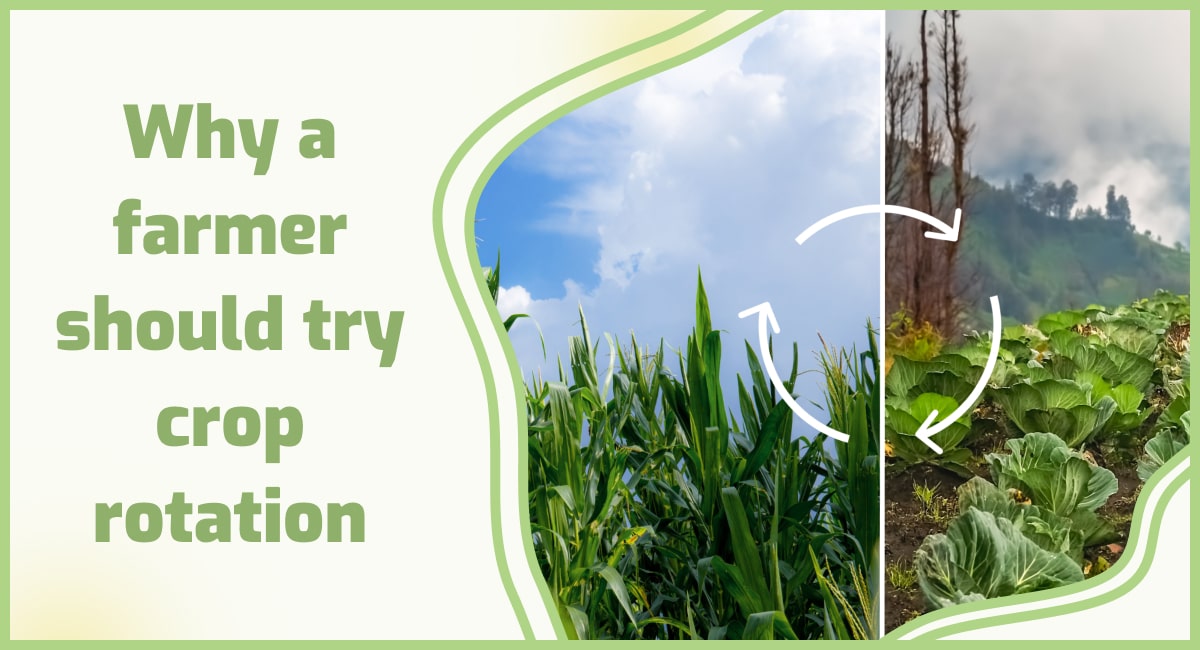
Crop rotation is a farming practice that involves systematically changing the type of crops grown in a specific field over different seasons or years. It helps improve soil health, reduce pest and disease pressure, and optimize crop yields.

By alternating different crop species, the nutrients utilized by one crop can be replenished by the next, preventing nutrient depletion and promoting a balanced nutrient cycle. Additionally, it disrupts the life cycles of pests and diseases, reducing their population and minimizing the need for chemical interventions.

Creating a good plan for the rotation of the crops during the growing seasons requires long-term strategic design and a clearly defined goal. Without such planning, serious problems can occur such as overpopulation of specific soil microbes that adversely affect a particular crop or imbalance of soil nutrients.

Most crop growers focus on two things when they do plan which are improved yield (quality or quantity) for greater profit and improved soil quality.

It in the narrow sense of the word is a pre-planned shift (rotation) of crops, both temporally and spatially.

In a broader sense, crop rotation forms the basis of crop production, it integrates the relations between the production processes and the needs of specific crops, cultivation, fertilization, and protection of the planned crops. Thus, it represents an approach to the utilization of the growing potential of the arable lands.

The basics of the crop rotation are:

• involvement of specific crops.
• division of arable areas in the crop rotation.
• the actual rotation of the crops in time and area.
• soil rest.

What is the purpose of crop rotation?

The intention of doing crop rotation is to sustainably utilize the soil nutrients in providing enough time for the soil to recuperate and directly be involved in that recuperation by planting specific crops that have different nutrient requirements.

With the implementation of this approach of rotating the crops during the growing seasons, the farmers are affected by different natural processes that can occur in the agricultural environment.

These processes can range from one of the most valuable processes in agriculture such as nitrogen fixation by the symbiosis of legumes and nitrogen-fixing microorganisms up to changing the physical structure of the soil by planting deep-rooted or tuberous crops.

This ability to affect the natural processes with proper informed planning of crops that are going to be cultivated in the next years and on which agricultural plots, gives the farmers an advantage on the market and potential for greater profits.

The mentioned advantages of crop rotation consist of the following benefits from the implementation:

  • Lower costs for agricultural inputs (pesticides, fertilizers, irrigation)
  • Minimizing disease and pest pressures across the agricultural plots
  • Improvement of agrobiodiversity
  • Improvement of soil quality
  • Improvement in the yield quality and quantity.

The principles of crop rotation

The principles of crop rotation

Each individual agricultural plot has its unique properties, as well as each agricultural enterprise. Based on the potential of the land and the potential of the farmers, each rotation is specific to that agricultural production system.

Despite its specificness, there are some basic models that can be alternated based on the farmers’ requirements, environmental conditions, financial plans, etc.

The main models can be in the form of three-year, seven-year crop rotation schemes or in other formats depending on the requirements of the farmer or the needs of nature and the soil itself.

The wheat-soybean-corn is one of the most widely used crops in organic production worldwide. Soybean as a crop capable of nitrogen fixation is one of the main sources of available nitrogen for the following crop.

The wheat and the corn as the main cash crop can utilize the nitrogen from the soybean and improve their yields. From another perspective these three crops are generally different from each other, meaning that they have different requirements and different issues regarding their production.

Additionally, by including potatoes in this classic crop rotation, as a crop that has a high added value and has a beneficial effect on the soil, producers will have the potential for higher earnings and at the same time will have a conservation effect on agro-biodiversity.

What are the advantages of crop rotation?

1. Minimizing disease and pest pressures across the agricultural plots

With monocultures or monocropping, there is a potential for increasing the presence of microorganisms and pests that are hosts to the specific crop that is grown.

With it, the usual hosts can no longer be that much active or even unsuitable for thriving in conditions that the following crop is making.

2. Improvement of agrobiodiversity and soil quality

It is a proven method for improving soil quality, thus creating an environment suitable for different saprophytic microorganisms, invertebrates, and other kinds of living things.

Their metabolic processes during their lifetime are contributing to increasing the soil organic content and water retention capacity allowing different types of plants to prosper on that particular agricultural plot.

3. Improvement in the yield quality and quantity

If the soil has enough of every kind of nutrient needed for proper crop growth, achieving potentially high yields is realistic. Additionally, it also is a very helpful mechanism in mitigating the negative effects of climate change, thus allowing the producers to obtain those yields.

4. Lower costs for agricultural inputs (pesticides, fertilizers, irrigation)

With the implementation of proper crop rotation and having all the above-mentioned benefits, the producers can have lower costs for agricultural inputs. Less disease and pest pressure mean less-used pesticides.

Improvement of soil nutrient content means fewer fertilizers input. Having a constant crop cover and improvement in soil structure means less irrigation.

Although if executed properly there are no real shortcomings of crop rotation, but rather potential risks that can fail the production season with or without implementing such an approach. These risks include bad weather conditions and crop production management.

The only real disadvantage of it is in areas where there is a high suitability for growing a specific crop and there is an obligatory crop diversification law.


Frequently Asked Questions


1. How to rotate crops?

It involves the systematic change of crops in a specific field over seasons or years. To implement crop rotation, start by identifying suitable crop options for your region and considering factors like soil type, climate, and market demand.

Plan a sequence of different crops, ensuring they have distinct nutrient requirements and growth habits. Rotate crops by planting them in designated areas or plots according to the planned sequence, following the recommended planting and harvesting schedules.

Regularly monitor the results and make adjustments based on the specific needs and goals of your farm.

2. What to plant after potatoes rotation?

After growing potatoes, it is beneficial to follow with crops that have different nutrient requirements and help break disease cycles. Legumes like beans or peas are excellent choices as they fix nitrogen in the soil, improving its fertility for future crops.

Leafy greens such as lettuce or spinach can also be suitable options, providing a quick turnaround and contributing organic matter to the soil. Additionally, brassicas like cabbage or broccoli help control pests and diseases commonly associated with potatoes.

Consider local climate and market demand when deciding on the specific crop to plant after potatoes.

Types and benefits of cover crops

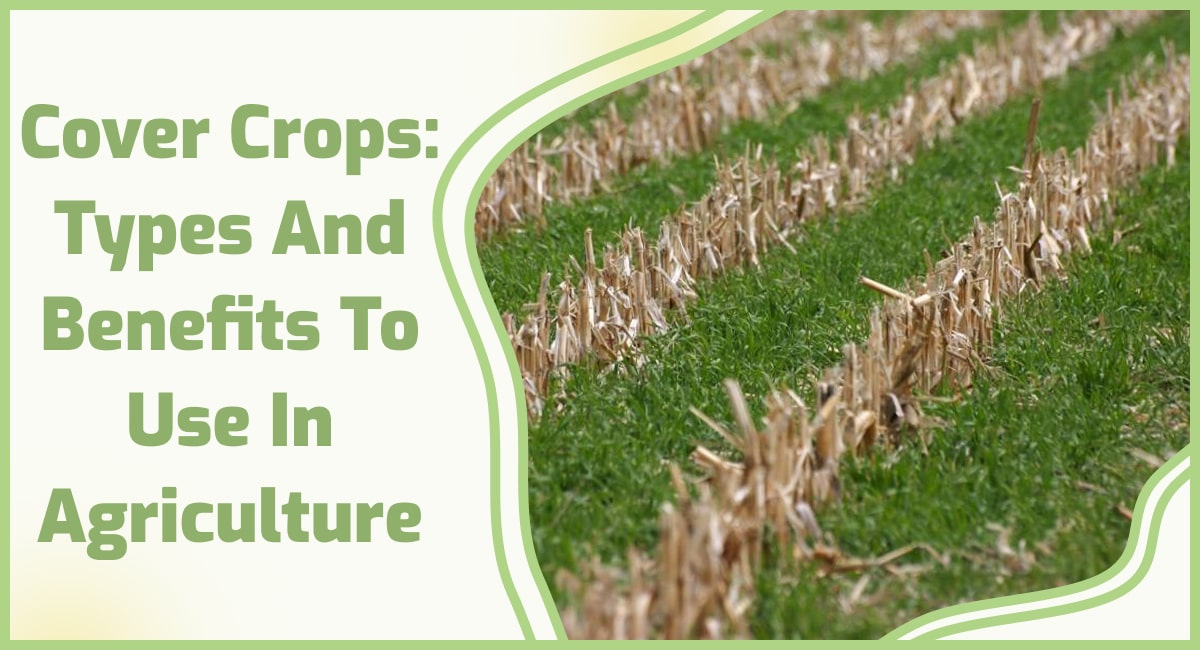
Cover crops, like the name suggests, are planted for the main purpose of covering the soil when it is barren between the growing seasons. They differ from cash crops since cash crops are grown to be either consumed or sold for profit.

What are cover crops or cropping?

Cover crops are an integral part of a successful and sustainable farming practice with its wide array of benefits ranging from preventing soil-erosion, the addition of vital nutrients back into the soil, soil-microbes decomposition, increasing the yield of the main crop, or in some cases, to add as a supplement to the yield.

Which Type of cover crops to plant?
Their importance is increasingly being realized in conservational farming techniques where it is being integrated with no-tillage practices. However, it is very important to understand the concept of cover crops and species selection properly to make full use of this practice.

Which Type of cover crops to plant?

There are several things that you need to keep in mind before deciding on the type of cover crop to plant. Some of the things to consider include:

  • The duration for which you intend to keep the cover.
  • The intended killing method of the cover-crop after the cover duration.
  • Season of plantation – winter or summer season.
  • The food or cash crop you’ll be growing after the cover crop.

After carefully identifying the objectives of adding a it in your crop rotation, you’ll then have a much clearer picture of the type as well as the specific cover crop that best fits your needs. The major types of cover crops you may choose are legumes, non-legumes, or a mix of all.

1. Legumes: Some of the common ones are peas, clovers, and vetch and their varieties. Legume are specifically used to increase the amount of nitrogen and nitrates in your soil. This helps to reduce the need for nitrogen-fertilizers later on in the food crops.

2. Non-legumes: Grasses are widely used in the non-legume category along with cereals. Non-legumes serve a different purpose to that of legume in that they help to trap and retain the nutrients for the duration of the cover period while also providing physical integrity to the soil and reducing the effects of weeds. Moreover, when they are killed and laid out, the organic-matter content of the soil significantly increases.

3. Mixes: For serious farm-owners or small gardeners who wish to exploit all the good aspects of both types of cover crops, mixes of different types may be the best option but it requires more cost and labor.

Benefits of cover crops

Cover-crop holds the potential of drastically increasing the productive potential of land either by enriching the fertility of the soil or by preventing it from degradation. Some of the benefits of cover crops include:

1. Preventing soil from being eroded: Since they are called so because they cover the land when no other vegetation is present, the primary benefit of cover-crops is that in doing so, the soil is prevented from eroded due to the impacts of rainfall splash, flowing water or wind.

2. Maintenance of soil fertility: Cover-cropshelp maintain the soil fertility in several ways including acting as manure after the cover cycle, retaining the nutrients by preventing erosion and in the case of legumes, directly adding nitrates into the soil.

3. Management of weed, disease and pests: If lands are left barren during the fallow period, then there are high chances of weed invasion which will deplete the soil of its production potential.

Even after being cut down and left on the land, cover crops form a protective layer above the soil which suppresses the invasion of weeds.

Similarly, they are effective in the management of bacterial and fungal diseases by blocking the disease cycle. Finally, using them to manage pests is mainly done by incorporating cover crop plants in the same time of plantation as that of food crops to attract pests towards the it and away from food crops.

4. Water regime management: Their addition in your crop rotation helps to manage the soil moisture level throughout the year and helps to deal effectively with the unusual trend of rainfall and temperature levels observed throughout the world.

Besides these primary benefits, they are also advantageous from an economic point of view since many of the them like mustard also have a good commercial value.

Risks of planting cover crops

Since now we have established that they are great ways of managing your farmland for increased yield, we must also learn about the potential risks as well as drawbacks of cover crops.

The major drawback of a cover crop is that it adds costs to the entire operations. Moreover, the costs are usually made initially while the benefits are only accrued over a long period.

While cover-crops help to manage disease and pests, the opposite might also occur. They may further exacerbate the invasion and effect of diseases and pests if not applied correctly with the crop rotation time and the incorrect choice of species.

For example, if a cover-crop plant is a host for a disease, it may act as a carrier of the disease which it transfers later to the food crop. Finally, some cover crops are also known to cause harmful allelopathic effects by the release of biochemicals to the cash crops.

Summary

Cover crops are effective means of achieving the desired outcome of sustainable and organic farmland management and crop production. But, proper research and understanding are required before making a decision on the type, method, and time of cover-crop addition to the crop cycle to make sure that the benefits outweigh the costs while also minimizing the associated risks.


Frequently Asked Questions


1. What are some examples of cover crops?

Some common examples include legumes like clover and alfalfa, which fix nitrogen in the soil, enhancing its fertility.

Grasses such as rye and oats help prevent erosion and suppress weed growth. Additionally, radishes and turnips are also used to break up compacted soil and improve its structure.

2. How do cover crops work? 

They work by protecting the soil from erosion, improving fertility, enhancing soil structure, and suppressing weeds. They act as a physical cover, prevent compaction, retain water, fix nitrogen, and compete with weeds.

In short, they promote sustainable agriculture by improving soil health and supporting higher crop productivity.

3. What is an example of cover crops that can prevent erosion? How do they prevent soil erosion?

An example of it that can effectively prevent erosion is winter rye. Winter rye is a fast-growing grass that forms a dense cover on the soil surface, protecting it from the erosive forces of wind and water.

Its extensive root system helps bind the soil particles together, reducing the risk of erosion. By planting winter rye as a cover crop, farmers can effectively safeguard their soil and prevent the loss of valuable topsoil due to erosion.

4. Is grass a cover crop?

Yes, grass can be considered a cover crop. Certain grass species, such as annual ryegrass or oats, are commonly used as cover crops.

5. Difference between cash crops and plantation crop?

The main difference between cash crops and plantation crops lies in their purpose and cultivation methods. Cash crops refer to crops that are grown specifically for sale and profit, such as wheat, corn, or cotton. They are typically cultivated on smaller farms and involve annual planting and harvesting.

On the other hand, plantation crops are large-scale, perennial crops grown on plantations, often in tropical or subtropical regions. Examples include rubber, tea, or coffee. Plantation crops are cultivated for long-term production, require specialized management, and often involve extensive labor and capital investment.

6. How can crop rotation prevent soil erosion?

Crop rotation can effectively prevent soil erosion through several mechanisms. Firstly, by alternating the types of crops grown in a field over time, crop rotation helps break the cycle of pests and diseases that may be specific to certain crops, reducing the need for chemical pesticides and protecting soil health.

Secondly, different crops have varying root systems, some of which are more effective at holding the soil together, reducing the risk of erosion. Additionally, crop rotation allows for the inclusion of cover crops, which provide a protective layer to the soil, preventing erosion caused by wind and water.

Lastly, crop rotation can enhance soil fertility by diversifying nutrient demands, minimizing nutrient depletion and improving overall soil structure, further reducing the likelihood of erosion.

Indoor vertical farming: pros and cons

The need for a better system of farming is increasing by the day. The world population keeps growing and is expected to continue to increase in the future; the system of farming catering for the feeding needs of the world as of today is gradually declining.

This is a result of several factors, with land being the chief. The projected increase in population also requires land for housing the growing population. Since almost everyone wants to live in the city, the land available for farming might not be enough for cultivation.

This, therefore, requires an alternative means to increase agricultural production to cater to global consumption. With limited land space, specific farming systems where crops are not planted into the soil but on the vertical stack in a controlled environment might solve the problem above.

This system of farming is known as indoor vertical farming. In the future, we’ll be discussing indoor vertical farming as a possible means for global consumption.

Indoor vertical farming: pros and cons

Ever wondered why books are arranged in a vertical stack in libraries? It ensures that many readers are set to occupy the limited spaces possible. Indoor agriculture utilizes this pattern to ensure numerous crops are planted on small pieces of land.

Vertical farming is a method of farming where plants are cultivated and stacked vertically in a controlled environment. It allows for increased yield per piece of land. This farming system is carried out indoors, in rooftops, warehouses, supermarkets, skyscrapers, etc. This ensures that the plants are not exposed to harsh weather conditions.

What is Controlled Environment Agriculture (CEA)

Control environment agriculture, this agricultural system allows crops to be grown in a controlled environment designed to maximize the growth of the produce grown in it. Each crop within the farm is planted to ensure it receives the required nutrient, temperature, and humidity best suitable for the maximum yield of the crop.

Crops are grown above each other to increase yield per acre. Growing crops in this manner on a piece of land produces approximately ten times what is obtainable in traditional farming, where plants are grown horizontally in rows.

There are three types of control environments which include the hydroponic, aquaponic, and aeroponic. In a hydroponic environment, plants are grown in a nutrient-containing solution to support their growth. The first usage of this farming technique was about centuries ago.

The need for indoor vertical farming

The need for indoor vertical farming

1. Lost fertile land

Aside from a large amount of land lost to housing for the ever-growing world population, the system of farming, as well as the continuous farming using the same available land, has rendered it infertile, making it not suitable for farming.

Since vertical farming is a soilless method of planting, the fertility of the soil does not affect the system’s productivity.

Also, steep and sloppy land that will affect the cultivation of plants in traditional farming poses no issue in vertical farming since the crops are not cultivated horizontally on the soil but in an upward arrangement.

2. Manage the use of water

Since plants are grown in a controlled environment, the need for water is reduced to the barest minimum. Indoor vertical farming preserves about 95% of the water required for traditional farming systems since water is recycled in the system. This reduces the amount of water used on the farm and the overall cost of production.

3. Avoid extreme weather

Plants grown in a controlled environment are protected from harsh weather conditions such as drought, erosion, flood, etc. The plants are cultivated in a designed environment required for plant growth.

Plants in this system are not affected by weather variations such as sun or water since they are grown in-door and have been adequately prepared to ensure increased productivity.

4. Preserving food

Crops are planted and transported to supermarkets across a long distance, either by air or road. These crops are kept in the refrigerator to preserve them. The carbon dioxide emissions in the process affect the nutritional value of the yield and the taste.

It ensures that fresh farm produces obtained within minutes of harvest are available for purchase and consumption; these are packed with nutrients and great flavor.

5. Pesticides

Crops are grown using vertical crop growing to eliminate pesticides on the farm. Since plants are cultivated indoors in a controlled environment, where pests and rodents are not welcomed, there is no need for the use of pesticides, thereby reducing the amount spent on pesticides as well as preventing water pollution caused by pesticides during erosion.

The crops produced are also free of pesticides and chemicals that affect the crop during harvest. These ensure that crops harvested are safe for consumption without the effect of pesticides.

6. Year-round crop availability

With a vertical farming system, crops are made available to consumers throughout the year since plants are grown in an effort n to the climate designed to increase yield. Crops are therefore not limited to a particular season and can be grown throughout the year.

This, thus, ensures that all crops are available for consumption all year round. Waiting for a certain period to get a particular crop type becomes Impossible.

Disadvantages of indoor vertical farming

Disadvantages of indoor vertical farming or Controlled Environment Agriculture

The numerous excellent advantages of vertical farming do not come without their fair share of disadvantages which include:

1. Vertical farming is expensive

The cost of setting a controlled environment for growing crops is exorbitant compared to traditional farming, which requires little money.

Setting up a vertical farm requires a considerable amount of money to set up the system, unlike conventional agriculture, where getting seeds and space to plant is enough to kick off your journey in agriculture. Starting vertical agriculture will require a substantial amount to set the plan in motion.

2. It requires special operation techniques

Since plants are grown in a controlled environment with no exposure to sunlight and rain, managing the plant using an artificial source of light, water, and nutrient conditioned for each plant requires the service of an expert to make the operation successful.

The traditional farming system is done by everyone, even behind the home in the garden. With little or no knowledge at all, you can begin planting. In vertical agriculture, you want to ensure you are equipped with knowledge for the successful running of the farm

3. Pollination becomes difficult

Indoor vertical farming reduces the chances of pollination of flowers necessary for producing fruits in plants. Since the natural setting has been disturbed, the pollination of plants by insects is affected because plants are cultivated indoors.

Without pollination, it becomes impossible for the production of fruits in plants. For pollination to occur, artificial support of the system will be required.

4. Overdependence on technology

The system is run heavily by technology to provide sunlight, humidity, water, and nutrients needed for growth. The system’s dependence on technology is responsible for the low labor used in the system.

Any hindrance to this system, such as power failure or break, can affect the smooth running of the system. This can result in partial or total disruption of the system.

Controlled Environment Agriculture can solve the need of food

Can vertical farming solve the proposed world’s agricultural product needs? Planting crops in layers above one another in a controlled environment ensures that large numbers of plants are grown in small spaces.

With the advantages above and disadvantages, combining both farming systems might be necessary to feed the growing world’s population.

Vertical farming is expensive, but it helps manage the available land to yield high productivity, and traditional agriculture or horizontal farming is affordable. Both can be adopted together to cater to the feeding of the world’s population.

Some farms such as breweries have already started utilizing the vertical growing system and enjoying the perks of productivity and fresh fruit that comes with growing plants in a controlled environment.


Frequently Asked Questions


1. Are indoor vertical farms the future of agriculture? What problem does it solve?

Indoor vertical farms have the potential to play a significant role in the future of agriculture. With their efficient use of space, controlled environment, and year-round production capabilities, they can address challenges such as limited arable land and climate change impacts.

Vertical farms offer advantages like reduced water usage, fewer pesticides, and shorter supply chains. However, the scalability, cost-effectiveness, and energy requirements of indoor vertical farming still need further development and optimization.

While they hold promise, a combination of different farming methods is likely to shape the future of sustainable agriculture.

2. Do vertical farms use soil?

No, vertical farms typically do not use soil for growing plants. Instead, they use alternative methods such as hydroponics, aeroponics, or aquaponics. Hydroponics involves growing plants in a nutrient-rich water solution, while aeroponics involves suspending plant roots in the air and misting them with nutrient-rich water.

Aquaponics combines hydroponics with aquaculture, where plants grow in water enriched by fish waste. These soil-less techniques allow for precise control of nutrient delivery, water usage, and plant growth, making it efficient and space-saving.

3. What is horizontal farming?

Horizontal farming is not a widely recognized term in the field of agriculture. However, if we consider it in the context of traditional farming practices, it generally refers to the conventional method of farming where crops are grown in horizontal fields or plots of land.

It involves the use of soil, natural sunlight, and traditional farming techniques like tilling, planting, and harvesting.

Horizontal farming is the conventional approach that has been practiced for centuries and is still widely used today, although newer methods like vertical farming are gaining popularity.

What is the purpose of strip cropping

There are lots of factors responsible for the productivity of crops in agriculture. Factors such as land can not be overlooked. The size and topography (structure) of the land play a great role in the yield and farming method to employ that will yield the highest productivity. Strip cropping is the most desirable method to achieve increased productivity on sloppy land as well as to protect the soil from erosion.

Purpose of strip cropping

The growing of crops in strips is known as strip cropping. Strip cropping is a method of farming that involves the alternation of close strip crops such as cotton, corn, sugar beets, soybeans, etc with small grains such as millet, wheat, or hay. It is usually employed on sloppy land and also where this method remains the only available solution to prevent erosion.

It helps preserve the fertility of the soil by forming a water dam in between the strips; therefore, nutrients that would have been lost due to runoff are otherwise retained in the dam. Some plant parts absorb more nutrients and minerals than other parts.

During erosion, when water reaches the soil with low minerals which constitutes the strength of the soil, it, therefore, washes the topsoil away, stripping it of the little available nutrients. This is otherwise avoided by the strip of soil which reduces the pressure of the water making it difficult to wash the soil away; thereby, maintaining the soil fertility.

Aside from improving soil fertility, field strip cropping reduces soil erosion. Due to the strip of soil in between the crops, erosion of wind and water is prevented, since the strip serves as a break in the movement of both water and wind.

It also enhances water infiltration by allowing the soil to absorb a large amount of water which forms a dam in the strip. Thereby, improving the growth of the crop.
Other benefits of strip farming include; retaining soil moisture, fixing nitrogen into the soil, controlling pests, attracting pollinators, etc.

Types of strip cropping

There are several types of strip cropping employed on the soil and they are primarily based on the soil topography and the type of erosion to be controlled.

1. Wind strip cropping

This type is usually adopted on land that is leveled or almost leveled and is prone to wind erosion. The strip crops are grown at a right angle to the wind direction, irrespective of the contour.

This system is aimed at preventing wind erosion which is why the contour which is a major factor in water erosion is not considered.

2. Contour strip cropping

It is recommended on plain land across a slope, it is employed to prevent runoff (the movement of water on the soil surface) which leads to loss of soil fertility. Studies show that combining it with terracing results in the conservation of water and soil.

The size of the strip is determined by the topography of the land. Plants are cultivated in strips at a right angle to the direction of the land slope along the contour. The crops are grown in a rotational sequence.

This is to ensure plants are grown in order and maintained throughout the year, with or without planting in rotation.

3. Buffer strip cropping

Buffer strip cropping refers to the practice of planting strips of vegetation, typically grasses or legumes, along the edges of fields or water bodies. The strips are 10- 20m apart and each of which is about 2-4 meters in width, which can either be uniform or not and can be laid at the edge of the slope. The main aim of this type is to prevent soil erosion.

By trapping sediment and absorbing excess nutrients, it helps maintain water quality and preserves the integrity of adjacent ecosystems. This sustainable technique not only conserves soil but also promotes biodiversity and supports sustainable land management practices.

4. Field strip cropping

This is similar to contour strip cropping but with some modifications. In this system, crops are placed parallel not rotational, unlike the contour. The plants are laid across the slope which may or may not be on the contour based on the structure of the land.

Types of strip cropping

It is commonly adopted on irregular lands because it becomes difficult to make the layout for contour strip cropping. The sloppy area of the land is used for grass waterways since it is not suitable for field.

It is a farming method that ensures sloppy lands are utilized to give maximum productivity as well as protect the land from soil erosion. The different type of strip cropping is to ensure all land topographical features are taken into account to maximize the overall output of the farm.

Aside from protecting the soil from erosion and ensuring maximum use of the sloppy land, there are several other benefits of strip cropping on the plant which increase plant yield, making it the best option in sloped areas.


Frequently Asked Questions


1. How does strip cropping prevent soil erosion and helps in soil conservation?

It plays a vital role in soil conservation by employing a simple yet effective technique. By planting alternating strips of different crops, the soil’s surface is shielded from the erosive forces of wind and water.

The taller crops act as natural barriers, reducing the speed and impact of wind, while the intercropped plants help retain moisture and bind the soil together. This method not only prevents soil erosion but also promotes biodiversity and enhances overall soil health, making it a sustainable practice for farming.

2. What is strip harvesting in agriculture?

Strip harvesting in agriculture refers to a technique where crops are harvested in a systematic and sequential manner, one strip at a time. This approach involves harvesting a narrow strip of the field while leaving the rest untouched.

By implementing strip harvesting, farmers can ensure a continuous supply of crops while allowing the remaining plants to mature and develop further. This method also aids in better resource allocation and efficient utilization of labor and machinery, resulting in optimized harvests and improved overall agricultural productivity.

3. Is strip cropping sustainable?

Yes, it is sustainable. It prevents soil erosion, retains moisture, and promotes biodiversity. It is a long-term solution for preserving soil quality and minimizing environmental impact in agriculture.

4. What is stripping?

In the context of agriculture, stripping refers to the process of removing unwanted vegetation or cover crops from a field. It involves cutting or uprooting plants to clear the land for cultivation or planting desired crops.

Stripping is typically done to eliminate competition for nutrients, sunlight, and water, allowing the preferred crops to grow more effectively. This practice helps farmers prepare the soil for cultivation and maximize the productivity of their chosen crops.

5. What is strip till?

Strip till is a conservation tillage technique used in agriculture. It involves tilling or cultivating only a narrow strip of soil where seeds will be planted, while leaving the remaining soil undisturbed. This method helps conserve soil moisture and reduce erosion by preserving the natural structure and organic matter in the unplowed areas.

Strip till also offers precise seed placement and nutrient application, optimizing crop growth and yield. By minimizing soil disturbance, strip tillage promotes sustainable farming practices and supports long-term soil health.

6. Why is soil erosion a problem?

Soil erosion is a significant problem due to its adverse impacts on both the environment and agriculture. Firstly, it leads to the loss of fertile topsoil, which contains essential nutrients necessary for plant growth. This reduces agricultural productivity and can result in food insecurity.

Secondly, soil erosion disrupts ecosystems, pollutes water bodies with sediment, and harms aquatic life. It also exacerbates flooding and landslides.

Lastly, soil erosion contributes to climate change as it releases stored carbon into the atmosphere. Addressing soil erosion is crucial for sustainable land management and preserving the Earth’s resources.

wpChatIcon
wpChatIcon

    Request Free GeoPard Demo / Consultation


    By clicking the button you agree our Privacy Policy. We need it to reply to your request.

      Subscribe


      By clicking the button you agree our Privacy Policy

        Send us information


        By clicking the button you agree our Privacy Policy