Preparing for Q2 Success: Essential Steps from Q1 Precision Insights

Preparing for Q2 Success: Essential Steps from Q1 Precision Insights

You’ve spent months gathering Q1 insights from your fields, but turning that data into a clear Q2 plan can feel overwhelming. GeoPard Agriculture simplifies this by unifying your yield data analytics, soil layers, and satellite imagery into actionable steps. In this post, you’ll learn how to use management zones and variable rate application tools to sharpen your Q2 planning and connect seamlessly with John Deere Operations Center. For more insights on precision agriculture, check out this resource.

Leveraging Q1 Insights for Q2 Planning

As you step into Q2, it’s crucial to make the most of your Q1 data. Transforming these insights into actionable strategies can set the stage for success.

Analyzing Yield Data and Soil Layers

Uncovering trends within your yield data is the first step. This data, along with detailed soil layers, reveals the unique characteristics of your fields. By examining patterns, you can pinpoint which areas consistently perform well and which require attention. For example, a field that shows a 15% increase in yield might indicate optimal soil conditions.

Next, integrate soil data to understand its impact on crop performance. This might include analyzing pH levels or nutrient content. By doing so, you can identify specific areas needing nutrient adjustments. Imagine knowing exactly where to apply fertilizers for maximum impact. This precision not only saves resources but also enhances overall yield.

Mapping Management Zones and VRA Maps

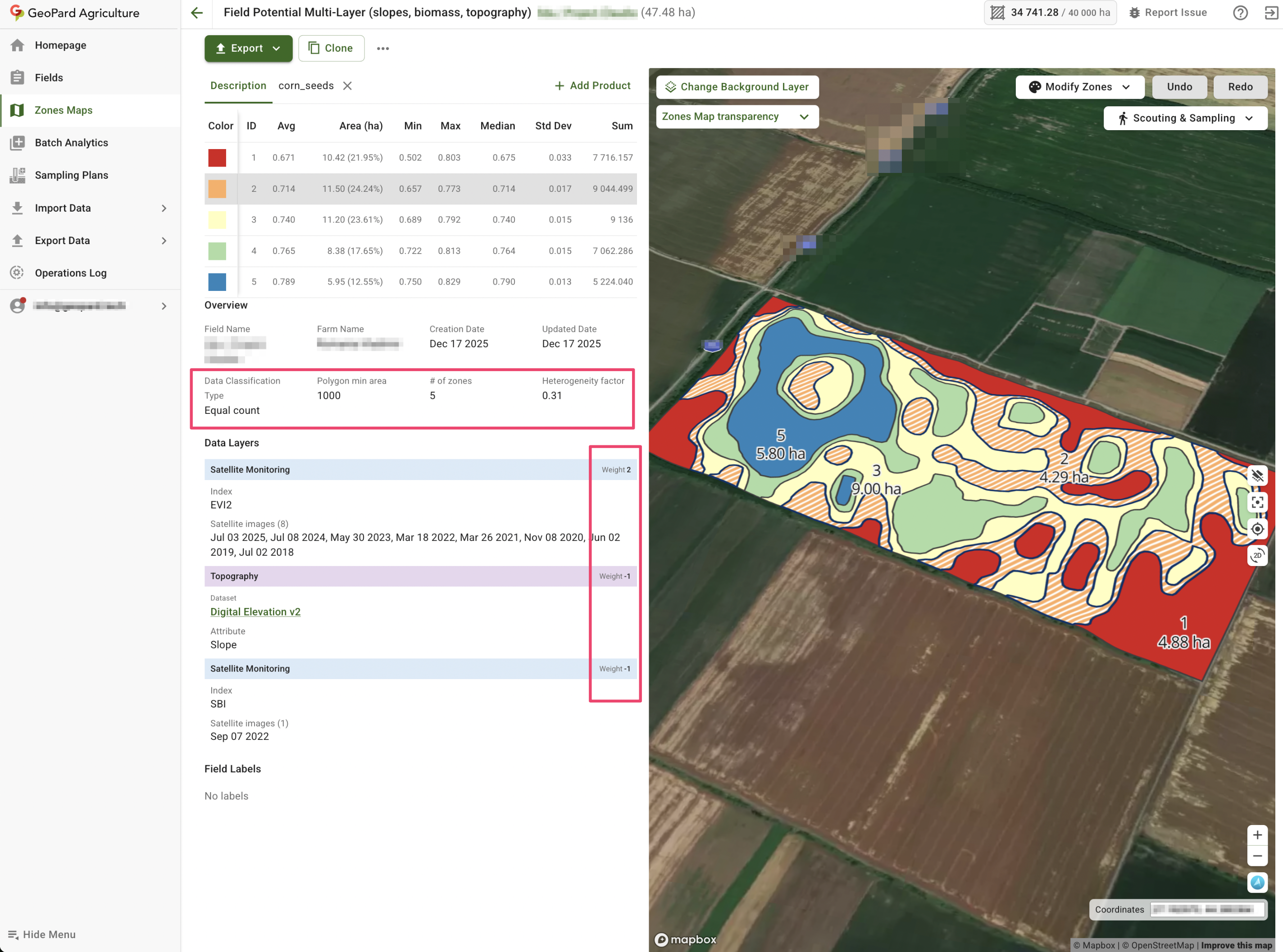
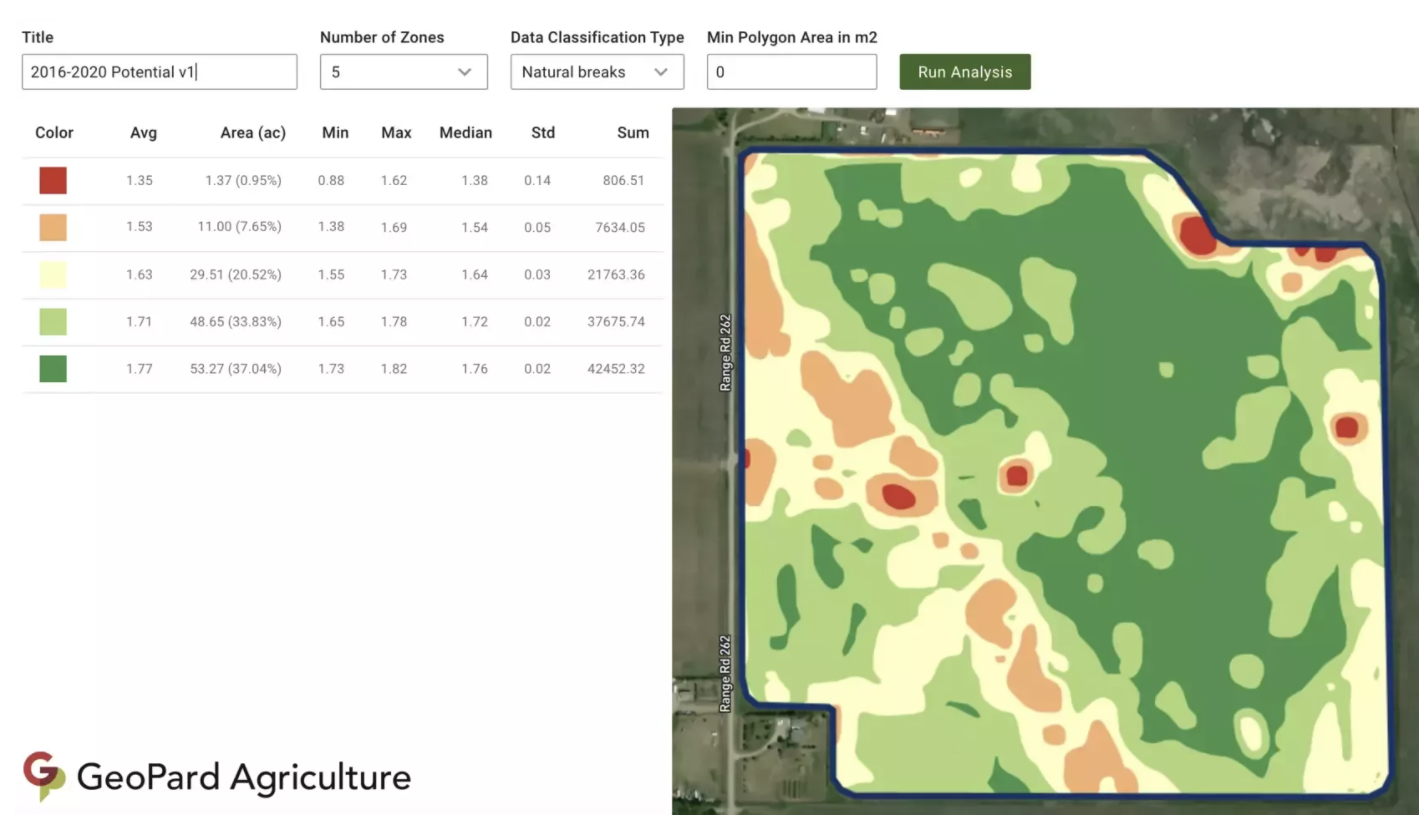
Creating management zones allows for tailored strategies in each area. When you’re aware of field variability, you can address each zone’s needs specifically. For instance, a high-yield zone might require less intervention, while a low-yield area could benefit from targeted inputs.

Variable Rate Application (VRA) maps are your allies in this process. They guide you in applying the right amount of resources where needed. This approach not only optimizes input use but also increases profitability. Crafting these maps might seem challenging, but with the right tools, it becomes a straightforward task.

Harnessing NDVI and Satellite Imagery

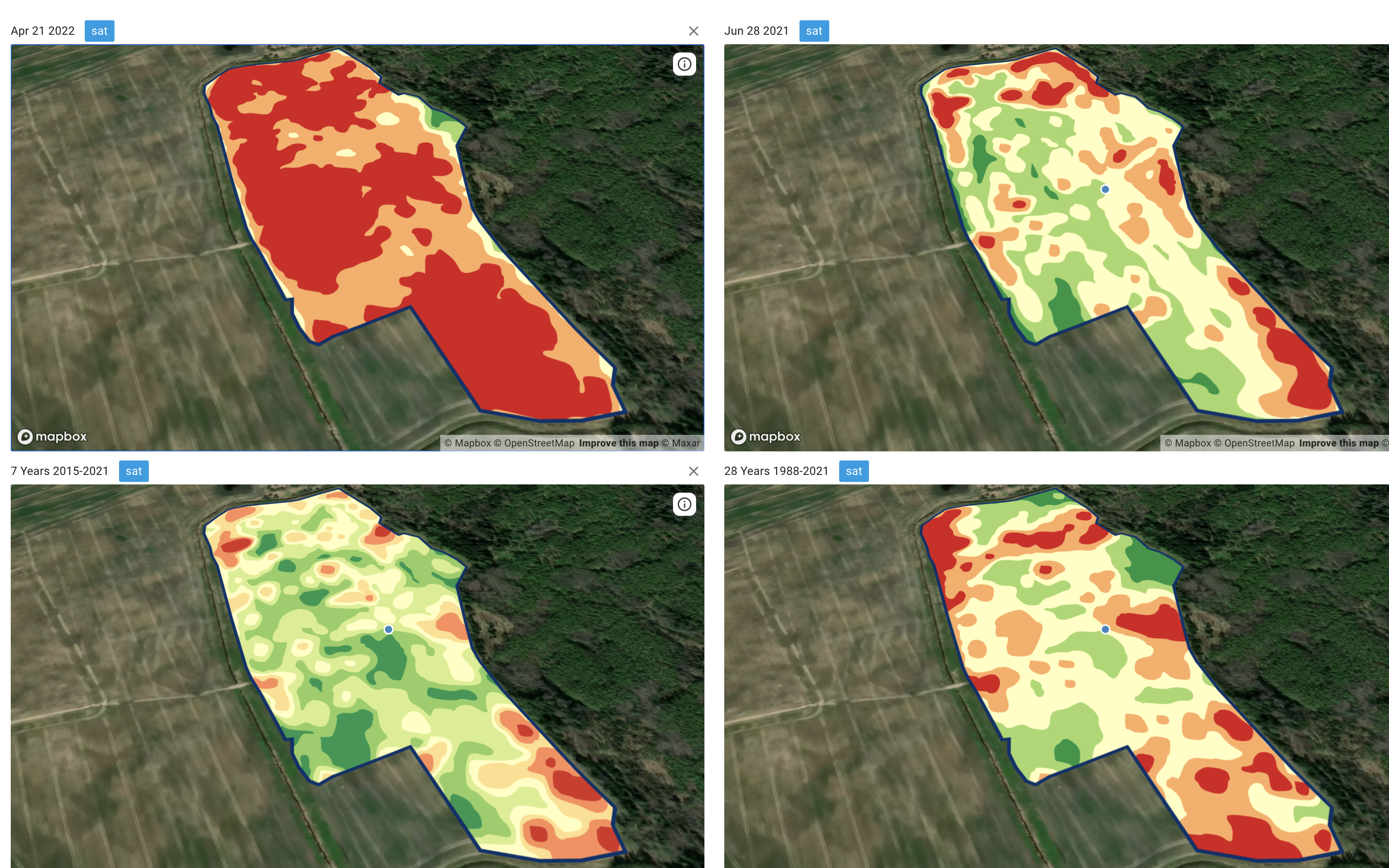
NDVI and satellite imagery provide a bird’s eye view of your fields. These tools reveal crop health and growth patterns in real-time. By regularly monitoring this imagery, you can react swiftly to any changes. This insight allows for proactive management, addressing issues before they escalate.

Imagine spotting a pest outbreak early through satellite imagery. You can intervene immediately, safeguarding your crops. This proactive management ensures healthier fields and better yields. Leveraging these tools places you ahead, ensuring your crops thrive throughout the season.

GeoPard Tools for Q2 Success

GeoPard’s suite of tools empowers you to implement these strategies seamlessly. These tools are designed to enhance your decision-making and streamline operations.

Streamlining John Deere Operations Center Integration

Integrating with the John Deere Operations Center brings a new level of efficiency. It allows for seamless data flow between your systems. This integration means less manual entry and more time focusing on strategy. Data syncing ensures that your decisions are backed by the latest insights.

By connecting your GeoPard data with John Deere, you’re ensuring consistency across platforms. This unified approach simplifies your workflow, reducing the chances of errors. It’s about creating a system where every decision is data-driven and precise.

Crafting Smart Recommendations and Agronomic Workflows

Crafting smart recommendations is about understanding the nuances of your fields. GeoPard enables you to create agronomic workflows tailored to each zone’s needs. This customization ensures that every action you take is optimized for results.

Whether it’s adjusting fertilizer rates or planning irrigation schedules, these workflows guide you. They provide a clear path to follow, ensuring you’re always on track. Ultimately, it’s about maximizing your field’s potential with informed decisions.

Monitoring Crops with Historical Imagery

Historical imagery offers a wealth of information. It allows you to track changes and trends over time. By analyzing this data, you can predict future challenges and opportunities. This foresight helps in planning and resource allocation.

Imagine knowing exactly how a field responds to certain treatments over the years. This knowledge makes future planning more effective. You’re not just reacting to changes; you’re anticipating them, ensuring your fields remain productive.

Driving Trials and Demos with Precision

Precision is key when it comes to trials and demos. It’s about showcasing the effectiveness of your strategies and tools.

Implementing Bi-Directional Data Sync

Bi-directional data sync ensures that information flows seamlessly between systems. This feature keeps your data current and consistent. It’s crucial for making real-time decisions during trials.

By maintaining data accuracy, you can trust the results of your trials. This reliability builds confidence in your strategies and showcases their effectiveness. Stakeholders can see the real impact of data-driven decisions.

Conducting ROI Analysis and Profitability Mapping

ROI analysis is essential for understanding the financial impact of your strategies. With GeoPard, you can map profitability across different zones. This analysis highlights which areas deliver the best returns.

Profitability mapping guides your investment decisions. It shows where to focus resources for maximum gain. With clear insights, you can make informed financial decisions that enhance overall profitability.

Engaging with Free Trials and Subscriptions

Free trials and subscriptions offer a low-risk way to explore GeoPard’s capabilities. They provide hands-on experience with the tools and features. This engagement helps you see firsthand how GeoPard can transform your operations.

By trying these tools, you gain confidence in their benefits. It’s about understanding how GeoPard fits into your workflow and enhances decision-making. Embrace these opportunities to fully realize the potential of precision agriculture.

By leveraging these insights and tools, you’re not just planning for Q2; you’re setting the foundation for ongoing success.

Prepare for smarter farm decisions this year

Q1 Precision Agriculture Playbook to Enhance Spring Crop Management

Q1 Precision Agriculture Playbook to Enhance Spring Crop Management

Spring crop management can make or break your season, especially when timing and precision matter most. You’ve got the data, but turning it into clear action often feels like a maze. This Q1 precision agriculture playbook cuts through the noise with proven steps on planting readiness, nitrogen management, and early crop monitoring—all powered by GeoPard’s AI-driven insights and seamless John Deere Operations Center integration. For further insights, see this resource.

Planting Readiness with Precision Tools

Starting the planting season with precision tools makes a huge difference. Let’s explore how to prepare your fields for the planting window.

Preparing for the Planting Window

Timing is essential when it comes to planting. You need to be ready when the optimal window arrives. Start by checking local weather forecasts and soil conditions. This will help you determine the best time to plant. Aiming for the right window ensures your seeds have the best environment to germinate.

Next, utilize GeoPard’s precision agriculture software to gather data on your field’s current state. This data may include soil moisture and temperature, both critical factors for successful planting. By being proactive, you are positioning your crop for a strong start, which can lead to increased yields.

Equipment Calibration and Data Sync

Your equipment must be in peak condition. Ensure that planters and seeders are calibrated according to manufacturers’ guidelines. Misalignment can lead to uneven planting, affecting crop health. Regular maintenance checks can prevent these issues.

Data synchronization is equally important. Sync your equipment with John Deere Operations Center integration. This allows real-time updates and precise planting. Keeping data in sync reduces errors and optimizes your planting strategy.

Soil Zone Mapping and Field Variability

Not all parts of your field are the same. Soil zone mapping helps identify different conditions within your field. Use GeoPard’s satellite imagery and topography analytics to create detailed maps. These maps highlight areas of high and low productivity.

Understanding field variability lets you apply the right amount of seed and nutrients where needed. This targeted approach not only boosts crop potential but also cuts costs. By focusing on specific zones, you maximize efficiency and increase your return on investment.

Optimizing VRA Seeding and Nitrogen Management

Once your field is ready, it’s time to optimize seeding and nitrogen management. Let’s dive into creating effective management zones.

Building Effective Management Zones

Creating management zones is crucial for efficient resource use. Begin by analyzing historical yield data and current soil conditions. GeoPard’s software offers insights by combining these data points.

These zones guide where to focus your efforts. Zones with poor soil can receive more attention, while zones with rich soil require less intervention. This approach conserves resources and enhances productivity.

Creating VRA Seeding and Nitrogen Maps

Variable Rate Application (VRA) is a game-changer. It ensures precise distribution of seeds and nitrogen. Use GeoPard’s VRA maps to tailor applications according to management zones.

By applying the right amount of input, you prevent waste and increase crop vitality. This precision leads to higher yields and better resource management. A well-executed VRA strategy can transform your agricultural outcomes.

Leveraging John Deere Operations Center

Integrating your data with the John Deere Operations Center simplifies your workflow. This platform provides a seamless connection between your equipment and data analytics.

By leveraging this integration, you can access real-time data and make informed decisions quickly. This streamlined process saves time and enhances your overall farming strategy.

Early Crop Monitoring and Data-Driven Decisions

After planting and optimizing inputs, focus on monitoring your crop growth. Early detection of issues is key to successful farming.

Satellite Imagery NDVI and NDRE Insights

Satellite imagery provides an aerial view of crop health. NDVI and NDRE indices are valuable tools for monitoring plant vigor and nutrient status. Regularly reviewing these indices helps spot problems before they escalate.

Healthy crops reflect in a more vibrant NDVI, signaling optimal growth conditions. If NDRE readings indicate nutrient deficiencies, you can address them promptly. This proactive monitoring ensures your crops stay on track.

Topography Analytics and Yield Data Analysis

Understanding your field’s topography is essential for managing water flow and erosion. GeoPard’s topography analytics offer detailed insights. By analyzing these, you can implement measures to manage water efficiently.

Yield data analysis helps track progress and plan for future seasons. Evaluating past yields combined with current data helps refine your strategies. This continuous improvement cycle enhances productivity year after year.

In-Season Scouting and Agronomic Support

Field scouting is vital for ongoing crop health. Regularly walk your fields to identify potential issues like pests or diseases. Use GeoPard’s agronomic support tools to log observations and take corrective actions.

In-season scouting allows you to react swiftly to challenges. Collaborate with agronomists when needed, ensuring your crops receive expert care. Staying vigilant helps secure a bountiful harvest.

In conclusion, embracing precision tools and data-driven strategies can significantly enhance your spring crop management. By preparing thoroughly and leveraging advanced technology, you set the stage for success.

Reflect on the quarter’s precision ag insights and prepare to adopt smarter strategies.

From Q1 Insights to Spring Wins: Turning Early-Season Data Into Precise Actions

From Q1 Insights to Spring Wins: Turning Early-Season Data Into Precise Actions

You spent months gathering Q1 agronomy insights, but how do you turn that data into spring planting strategy that actually drives results? Many consultants and growers struggle to move from raw numbers to clear, actionable steps. In this post, you’ll learn how to build stable management zones, generate precise VRA prescriptions, and connect your equipment data for smarter spring operations with GeoPard’s agronomic analytics platform.

Harnessing Q1 Agronomy Insights

Unlocking the potential of Q1 agronomy insights can set the foundation for a successful planting season. The goal is to transform data into actionable strategies that maximize yield and efficiency.

Building Stable Management Zones

Stable management zones are key to tailored agronomic practices. First, gather multi-year satellite imagery and soil data. This helps identify areas of consistent performance across your fields. Use this data to draw boundaries that reflect the unique characteristics of each zone. This personalized approach allows you to apply precise inputs where they are needed most.

Crafting VRA Prescriptions

Variable Rate Application (VRA) prescriptions can significantly boost productivity. Start by analyzing yield data and topography. With these insights, generate maps that guide seed, fertilizer, and pesticide applications. VRA prescriptions ensure resources are allocated efficiently, reducing waste and increasing returns.

Synchronizing Equipment Data

Connecting your equipment with data analytics platforms like GeoPard is essential. By syncing machinery data with agronomic insights, you can automate applications and monitor performance in real-time. This seamless integration supports informed decision-making and enhances operational efficiency.

Optimizing Spring Planting Strategy

With your zones and prescriptions in place, it’s time to focus on optimizing your planting strategy. This involves precise monitoring and targeted applications based on real-time data.

Monitoring Crop Vigor with Satellite NDVI

Satellite NDVI is a powerful tool for tracking crop health. Regularly monitor NDVI images to assess crop vigor and identify stress areas early. This proactive approach allows timely interventions, ensuring optimal growth conditions.

Implementing Variable Rate Seeding

Variable rate seeding optimizes plant populations by adjusting seed rates according to zone productivity. Use soil and historical yield data to determine the best seeding rates for each area. This ensures plants have the resources they need to thrive, leading to higher yields.

Planning Nitrogen Topdress Applications

Nitrogen is crucial for crop development, but over-application can be costly and harmful. Plan your topdress applications using soil test integration and real-time crop monitoring. Adjust nitrogen rates based on current crop needs and environmental conditions to maximize efficiency and minimize waste.

Tracking and Analyzing ROI

After implementing your strategies, it’s crucial to track their effectiveness and analyze the return on investment. This informs future planning and optimizes resource allocation.

As-Applied Data Analysis

Analyzing as-applied data provides insights into application accuracy and effectiveness. Compare planned vs. actual application rates to identify discrepancies. This analysis helps fine-tune future applications for better results.

Zone Stability and Field Variability Mapping

Mapping field variability and zone stability highlights areas needing attention. Use this information to adjust management practices and improve overall field performance. Regular mapping keeps your strategy aligned with field dynamics.

Setting Up ROI Analysis in Agriculture

ROI analysis is essential for evaluating the success of your agronomic strategies. Calculate inputs vs. outputs to determine profitability. This analysis helps refine future strategies and ensures a focus on high-return practices.

By systematically applying these insights, you can transform raw Q1 data into actionable strategies that drive success throughout the growing season. With GeoPard’s platform, unlocking the full potential of your fields is within reach.

Reflect on the quarter’s precision ag insights and prepare to adopt smarter strategies.

How Advanced Analytics Helped Agribusinesses Overcome Q1 Hurdles: A Strategic Guide

How Advanced Analytics Helped Agribusinesses Overcome Q1 Hurdles: A Strategic Guide

Q1 throws a mix of weather swings, tight planting timelines, and rising input costs at agribusinesses every year. You’ve likely felt the pressure of these challenges cutting into your margins and decision-making. With advanced analytics for agribusiness, you can turn complex data into clear, actionable steps—like creating precise management zones and variable rate application maps—that keep your operations on track. Let’s explore how GeoPard’s AI-driven platform helped farms overcome these hurdles and deliver measurable ROI this season. For more insights, check out this document.

Navigating Q1 Agribusiness Challenges

Weather, prices, and planting windows create a perfect storm in Q1 for agribusinesses. Let’s see how you can navigate these challenges effectively.

Managing Weather Volatility with Precision

Weather unpredictability is a major concern for farmers. But what if you could forecast accurately and prepare better? GeoPard’s platform helps you use historical data and satellite imagery to understand weather patterns. This data lets you plan operations when conditions are just right.

For instance, using NDVI time series, you can track plant health and predict growth stages. This means you can optimize your crop management around expected weather changes, ensuring your crops thrive regardless of what Mother Nature throws your way.

Tackling Input Price Fluctuations

Why pay more when you can save smartly? Rising input costs can eat into profits, but smart planning makes a difference. GeoPard’s software analyzes your field data to recommend precise input levels. This means you use only what you need, cutting unnecessary costs.

Imagine reducing fertilizer use by 20% while maintaining yield. By understanding yield and soil data integration, you’re not just guessing; you’re making data-backed decisions that result in savings.

Addressing Tight Planting Windows

Timing is everything in planting. Miss the window, and yields suffer. GeoPard’s crop monitoring platform keeps you informed about optimal planting times. With real-time data, you can seize the perfect moment.

Think of it this way: instead of rushing, you’re strategizing. Precise timing means healthier crops and better yields, putting you ahead in Q1.

Leveraging Precision Agriculture Software

Precision agriculture software transforms farming challenges into opportunities. Here’s how GeoPard leads the way with its advanced tools.

GeoPard for Advanced Analytics

Why settle for guesswork when you can have precision? GeoPard offers advanced analytics for agribusiness, turning complex data into clear solutions. With over 20 years of satellite imagery, you gain a historical edge in planning.

This software doesn’t just provide data; it offers insights. By integrating topography analytics, you understand your land better, making informed decisions that boost productivity.

Smart Agronomic Recommendations

What if your software could think like an agronomist? GeoPard offers smart agronomic recommendations based on real-time data. The recommendations adapt to your specific fields, ensuring optimal input use and timing.

This means you’re not just managing your fields; you’re mastering them. With precise recommendations, you enhance productivity and reduce waste.

Creating Management Zones and VRA Maps

Imagine knowing exactly where to plant, fertilize, or irrigate. GeoPard’s tools allow you to create management zones and variable rate application maps tailored to your fields. These maps ensure every input is used effectively.

Instead of a one-size-fits-all approach, you have a customized strategy that reflects your unique landscape, leading to better resource management and higher yields.

Realizing ROI with Data-Driven Agronomy

Data is power, especially in agriculture. Let’s explore how you turn data into profit with GeoPard.

Crop Monitoring and Decision Support

Picture having a personal assistant for your fields. GeoPard’s crop monitoring platform offers in-season decision support, keeping you updated on crop health and growth. This proactive monitoring means fewer surprises and more informed decisions.

By spotting issues early, you save on potential losses, turning challenges into opportunities for improvement.

Integrating Yield and Soil Data

Your soil tells a story. By integrating yield and soil data, you understand your fields better. GeoPard’s platform helps you combine these data points to enhance decision-making, ensuring every action is guided by facts.

This integration means better planning, optimized input use, and ultimately, higher returns on your investment.

John Deere Operations Center Bi-Directional Sync

In the fast-paced world of farming, flexibility is key. GeoPard’s integration with John Deere Operations Center provides bi-directional data sync, ensuring your data flows smoothly between platforms. This seamless integration means your operations are always up-to-date.

By syncing data, you streamline processes, reduce errors, and enhance efficiency, leading to a higher ROI. This approach not only saves time but also positions you for success in agribusiness.

Prepare for smarter farm decisions this year

Q1 Precision Ag Playbook: Common Challenges and AI Solutions for Consultants and Farm Managers

Q1 Precision Ag Playbook: Common Challenges and AI Solutions for Consultants and Farm Managers

Q1 farm planning often feels like racing against the clock. You juggle messy data, uncertain management zones, and input decisions that can make or break the season. This playbook breaks down common hurdles and shows how AI agronomy analytics can streamline your workflow, turning confusion into clear, actionable steps. Get ready to sharpen your edge with tools designed for consultants and farm managers aiming for smarter, faster results.

Tackling Q1 Precision Ag Challenges

Facing Q1 challenges can be daunting, but the right strategies make all the difference. Let’s explore practical solutions.

Overcoming Data Cleanup Issues

Messy data can lead to costly mistakes. You need clean, precise data for effective planning. Start by assessing your data sources. Are they reliable? Often, data from different sources doesn’t match up. This can cause confusion. Regular audits of your data can help spot inconsistencies early. Use software tools to automate these checks, saving you time and reducing errors. GeoPard’s platform offers built-in data cleanup features, ensuring your data is ready for action.

Once your data is clean, integration becomes key. Seamlessly connecting data from various sources, like yield maps and soil tests, can improve your insights. This integration allows for a more comprehensive view of your fields, helping you make informed decisions. The longer you put off organizing your data, the more difficult the season becomes. Tackling this now sets you up for success.

Validating Management Zones

Management zones are crucial for precision farming. They help you apply the right inputs at the right time. But how can you be sure they’re accurate? Start by reviewing your historical data. Are there patterns that suggest a need for adjustment? Field observations are also vital. What do you see that data might miss?

Once you’ve gathered your insights, use advanced tools to refine your zones. GeoPard offers capabilities to create detailed management zones with precision. By using satellite imagery and historical data, you can ensure your zones reflect the true conditions of your fields. Most people think their zones are perfect, but revisiting them can reveal hidden opportunities for improvement.

Leveraging AI for Input Planning

With your data sorted and zones validated, it’s time to plan inputs strategically. AI can offer significant advantages here.

Creating Variable Rate Application Maps

Variable rate application (VRA) maps help you distribute inputs efficiently. Start by defining the needs of each field. Consider soil type, crop requirements, and historical yield data. Using these factors, you can create a VRA map tailored to each field’s needs. This ensures that each area gets the right amount of inputs, reducing waste and boosting yields.

Don’t just rely on traditional methods. Implement AI tools like GeoPard to automate the process. AI analyzes vast amounts of data quickly, providing precise recommendations. This not only saves time but also reduces human error. The key insight here is that embracing AI isn’t just about technology; it’s about optimizing your entire operation for better results.

Enhancing Soil Sampling Strategies

Soil health is the backbone of successful farming. Regular sampling is crucial, but how do you ensure it’s done right? Start with a clear sampling plan. Identify zones based on soil type and historical performance. Sampling should be consistent and cover all critical areas.

Technology can elevate this process. GeoPard’s platform offers tools to create detailed sampling plans, ensuring comprehensive soil health insights. With AI, you can predict how changes in soil conditions might affect future crops. This allows you to proactively adjust your strategies, safeguarding your yields. Remember, the longer you wait to adjust, the more challenging the season ahead becomes.

Early-Season Risk Management Techniques

Planning is one thing; managing risks is another. Early interventions can prevent bigger problems later.

Utilizing NDVI Satellite Imagery

NDVI imagery is a powerful tool in your risk management toolkit. It offers real-time insights into crop health. By analyzing these images, you can spot issues like pest infestations or nutrient deficiencies early. This allows for timely interventions, protecting your crops and yields.

The beauty of NDVI is its ability to cover large areas quickly. No need for constant field visits. You can monitor your fields from anywhere, focusing your resources where they’re needed most. The common belief might be that on-site inspection is best, but satellite imagery offers broader, more consistent coverage.

Implementing Field Benchmarking

Field benchmarking allows you to compare performance year-over-year. This helps identify trends and make data-driven adjustments. Start by setting benchmarks based on past performance. Consider factors like yield, input use, and soil health. Regularly compare these benchmarks against current data to identify areas for improvement.

GeoPard’s tools make benchmarking straightforward. By integrating all your data, you can easily track performance and make informed decisions. The key takeaway is that benchmarking isn’t just about comparison; it’s about continuous improvement. Use these insights to refine your strategies and enhance your overall farming success.

Prepare for smarter farm decisions this year

From Q1 Insights to Input Efficiency: Best Practices for Precision Ag Teams

From Q1 Insights to Input Efficiency: Best Practices for Precision Ag Teams

You’ve just wrapped up your Q1 agronomy analysis, but turning all that data into smarter input use isn’t simple. Many consultants and growers struggle to translate field insights into precise fertilizer rates, seed placement, and crop protection tactics. This post lays out clear steps to apply your Q1 learnings with precision agriculture best practices, showing how GeoPard’s tools simplify management zones, VRA maps, and decision tracking to sharpen your strategies right now. For more information on precision agriculture practices, check out this guide.

Turning Q1 Insights into Action

Turning your Q1 agronomy insights into tangible actions can feel like a puzzle. Yet, the right tools make it easier. Harnessing precision agriculture best practices allows you to optimize input use and boost productivity.

Leveraging Q1 Agronomy Analysis

Step one is understanding the data from your Q1 agronomy analysis. This data holds the key to smart farming decisions. By identifying patterns and trends, you can make informed choices about how to manage your fields.

  • Identify trends: Look at your data for any standout patterns. Are there areas consistently underperforming?

  • Use insights wisely: Prioritize actions that address these patterns. This ensures your focus is on areas with the most impact.

  • Consult resources: For a deep dive into precision agriculture, this guide is a good place to start.

Input Optimization in Farming

Optimizing your inputs isn’t just about cutting costs; it’s about getting more out of every dollar spent. The data from your Q1 analysis can reveal where adjustments are needed.

  • Fertilizer: Apply just the right amount to maximize crop growth without waste.

  • Seeds: Use your data to determine the best seed placement strategies.

With the right approach, you can see a 20% savings in fertilizer use, translating directly into increased profitability.

AI in Agriculture for Precision

AI technology is revolutionizing agriculture with its ability to analyze large datasets quickly and accurately. GeoPard’s platform uses AI to help you make data-driven decisions efficiently.

  • AI tools: These tools can highlight areas of improvement or predict future trends.

  • Decision support: AI aids in creating adaptable strategies that respond to real-time data.

The longer you wait to integrate AI, the more opportunities for increased efficiency you might miss. For more on precision ag software, see this resource.

Building Effective Management Zones

Creating effective management zones is crucial for precision agriculture success. These zones let you treat each part of your field according to its specific needs, boosting overall efficiency.

Satellite Imagery for Crops

Satellite imagery provides a bird’s-eye view of your fields, allowing for precise management zone creation.

  • Field insights: Imagery helps identify crop health and growth patterns.

  • NDVI interpretation: This index shows plant health by measuring light absorption.

GeoPard’s 20+ years of satellite imagery gives you unparalleled access to historical data for comparison and planning. Learn more about optimizing inputs with satellite imagery here.

Topography Analytics for Precision

Topography analytics are essential for understanding field variations. These insights help in crafting strategies that account for natural landscape changes.

  • Elevation and slope: These factors affect water runoff and nutrient distribution.

  • Precision strategies: Use topography data to fine-tune input applications.

Effective use of topography analytics can dramatically enhance your input strategy’s precision.

Historical Field Variability Insights

Past performance is a strong indicator of future potential. Understanding historical field variability allows you to predict and plan for future seasons more accurately.

  • Data trends: Identify areas with consistent patterns of high or low productivity.

  • Adjustments: Tailor your strategy to leverage these insights for better outcomes.

Having a comprehensive view of your field’s history is a game-changer in making informed decisions.

Crafting Precision Agriculture Strategies

Transforming your data into actionable strategies is the final step. By implementing precision agriculture tactics, you can enhance your crop management practices significantly.

Variable Rate Application and VRA Maps

Variable Rate Application (VRA) is a cornerstone of precision agriculture. It involves applying inputs at varying rates across a field to match the needs of specific areas.

  • VRA maps: These maps guide where and how much of an input to apply, optimizing resource use.

  • Efficiency gains: VRA can lead to a 30% reduction in input costs while maintaining yield.

Integrating VRA into your operations can streamline your processes remarkably.

Fertilizer Rate and Seed Optimization

Optimizing fertilizer and seed rates is crucial for maximizing yield without unnecessary costs.

  • Tailored application: Use your data to apply the right amount of fertilizer and seeds where they’re needed most.

  • Cost benefits: Optimized rates mean lower input costs and higher yields, improving ROI.

Precision ag software like GeoPard can automate these calculations, making the process seamless.

Crop Protection Strategy Enhancement

Enhancing your crop protection strategy is the final piece of the puzzle. With better data, you can create a strategy that reduces risk and increases output.

  • Targeted protection: Focus efforts on areas most prone to pests or disease.

  • Smart solutions: Use data to decide when and where to apply crop protection measures.

By refining your crop protection strategy, you can ensure a healthier crop and a more profitable season.

In conclusion, applying Q1 agronomy insights effectively through precision agriculture practices can revolutionize your farming operations. By leveraging tools like GeoPard, you can optimize every aspect of your input use, from fertilizers to seeds, and protect your crops more effectively. Remember, every data point is a stepping stone to smarter, more efficient farming.

Reflect on the quarter’s precision ag insights and prepare to adopt smarter strategies.

Turn Q1 Field Data Into Action: A Step-by-Step Guide to Smarter Agronomic Decisions

Turn Q1 Field Data Into Action: A Step-by-Step Guide to Smarter Agronomic Decisions

Q1 data analytics can reveal hidden patterns in your fields that too often go unnoticed. You’ve already collected yield maps, soil sampling data, and satellite imagery—now it’s time to turn all that into actionable agronomic decision-making. This guide shows you how to refresh management zones, build precise VRA prescriptions, and plan in-season strategies using GeoPard’s AI-powered analytics, so you can make smarter, data-backed choices all season long. For more insights, check this link.

Leveraging Q1 Data Analytics

Digging into Q1 data can feel overwhelming, but it holds the key to smarter farming. As you sift through the numbers, clearer pictures of your fields emerge.

Refreshing Management Zones

Start by refining your management zones. This allows you to target specific areas with the right inputs. Use yield maps and soil data to identify zones. With tools like GeoPard, you can create dynamic maps that reflect the real-time needs of your land. This approach not only saves time but also boosts productivity.

For example, a farmer noticed low yields in a specific zone. By analyzing Q1 data, he adjusted his inputs, leading to a 15% increase in production the following season. The takeaway? Refreshing zones isn’t just a task—it’s a game-changer.

Building VRA Prescriptions

Next, focus on creating VRA prescriptions. Variable Rate Application means applying the right amount of inputs at the right time. It’s precision at its finest. To build effective VRA maps, combine data from yield maps, soil tests, and historical imagery. This lets you fine-tune input levels across different areas.

Imagine you’re planting corn. Instead of a blanket approach, VRA allows you to apply more fertilizer where the soil needs it and less where it doesn’t. This precision can lead to reduced waste and improved crop health.

Planning In-Season Strategies

Finally, plan your in-season strategies with confidence. GeoPard’s analytics provide insights for every growth stage. Use this data to decide when to irrigate, fertilize, or apply pesticides. Adjust your approach based on real-time field conditions.

Consider the impact: a 10% increase in efficiency by simply timing your actions better. Planning isn’t about guessing; it’s about informed decisions that lead to better yields.

Tools for Agronomic Decision-Making

Understanding the tools at your disposal is crucial. They transform raw data into actionable insights, helping you make informed decisions every step of the way.

AI-Powered Analytics Benefits

AI-powered analytics can revolutionize how you approach farming. These tools process complex datasets quickly, revealing patterns you might miss. They help predict outcomes and suggest the best actions to take.

Think about it: most people believe intuition is enough, but data-driven insights are the future. Embrace this technology to stay ahead in the game. The longer you wait, the more opportunities you might miss.

Integrating John Deere Operations Center

Integrating systems like the John Deere Operations Center makes managing your data seamless. This platform syncs with GeoPard, allowing for smooth data flow. It’s like having all your tools in one toolbox, ready for action.

For instance, you can easily transfer data between your machines and software, saving time and reducing errors. Integration not only simplifies operations but also enhances data accuracy, leading to better decision-making.

Utilizing Yield and Soil Data

Yield and soil data are foundational to effective management. By utilizing them, you get a clear picture of what’s happening under the surface. Use these insights to tweak your strategies and improve outcomes.

For example, by analyzing soil data, you can adjust nutrient applications, ensuring your crops get what they need to thrive. It’s all about making data work for you.

Optimizing Crop Management Practices

With data in hand, it’s time to refine your crop management practices. These strategies ensure your fields reach their full potential.

Monitoring with Satellite Imagery

Satellite imagery offers a bird’s-eye view of your fields, revealing patterns invisible from the ground. Regular monitoring helps spot issues like pest infestations or water stress early, allowing timely interventions.

Consider using NDVI and biomass indices. These metrics provide insights into crop health and vigor, guiding your management decisions. With images updated every few days, you’ll always have the latest data at your fingertips.

Nitrogen and Seeding Rate Strategies

Optimizing nitrogen and seeding rates is vital for maximizing yields. By analyzing data, you can tailor these rates to specific field conditions, ensuring optimal growth.

For example, a farmer adjusted seeding rates based on soil fertility, resulting in a balanced crop stand and improved yields. It’s not about applying more; it’s about applying smartly.

Conducting ROI Analysis in Agriculture

Finally, conduct regular ROI analysis to ensure your practices are cost-effective. Use tools to evaluate the financial impact of your decisions, helping you allocate resources wisely.

For instance, you might discover that a small change in practice leads to significant cost savings. ROI analysis isn’t just about profit; it’s about making your operations sustainable and efficient.

With these insights and tools, you’re equipped to transform your farming practices. Use data as your guide, and watch your productivity soar. For more detailed studies, you can refer to this resource.

Reflect on the quarter’s precision ag insights and prepare to adopt smarter strategies.

Streamlining Farm Data Workflows: Q1 insights and actionable tips for ag service providers

Streamlining Farm Data Workflows: Q1 Insights and Actionable Tips for Ag Service Providers

You just spent hours juggling fragmented data across multiple platforms and still can’t get a clear picture of your fields. Farm data workflows often slow down agronomists and service providers more than they realize. In this post, you’ll find Q1 insights revealing common bottlenecks and practical tips to streamline your data ingestion, analysis, and delivery using GeoPard’s precision agriculture software. Learn more here.

Key Q1 Farm Data Insights

Understanding Q1 farm data insights can illuminate significant challenges and solutions for agronomists. Let’s explore common workflow issues and how GeoPard makes a difference.

Common Data Workflow Bottlenecks

Agricultural data often sits in silos, leading to delays. Imagine trying to merge data from multiple sources manually. This can take hours. Many service providers report that over 50% of their time gets lost in data wrangling. The complexity of handling different formats is another hurdle. Most people think that having large amounts of data is beneficial, but it can overwhelm if not managed well.

GeoPard’s Role in Streamlining

GeoPard’s software simplifies these workflows, making data more accessible. By consolidating information from various sources, it reduces processing time significantly. With GeoPard, you can integrate and analyze data in real-time. This approach challenges the belief that data management has to be cumbersome. Instead, it’s about efficiency and clarity.

Streamlining Data Processes

Improving how you handle farm data can transform your agricultural operations. Let’s see how you can optimize each stage, from ingestion to delivery.

Ingesting Agricultural Data Efficiently

The first step is gathering data effectively. GeoPard supports multiple data types, including soil sensors and satellite imagery. This integration enables a seamless collection process. For instance, using automated data entry, you can reduce errors and save time. Many think manual entry is unavoidable, but automation proves otherwise.

Analyzing with Precision Agriculture Software

Once you’ve collected data, analysis becomes crucial. GeoPard’s precision software uses AI to provide deep insights. You can generate management zones and variable rate application maps. This means you can make informed decisions faster. A key insight: precise data analysis leads to better crop management.

Delivering Insights to Ag Service Providers

Finally, delivering insights efficiently is vital. GeoPard ensures that service providers receive timely reports. This includes yield data analysis and topography analytics. By sharing clear insights, you help clients optimize their operations. The longer you wait to streamline, the more opportunities you miss.

Actionable Tips for Service Providers

Enhance your service offerings with practical steps. These tips will help you harness GeoPard’s capabilities effectively.

Implementing a Practical Checklist

Creating a checklist can guide your workflow improvements. Start with assessing your current data sources. Then, identify integration opportunities with platforms like GeoPard. Regularly reviewing this checklist ensures continuous improvement. Here’s the key insight: structured processes lead to better outcomes.

Engaging with GeoPard’s Free Trial

Trying out GeoPard’s trial can demonstrate its potential. During the trial, explore features like AI agronomy analytics and field analytics platforms. This hands-on experience can show you how it fits into your workflow. Most people hesitate to try new software, but trials offer risk-free exploration.

Integration with John Deere Operations Center

GeoPard integrates seamlessly with systems like the John Deere Operations Center. This bi-directional data sync enhances collaboration. By using such integrations, you can streamline operations further. It challenges the idea that systems must remain isolated. Instead, interconnected platforms offer greater value.

In conclusion, streamlining your farm data workflows with GeoPard can lead to significant operational improvements. From ingestion to delivery, each step offers opportunities for optimization. Adopting these practices will not only improve efficiency but also enhance your service offerings.

Prepare for smarter farm decisions this year

The Hidden Cost of Ignoring Precision Agriculture Data at Scale

The Hidden Cost of Ignoring Precision Agriculture Data at Scale

Ignoring precision agriculture data on large farms isn’t just risky—it’s costly. When you apply uniform rates across diverse fields, revenue drains quietly without your notice. In this post, you’ll see how unmanaged yield variability and late problem detection chip away at your bottom line. We’ll highlight how management zones and VRA prescriptions can plug these leaks, backed by solid ROI evidence. Ready to see what GeoPard’s data-driven agronomy can do for your operation? Learn more about the economic consequences of neglecting precision agriculture data here.

Economic Impact of Precision Ag

Precision agriculture isn’t just a buzzword—it’s a game-changer for profitability. When large farms neglect precision data, they risk losing more than just potential yield. Let’s explore the hidden costs and how you can avoid them.

Revenue Leaks from Uniform Rates

Applying the same treatment across varied fields might seem efficient, but it often results in hidden costs. Why? Because every part of a field is unique. Uniform rates can lead to over-application in some areas, while others suffer from nutrient deficiencies. These overlooked discrepancies can quietly drain revenue. A study found that farms using uniform rates lost up to 20% yield potential due to uneven input distribution. By understanding each field’s needs, you can prevent these leaks.

Consider this scenario: A farmer applied the same amount of fertilizer across a 200-acre field. The result? Some areas thrived, while others underperformed significantly. This inconsistency led to a substantial loss in potential income. Avoiding this pitfall starts with recognizing that no two fields are alike.

Cost of Ignoring Farm Data

Data can be overwhelming, but ignoring it costs more. Imagine missing signs of disease until it has spread, or overlooking soil nutrient changes until yields drop. These situations are more common than you’d think. Ignoring farm data can lead to costly interventions and lost yields. When you don’t monitor critical data, problems go unnoticed until it’s too late. This oversight can mean the difference between profit and loss.

Most people think they can rely on intuition, but data tells a clearer story. For instance, a farm that monitored its soil data saved 15% on fertilizer costs, simply by adjusting applications based on real-time feedback. Data-driven decisions bring more precision into farming practices.

Large-Scale Farming Profitability

For large-scale operations, precision isn’t a luxury—it’s a necessity. With vast areas to manage, efficiency becomes paramount. Large farms face unique challenges, from managing diverse soil types to optimizing input usage across distances. By ignoring precision agriculture data, these challenges multiply, leading to inefficiencies and revenue loss.

Consider the size of your operation: the bigger it is, the more you stand to gain from precision tools. Large farms using precision agriculture data reported up to a 25% increase in overall profitability. The key is consistently applying data insights to guide every decision, from planting to harvesting.

ROI from Zone Management and VRA

Seeing how ignoring precision data can affect your bottom line, let’s shift to solutions. Zone management and Variable Rate Application (VRA) offer promising returns on investment. These strategies tailor inputs to specific field conditions, maximizing efficiency and productivity.

Proven Benefits of Management Zones

Management zones allow you to treat different field areas based on their unique needs. This targeted approach means healthier crops and better yields. Zones can be defined using various data points like soil type, topography, and historical yield. By dividing a field into zones, you ensure each area gets the right amount of care.

A farmer who adopted management zones saw a 30% increase in yield in just one season. This approach not only improved crop health but also reduced input waste. Creating management zones means you’re optimizing every square foot of your field.

Variable Rate Application Prescriptions

Variable Rate Application, or VRA, takes precision a step further by allowing you to apply inputs at rates that match field conditions. Instead of a one-size-fits-all approach, VRA adjusts inputs in real-time. This method reduces waste and boosts efficiency, leading to significant cost savings.

In one case, a farm implemented VRA for nitrogen application and saved 20% on input costs, while maintaining high yield quality. This technique aligns input use with plant needs, ensuring resources are used judiciously. With VRA, you make every drop and grain count.

Precision Ag Tools for Success

To fully capitalize on precision agriculture, you need the right tools. Let’s dive into how technology, like satellite imagery and crop monitoring software, empowers precision farming.

Satellite Imagery for Farming

Satellite imagery offers a bird’s-eye view of your fields, showing variations you might miss on the ground. This tool helps you spot issues early, such as pest infestations or drought stress. With satellite data, farmers can make timely interventions, preventing small problems from escalating.

Imagine spotting a potential yield drop from space before it affects your harvest. That’s the power of satellite imagery. Many farmers reported catching issues weeks earlier than traditional scouting methods, allowing for more proactive management.

John Deere Operations Center Integration

Integration with tools like the John Deere Operations Center streamlines data management, making it easier to harness precision ag insights. This platform allows for seamless data flow between equipment and field analysis tools. The result? More informed decisions and efficient operations.

By integrating with the John Deere Operations Center, farmers can synchronize their data effortlessly. This connectivity leads to better planning and execution, ultimately enhancing farm productivity.

Crop Monitoring Software Advantages

Crop monitoring software provides real-time insights into crop health, enabling swift action when issues arise. These platforms collect and analyze data on weather patterns, soil moisture, and crop growth. With this information at your fingertips, you can optimize every stage of the growing season.

One farm using crop monitoring software reported a 15% reduction in water usage by tailoring irrigation schedules to actual plant needs. This tool ensures your crops get the care they require, precisely when they need it.

Precision agriculture isn’t just about technology; it’s about using that technology to make smarter decisions. By adopting these tools and strategies, you pave the way for more sustainable and profitable farming.

See the real risks and losses that come from missed data insights in farming.

The Economic Impact of Skipping Precision Insights

The Economic Impact of Skipping Precision Insights

Skipping precision agriculture software is costing you more than you realize. Wasted inputs, unpredictable yields, and overlooked management zones chip away at your profit per acre every season. GeoPard’s farm analytics platform brings all your data together—soil, satellite imagery agriculture, topography analytics—to help you spot inefficiencies and boost agronomic ROI. Keep reading to see how integrating these insights with tools like John Deere Operations Center integration can turn losses into gains. Learn more here.

Ignoring Precision Agriculture Insights

Precision agriculture isn’t just a buzzword; it’s a lifeline for boosting farm profits. Ignoring these insights can lead to significant economic setbacks.

Economic Consequences of Waste

When you don’t use precise data, you waste valuable resources. Many farmers overuse fertilizers and water, thinking more is better. But without precision tools, you might be pouring money down the drain. A recent study showed that farmers could cut input costs by 15% using precision methods. This waste not only affects your pocket but also the environment. See the impact.

Farmers often believe that traditional methods are more reliable. However, without precision software, predicting exact needs becomes guesswork. This leads to over-application, inflating costs unnecessarily. Consider this: a farmer using standard practices might apply 10% more fertilizer than needed, directly impacting profits.

Yield Loss from Data Neglect

Ignoring data means risking lower yields. Without insights, you can’t optimize your fields for maximum output. A farm using GeoPard’s platform saw a 20% increase in yield after integrating topography analytics. Data neglect can lead to missing out on such potential gains.

Farmers who bypass data may also face unexpected crop failures. With precision tools, you can monitor crop health and spot issues early, avoiding drastic losses. Imagine catching a disease outbreak before it spreads, simply by using a crop monitoring tool.

Inefficiencies in Farm Operations

Operational inefficiency is a silent profit killer. Without precision insights, farm operations can become chaotic. You might spend more time and resources fixing problems that could have been prevented. The GeoPard platform helps streamline these processes, making operations smoother and less costly.

A lack of precise management zones often results in uneven growth across fields. This inconsistency can reduce overall yield quality and quantity. By using precision agriculture software, you ensure every part of your field is optimized for growth, reducing waste and increasing profit per acre.

Recovering Lost Profit Per Acre

Now that we’ve seen what ignoring precision insights costs, let’s explore how to recover those lost profits. GeoPard offers the tools you need to make every acre count.

GeoPard’s Analytics Overview

GeoPard’s analytics platform gives you clear, actionable insights. By analyzing data from soil, satellite imagery, and topography, you can make informed decisions. This data-driven approach helps you target problem areas and improve overall efficiency. For instance, using GeoPard, a farm increased its agronomic ROI significantly by identifying and correcting inefficiencies.

With over 20 years of satellite imagery, GeoPard provides historical context to your decisions. This wealth of information allows you to predict trends and prepare accordingly. Imagine having the power to foresee what your fields need and when.

Integrating with John Deere Operations Center

GeoPard seamlessly integrates with John Deere Operations Center. This integration means you can synchronize data between platforms, enhancing your operational efficiency. By combining GeoPard’s insights with John Deere’s tools, you can create a powerhouse of precision farming.

The integration allows for easy transfer of data, ensuring that you never miss a beat. This bi-directional flow of information lets you make real-time adjustments, optimizing every aspect of your farm operations. Explore integration benefits here.

Maximizing ROI with Precision Tools

Precision tools are your best bet for maximizing ROI. GeoPard provides versatile options for creating management zones and variable rate application maps. With these tools, you apply the right amount of inputs exactly where needed, reducing waste and improving yields.

Farmers using precision tools report higher profitability and smoother operations. By leveraging GeoPard’s advanced analytics, you can make data-driven decisions that ensure every dollar spent contributes to your bottom line. The longer you wait, the more opportunities slip away; act now to secure your farm’s future profitability.

In summary, skipping precision agriculture insights is a costly mistake. But with GeoPard, you have the power to turn the tide, reclaiming lost profits and ensuring your farm’s success in the data-driven age of agriculture.

Understand what happens when critical farm data goes unused.

wpChatIcon
wpChatIcon

    Request Free GeoPard Demo / Consultation


    By clicking the button you agree our Privacy Policy. We need it to reply to your request.

      Subscribe


      By clicking the button you agree our Privacy Policy

        Send us information


        By clicking the button you agree our Privacy Policy