Q1 Precision Agriculture Playbook to Enhance Spring Crop Management

Q1 Precision Agriculture Playbook to Enhance Spring Crop Management

Spring crop management can make or break your season, especially when timing and precision matter most. You’ve got the data, but turning it into clear action often feels like a maze. This Q1 precision agriculture playbook cuts through the noise with proven steps on planting readiness, nitrogen management, and early crop monitoring—all powered by GeoPard’s AI-driven insights and seamless John Deere Operations Center integration. For further insights, see this resource.

Planting Readiness with Precision Tools

Starting the planting season with precision tools makes a huge difference. Let’s explore how to prepare your fields for the planting window.

Preparing for the Planting Window

Timing is essential when it comes to planting. You need to be ready when the optimal window arrives. Start by checking local weather forecasts and soil conditions. This will help you determine the best time to plant. Aiming for the right window ensures your seeds have the best environment to germinate.

Next, utilize GeoPard’s precision agriculture software to gather data on your field’s current state. This data may include soil moisture and temperature, both critical factors for successful planting. By being proactive, you are positioning your crop for a strong start, which can lead to increased yields.

Equipment Calibration and Data Sync

Your equipment must be in peak condition. Ensure that planters and seeders are calibrated according to manufacturers’ guidelines. Misalignment can lead to uneven planting, affecting crop health. Regular maintenance checks can prevent these issues.

Data synchronization is equally important. Sync your equipment with John Deere Operations Center integration. This allows real-time updates and precise planting. Keeping data in sync reduces errors and optimizes your planting strategy.

Soil Zone Mapping and Field Variability

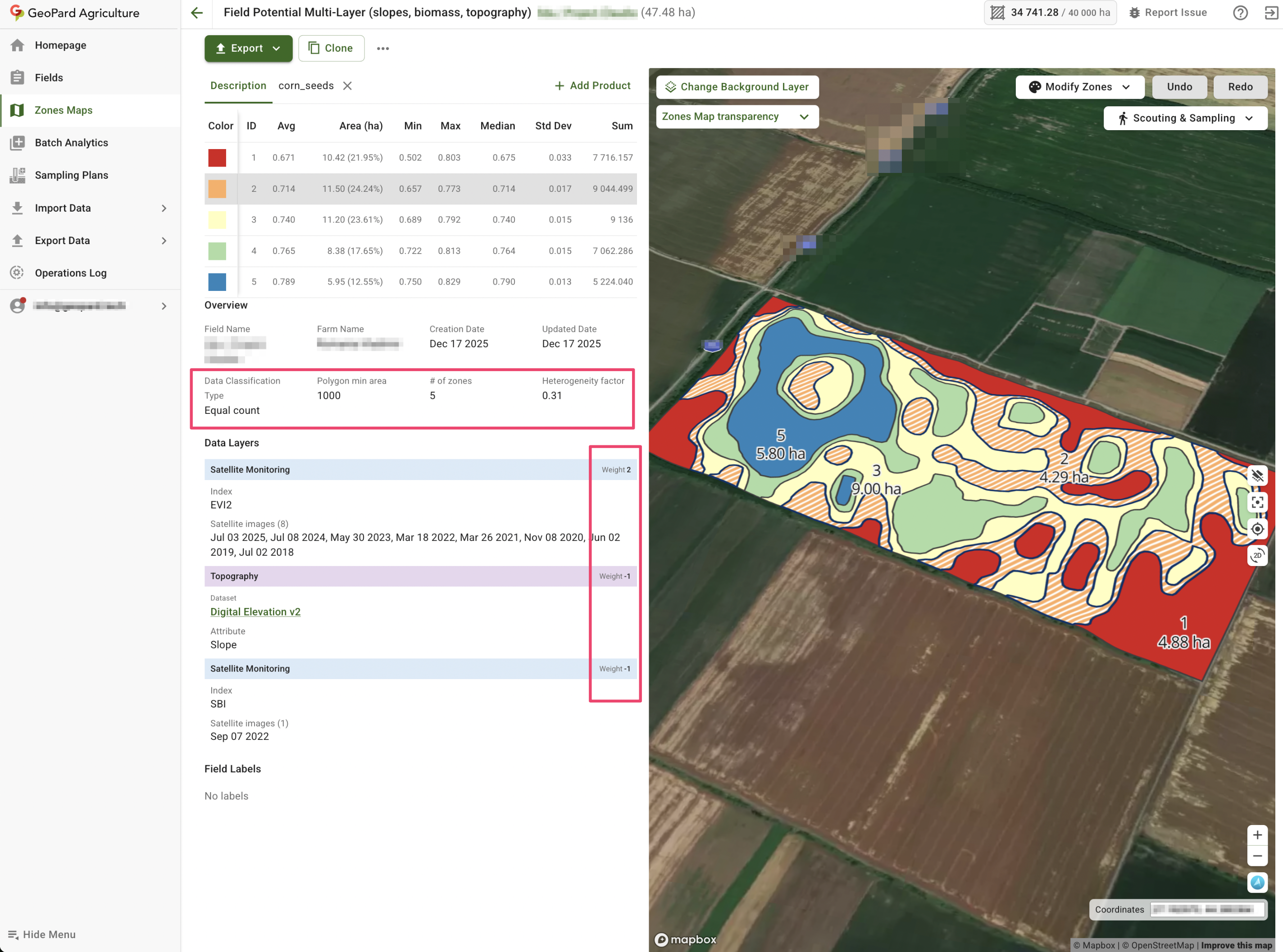
Not all parts of your field are the same. Soil zone mapping helps identify different conditions within your field. Use GeoPard’s satellite imagery and topography analytics to create detailed maps. These maps highlight areas of high and low productivity.

Understanding field variability lets you apply the right amount of seed and nutrients where needed. This targeted approach not only boosts crop potential but also cuts costs. By focusing on specific zones, you maximize efficiency and increase your return on investment.

Optimizing VRA Seeding and Nitrogen Management

Once your field is ready, it’s time to optimize seeding and nitrogen management. Let’s dive into creating effective management zones.

Building Effective Management Zones

Creating management zones is crucial for efficient resource use. Begin by analyzing historical yield data and current soil conditions. GeoPard’s software offers insights by combining these data points.

These zones guide where to focus your efforts. Zones with poor soil can receive more attention, while zones with rich soil require less intervention. This approach conserves resources and enhances productivity.

Creating VRA Seeding and Nitrogen Maps

Variable Rate Application (VRA) is a game-changer. It ensures precise distribution of seeds and nitrogen. Use GeoPard’s VRA maps to tailor applications according to management zones.

By applying the right amount of input, you prevent waste and increase crop vitality. This precision leads to higher yields and better resource management. A well-executed VRA strategy can transform your agricultural outcomes.

Leveraging John Deere Operations Center

Integrating your data with the John Deere Operations Center simplifies your workflow. This platform provides a seamless connection between your equipment and data analytics.

By leveraging this integration, you can access real-time data and make informed decisions quickly. This streamlined process saves time and enhances your overall farming strategy.

Early Crop Monitoring and Data-Driven Decisions

After planting and optimizing inputs, focus on monitoring your crop growth. Early detection of issues is key to successful farming.

Satellite Imagery NDVI and NDRE Insights

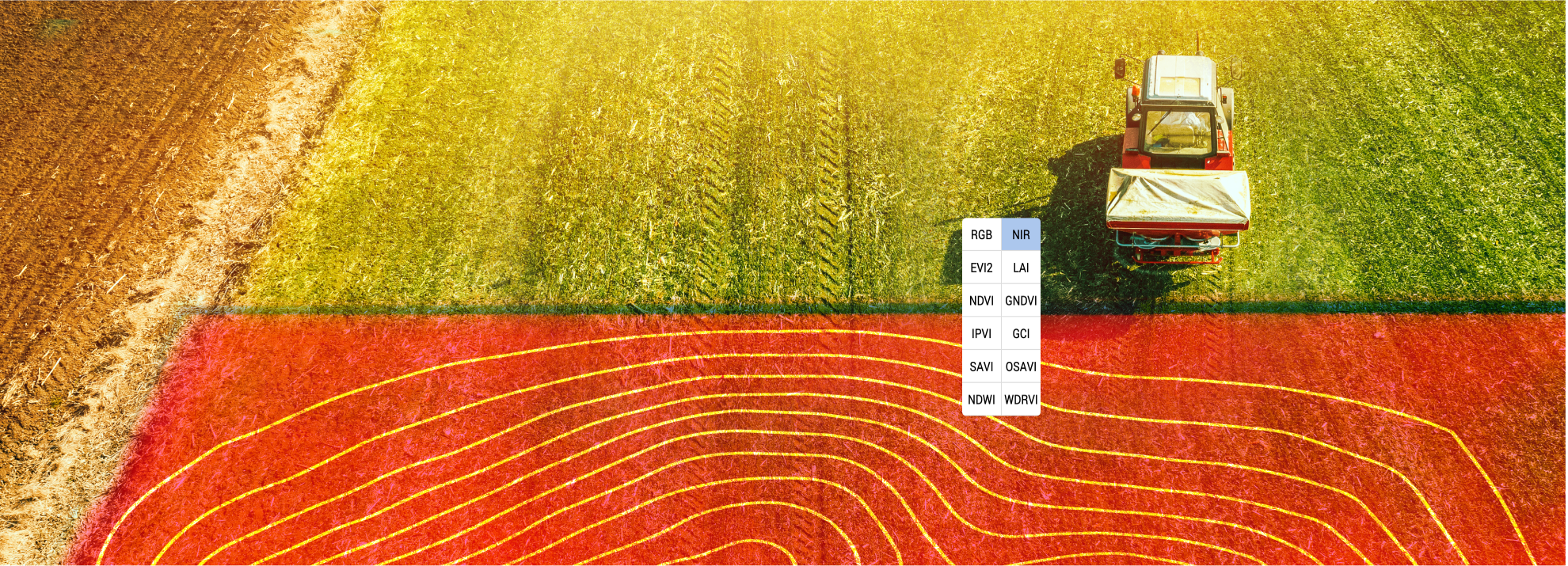
Satellite imagery provides an aerial view of crop health. NDVI and NDRE indices are valuable tools for monitoring plant vigor and nutrient status. Regularly reviewing these indices helps spot problems before they escalate.

Healthy crops reflect in a more vibrant NDVI, signaling optimal growth conditions. If NDRE readings indicate nutrient deficiencies, you can address them promptly. This proactive monitoring ensures your crops stay on track.

Topography Analytics and Yield Data Analysis

Understanding your field’s topography is essential for managing water flow and erosion. GeoPard’s topography analytics offer detailed insights. By analyzing these, you can implement measures to manage water efficiently.

Yield data analysis helps track progress and plan for future seasons. Evaluating past yields combined with current data helps refine your strategies. This continuous improvement cycle enhances productivity year after year.

In-Season Scouting and Agronomic Support

Field scouting is vital for ongoing crop health. Regularly walk your fields to identify potential issues like pests or diseases. Use GeoPard’s agronomic support tools to log observations and take corrective actions.

In-season scouting allows you to react swiftly to challenges. Collaborate with agronomists when needed, ensuring your crops receive expert care. Staying vigilant helps secure a bountiful harvest.

In conclusion, embracing precision tools and data-driven strategies can significantly enhance your spring crop management. By preparing thoroughly and leveraging advanced technology, you set the stage for success.

Reflect on the quarter’s precision ag insights and prepare to adopt smarter strategies.

The Hidden Cost of Ignoring Precision Agriculture Data at Scale

The Hidden Cost of Ignoring Precision Agriculture Data at Scale

Ignoring precision agriculture data on large farms isn’t just risky—it’s costly. When you apply uniform rates across diverse fields, revenue drains quietly without your notice. In this post, you’ll see how unmanaged yield variability and late problem detection chip away at your bottom line. We’ll highlight how management zones and VRA prescriptions can plug these leaks, backed by solid ROI evidence. Ready to see what GeoPard’s data-driven agronomy can do for your operation? Learn more about the economic consequences of neglecting precision agriculture data here.

Economic Impact of Precision Ag

Precision agriculture isn’t just a buzzword—it’s a game-changer for profitability. When large farms neglect precision data, they risk losing more than just potential yield. Let’s explore the hidden costs and how you can avoid them.

Revenue Leaks from Uniform Rates

Applying the same treatment across varied fields might seem efficient, but it often results in hidden costs. Why? Because every part of a field is unique. Uniform rates can lead to over-application in some areas, while others suffer from nutrient deficiencies. These overlooked discrepancies can quietly drain revenue. A study found that farms using uniform rates lost up to 20% yield potential due to uneven input distribution. By understanding each field’s needs, you can prevent these leaks.

Consider this scenario: A farmer applied the same amount of fertilizer across a 200-acre field. The result? Some areas thrived, while others underperformed significantly. This inconsistency led to a substantial loss in potential income. Avoiding this pitfall starts with recognizing that no two fields are alike.

Cost of Ignoring Farm Data

Data can be overwhelming, but ignoring it costs more. Imagine missing signs of disease until it has spread, or overlooking soil nutrient changes until yields drop. These situations are more common than you’d think. Ignoring farm data can lead to costly interventions and lost yields. When you don’t monitor critical data, problems go unnoticed until it’s too late. This oversight can mean the difference between profit and loss.

Most people think they can rely on intuition, but data tells a clearer story. For instance, a farm that monitored its soil data saved 15% on fertilizer costs, simply by adjusting applications based on real-time feedback. Data-driven decisions bring more precision into farming practices.

Large-Scale Farming Profitability

For large-scale operations, precision isn’t a luxury—it’s a necessity. With vast areas to manage, efficiency becomes paramount. Large farms face unique challenges, from managing diverse soil types to optimizing input usage across distances. By ignoring precision agriculture data, these challenges multiply, leading to inefficiencies and revenue loss.

Consider the size of your operation: the bigger it is, the more you stand to gain from precision tools. Large farms using precision agriculture data reported up to a 25% increase in overall profitability. The key is consistently applying data insights to guide every decision, from planting to harvesting.

ROI from Zone Management and VRA

Seeing how ignoring precision data can affect your bottom line, let’s shift to solutions. Zone management and Variable Rate Application (VRA) offer promising returns on investment. These strategies tailor inputs to specific field conditions, maximizing efficiency and productivity.

Proven Benefits of Management Zones

Management zones allow you to treat different field areas based on their unique needs. This targeted approach means healthier crops and better yields. Zones can be defined using various data points like soil type, topography, and historical yield. By dividing a field into zones, you ensure each area gets the right amount of care.

A farmer who adopted management zones saw a 30% increase in yield in just one season. This approach not only improved crop health but also reduced input waste. Creating management zones means you’re optimizing every square foot of your field.

Variable Rate Application Prescriptions

Variable Rate Application, or VRA, takes precision a step further by allowing you to apply inputs at rates that match field conditions. Instead of a one-size-fits-all approach, VRA adjusts inputs in real-time. This method reduces waste and boosts efficiency, leading to significant cost savings.

In one case, a farm implemented VRA for nitrogen application and saved 20% on input costs, while maintaining high yield quality. This technique aligns input use with plant needs, ensuring resources are used judiciously. With VRA, you make every drop and grain count.

Precision Ag Tools for Success

To fully capitalize on precision agriculture, you need the right tools. Let’s dive into how technology, like satellite imagery and crop monitoring software, empowers precision farming.

Satellite Imagery for Farming

Satellite imagery offers a bird’s-eye view of your fields, showing variations you might miss on the ground. This tool helps you spot issues early, such as pest infestations or drought stress. With satellite data, farmers can make timely interventions, preventing small problems from escalating.

Imagine spotting a potential yield drop from space before it affects your harvest. That’s the power of satellite imagery. Many farmers reported catching issues weeks earlier than traditional scouting methods, allowing for more proactive management.

John Deere Operations Center Integration

Integration with tools like the John Deere Operations Center streamlines data management, making it easier to harness precision ag insights. This platform allows for seamless data flow between equipment and field analysis tools. The result? More informed decisions and efficient operations.

By integrating with the John Deere Operations Center, farmers can synchronize their data effortlessly. This connectivity leads to better planning and execution, ultimately enhancing farm productivity.

Crop Monitoring Software Advantages

Crop monitoring software provides real-time insights into crop health, enabling swift action when issues arise. These platforms collect and analyze data on weather patterns, soil moisture, and crop growth. With this information at your fingertips, you can optimize every stage of the growing season.

One farm using crop monitoring software reported a 15% reduction in water usage by tailoring irrigation schedules to actual plant needs. This tool ensures your crops get the care they require, precisely when they need it.

Precision agriculture isn’t just about technology; it’s about using that technology to make smarter decisions. By adopting these tools and strategies, you pave the way for more sustainable and profitable farming.

See the real risks and losses that come from missed data insights in farming.

wpChatIcon
wpChatIcon

    Request Free GeoPard Demo / Consultation


    By clicking the button you agree our Privacy Policy. We need it to reply to your request.

      Subscribe


      By clicking the button you agree our Privacy Policy

        Send us information


        By clicking the button you agree our Privacy Policy