Ukrainian agricultural leader VitAgro implements GeoPard precision farming software for integrated farm management across 85,000 hectares

COLOGNE, GERMANY and KYIV, UKRAINE, July, 2025

VitAgro, one of Ukraine’s leading agricultural producers farming 85,000 hectares (210,000 acres), has implemented GeoPard precision agriculture software as an end-to-end decision support system for the entire growing season. The platform supports workflows from pre-season preparation, including planning and soil analytics, through in-field operations across the full vegetation period.

As a top-15 agricultural company in Ukraine, VitAgro integrated GeoPard into its operations to improve soil management, implement variable rate (VRA) fertilizer strategies, and quantify the financial impact of precision ag practices through data-driven field trials.

“GeoPard has transformed how fields are managed by turning complex data into practical, actionable recommendations. The platform helps build targeted soil sampling strategies that pinpoint specific field zones requiring attention, enabling zone-specific management instead of uniform application across entire fields.” said Oleh Bilan, Chief Technologist at VitAgro.

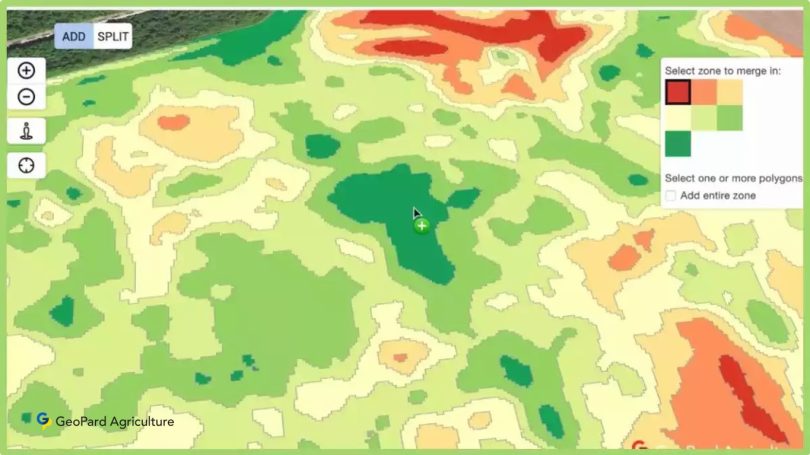
Карта потенціалу зон на основі глибоких історичних даних, які демонструють неоднорідність у межах поля

Field potential zoning map based on deep historical data, showing within-field variability

With GeoPard in place, VitAgro can systematically:

  • Create accurate soil sampling plans based on field variability
  • Generate zone-specific application maps for fertilizers and crop protection products
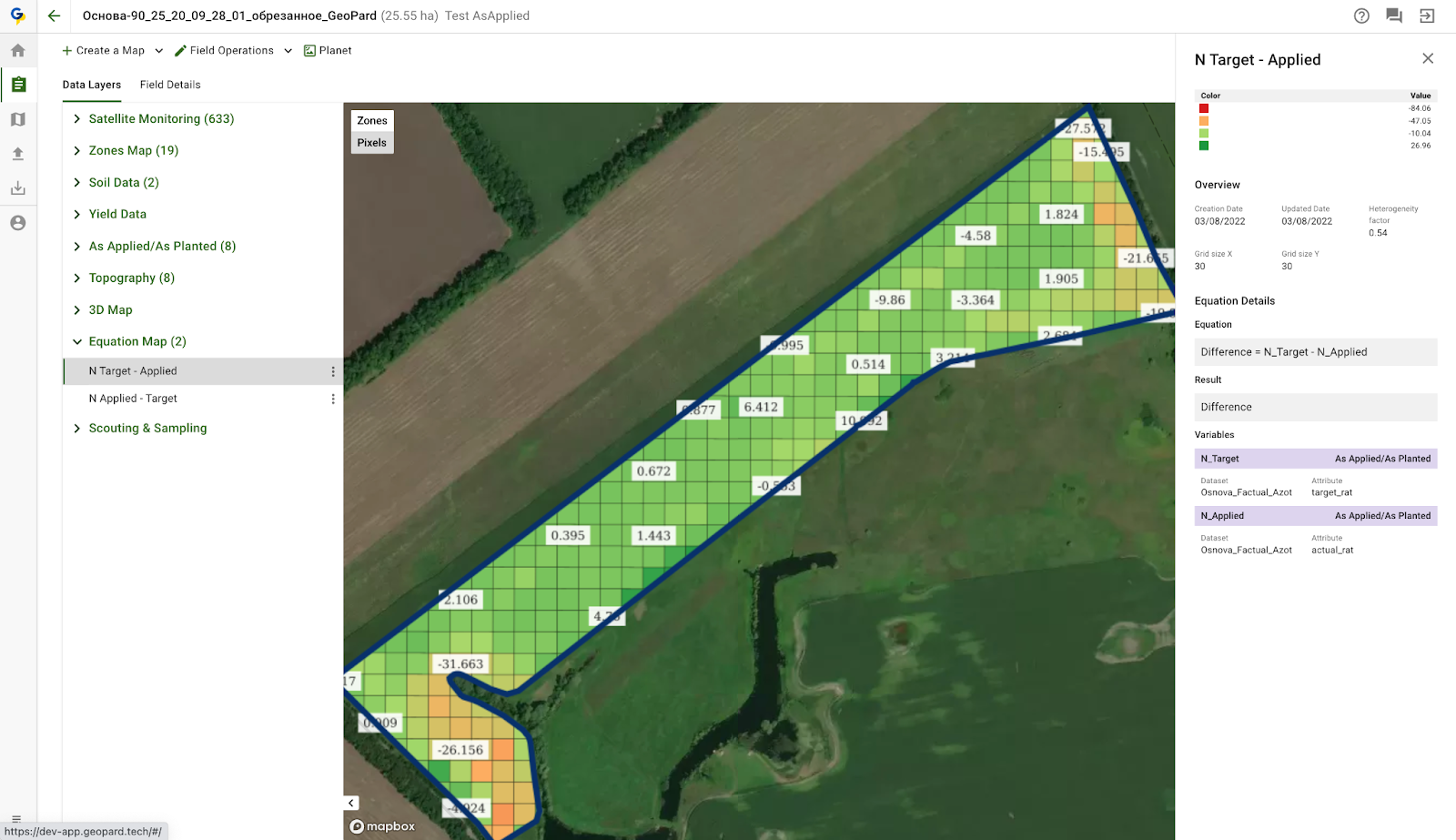
  • Monitor actual applied rates versus planned prescriptions
  • Calculate clear ROI metrics for precision ag initiatives
  • Make data-backed decisions for future yield and input management strategies

“GeoPard continues to be an important tool for crop producers in Ukraine,” said Dmitry Dementiev, CEO of GeoPard. “Precision agriculture is no longer optional for businesses planning for the future. It enables higher-quality grain production with optimized costs and more sustainable practices, strengthening food security.”

Implementation was supported in collaboration with Agrismart, an agricultural consulting company working with both VitAgro and GeoPard to align agronomic methodology and rollout across operations.

The partnership highlights how digital agronomy can improve productivity while supporting environmental responsibility. By building VRA recommendations from field potential zones, VitAgro applies inputs only where needed and at appropriate rates, reducing losses and environmental impact.

WHY MEASURE WITHIN-FIELD VARIABILITY

Productivity zones created in GeoPard make it easy to see performance differences within a single field, often driven by soil type variability. GeoPard automatically generates both management zones and sampling points for an agrochemical plan.

План відбору проб ґрунту, що показує точки відбору проб на основі зон поля

Soil sampling plan showing sampling points based on field zones

Відбор проб ґрунту на основі на основі рекомендацій GeoPard

Soil sampling based on GeoPard recommendations

SOIL SAMPLING AND ZONE-BASED RECOMMENDATIONS

VitAgro collects soil samples at the recommended points and sends them to laboratories. Based on multi-layer analytics and validated scientific formulas, the team then generates VRA maps for variable seeding and fertilizer application per zone.

After analyzing each zone, distinct agronomic indicators become visible, enabling more accurate and cost-effective input use that reflects real field heterogeneity.

Зоны продуктивности от GeoPard - При візуальному огляду  ділянок одного поля  з різними зонами в основі якого лежать різни Типи грунтів - Після проведення Аналізу в кожній зоні продуктивності отримуємо різні показники.

Productivity Zones from GeoPard – When visually inspecting sections of the same field with different zones based on different soil types – After conducting the analysis in each productivity zone, we obtain different indicators.

“Thanks to the wide range of options in GeoPard, which fully meets our needs, soil agrochemical work within our company has become much more efficient and the results are more accurate,” said Oleksandr Perederiy, Agrochemist at VitAgro. “Technology is moving fast, and it is important to keep up. Belief remains that the effort to move forward and improve, even in a difficult time for the country, will bring good results. Those who sow through hardship will later harvest with joy.” (Psalm 126:5-6)

INTEGRATION WITH JOHN DEERE OPS CENTER

An automated integration with John Deere Ops Center allows VitAgro to:

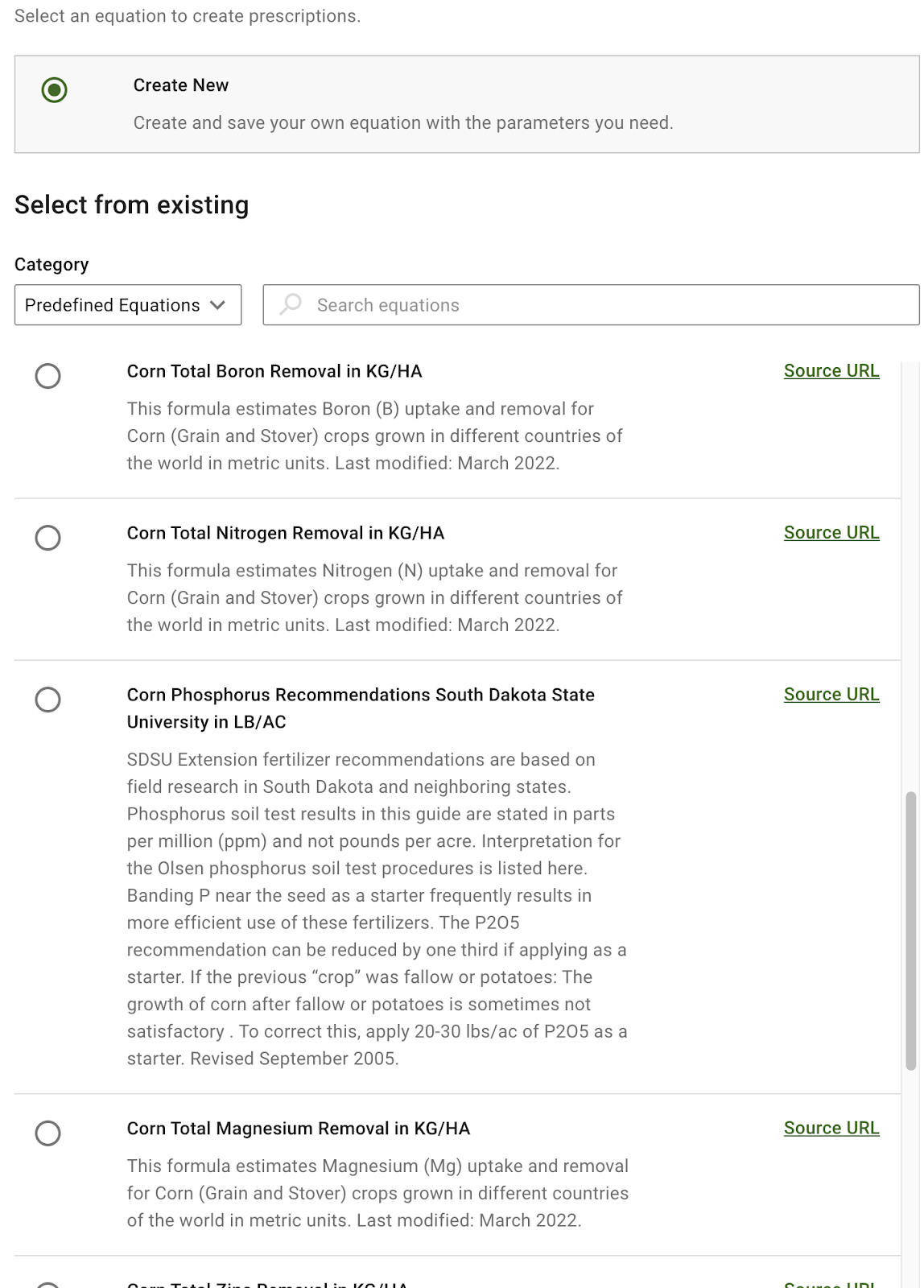
  • Build smart VRA recommendations in GeoPard using field potential maps, soil lab analytics, and equation-based calculations
  • Send prescriptions to John Deere as Work Plans, including different zone geometries for seeding and fertilizer application
  • Pull actual as-applied data back into GeoPard for seasonal performance analytics

After each field operation, data returns automatically to GeoPard, making it possible to evaluate execution accuracy and the effectiveness of each agronomic action.

PRACTICAL VARIABLE RATE EXECUTION IN THE FIELD

Field execution is supported through seamless equipment integration. Operators access GeoPard-generated prescription maps directly in the cab displays, enabling accurate implementation of agronomic plans.

VitAgro is also building its own soil sampling laboratory and plans to expand services by providing decision-support tools and fertilizer recommendations to other agricultural producers across Ukraine. This expansion is a meaningful step toward broader adoption of precision agriculture practices in the country.

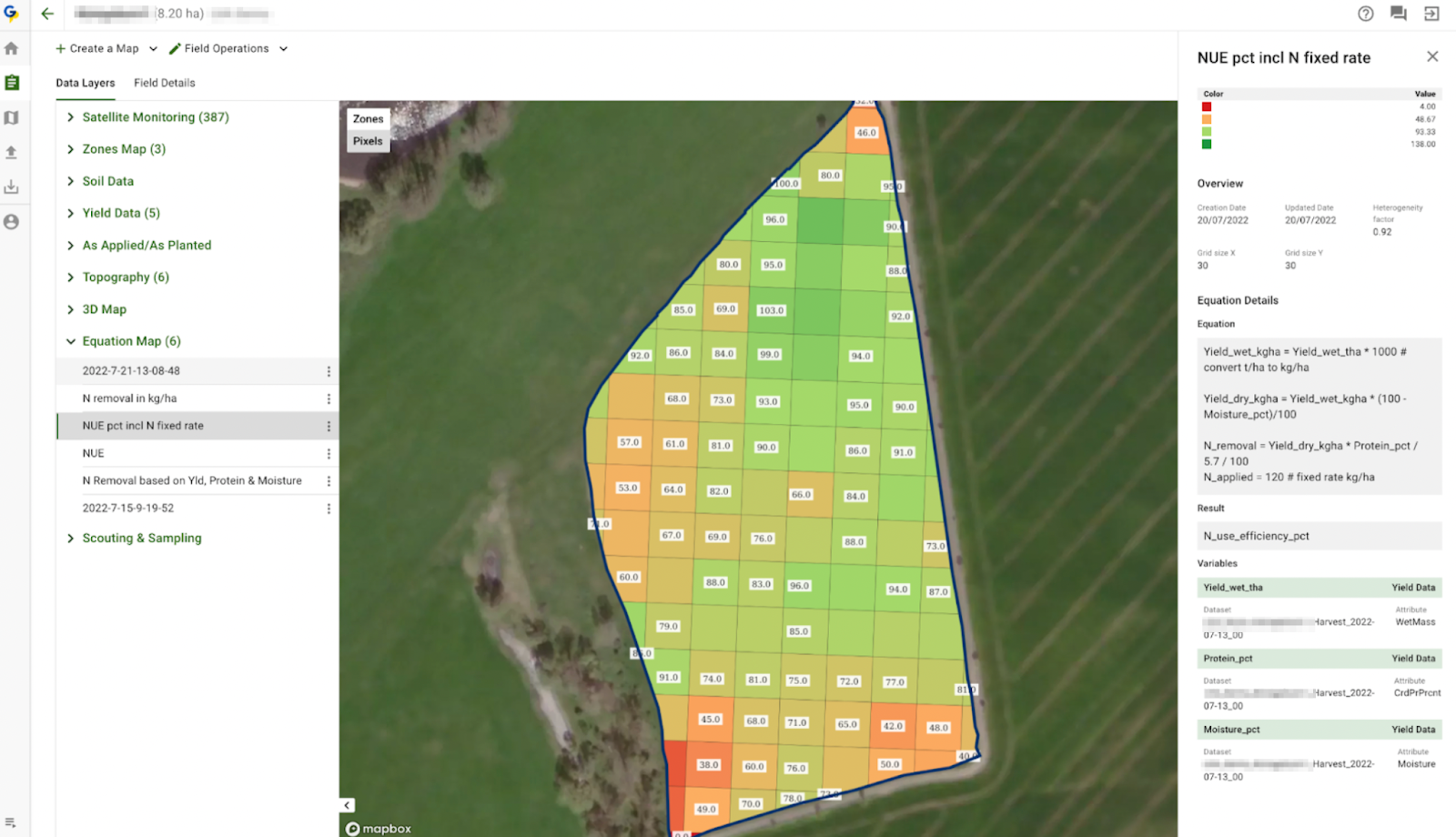
Planning VRA rates using the Smart Doses tool, the system automatically allocates rates and immediately shows savings per product.

Вигляд із кабіни машини, де показано карту VRA, що відображається на моніторі. Розкидач: Amazone ZA-TS 4200. Розкидач, яким проводилось диференційоване внесення.

In-cab view of a VRA map on the display. Spreader: Amazone ZA-TS 4200, used for variable rate application.

INTEGRATION IMPACT

According to preliminary estimates, the integrated digital management model enables VitAgro to achieve already in the 2025 season:

  • 15-25% reduction in mineral fertilizer costs
  • 5-8% yield increase in key crops
  • Reduced carbon footprint of operations

The resulting data will serve as a foundation for scaling precision agriculture practices across all acreage and strengthening VitAgro’s internal expertise.

ABOUT THE COMPANIES

VitAgro is one of Ukraine’s leading agricultural producers, farming 85,000 hectares (210,000 acres). As a top-15 producer in Ukraine, VitAgro focuses on sustainable farming practices, technology innovation, and operational efficiency. The company grows a range of crops, including grains and oilseeds, combining productivity goals with environmental responsibility. In February 2025, VitAgro also completed the first export of Ukrainian biomethane to the EU, delivering a batch of 68,000 m³ (720 MWh) to Germany, becoming the first supplier of biomethane from Ukraine to the European market. vitagro.com.ua

GeoPard provides advanced precision agriculture software designed to optimize farm management and agricultural operations. The platform integrates soil data, satellite imagery, machine data, and agronomic expertise to deliver actionable recommendations for farmers and agribusinesses. geopard.tech

Management Zones In Precision Agriculture To Optimize Yields

Precision agriculture is a way of farming that uses technology to optimize the use of inputs. By applying inputs at the right amount, time and place, it can improve crop yield, quality, profitability and sustainability. And one of the key concepts in precision agriculture is management zones.

What are management zones and why are they used?

A management zone is a sub-region of a field that has similar characteristics and responds similarly to inputs. They can be based on factors such as soil type, texture, organic matter, electrical conductivity, elevation, slope, crop health, yield history and more.

Management zones are used to divide a field into smaller units that can be managed differently according to their needs and potential. For example, a field may have areas with different soil textures, such as clay, loam and sand.

These areas may have different water holding capacity, nutrient availability and drainage. Applying the same amount of water or fertilizer to the whole field may result in over-irrigation or under-fertilization in some areas, and vice versa in others.

This can lead to wasted resources, reduced crop performance and environmental problems. By creating MZ’s based on soil texture, the farmer can adjust the irrigation and fertilization rates for each zone to match the soil conditions and crop requirements. This can increase water use efficiency, nutrient use efficiency and crop yield.

Delineation of management zones in precision agriculture

Delineation of management zones in PA is a process of making different zones in a field based on what’s similar in that area. These zones help farmers decide how to use things like water, fertilizers, and pesticides more effectively.

What are management zones and why are they used

To do this, farmers collect data about the soil, the land’s shape, or how well crops grow in different spots. Then, they use computer programs to group together areas that are alike. For example, places with similar soil or places where crops always grow well become their own zones.

Once they have these zones, farmers can be smarter about how they use resources. They might give more water to zones that need it or use fewer chemicals in places that don’t need as much. This helps save money, protect the environment, and grow better crops.

There are different methods and tools for delineating MZs in PA, but one of the most common and recommended ones is cluster analysis. Cluster analysis is a data mining technique that groups data points into clusters based on their similarity or dissimilarity.

Cluster analysis can be applied to spatial data, such as soil samples, yield maps or satellite images, to identify homogeneous areas within a field. It involves the following key steps:

  • Data Collection: Collect data about the field, like soil info, yield records, and more.
  • Data Analysis: Use technology (like GIS) to study the data, finding patterns and differences in the field.
  • Clustering: Group similar areas together based on the data. For example, areas with similar soil types become zones.
  • Boundary Definition: Set clear boundaries between these zones to avoid mixing resources.
  • Zone Characterization: Each zone gets described by its unique traits, such as soil type or nutrient levels.
  • Data Integration: Combine data from different sources, like soil surveys and satellite images, to make the zones even more accurate.

How management zones are created?

There are different methods for creating management zones in precision agriculture. Some of the common methods are:

  • Using existing soil maps or surveys that provide information on soil properties and boundaries.
  • Using soil sensors or probes that measure soil parameters such as electrical conductivity, moisture, pH and more.
  • Using remote sensing or aerial imagery that capture crop health indicators such as vegetation indices, biomass, chlorophyll content and more.
  • Using yield monitors or maps that record crop yield and quality data over multiple years.
  • Using data analysis or modeling tools that integrate multiple data sources and apply statistical or spatial techniques to identify patterns and clusters.

1. Soil maps or surveys

In precision agriculture, MZ’s are crafted by harnessing existing soil maps or surveys, which provide essential data on soil properties and boundaries.

methods for creating management zones in precision agriculture.

Two primary soil sampling methods are employed: grid sampling, breaking the field into squares for soil samples, and zone sampling, grouping areas with similar soil properties. Grid sampling offers detailed insights into field variability but comes with higher costs due to increased samples.

Zone sampling’s effectiveness depends on method and size. By integrating this data with sampling approaches, precision farming optimizes resource allocation to specific soil conditions within zones, promoting sustainability and crop productivity.

2. Soil electrical conductivity

In precision agriculture, soil sensors and probes measure essential soil parameters such as electrical conductivity (EC), moisture, and pH. Soil EC, expressed in mS/m, gauges a soil’s electrical conductivity ability.

By sending controlled currents into the soil and geotagging the measurements with GPS coordinates, these tools help quantify soil texture variations and yield potential. They inform decisions on nutrient management, seeding rates, depths, and irrigation schedules.

Soil EC data also offers rapid, cost-effective insights into soil properties like texture, cation exchange capacity (CEC), drainage, organic matter, and salinity, enabling the creation of precise MZ’s for optimized farming practices.

3. Remote sensing or aerial imagery

Creating management zones in precision farming involves the utilization of remote sensing or aerial imagery to capture crucial crop health indicators such as vegetation indices, biomass, chlorophyll content, and more.

How MZ's are used The Benefits

This is achieved through the use of airplanes or drones equipped with imaging technology capable of generating high-resolution images. By employing sophisticated image analysis techniques, these images are processed to delineate zones within the field.

4. Yield monitors

In precision agriculture, zones are established through the use of yield monitors and maps that collect vital crop yield and quality data over several years.

This process, known as yield mapping, involves real-time monitoring on harvesters, capturing information on crop mass, moisture levels, and the area covered.

Subsequently, this data is harnessed to create comprehensive yield maps, driving more precise and efficient farming practices.

5. Data analysis or modeling tools

In precision farming, we create MZ’s carefully using advanced tools that analyze data. These tools bring together lots of different information and help us see patterns in the farm. They use math and maps to find out where we should focus our attention. This helps farmers make smart choices about where to use resources like water and fertilizer. It makes farming better and helps crops grow well.

However, the choice of method depends on the availability of data, the type of input to be varied, the size of the field, the cost of the technology and the farmer’s preference. The goal is to create zones that are meaningful, consistent and practical.

How MZ’s are used? The Benefits

Once zones are created, they can be used to guide variable rate applications (VRA) of inputs such as seeds, fertilizers, water and pesticides. VRA is a technique that allows changing the rate of input application within a field based on the management zone information.

To implement VRA, the farmer needs:

  • A variable rate controller that can adjust the application rate according to a prescription map or a sensor feedback.
  • A global positioning system (GPS) that can locate the position of the applicator within the field.
  • A geographic information system (GIS) that can store, display and analyze spatial data such as MZ’s and prescription maps.

Using VRA based on MZ’s can help the farmer to:

  • Apply inputs where they are most effective and avoid over-application or under-application.
  • Improve productivity of fertility-limited or water-limited soils.

Optimize management zones with GeoPard 

Furthermore, by customizing input application rates, farmers can reduce input costs on soils that are unresponsive or have low productivity potential. This cost-effective approach ensures that resources are invested wisely.

It is also worth noting that precision agriculture, with MZ’s and variable rate applications (VRA), benefits the environment by minimizing nutrient leaching, reducing runoff of chemicals into water bodies, and preventing soil erosion.

Optimize management zones with GeoPard

GeoPard Agriculture simplifies precision farming with its Management Zones & VRA Maps feature, allowing users to create customized zones and prescription maps based on various data layers like satellite imagery, soil analysis, and more.

These maps are compatible with agricultural equipment and machinery. Users can also conduct multi-layer analytics, identify areas with higher or lower yield potential, and detect field stability trends. The platform offers cross-layer maps to uncover dependencies between different zone maps and facilitates easy zone adjustments.

Additionally, GeoPard supports Variable Rate Application (VRA) mapping for precise agricultural operations and provides statistics on zone-level accuracy. It offers data compatibility for export and allows manual zone customization and equation-based prescriptions for cost calculation.

Conclusion

Precision agriculture is a transformative approach to farming that harnesses technology and data-driven insights to enhance crop production. Whether by utilizing data from soil sensors, remote sensing, yield monitors, or data analysis tools, it empowers farmers to create management zones tailored to their fields. These zones optimize resource allocation, leading to improved crop yields, reduced costs, and sustainable agricultural practices.

Applications of (GIS) Geoinformatics in Agriculture

Geoinformatics (GIS) bridges the gap between spatial data and agriculture decision-making, allowing farmers to optimize resource utilization while minimizing environmental impact. This technology-driven approach helps tailor precision agriculture practices to specific field conditions, thus increasing productivity and efficiency.

Geoinformatics in Agriculture

By analyzing precise spatial information, such as soil variability, moisture content, and pest distribution, farmers can make well-informed choices, ensuring that each area of their land receives the exact treatment it requires.

Recent data shows that this technology is widely used, with over 70% of farms using it in some capacity. Geospatial data integration is becoming a standard practice in decision-making processes across a range of industries, from small-scale subsistence farming to major commercial operations.

Farmers are able to keep an eye on their crops in real time using satellite photography and ground sensors. With less waste and a smaller negative influence on the environment, they may use this to apply water, fertilizer, and pesticides precisely where and when they are needed.

The CottonMap project in Australia uses geoinformatics to monitor water use, resulting in a 40% decrease in water consumption. Enhanced resource management minimizes environmental impact by reducing chemical runoff and over-irrigation.

geoinformatics in agriculture

Increased productivity aids global food security. By optimizing planting patterns using spatial data, farmers can achieve higher crop yields without expanding agricultural land.

What is Geoinformatics?

Geoinformatics, also known as geographic information science (GIScience), is a multidisciplinary field that combines elements of geography, cartography, remote sensing, computer science, and information technology to gather, analyze, interpret, and visualize geographical and spatial data.

It focuses on capturing, storing, managing, analyzing, and presenting spatial information in digital forms, contributing to a better understanding of the Earth’s surface and the relationships between various geographic features. It is a powerful tool that can be used for a variety of purposes, including:

1. Precision agriculture: It can be used to collect data on a variety of factors, such as soil type, crop yield, and pest infestation. This data can then be analyzed to identify areas of variability within a field. Once these areas have been identified, farmers can use GIS to develop customized management plans for each area.

2. Environmental monitoring: It can be used to monitor changes in the environment, such as deforestation, land use change, and water quality. This data can then be used to track the progress of environmental policies and to identify areas that need further protection.

3. Urban planning: Geoinformatics can be used to plan and manage urban areas. This data can be used to identify areas that are in need of development, to plan transportation networks, and to manage infrastructure.

4. Disaster management: It can be used to manage disasters, such as floods, earthquakes, and wildfires. This data can be used to track the progress of a disaster, to identify areas that have been affected, and to coordinate relief efforts.

what is Geoinformatics? Components of Geoinformatics

Components of Geoinformatics

These components work together to provide insights into various aspects of the Earth’s surface and its relationships. Here are the main components of geoinformatics:

  • Geographic Information Systems (GIS): GIS involves the use of software and hardware to collect, store, manipulate, analyze, and visualize geographic data. This data is organized into layers, allowing users to create maps, conduct spatial analysis, and make informed decisions based on spatial relationships.
  • Remote Sensing: Remote sensing involves the collection of information about the Earth’s surface from a distance, typically using satellites, aircraft, or drones. Remote sensing data, often in the form of imagery, can provide insights into land cover, vegetation health, climate patterns, and more.
  • Global Positioning Systems (GPS): GPS technology enables accurate positioning and navigation through a network of satellites. In GIS, GPS is used to collect precise location data, which is crucial for mapping, navigation, and spatial analysis.
  • Spatial Analysis: It enables the application of various spatial analysis techniques to understand patterns, relationships, and trends within geographic data. These techniques include proximity analysis, interpolation, overlay analysis, and network analysis.
  • Cartography: Cartography involves the creation of maps and visual representations of geographic data. It provides tools and methods to design informative and visually appealing maps that effectively communicate spatial information.
  • Geodatabases: Geodatabases are structured databases designed to store and manage geographic data. They provide a framework for organizing spatial data, allowing for efficient storage, retrieval, and analysis.
  • Web Mapping and Geospatial Applications: Geoinformatics has expanded into web-based mapping and applications, allowing users to access and interact with geographic data through online platforms. This has led to the development of various location-based services and tools.
  • Geospatial Modeling: Geospatial modeling involves the creation of computational models to simulate real-world geographic processes. These models help predict outcomes, simulate scenarios, and aid decision-making in various fields.

8 Applications and Uses of Geoinformatics in Agriculture

Here are some of the key applications and uses of GIS in agriculture:

1. Precision Farming

Precision Agriculture harnesses the power of Geographic Information Systems (GIS) to provide farmers with intricate insights into their fields. These insights range from detailed vegetation and productivity maps to crop-specific information.

The heart of this approach lies in data-driven decision-making, empowering farmers to optimize their practices for maximum yield and efficiency.

Uses of Geoinformatics in Agriculture

Through the generation of productivity maps, GeoPard Crop Monitoring provides a crucial solution for Precision Agriculture. These maps make use of historical information from prior years, enabling farmers to identify productivity patterns throughout their farms. Farmers can identify fruitful and unproductive locations by using these information.

2. Crop Health Monitoring

The significance of monitoring crop health cannot be overstated. The well-being of crops directly impacts yields, resource management, and the overall health of the agricultural ecosystem.

Traditionally, manual inspection of crops across expansive fields was arduous and time-consuming. However, with the advent of advanced technologies like GIS and remote sensing, a transformative shift has occurred, enabling precision monitoring on an unprecedented scale.

Geoinformatics aids in the early detection of potential issues affecting crop health. By analyzing remote sensing data and satellite imagery, farmers can identify stressors like nutrient deficiencies or disease outbreaks, allowing for targeted interventions.

3. Crop Yield Prediction

By integrating historical data, soil composition, weather patterns, and other variables, It enables farmers to predict crop yields with remarkable accuracy. This information empowers them to make informed decisions regarding planting, resource allocation, and marketing strategies.

zones 2019 yield data map

In the field of predicting crop yields, GeoPard has become a leading innovator. GeoPard has developed a trustworthy method that claims an excellent accuracy rate of over 90% by combining historical and current crop data obtained from satellites. This innovative approach is proof of how technology may revolutionize contemporary agriculture.

4. Livestock Monitoring With Geoinformatics

Spatial data from GPS trackers on livestock offers insights into animal movements and behavior. These tools empower farmers to pinpoint the exact location of livestock within the farm, ensuring efficient management and care.

Beyond location tracking, GIS agriculture tools provide a comprehensive view of livestock health, growth patterns, fertility cycles, and nutritional requirements.

The global market for precision agriculture, which includes livestock monitoring, is projected to reach a substantial valuation by the coming years. This trend underscores the transformative potential of GIS in optimizing livestock management.

5. Insect and Pest Control

Traditional methods, such as manual scouting of large fields, have proven both time-consuming and inefficient. However, the convergence of technology, specifically deep learning algorithms and satellite data, has brought about a revolution in pest detection and management.

Geoinformatics helps in creating pest distribution maps, enabling precise application of pesticides. By targeting specific areas, farmers can minimize chemical usage, reduce environmental impact, and protect beneficial insects.

GeoPard Crop Monitoring is an effective method for spotting a variety of threats, such as weed infestations and crop diseases. Potential issue regions are detected by the study of field-collected vegetation indices.

For example, a low vegetation index value in a particular location may be a sign of potential pests or diseases. This realization simplifies the procedure and eliminates the need for time-consuming manual reconnaissance of large fields.

6. Irrigation Control

GIS-driven data provides valuable insights into soil moisture levels, helping farmers make informed decisions regarding irrigation scheduling. This ensures water efficiency and prevents overwatering or drought stress.

The Importance of Variable Rate Irrigation

GIS technology for agriculture provides a potent toolbox for spotting crops that are under water stress. Farmers can learn more about the water state of their crops by using indices like the Normalized Difference Water Index (NDWI) or the Normalized Difference Moisture Index (NDMI).

The default component of GeoPard Crop Monitoring, the NDMI index, offers a scale from -1 to 1. Water shortages are indicated by negative values around -1, but waterlogging may be indicated by positive values close to 1.

7. Flooding, Erosion, and Drought Control

Flooding, erosion, and drought represent formidable adversaries that can inflict substantial damage on agricultural landscapes. Beyond physical destruction, these challenges disrupt water availability, soil health, and overall crop productivity. Effectively managing these threats is pivotal to ensuring food security, preserving natural resources, and fostering sustainable farming practices.

Geoinformatics aids in assessing landscape vulnerabilities to flooding, erosion, and drought. By analyzing topographical data, rainfall patterns, and soil characteristics, farmers can implement strategies to mitigate these risks.

8. GIS in Farming Automation

Geographic Information Systems (GIS) have transcended their traditional role as mapping tools to emerge as critical enablers in guiding automated machinery. This technology empowers various agricultural equipment, such as tractors and drones, with spatial data and precision navigation systems.

As a result, tasks that range from planting to spraying and harvesting can be executed with unprecedented accuracy and minimal human intervention.

GIS in Farming Automation

Imagine a scenario where a tractor is tasked with planting crops across a vast field. Equipped with a GPS system and GIS technology, the tractor utilizes spatial data to navigate along predetermined routes, ensuring consistent seed placement and optimal spacing. This precision not only enhances crop yield but also minimizes resource wastage.

Role of Geoinformatics in Precision Agriculture

It plays a critical role in precision agriculture by providing farmers with the data and tools they need to make informed decisions about crop management. It can be used to collect data on a variety of factors, such as soil type, crop yield, and pest infestation.

This data can then be analyzed to identify areas of variability within a field. Once these areas have been identified, farmers can use GIS to develop customized management plans for each area.

The use of geoinformatics in precision agriculture is growing rapidly around the world. In the United States, for example, the use of precision agriculture has increased by more than 50% in the past five years. And in China, the use of precision agriculture is expected to grow by more than 20% per year in the coming years.

Studies have revealed that precision application of inputs through Geoinformatics techniques can lead to yield increases of up to 15% while reducing input costs by 10-30%.

Furthermore, a study published in the journal Nature in 2020 found that using GIS to manage water irrigation in a wheat field resulted in a 20% increase in crop yield. Another study, published in the journal Science in 2021, found that using GIS to apply fertilizer more precisely in a corn field resulted in a 15% increase in crop yield.

It can also be used to create maps of crop yield. These maps can be used to identify areas of low yield, which can then be investigated to determine the cause of the problem. Once the cause of the problem has been identified, farmers can take corrective action to improve yields in those areas.

Role of Geoinformatics in Precision Agriculture

For example, farmers can use it to create maps of soil type and fertility. These maps can then be used to target fertilizer applications more precisely, which can help to improve crop yields and reduce the amount of fertilizer that is applied unnecessarily.

In addition to collecting and analyzing data, it can also be used to visualize spatial data. This can be helpful for farmers to see how different factors, such as soil type and crop yield, are distributed across a field. Visualization tools can also be used to help farmers communicate their findings to others, such as crop consultants or government officials.

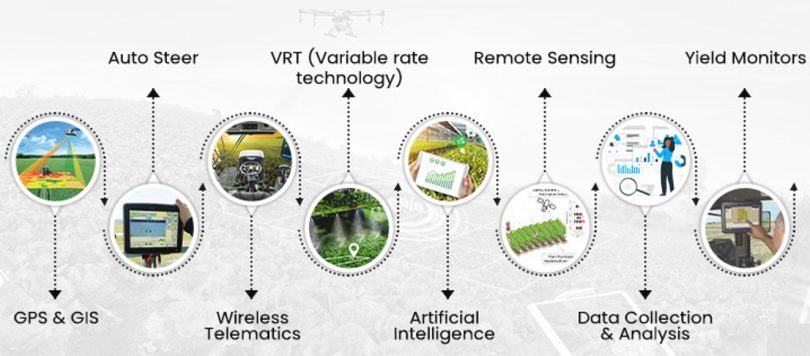
The real-world applications of geoinformatics in precision agriculture are abundant. For instance, Variable Rate Technology (VRT) employs spatial data to deliver varying amounts of inputs like water, fertilizers, and pesticides across a field.

This approach ensures that crops receive the exact nutrients they need, optimizing growth and yield. In another instance, satellite imagery and drones provide valuable insights into crop health and disease detection, enabling prompt intervention.

GeoPard Crop Monitoring As An Example Of Agriculture GIS Software

It’s crucial to keep in mind that the GIS software used in agriculture can differ depending on its intended use. While some tools indicate soil moisture levels to aid with planting selections, others display crop varieties, yields, and distributions.

Even comparing the economics of logging against forestry can be done with the use of various applications. Each farmer or agriculture manager must therefore discover the ideal GIS solution that provides them with the information they need to make wise decisions on their land.

When it comes to field data, GeoPard’s Crop Monitoring platform has a number of advantages. It offers summaries of vegetation and soil moisture dynamics, historical vegetation and weather data, and precise 14-day weather forecasts.

GeoPard provides automated synchronization of crop monitoring

This platform provides capabilities like scouting to organize activities and exchange real-time information, as well as a field activity log for planning and monitoring operations, so it offers more than just GIS-based data.

Data from additional sources is also included in GeoPard’s Crop Monitoring. The Data Manager tool, for instance, incorporates machine data into the platform. It supports popular file formats as SHP and ISO-XML.

You can measure crop yield using data from field machines, compare it to fertilizer maps, examine fertilizer tactics, and create plans to increase yield. The organizations that agricultural enterprises collaborate with and themselves benefit greatly from this all-in-one platform.

Challenges in Precision Agriculture and Geoinformatics

The integration of Precision Agriculture and Geoinformatics introduces a host of policy implications and regulatory considerations. Governments worldwide grapple with devising frameworks that foster innovation while safeguarding data privacy, land use, and environmental sustainability.

For instance, regulations may govern the collection and sharing of spatial data, intellectual property rights for precision farming technologies, and ethical use of AI in agriculture.

In the European Union, the Common Agricultural Policy (CAP) acknowledges the role of digital technologies, including Geoinformatics, in enhancing agricultural productivity.

Financial incentives are provided to encourage farmers to adopt precision farming practices that align with environmental and sustainability goals. This example illustrates how policy can drive technology adoption for collective benefit.

However, the adoption of geoinformatics technologies in agriculture presents significant benefits, yet it’s accompanied by challenges, particularly for farmers of varying scales. Small-scale farmers often face financial limitations, lacking the resources for technology acquisition and training.

Larger operations encounter data management complexities due to the scale of their activities. Technical knowledge gaps are common, with both small and large farmers requiring training to effectively utilize geoinformatics tools.

Limited infrastructure and connectivity hinder access, especially in remote areas. Customization struggles arise, as solutions may not fit small farms or integrate seamlessly into larger operations.

Cultural resistance to change and concerns over data privacy affect adoption universally. Government policies, ROI uncertainties, and interoperability issues further impede progress.

Addressing these challenges will demand tailored strategies to ensure that geoinformatics benefits all farmers, regardless of scale.

Conclusion

The seamless integration of Geoinformatics into modern agriculture holds transformative potential. By harnessing the power of spatial data, farmers and agricultural stakeholders can make informed decisions, optimize resource utilization, and foster sustainable practices. Whether it’s predicting crop yields, managing water resources, or enhancing precision agriculture, GIS emerges as a guiding light, shaping a more efficient, resilient, and productive future for the world of farming.

Role of Precision Irrigation Methods in Modern Farming

In the realm of modern agriculture, where the demand for food production is ever-increasing to feed a growing global population, the concept of precision irrigation has emerged as a transformative approach.

What is Precision irrigation?

Precision irrigation refers to the practice of applying water to crops in a precise and targeted manner, optimizing water usage and enhancing crop yield while minimizing water wastage. This innovative technique stands as a beacon of hope, addressing the challenges posed by traditional irrigation methods and heralding a new era of sustainable agriculture.

Its significance is rooted in its potential to revolutionize agricultural practices and mitigate the pressing issues of water scarcity and resource inefficiency. Traditional irrigation methods, which often involve flood or furrow irrigation, are notorious for their water wastage and uneven distribution.

These methods lead to excessive consumption of water, causing soil erosion, waterlogging, and nutrient leaching, thereby diminishing crop yield and harming the environment.

What is Precision irrigation

According to the Food and Agriculture Organization (FAO), agriculture accounts for approximately 70% of global freshwater withdrawals. Out of this, a significant portion is wasted due to inefficient irrigation methods.

Precision irrigation, on the other hand, tackles these issues head-on. By utilizing advanced technologies such as sensors, weather forecasts, and data analytics, farmers can accurately determine the water requirements of their crops.

This real-time data-driven approach ensures that water is delivered precisely where and when it is needed, reducing water wastage significantly. Consequently, the agricultural yield is optimized, and water resources are conserved, contributing to sustainable farming practices.

Scientific evidence further supports its advantages. A study published in the “Journal of Irrigation Science” demonstrated that precision irrigation can lead to water savings of up to 40% compared to traditional methods.

Additionally, research conducted by the University of California, Davis, showed that it can result in improved fruit quality and increased profitability for farmers.

Types of Precision Irrigation Methods

It encompasses various methods and technologies, each tailored to address specific aspects of water distribution and crop needs. Here are some of the main types of precision irrigation:

1. Surface Drip Irrigation

Drip irrigation is a precise water delivery system that offers a stark departure from traditional flood or furrow methods. The core principle revolves around delivering water directly to the root zone of plants in a slow, consistent manner through a network of tubes, pipes, and emitters.

This localized application minimizes water wastage, evaporation, and runoff, ensuring that plants receive an optimal amount of moisture exactly where it’s needed.

Drip irrigation systems can be automated and adjusted based on factors like soil type, crop type, and weather conditions, thereby tailoring water delivery to the specific requirements of each plant.

One of the most striking examples is Israel, a nation that has harnessed drip irrigation to turn arid lands into productive agricultural hubs. With a commitment to research and innovation, Israel’s expertise in drip irrigation has led to dramatic water savings and increased crop yields.

Surface Drip watering

Beyond Israel, countries across the globe, from India to the United States, have embraced this method to address water challenges and enhance agricultural output.

According to the Food and Agriculture Organization (FAO), micro-irrigation systems, including drip irrigation, are estimated to be 30-70% more water-efficient compared to traditional methods.

Moreover, reports indicate that drip irrigation can lead to water savings ranging from 20% to a staggering 50%, as demonstrated in regions like California’s Central Valley and Australia’s vineyards.

In China, drip irrigation has been pivotal in boosting crop yields in water-scarce regions. Data from the Chinese Ministry of Water Resources showcases that drip irrigation has increased water use efficiency by up to 40% in some areas, reducing both water consumption and production costs.

Furthermore, the International Water Management Institute (IWMI) conducted research in Sub-Saharan Africa, where water scarcity hampers agriculture.

The study found that adopting drip irrigation alongside proper agronomic practices can lead to yield increases of up to 130% for various crops like tomatoes, onions, and maize, illustrating the transformative potential of this method.

2. Micro-Sprinkler Irrigation

Micro-sprinkler irrigation, also known as low-volume sprinkler irrigation, offers a localized approach to water delivery that falls between traditional sprinkler and drip irrigation methods.

The system employs a network of low-flow, high-pressure emitters that disperse water in the form of fine droplets, simulating a gentle rain. This meticulous application of water minimizes evaporation and drift while providing comprehensive coverage to crops.

Unlike traditional sprinklers that might lead to water wastage through overspray, micro-sprinkler irrigation focuses on efficiency and precision, catering to the unique water needs of plants.

Micro-sprinkler irrigation has garnered attention worldwide as a viable solution for sustainable agriculture, particularly in regions prone to water scarcity. Countries like India and Spain have embraced this method to optimize water resources and improve crop productivity.

Micro-sprinkler systems have enabled farmers to target water directly to the root zone, fostering healthier plants and reducing water wastage.

Micro-Sprinkler

Research by the International Center for Agricultural Research in the Dry Areas (ICARDA) suggests that micro-sprinkler irrigation systems can achieve water savings ranging from 20% to 50% compared to conventional overhead irrigation methods.

A study conducted by the Indian Council of Agricultural Research (ICAR) demonstrated that micro-sprinkler systems led to higher water use efficiency and crop yield compared to traditional flood irrigation.

Furthermore, the “Journal of Horticultural Science and Biotechnology” published research showcasing the positive impact of micro-sprinkler irrigation on tomato cultivation. The study revealed that micro-sprinkler systems enhanced fruit yield and quality by maintaining optimal soil moisture levels and preventing stress-induced crop diseases.

3. Subsurface Drip Irrigation

Subsurface drip irrigation, often referred to as SDI, is a revolutionary approach that delivers water directly to the root zone of plants below the soil surface. The system consists of buried pipes with emitters strategically spaced along their lengths.

These emitters release water in precise quantities, ensuring a consistent and targeted supply to the plant’s root zone. This unique method reduces water evaporation, minimizes weed growth, and prevents water contact with foliage, reducing the risk of disease.

Subsurface drip irrigation is particularly advantageous in arid regions where water conservation is of utmost importance. Countries across the globe, from the United States to Australia, have adopted SDI systems to maximize crop yield and minimize water wastage.

Subsurface Drip Irrigation

Israel, a nation known for pioneering advanced irrigation techniques, has also embraced subsurface drip irrigation to cope with limited water resources. Research conducted by the Texas A&M AgriLife Extension Service highlights that subsurface drip irrigation can lead to water savings of up to 50% compared to traditional surface irrigation methods.

Moreover, the International Journal of Agricultural and Biological Engineering published research that explored the impact of SDI on wheat cultivation. The study highlighted that subsurface drip irrigation systems enhanced water distribution uniformity, leading to more even crop growth and improved yield.

4. Precision Mobile Irrigation

Precision mobile irrigation, also known as automated or robotic irrigation, represents an evolution beyond traditional stationary irrigation systems. This dynamic approach involves the use of mobile platforms equipped with sensors, GPS technology, and data analytics to precisely deliver water to crops.

These platforms can be self-propelled vehicles, drones, or even autonomous tractors. The technology enables real-time monitoring of soil moisture levels, weather conditions, and plant health, allowing for timely and efficient water application.

Precision mobile irrigation offers unparalleled flexibility in adapting to changing field conditions and optimizing water distribution. Countries like the Netherlands, known for their innovative agricultural practices, have embraced precision mobile irrigation to enhance crop yields while minimizing water wastage.

Precision Mobile Irrigation

A study conducted by the University of Nebraska-Lincoln revealed that using automated irrigation reduced water usage by up to 50% compared to traditional irrigation methods.

Furthermore, the Agricultural Research Service of the United States Department of Agriculture reported that precision mobile irrigation systems can achieve water savings ranging from 30% to 50%, depending on the crops and soil conditions.

In addition, research by the University of Florida demonstrated that precision mobile irrigation systems not only reduced water consumption but also reduced energy usage, lowering overall operational costs for farmers.

5. Variable Rate Irrigation (VRI)

Variable Rate Irrigation, also known as VRI, represents a significant departure from traditional irrigation practices. Unlike uniform irrigation, VRI involves the targeted application of water to different areas within a field based on specific crop needs, soil characteristics, and other variables.

This is made possible through the integration of advanced technologies, such as GPS and sensors, that allow farmers to adjust water distribution in real-time.

Countries across the globe, from the United States to Australia, have embraced VRI as a tool to enhance crop yield while minimizing the environmental impact of excessive water usage. Reports from the PrecisionAg Institute indicate that VRI can lead to water savings ranging from 10% to 30% across various crops and regions.

Furthermore, the American Society of Agricultural and Biological Engineers conducted research on VRI’s impact on cotton cultivation. The findings indicated that VRI led to improved yield and fiber quality, showcasing its potential to enhance both economic and environmental outcomes.

6. Fertigation

Fertigation, a combination of “fertilization” and “irrigation,” represents a revolutionary approach to crop nutrition. Unlike traditional methods that involve applying fertilizers separately from water, fertigation involves injecting fertilizers directly into the irrigation system.

This allows nutrients to be delivered directly to the root zone of plants, optimizing their uptake and utilization. Fertigation is enabled by specialized equipment such as drip systems, sprinklers, or even hydroponic setups.

This integrated approach ensures that plants receive nutrients precisely when they need them, resulting in improved growth, yield, and overall health.

Fertigation, a combination of fertilization and irrigation

The International Fertilizer Association (IFA) reports that fertigation can lead to a substantial increase in crop yields, often ranging from 20% to 100%, depending on the crop and environmental conditions.

The United Nations estimates that approximately 50% of applied fertilizers are lost to various forms of inefficiency, including runoff and volatilization. Fertigation addresses this issue by delivering nutrients directly to the root zone, minimizing losses and optimizing plant nutrient uptake.

Furthermore, a research paper in the “Journal of Soil Science and Plant Nutrition” emphasized that fertigation can reduce nutrient leaching, a phenomenon that contributes to water pollution and environmental degradation.

7. Remote Sensing and Automated Control

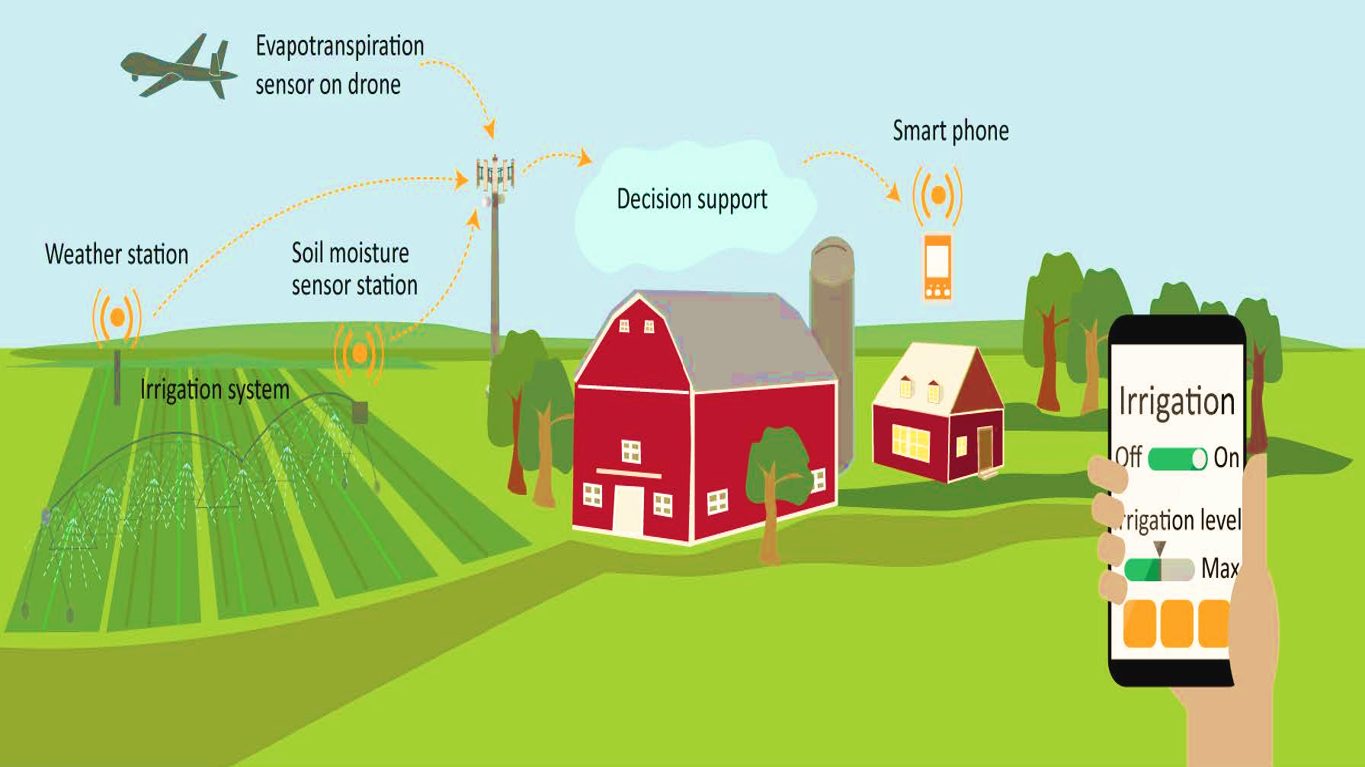
Technologies like sensors, weather stations, and satellite imagery are used to monitor soil moisture, weather conditions, and crop health. Automated control systems then adjust irrigation based on real-time data, optimizing water delivery.

These controllers use real-time weather data to adjust irrigation schedules, factoring in evapotranspiration rates and precipitation. Some of the other relevant approaches which are used are:

  • Localized Overhead Irrigation: This approach employs low-pressure overhead sprinklers to provide water to specific areas of a field. It’s efficient for crops with varying water requirements or irregular field layouts.
  • Canopy Sensors: These sensors measure the reflection of light from the crop canopy to estimate crop water stress. This information is used to adjust irrigation schedules and amounts.
  • Soil Tensiometers: These devices measure soil tension, indicating how hard roots need to work to extract water from the soil. Farmers can use this information to determine when to irrigate.

Benefits of Precision Irrigation

Precision irrigation offers a multitude of benefits that contribute to more efficient and sustainable agricultural practices. Here are some of the key advantages:

1. Water Efficiency and Conservation: It minimizes water wastage by delivering water directly to plant roots, reducing evaporation and runoff. This targeted approach ensures that water is used efficiently, conserving this precious resource and promoting sustainable water management.

2. Enhanced Crop Yield and Quality: By maintaining optimal soil moisture levels and preventing water stress, it fosters healthy plant growth. This translates into improved crop yield, quality, and overall agricultural productivity.

3. Eco-Friendly Practices: It reduces the environmental impact of farming by minimizing water runoff and the leaching of nutrients and chemicals into ecosystems. This sustainable approach contributes to healthier soil, water bodies, and surrounding environments.

4. Energy Savings: These methods require less energy for water distribution compared to conventional methods. This leads to reduced energy consumption and lower operational costs for farmers, aligning with energy-efficient agricultural practices.

5. Customized Nutrient Management: Integrating precision irrigation with fertilization strategies allows farmers to provide nutrients directly to plant roots. This targeted approach optimizes nutrient uptake, minimizes nutrient wastage, and reduces the risk of nutrient pollution.

6. Efficient Weed and Pest Control: It limits water availability to weeds, reducing their growth and competition with crops. Additionally, by keeping plant foliage drier, it hinders the proliferation of pests and diseases, leading to more effective pest management.

Benefits of Precision Irrigation

7. Adaptability to Field Variability: Fields often exhibit variations in soil type, topography, and crop health. It adapts to these differences, ensuring that each area of the field receives the right amount of water, promoting uniform crop growth.

8. Data-Driven Decision Making: Utilizing advanced technologies like sensors and weather data, precision irrigation empowers farmers with real-time insights. This data-driven approach enables informed decisions about irrigation scheduling, optimizing resource allocation and crop management.

9. Climate Resilience: In the face of changing weather patterns due to climate change, it equipped with weather forecasting capabilities adjusts irrigation practices accordingly. This aids in mitigating risks and ensuring consistent crop production.

10. Long-Term Sustainability: It aligns with the principles of sustainable agriculture. It promotes responsible resource management, preserves soil health, reduces ecological impacts, and contributes to the overall well-being of farming ecosystems.

Incorporating these practices not only benefits farmers through improved efficiency and yield but also safeguards the environment and supports the long-term viability of agriculture in a rapidly changing world.

Components of Precision Irrigation Systems

These components work together to optimize water usage, enhance crop growth, and promote sustainable agriculture through precision irrigation systems. Some of the basic components are:

1. Sensors and Monitoring Devices:

  • Sensors measure soil moisture, temperature, and humidity.
  • Monitoring devices provide real-time data for informed irrigation decisions.

2. Control Systems:

  • Control units process sensor data and automate irrigation schedules.
  • They ensure precise water delivery based on field conditions.

Components of Precision Irrigation Systems

3. Water Delivery Mechanisms:

  • Drip lines, micro-sprinklers, or localized overhead sprinklers deliver water directly to plant roots.
  • Minimizes water wastage and optimizes plant hydration.

4. Weather Stations and Forecasting:

  • Weather stations collect local weather data.
  • Forecasting informs irrigation timing based on climate conditions.

5. Geographic Information Systems (GIS):

  • GIS technology creates field maps with topography and soil type data.
  • Helps tailor irrigation plans to field variability.

6. Automated Valves and Pumps:

  • Valves and pumps regulate water flow within the system.
  • Integrates with control systems for precise water distribution.

7. Data Analytics and Software:

  • Software processes sensor and weather data.
  • Generates insights for optimal irrigation strategies.

8. Variable Rate Irrigation (VRI) Technology:

  • VRI adjusts water application based on field variability.
  • Customizes irrigation for different areas of the field.

9. Remote Sensing and Imaging Tools:

  • Satellite imagery and drones monitor crop health and water distribution.
  • Identifies areas needing adjustments.

10. Mobile Applications and Remote Access:

  • Mobile apps offer real-time control and monitoring.
  • Enables remote management for timely adjustments.

11. Fertigation Systems:

  • Integrates irrigation with nutrient application.
  • Directs nutrients to plant roots for efficient uptake.

12. Alarms and Alerts:

  • System alerts notify of anomalies or failures.
  • Ensures prompt responses to prevent crop damage.

Challenges and Limitations in Precision Irrigation

As the world embraces the era of precision agriculture, the promises of enhanced crop yield, resource efficiency, and sustainable practices are enticing. However, the journey towards implementing precision irrigation technologies is not without its challenges.

1. Initial Investment: Balancing Cost and Benefit

One of the primary challenges of adopting precision irrigation technologies is the substantial initial investment required. The implementation of advanced irrigation systems, sensors, data analytics tools, and other supporting infrastructure can demand a significant financial commitment.

Precision irrigation systems generate vast amounts of data

While these technologies offer long-term benefits, including water savings and increased crop yield, the upfront costs can be a deterrent for many farmers, especially those in resource-constrained regions.

To address this challenge, governments, agricultural organizations, and private sector players need to collaborate in providing financial incentives, subsidies, or affordable financing options to make its technologies accessible to a broader range of farmers.

Highlighting the long-term returns on investment and showcasing success stories of those who have overcome the initial investment barrier can also encourage wider adoption.

2. Technical Expertise: Bridging the Knowledge Gap

The integration of technology into agriculture requires farmers to acquire new skills and knowledge. Many farmers, particularly those from older generations, may lack the technical expertise needed to operate and manage precision irrigation systems effectively.

Understanding the intricacies of sensors, data analysis, and system calibration can be daunting. Addressing this challenge requires education and training programs tailored to the specific needs of farmers.

Agricultural extension services, workshops, online courses, and collaboration with local agricultural universities can empower farmers with the necessary skills to navigate its complexities.

3. Data Management: Wise Decision-Making

Precision irrigation systems generate vast amounts of data, including soil moisture levels, weather patterns, and crop health indicators. Managing and analyzing this data effectively can be overwhelming, especially for smaller-scale farmers without access to sophisticated data analysis tools.

The risk of information overload is real, and without proper data management strategies, its potential benefits could be lost. To tackle this challenge, user-friendly software and platforms that simplify data analysis and interpretation are essential.

Integrating cloud-based solutions, machine learning algorithms, and user-friendly dashboards can help farmers make informed decisions without being overwhelmed by data complexity. Additionally, fostering collaborations between farmers and data experts can lead to tailored solutions that cater to specific farm needs.

Conclusion

Precision irrigation stands as an innovative solution to modern agricultural challenges, embracing techniques like drip irrigation, micro-sprinklers, subsurface systems, precision mobile irrigation, and variable rate methods. Global adoption, supported by data and science, highlights their transformative impact. Overcoming challenges like initial costs, technical skills, and data management requires collaborative efforts. It is the bridge to a sustainable future, uniting technology and agriculture to secure food while conserving resources.

Sustainable Farming, Biofuels, and Role of Precision Agriculture: A GeoPard Perspective

As the world grapples with the challenges of climate change and increasing energy demands, the quest for sustainable and renewable energy sources has become a global priority. Biofuels, derived from organic matter, have emerged as a promising solution, particularly in the aviation industry.

However, their production presents its own set of challenges, primarily related to land use and farming practices. This is where precision agriculture, powered by GeoPard, comes into play.

Understanding Biofuels

Biofuels, in essence, are fuels derived from biological sources, such as plants, algae, and organic waste. They stand in stark contrast to fossil fuels, which are non-renewable resources like coal, oil, and natural gas.

The key distinction lies in their origin: they are created from living or recently deceased organisms, while fossil fuels stem from ancient organic materials buried deep within the Earth’s crust.

According to the International Energy Agency (IEA), global biofuel production has been on a consistent rise, reaching over 150 billion liters of ethanol and nearly 35 billion liters of biodiesel production in recent years.

The United States, Brazil, and the European Union are among the leading producers of biofuels, driven by policies aimed at reducing greenhouse gas emissions and promoting energy diversification.

Types of Biofuels and Their Origins:

Certainly! There are several types of biofuels, each derived from different sources. Here are the main types and their origins:

1. Biodiesel:

Biodiesel is synthesized from vegetable oils or animal fats through a process called transesterification. Common feedstocks include soybean oil, canola oil, and waste cooking oil.

Biodiesel can be blended with or substituted for traditional diesel fuel, reducing emissions of particulate matter and sulfur dioxide.

2. Bioethanol:

Bioethanol, often simply referred to as ethanol, is produced from sugar or starch-rich crops such as corn, sugarcane, and wheat.

Through fermentation, these crops are transformed into alcohol, which can be blended with gasoline or used in its pure form as a renewable fuel source. Ethanol offers cleaner combustion and fewer greenhouse gas emissions.

3. Biogas:

Biogas results from the anaerobic digestion of organic materials like agricultural residues, animal manure, and sewage.

The process releases methane and carbon dioxide gases, which can be captured and used as a source of energy for heating, electricity generation, and even vehicle fuel. Biogas reduces methane emissions from waste and provides a cleaner energy alternative.

Types of Biofuels and Their Origins

Benefits of Biofuels

They offer a range of benefits that contribute to both environmental and energy-related goals. Here are some of the key benefits of using biofuels:

1. Reduced Greenhouse Gas Emissions:

One of the most significant benefits of biofuels is their potential to reduce greenhouse gas emissions compared to fossil fuels. They emit fewer carbon dioxide (CO2) and other harmful pollutants when burned, leading to a smaller carbon footprint.

2. Renewable Energy Source:

They are derived from renewable resources, such as crops, agricultural waste, and organic materials. This contrasts with fossil fuels, which are finite resources that take millions of years to form.

3. Diversification of Energy Sources:

They provide an alternative to traditional fossil fuels, reducing dependence on oil and promoting energy security by diversifying the sources of transportation and energy fuels.

4. Support for Agriculture and Rural Economies:

Their production can provide economic opportunities for farmers and rural communities by creating a demand for agricultural products used as feedstock. This can stimulate local economies and reduce rural unemployment.

5. Reduced Air Pollutants:

They generally produce fewer particulate matter, sulfur dioxide (SO2), and nitrogen oxides (NOx) compared to conventional fossil fuels, contributing to improved air quality and public health.

6. Use of Low-Value Feedstocks:

Some biofuels, such as cellulosic ethanol, can be produced from low-value feedstocks like agricultural residues and forestry waste, reducing competition with food production.

7. Improved Energy Efficiency:

Their production can be more energy-efficient compared to fossil fuel extraction and refinement processes.

Benefits of Biofuels

8. Carbon Neutrality in Some Cases:

They produced from certain feedstocks and processes can achieve carbon neutrality or even negative emissions, as the carbon dioxide released during combustion is offset by the carbon dioxide absorbed during the growth of the feedstock.

9. Biofuel Blending with Conventional Fuels:

They can be blended with conventional fossil fuels, such as gasoline and diesel, without significant modifications to existing engines and infrastructure. This allows for gradual adoption without requiring a complete overhaul of transportation systems.

10. Potential for Sustainable Waste Management:

Biofuels can be produced from organic waste materials, such as agricultural residues, food waste, and sewage, contributing to more efficient waste management practices.

11. Research and Technological Innovation:

The development and implementation of biofuel technologies drive research and innovation in areas like biotechnology, agricultural practices, and sustainable energy production.

12. International Agreements and Climate Goals:

Many countries are working towards reducing their carbon emissions as part of international agreements. They can play a role in helping nations achieve their climate targets.

However, it’s important to note that not all biofuels are equally beneficial, and their impact depends on factors like feedstock selection, production methods, and land use changes.

Sustainability considerations and responsible sourcing are crucial to ensure that the production and use of biofuels truly contribute to a more environmentally friendly energy landscape.

The Challenges of Biofuels Adoption

While they hold immense potential to mitigate climate change and reduce dependence on fossil fuels, several challenges need careful consideration to prevent unintended consequences.

According to the Food and Agriculture Organization (FAO), biofuel production requires about 2-6% of the world’s agricultural land. Their expansion is often driven by government policies and incentives aimed at reducing carbon emissions and promoting renewable energy.

The European Union and the United States are significant players in the biofuel market, with policies encouraging their adoption. However, these policies have also spurred debates about their long-term impact on food security and land use.

1. Food vs. Fuel Debate:

The use of agricultural crops for its production can lead to competition with food production, potentially driving up food prices and exacerbating food security concerns, particularly in regions already facing food scarcity.

Example: The use of corn and soybeans for ethanol and biodiesel production in the United States has raised concerns about diverting these crops from food markets, leading to debates about resource allocation.

The Challenges of Biofuels Adoption

2. Land Use Change and Deforestation:

Expanding biofuel production may result in the conversion of forests, grasslands, and other natural habitats into agricultural land, leading to deforestation, loss of biodiversity, and disruption of ecosystems.

Example: The conversion of rainforests in Southeast Asia into oil palm plantations for biodiesel production has drawn criticism due to its impact on biodiversity and local communities.

3. Indirect Land Use Change (ILUC):

The displacement of food crops due to biofuel production can cause indirect land use changes, as new areas are converted to meet food demand. This can result in increased deforestation and greenhouse gas emissions.

4. Sustainability and Environmental Impact:

Some biofuels may have a higher environmental impact than expected due to factors such as water use, pesticide use, and changes in land management practices. Sustainable sourcing and production are essential to mitigate these impacts.

Example: The cultivation and processing of certain biofuel feedstocks, like palm oil, can result in high emissions due to land-use changes and processing methods.

5. Limited Feedstock Availability:

The availability of suitable feedstocks for its production is not unlimited. Depending on the region, competition for these feedstocks can arise between biofuel production, food production, and other industries.

6. Energy and Resource Inputs:

The energy and resources required for cultivating feedstock, processing, transportation, and conversion can offset the environmental benefits of biofuels, especially if fossil fuels are used extensively in the production process.

7. Technical Challenges and Compatibility:

Different biofuels have varying properties and energy densities compared to conventional fossil fuels. Adapting vehicles, engines, and infrastructure to accommodate biofuel blends can be technically challenging and costly.

8. Economic Viability and Cost-Effectiveness:

The economic viability of biofuel production can be influenced by factors like feedstock prices, production efficiency, government policies, and competing markets.

9. Infrastructure and Distribution Challenges:

They often require separate storage and distribution systems, which can be costly to develop and integrate into existing fuel supply chains.

10. Water Usage Concerns:

Some biofuel crops, particularly water-intensive ones like sugarcane, corn, and oil palm, can exacerbate water scarcity issues in regions where water resources are already stressed.

11. Technological Advancements and Research Needs:

Continued research and innovation are necessary to develop more efficient and sustainable biofuel production methods, address technical challenges, and reduce production costs.

12. Policy and Regulatory Frameworks:

Inconsistent or unclear policies regarding biofuel incentives, sustainability criteria, and regulations can hinder investment and adoption in the biofuel sector.

13. Public Perception and Awareness:

Negative perceptions or misconceptions about biofuels, such as concerns about their environmental impact or impact on food security, can influence public acceptance and support.

Numerous studies have examined the sustainability of different pathways. Life cycle assessments (LCAs) offer insights into the environmental impacts of biofuel production, considering factors like emissions, energy inputs, and land use change.

These assessments help policymakers and stakeholders make informed decisions about which biofuel pathways offer the most significant benefits with the least negative consequences.

Their future hinges on a delicate balance between technological advancements, policy interventions, and a holistic understanding of their environmental impact.

Developing second-generation biofuels that utilize non-food feedstocks, improving agricultural practices to boost crop yields, and implementing policies that prioritize sustainability are steps toward addressing these challenges.

Vital Biofuel Crops and Their Role in Fuel Production

In the quest for cleaner and more sustainable energy sources, they have emerged as a promising alternative to traditional fossil fuels. These renewable fuels, derived from organic matter, are essential contributors to reducing greenhouse gas emissions and promoting a greener energy landscape.

Several key crops play a pivotal role in biofuel production, providing the raw materials necessary to create a range of renewable fuels. These crops are selected for their high energy content, fast growth rates, and ability to thrive in diverse climatic conditions.

1. Corn (Maize):

Corn is a versatile biofuel crop used primarily in the production of ethanol. The United States is a prominent producer of corn-based ethanol, using a process that converts corn starch into fermentable sugars and subsequently into ethanol through fermentation. Corn-based ethanol is often blended with gasoline to reduce emissions and dependence on fossil fuels.

1. Corn (Maize)

2. Sugarcane:

Sugarcane is also a biofuel crop widely cultivated in tropical regions, particularly in Brazil. Sugarcane’s high sucrose content makes it an excellent candidate for bioethanol production.

The Brazilian experience demonstrates the viability of using sugarcane to produce ethanol, contributing significantly to the country’s energy independence.

3. Soybeans:

Soybeans are utilized in the production of biodiesel, an alternative to traditional diesel fuel. Soybean oil, extracted from soybeans, is transformed through a process called transesterification into biodiesel.

The United States is a major producer of soy-based biodiesel, and its usage contributes to reducing greenhouse gas emissions from the transportation sector.

4. Jatropha:

Jatropha is an intriguing biofuel crop due to its ability to thrive in arid and marginal lands, minimizing competition with food crops.

Its seeds yield oil that can be converted into biodiesel. Countries like India, Indonesia, and parts of Africa are exploring the potential of jatropha as a sustainable biofuel feedstock.

5. Switchgrass:

Switchgrass is a native North American grass that has garnered attention for its potential as a biomass feedstock for cellulosic ethanol production.

Its fibrous structure and high cellulose content make it a suitable candidate for converting cellulose into ethanol through advanced biochemical processes. This crop holds promise in reducing land use conflicts as it can grow on marginal lands not suitable for food crops.

5. Switchgrass

6. Algae:

Algae, a versatile group of organisms that thrive in various aquatic environments, offer a remarkable source of biofuel. Algae can accumulate high levels of lipids (oils), which can be extracted and processed into biodiesel.

Algae’s rapid growth rates and ability to capture carbon dioxide make it a compelling feedstock, potentially reducing emissions and providing a sustainable energy solution.

7. Camelina:

Camelina, also known as false flax or gold-of-pleasure, is an oilseed crop with a high oil content. Its seeds can be processed to yield biojet fuel, making it an attractive feedstock for the aviation industry’s efforts to reduce emissions.

Camelina’s ability to grow in dry conditions without requiring significant water resources further contributes to its appeal.

8. Miscanthus:

Miscanthus is a perennial grass that exhibits rapid growth and high biomass yield. Its potential as a feedstock for both bioethanol and bioenergy production has gained attention.

Miscanthus’ efficient use of water and nutrients, coupled with its potential to sequester carbon, positions it as an environmentally friendly biofuel crop.

The Potential of Biofuels in Aviation:

The aviation industry, a cornerstone of global connectivity and economic growth, has long been associated with substantial carbon emissions. In the pursuit of a more sustainable future, their integration into aviation has gained traction as a promising solution.

These renewable fuels, sourced from organic materials, can significantly reduce the industry’s carbon footprint and contribute to global efforts to combat climate change.

According to the U.S. Department of Energy, sustainable aviation fuels (SAFs) can reduce lifecycle greenhouse gas emissions by up to 80% compared to conventional jet fuel, contributing to improved air quality and diminished environmental harm.

The Potential of Biofuels in Aviation

According to the International Air Transport Association (IATA), several airlines have successfully conducted flights using biofuel blends, showcasing the feasibility of integration. Biojet fuel production capacity has also increased, with numerous commercial airlines and airports incorporating biofuels into their operations.

Companies like Gevo are leading the way in low-carbon ethanol production, demonstrating the potential of biofuels in creating a sustainable energy future.

Types of Biofuels in Aviation

Biofuels used in aviation, commonly known as “biojet fuels,” are specifically designed to replace or supplement traditional jet fuels while reducing greenhouse gas emissions and promoting sustainability. Several types of biofuels are being explored and developed for aviation use:

1. Hydroprocessed Esters and Fatty Acids (HEFA):

  • HEFA biojet fuels are produced by hydroprocessing plant oils and animal fats, typically derived from crops like camelina, soybean, and used cooking oil.
  • These biojet fuels are chemically similar to conventional jet fuels and can be used as drop-in replacements without requiring modifications to aircraft engines or infrastructure.

2. Fischer-Tropsch (FT) Synthesis:

  • FT biojet fuels are synthesized from various feedstocks, including coal, natural gas, and biomass, through a process known as the Fischer-Tropsch synthesis.
  • FT biojet fuels have excellent energy density and can be produced with lower sulfur and aromatic content compared to conventional jet fuels.

3. Algae-based Biojet Fuels:

  • Algae are microorganisms that can produce oils or lipids suitable for biojet fuel production.
  • Algae-based biojet fuels have the potential for high oil yields and can be cultivated in various environments, including non-arable land and wastewater.

4. Waste-based Biojet Fuels:

  • Biojet fuels can be produced from various waste materials, such as agricultural residues, forestry waste, and municipal solid waste.
  • These waste-based biojet fuels contribute to waste management solutions and reduce the environmental impact of waste disposal.

5. Synthetic Paraffinic Kerosene (SPK):

  • SPK biojet fuels are synthesized from renewable sources using advanced processes such as biomass gasification and catalytic synthesis.
  • These fuels have similar properties to conventional jet fuels and are designed to be compatible with existing aviation infrastructure.

6. Lipid-derived Biojet Fuels:

  • Lipid-derived biojet fuels are produced from plant oils, animal fats, and other lipid-rich feedstocks.
  • These feedstocks are converted into biojet fuels through processes like transesterification and hydrotreatment.

7. Cellulosic Biojet Fuels:

  • Cellulosic biojet fuels are derived from non-food feedstocks, such as agricultural residues, wood chips, and grasses.
  • The cellulose content is converted into sugars, which can be fermented to produce biofuels.

8. Blended Biojet Fuels:

  • Blended biojet fuels are mixtures of biojet fuels with conventional jet fuels.
  • These blends allow for incremental adoption of biojet fuels and can meet aviation safety and performance standards.

Examples of Successful Implementation

Several successful implementations of biofuels in aviation have demonstrated the feasibility and potential of using sustainable alternatives to traditional jet fuels. Here are a few notable examples:

1. Virgin Atlantic’s Biofuel-Powered Flight (2008):

Virgin Atlantic conducted the world’s first commercial flight using a blend of biofuel and traditional jet fuel in 2008. The Boeing 747-400 flight from London to Amsterdam used a biofuel blend made from coconut and babassu oil.

Examples of Successful Implementation

2. Qantas Biofuel-Powered Flight (2012):

Qantas operated the first-ever commercial flight using a 50/50 blend of refined cooking oil and conventional jet fuel. The Airbus A330 flight traveled from Sydney to Adelaide.

3. United Airlines’ Historic Biofuel Flight (2016):

United Airlines operated the first U.S. commercial flight powered by biofuels derived from agricultural waste. The flight used a blend of 30% biofuel and 70% traditional jet fuel.

4. Lufthansa’s Regular Biofuel Flights (2011 – Present):

Lufthansa has been operating regular flights between Hamburg and Frankfurt using Airbus A321 aircraft powered by biofuel blends. These flights showcase the airline’s commitment to sustainable aviation.

5. KLM’s Biofuel-Powered Flights (2011 – Present):

KLM has conducted numerous biofuel-powered flights, including flights between Amsterdam and Paris. The airline has partnered with other companies to produce sustainable biofuels from various feedstocks.

6. Air New Zealand’s Jatropha Flight (2008):

Air New Zealand operated a successful test flight using a Boeing 747-400 powered by a blend of jatropha-based biofuel and conventional jet fuel.

7. Alaska Airlines’ Multiple Biofuel Flights (2011 – Present):

Alaska Airlines has been involved in several biofuel test flights. One of their flights used a blend of biofuel made from forest residuals.

8. Embraer’s E-Jet Flight (2012):

Embraer conducted a demonstration flight of its E170 aircraft using a blend of renewable jet fuel made from sugarcane-derived ethanol.

9. Gulfstream’s Biofuel-Powered Business Jets:

Gulfstream Aerospace has flown its business jets, including the G450 and G550 models, on biofuel blends to showcase the viability of sustainable aviation in private jet travel.

10. Singapore Airlines’ Green Package Program (2020):

Singapore Airlines introduced its “Green Package” program, offering customers the option to purchase sustainable aviation fuel (SAF) to offset the carbon emissions from their flights.

These successful implementations highlight the aviation industry’s efforts to integrate biofuels into their operations as part of broader sustainability initiatives.

While these examples demonstrate progress, continued research, investment, and collaboration among airlines, governments, and biofuel producers are essential for scaling up its adoption in the aviation sector.

Role of Precision Agriculture in Biofuel Production

As the world grapples with the dual challenges of feeding a growing population and mitigating environmental impact, innovative approaches are essential to forge a sustainable path forward.

Their dynamic integration with precision agriculture offers a compelling solution, synergizing the power of renewable energy with advanced farming practices.

Biofuels, derived from organic matter, and precision agriculture, which employs technology for targeted farming practices, may seem disparate. However, their union promises to transform agriculture into an environmentally conscious, resource-efficient endeavor.

Precision agriculture involves the use of advanced technologies to monitor and manage crop growth at a granular level. It enables farmers to optimize their use of resources like water, fertilizer, and energy, thereby reducing their environmental impact.

Moreover, by improving crop yields, precision agriculture can help make biofuel production more efficient and sustainable.

precision Agriculture in Biofuel Production

According to the PrecisionAg Institute, the adoption of precision agriculture has grown substantially, with a global market value exceeding $5 billion in recent years. Similarly, the International Energy Agency (IEA) reports a steady increase in biofuel production. The strategic alliance of these two realms holds immense potential in reshaping the agricultural and energy sectors.

a. United States: The United States has seen success in integrating biofuels and precision agriculture. By analyzing crop yield data, farmers can predict crop residues that are suitable for biofuel conversion. For instance, the production of cellulosic ethanol from corn stover has gained traction.

b. Brazil: In Brazil, precision agriculture is used to optimize sugarcane cultivation for bioethanol production. Data-driven decisions enhance sugarcane growth while minimizing environmental impact.

Biofuel Integration in Precision Agriculture

The integration of biofuels in precision agriculture presents a unique opportunity to enhance the sustainability, efficiency, and environmental impact of farming practices. Here’s how they can be integrated into precision agriculture:

1. On-Farm Energy Generation:

They can be produced from various on-farm resources, such as agricultural residues, crop waste, and dedicated energy crops.

By using them to generate on-farm energy, farmers can power machinery, equipment, and irrigation systems more sustainably, reducing reliance on fossil fuels.

2. Renewable Power for Precision Technologies:

Precision agriculture relies on advanced technologies like GPS, sensors, drones, and automated equipment. These technologies can be powered by biofuels, reducing the carbon footprint of their operations.

3. Biofuel Residue Utilization:

Crop residues left after harvest, such as corn stover and wheat straw, can be converted into biofuels.
These residues can also be used to generate bioenergy to power farm operations or be processed into biochar, which can improve soil fertility.

4. Closed-Loop Systems:

Precision agriculture generates data that can be used to optimize its production. For instance, data on crop yields, soil health, and weather conditions can inform decisions about which crops to grow for biofuel feedstock.

5. Precision Application of Biofuel Inputs:

Precision technologies can be applied to the production of biofuel feedstocks, ensuring efficient use of resources like water, fertilizers, and pesticides. This reduces the environmental impact of its production and maximizes crop yield.

6. Site-Specific Biofuel Crop Planting:

Precision agriculture enables site-specific planting of biofuel crops, optimizing seed density and spacing based on soil conditions and other variables.
This approach can lead to higher yields and improved its feedstock quality.

7. Optimized Harvesting:

Precision agriculture techniques can help determine the ideal time to harvest biofuel crops for maximum yield and quality. This improves the efficiency of its production and reduces waste.

8. Reduced Environmental Impact:

Integrating them with precision agriculture can lead to more sustainable farming practices by reducing greenhouse gas emissions and minimizing the use of non-renewable resources.

9. Biodiversity Promotion:

Precision agriculture can facilitate the establishment of buffer zones, cover crops, and wildlife habitats on the farm, contributing to biodiversity. This can also support the growth of biofuel feedstocks that benefit from diverse ecosystems.

10. Circular Economy:

Precision agriculture can be integrated with biofuel production to create a circular economy model where agricultural waste is repurposed for energy production, reducing waste and enhancing sustainability.

11. Educational and Outreach Opportunities:

Integrating biofuels and precision agriculture provides educational opportunities for farmers to learn about sustainable practices and the environmental benefits of biofuel adoption.

By combining their benefits, farmers can achieve more efficient, environmentally friendly, and sustainable agricultural systems while contributing to the renewable energy landscape.

The International Renewable Energy Agency (IRENA) reports that biofuels could potentially replace up to 27% of the world’s total transport fuel demand by 2050.

Similarly, the precision agriculture market is expected to reach over $12 billion by 2027, according to Allied Market Research. These trends underline the growing importance of sustainable energy and precision-driven farming.

Furthermore, research has consistently demonstrated the positive impact of biofuels and precision agriculture on reducing carbon emissions, optimizing resource use, and enhancing food security.

The ongoing evolution of these practices is backed by scientific evidence that showcases their potential to revolutionize energy production and agricultural sustainability.

How GeoPard Enables Sustainable Biofuel Production:

At GeoPard, we are leveraging the power of precision agriculture to enable sustainable biofuel production. Our platform provides farmers with detailed insights into their fields, allowing them to monitor crop health, predict yields, and optimize resource use.

By doing so, we not only help farmers improve their profitability but also contribute to the sustainability of biofuel production.

For instance, our field potential maps can help farmers identify the most productive areas of their fields, enabling them to maximize their yields while minimizing their environmental impact.

Meanwhile, our latest imagery analytics can provide real-time information on crop health, allowing farmers to take timely action to protect their crops and ensure a successful harvest.

By helping farmers optimize their practices and improve their yields, we can contribute to the development of a truly sustainable energy future. As the demand for biofuels, particularly sustainable aviation fuels, continues to grow, we are committed to providing the tools and insights needed to make biofuel production more sustainable and efficient.

By aligning our efforts with initiatives like the U.S. Department of Energy’s Bioenergy Technologies Office, we aim to contribute to the global transition towards a more sustainable and resilient energy system.

Conclusion

The convergence of biofuels and precision agriculture represents a promising pathway towards a more sustainable and efficient future. With innovations like advanced feedstocks, next-gen conversion processes, AI-driven precision techniques, and waste-to-biofuel solutions, both sectors are poised to revolutionize energy production and farming practices.

The global outlook, backed by scientific evidence, highlights their potential in reducing emissions, enhancing yields, and fostering sustainability. As emerging trends like carbon dioxide utilization and urban precision agriculture come to the fore, it’s clear that these dynamic fields will continue to drive positive change for our planet, offering a greener and more prosperous tomorrow.

Lebanon’s Cedar Crest is Among 11 FFA Chapters to Get Precision Agriculture Driving Simulator

As Cedar Crest FFA Parliamentarian Bradyn Aurentz tried to follow the red line on the driving simulator, the sales manager noticed his manual steering resulted in spinning in circles.

However, after switching to auto steer mode with GPS assistance, Aurentz easily stayed within the designated field path marked by two blue lines.

Aurentz praised the Raven RS-1 Demo Education Simulator, stating that it provides a realistic experience for students, allowing them to train on the same system used by farmers for accurate equipment steering and application of chemicals, seeds, and fertilizer.

Lebanon County’s Cedar Crest FFA chapter is one of 11 nationwide to receive a Raven RS-1 Demo Education Simulator, donated by CNH Industrial, the parent company of Raven Technologies and New Holland Agriculture.

The simulator, which utilizes Raven technology in New Holland farm equipment, allows farmers to use GPS-assisted auto steer and monitor the application of chemicals, seeds, and fertilizer. Messick’s Equipment in Rapho Township serves as the vendor and hosted Cedar Crest FFA members and Pennsylvania FFA state officers for a preview of the simulator operations and a tour of the facility.

The tabletop simulators feature a display screen connected to GPS and other sensors, providing students with a compact unit for hands-on learning.

The auto steer function in the Raven RS-1 simulator allows farmers to drive straight lines easily, combating operator fatigue and minimizing the overuse of materials in the fields. This helps reduce the economic and environmental impact of farming practices.

The high-end unit, valued at around $23,000, will be provided to Cedar Crest FFA, with efforts underway to find bundle or discount options for other interested FFA chapters nationwide.

Access to learning materials is available at bit.ly/PrecisionToolkits for FFA teachers and students to receive training similar to what field technicians use to operate the simulator.

Making A Difference

In addition to Cedar Crest, other FFA chapters receiving the donated simulators are Botkins FFA (Ohio), Chicago Ag Sciences FFA (Illinois), Graves County FFA (Kentucky), Imbler FFA (Oregon), Rossville FFA Chapter (Indiana), South Hamilton FFA (Iowa), Stockbridge Valley FFA (New York), and Dodgeville FFA, Mosinee FFA, and Whitehall FFA (all in Wisconsin).

Cedar Crest FFA teacher Phil Haussener, along with instructors Darren Grumbine and Claudia Brady, visited Messick’s Equipment with six chapter officers and one member working on a farm.

They previewed the simulator training, which Haussener plans to incorporate into the curriculum in the upcoming fall semester.

Cedar Crest’s application for the simulator donation was made in fall 2022, and having an active farmer like Grumbine, who uses precision tech on his Lebanon farm, might have contributed to their chances of receiving the simulator.

Crystal Bomgardner, the Pennsylvania FFA President since June, graduated in 2022 from the Bob Jones Academy and Northern Lebanon FFA chapter.

As a local resident, she expressed excitement about the donated simulator going to a school in her home area. Bomgardner’s father has a farming background, owning a custom hay baling business and a hobby farm with show heifers, pigs, and chickens.

Cedar Crest FFA teacher, Phil Haussener, mentioned that having students like Bomgardner with farm backgrounds is relatively rare nowadays, with only about 10 to 15% of his students coming from a farming background.

Both Bomgardner and Haussener highlighted that the high-end simulator will provide valuable learning opportunities about the latest agricultural technology, essential not only for modern farming but also applicable to advanced fields like self-driving vehicles and artificial intelligence.

Haussener emphasized that the simulator opens up new possibilities for the students and Bomgardner praised the GPS-assisted auto steer, a significant improvement compared to older manual steering equipment available to many FFA chapters.

They believe this simulator experience will give Cedar Crest FFA students a better understanding of modern AI applications in agriculture.

How Precision Turf Management Shapes World-Class Golf Fields?

Golf has long been considered a prestigious sport that demands impeccable playing conditions. The lush, well-maintained greens and fairways are what make golfing a truly enjoyable experience for players and spectators alike.

Behind the scenes, achieving such high-quality conditions involves a comprehensive approach known as Precision Turf Management.

What is Precision Turf Management?

Precision Turf Management, also referred to as Precision Agronomy or Precision Golf Course Management, is a modern, science-based approach to maintaining golf courses that focuses on using data, technology, and expert knowledge to optimize the management of turfgrass and associated resources.

It uses a variety of technologies, including sensors, GPS, GIS, and decision support systems, to collect data on turfgrass conditions. This data is then used to create management plans that are tailored to the specific needs of each area of the turf.

What is Precision Turf Management

The goal is to provide golfers with pristine, consistent, and playable surfaces while minimizing inputs such as water, fertilizer, and pesticides.

Significance in Golf Course Maintenance

Precision Turfgrass Management holds immense significance in golf course maintenance, revolutionizing how golf courses are managed and elevating the overall playing experience.

Reports indicated that water usage on golf courses decreased by up to 25%, while pesticide and fertilizer applications dropped by around 15% in some regions. Here are the key benefits of Precision Turf Management:

1. Enhanced Playing Conditions

It ensures uniform and consistent playing conditions throughout the entire golf course. By closely monitoring and managing factors such as irrigation, fertilization, mowing, and pest control, it helps create a level playing field for golfers.

This consistency contributes to fair play and enhances the overall golfing experience, attracting more players and boosting the reputation of the course.

2. Resource Optimization

Traditional turf management practices often led to the inefficient use of resources like water, fertilizers, and labor. PTM, on the other hand, utilizes data-driven decision-making and advanced technologies to target specific areas that require attention.

By applying resources precisely where and when they are needed, PTM minimizes waste and reduces operational costs, making golf course maintenance more sustainable and economically viable.

3. Environmental Sustainability

In today’s environmentally-conscious world, sustainable practices have become a priority for golf course management. It aligns with this focus by promoting eco-friendly approaches.

Through reduced water consumption, minimal chemical usage, and improved soil health, it helps mitigate the environmental impact of golf course maintenance, preserving natural ecosystems and biodiversity.

4. Improved Turf Health

PTM’s proactive approach involves continuous monitoring and early detection of stress, diseases, or nutrient imbalances in the turf.

By intervening promptly to address potential issues, turf managers can prevent problems from escalating into significant damage, ensuring healthier and more resilient turf throughout the course.

5. Cost-Effectiveness

While implementing PTM may require an initial investment in technology and expertise, it proves cost-effective in the long run. By optimizing resource utilization and reducing unnecessary expenses, it leads to substantial savings in maintenance costs over time.

Significance in Golf Course Maintenance

6. Positive Course Reputation

Golfers are increasingly drawn to courses that prioritize high-quality playing conditions and environmental responsibility. Adopting PTM enhances the reputation of the golf course, attracting more visitors, members, and tournament organizers, which, in turn, can boost revenue and overall success.

Components of Precision Turf Management

It involves a combination of essential components that work together to optimize turf health and sustainability. The key components are as follows:

1. Soil Analysis: Its core component is soil analysis, providing crucial data on nutrient content, pH levels, and organic matter.

This information guides targeted fertilization, soil amendments, and maintenance, optimizing soil health for robust turf growth and optimal performance.

2. Remote Sensing and Imaging: Precision Turfgrass Management uses cutting-edge remote sensing and imaging tech, like satellites and drones, to gather real-time data on turf condition.

This helps identify problems early, like water stress or pests, enabling timely interventions and maintaining turf health and aesthetics.

3. Geographic Information Systems (GIS): GIS is essential in PTM, creating detailed maps of turf areas with vital spatial data like soil variability and water flow patterns.

Visualizing this information allows managers to allocate resources precisely, reducing wastage and maximizing maintenance effectiveness.

Components of Precision Turf Management

4. Weather Monitoring and Irrigation Management: Weather plays a significant role in turf health, and PTM takes this into account through weather monitoring. Weather stations provide data on temperature, rainfall, humidity, and other climate factors that impact the turf.

Further, soil moisture sensors are devices used to measure the moisture content in the soil. These sensors are buried in the ground at various depths and provide real-time data on the soil’s water availability.

By considering this data, turf managers can adjust irrigation schedules, fertilizer applications, and other maintenance practices accordingly.

5. Nutrient Management: Nutrient management in PTM ensures the right balance of essential elements for turf growth. Soil analysis guides precise fertilizer application, minimizing runoff and environmental pollution while maintaining sustainable and high-quality turf growth.

6. Pest and Disease Control: Precision Turf Management adopts Integrated Pest Management (IPM) for effective pest and disease control.

Using natural methods and targeted treatments, it reduces chemical pesticide use, promoting biodiversity and environmental preservation while managing turf issues.

7. Aeration and Soil Compaction: Aeration and soil compaction alleviation are crucial practices in PTM. Aeration involves perforating the soil to improve air exchange and nutrient absorption by the roots.

Soil compaction alleviation relieves soil compression, promoting better root growth. These practices enhance root health, leading to stronger and more resilient turf that can withstand stress, drought, and foot traffic.

8. Turf and Plant Selection: The choice of turf types and landscape plants is essential. Turf managers can carefully select species and varieties that are well-suited to the local climate, soil conditions, and intended use of the area. Proper selection ensures better tolerance to environmental stressors and reduces the need for excessive maintenance.

Steps to apply Precision Turfgrass Management

9. Mowing Practices: It includes tailored mowing practices that consider turf species, growth patterns, and environmental factors. Proper mowing height and frequency ensure optimal turf health and appearance.

Steps to apply Precision Turfgrass Management

By following these steps, golf courses can adopt PTM, ensuring efficient resource utilization, improved course performance, and environmental sustainability.

1. Characterize and Document the Site

  • Collect data concerning the soils, plants, irrigation system, and various sections of the golf course, including tees, greens, roughs, fairways, landscapes, and more.
  • Create detailed maps and drawings, including irrigation infrastructure and aerial photographs.

2. Conduct Soil and Water Analyses

  • Perform soil and water analyses to understand nutrient levels and irrigation requirements for different zones.

3. Consider Climate and Weather

  • Analyze long-term climate trends and within-season weather conditions to adapt management practices accordingly.

4. Identify Turf Types and Landscape Plants

  • Recognize the various turf types and landscape plants present on the course, understanding their unique requirements.

5. Develop Management Zones

  • Group areas with common characteristics (e.g., soil type, plant requirements, pest threats, slopes) into management zones.

6. Set Performance Goals

  • Set specific performance objectives for each management zone with the aim of optimizing the overall performance of the golf course.

7. Document and Track Management Practices

  • Record and document successful management practices that contribute to achieving the best possible performance for the golf course, while also monitoring and analyzing changes over time.

8. Determine Minimum Resource Requirements

  • Determine the essential natural, human, chemical, and mechanical resources required to attain optimal course performance.

9. Implement Resource Reductions

  • When required, apply resource reductions to adhere to environmental or budgetary constraints.
  • Aim to use resources more effectively without compromising turf performance.

10. Optimize Resource Allocation

  • Reallocate manpower and resources, such as irrigation and fertilization, to prioritize critical areas while reducing inputs in out-of-play areas.

Challenges and Limitations of Precision Turf Management

PTM undoubtedly revolutionizes golf course maintenance, but like any advanced approach, it is not without its challenges and limitations. Some of them are:

1. Initial Investment: Adopting PTM often requires significant initial investments in technology, equipment, and training. This upfront cost may be a barrier for some golf courses or turf managers.

2. Data Accuracy and Reliability: It heavily relies on data from various sensors and sources. Ensuring the accuracy and reliability of this data is crucial for making informed decisions. Inaccurate or faulty data can lead to improper management practices.

3. Complexity of Data Analysis: Analyzing the large volume of data collected can be complex and time-consuming. Turf managers need to possess the necessary skills and expertise to interpret and utilize the data effectively.

4. Site-Specific Variability: Each golf course has unique characteristics, including soil types, microclimates, and turf species. it must account for these site-specific variabilities, which can be challenging to address comprehensively.

5. Weather Variability: Weather conditions, especially in regions with unpredictable climates, can significantly impact turf health and management plans. Adapting to rapidly changing weather patterns requires flexibility and quick decision-making.

6. Limited Access to Resources: Some golf courses may not have access to the latest technology, soil testing facilities, or specialized expertise, which can hinder the full implementation of PTM practices.

7. Transition Period: Transitioning from traditional turf management to a data-driven approach may require a period of adjustment for both turf managers and maintenance staff. This shift in mindset and practices can take time and effort.

8. Environmental Constraints: While PTM aims to promote sustainability, there may still be environmental limitations or regulations that restrict certain management practices, such as water usage or chemical applications.

9. Integration with Existing Systems: Integrating new technology and data analysis systems into an established golf course management structure may present logistical challenges and require seamless coordination.

10. Training and Education: Ensuring that the turf management team is adequately trained and knowledgeable about PTM practices is essential. Ongoing education and training may be necessary to stay updated with advancements in the field.

Despite these challenges, Precision Turfgrass Management offers significant benefits in terms of resource efficiency, improved turf health, and sustainable golf course management. Addressing these limitations and finding practical solutions can lead to successful adoption and long-term advantages.

Difference from Traditional Turf Management Practices

The traditional approach to turf management often relied on a set schedule of routine applications of fertilizers and pesticides, regardless of the actual needs of the turf.

Difference from Traditional Turf Practices

PTM, on the other hand, employs a more customized and data-driven strategy, considering factors such as soil moisture levels, weather conditions, and turfgrass health. Some of the key differences are:

1. Personalization vs. One-Size-Fits-All

Traditional turf management often followed a one-size-fits-all methodology, where the same maintenance practices were applied uniformly across all turf areas. Whether it was irrigation schedules, fertilizer applications, or pest control, the approach lacked customization.

In contrast, it emphasizes personalization. It considers each turf area as a unique ecosystem, taking into account factors like soil composition, grass species, climate conditions, and usage patterns.

2. Data-Driven Decision Making vs. Subjective Judgment

In the conventional approach, groundskeepers and turf managers often relied on subjective judgment and visual assessments to determine maintenance needs. While experience is valuable, it can be limited and prone to human biases.

PTM, on the other hand, is grounded in data-driven decision making. It utilizes advanced technologies to gather precise and real-time data about the turf’s condition.

3. Sustainability and Environmental Focus

One of the most significant distinctions between traditional turf management and PTM lies in their approach to environmental sustainability. Traditional practices often relied heavily on synthetic fertilizers, pesticides, and herbicides, which could lead to nutrient runoff, soil degradation, and harm to non-target organisms.

PTM, however, adopts a more eco-conscious approach. By conducting soil tests and employing GIS technology, it minimizes the use of chemicals by applying them only where needed.

Additionally, It promotes integrated pest management (IPM), using natural predators and biological controls to manage pests and diseases, thus reducing the environmental impact.

4. Resource Optimization vs. Resource Waste

Traditional turf management sometimes led to the inefficient use of resources such as water, fertilizers, and labor. Without precise data on soil moisture levels or actual turf needs, overwatering and over-fertilization were common occurrences.

PTM, in contrast, focuses on resource optimization. By using weather monitoring and smart irrigation systems, it ensures that water is delivered precisely.

5. Proactive Maintenance vs. Reactive Approaches

Conventional turf management often involved reactive approaches to problems, addressing issues after they had already escalated. This could result in more significant damage and costly repairs.

However, PTM takes a proactive stance. Through continuous monitoring and early detection of stress, diseases, or nutrient imbalances, it allows turf managers to intervene promptly and prevent potential problems from becoming severe, resulting in healthier and more resilient turf.

Conclusion

Precision Turf Management is a game-changer for the golf course maintenance industry. By combining technology, data, and expert knowledge, this approach allows golf courses to achieve consistent, high-quality playing surfaces while reducing their environmental footprint. As golf continues to be a beloved sport worldwide, the global adoption of Precision Turfgrass Management practices will undoubtedly contribute to a sustainable future for both the sport and the environment.

The Environmental Benefits of Precision Agriculture

Precision agriculture, often referred to as smart farming or precision farming, is a revolutionary approach to modern agriculture that integrates cutting-edge technology, advanced sensors, and data analysis to optimize farming practices.

This transformative methodology has the potential to revolutionize the agricultural industry by enhancing resource efficiency, reducing environmental impact, and increasing productivity. Its fundamental principles revolve around the precise and site-specific management of resources.

Environmental Benefits of Precision Farming

Its environmental benefits are significant and can help to protect our natural resources for future generations. As precision agriculture technologies continue to develop, we can expect to see even greater environmental benefits in the years to come.

A study by the American Farm Bureau Federation found that farmers who use precision agriculture technologies achieve the following environmental benefits:

  • 4% increase in crop production.
  • 7% increase in fertilizer placement efficiency.
  • 9% reduction in herbicide and pesticide use.
  • 6% reduction in fossil fuel use.
  • 4% reduction in water use.

Here are some examples of how precision agriculture can benefit the environment:

1. Water Conservation

Water is a precious resource essential for sustaining life and supporting agricultural productivity. With growing concerns over water scarcity and the need for sustainable farming practices, it has emerged as a powerful solution.

By leveraging advanced technologies such as sensors and data analytics, it empowers farmers to manage water resources more efficiently and responsibly.

Precision Agriculture Water Management and Irrigation Techniques

Water scarcity is a pressing global issue, exacerbated by factors like climate change and population growth. Agriculture accounts for a significant portion of water usage, making efficient water management in farming a critical concern.

Traditional irrigation practices often involve excessive water application, leading to wastage, soil erosion, and waterlogged fields. It aims to address these challenges by adopting data-driven strategies to optimize water usage.

a. Sensor Technology:

It relies on advanced sensor technologies, such as soil moisture sensors, weather stations, and crop health sensors.

These sensors are strategically placed throughout the fields and collect real-time data on soil moisture levels, weather conditions, and crop health. The data gathered is sent to a centralized system for analysis and decision-making.

b. Data Analysis and Insights:

The real power of precision agriculture lies in data analysis and gaining valuable insights. Through sophisticated data analytics and machine learning algorithms, farmers can understand the water needs of different areas within their fields.

They can identify variations in soil moisture levels, enabling them to make informed decisions about irrigation schedules and water application rates.

c. Drip Irrigation:

Drip irrigation is a precise and efficient water delivery method. It involves the slow and steady application of water directly to the root zone of plants through a network of tubes and emitters.

With data-driven insights, farmers can regulate the flow rate of water based on the specific water requirements of different crops and soil types, reducing water wastage significantly.

d. Sprinkler Irrigation:

It optimizes sprinkler irrigation by using data to adjust the direction, intensity, and timing of irrigation events.

Precision Agriculture Water Management and Irrigation Techniques

By fine-tuning these parameters, farmers can ensure water is applied uniformly across the fields, avoiding overwatering and runoff.

e. Variable Rate Irrigation (VRI):

VRI systems, integrated with precision agriculture, allow farmers to apply water at variable rates based on site-specific needs.

By dividing fields into management zones, farmers can precisely adjust the water application rates in response to varying soil types, crop types, and moisture levels.

Benefits of Precision Water Management

By harnessing the power of sensors, data analytics, and precise irrigation techniques, farmers can optimize water usage, conserve this precious resource, and enhance agricultural productivity. Some of the benefits include:

  • Water Savings: Precision agriculture’s targeted approach to water application results in significant water savings. By applying water only where and when it is needed, farmers can reduce overall water consumption while maintaining or even increasing crop yields.
  • Soil Health and Conservation: Overwatering can lead to soil erosion and nutrient leaching, negatively impacting soil health. It helps maintain optimal soil moisture levels, promoting healthier soil structure, better nutrient retention, and reduced erosion.
  • Reduced Environmental Impact: By minimizing water runoff and the use of chemicals that may contaminate water bodies, it contributes to a healthier environment and reduced ecological impact.

2. Soil Health and Fertility

In recent years, it has emerged as a game-changer in the realm of sustainable farming practices. This innovative approach utilizes advanced technologies to optimize agricultural operations, leading to better soil health and increased productivity.

One of its key aspect is the use of variable rate technology for fertilizers, enabling farmers to apply nutrients precisely where they are most needed.

Precision Agriculture Techniques and Soil Health

Precision agriculture techniques involve the collection of extensive data from various sources, such as soil sensors, satellite imagery, and weather forecasts.

This data is then analyzed to gain insights into soil characteristics, nutrient levels, moisture content, and other crucial factors that affect crop growth. Armed with this information, farmers can make informed decisions to optimize the use of resources and minimize environmental impacts.

Its adoption, including VRT for fertilizers, has been rapidly gaining traction worldwide. According to a report by the Food and Agriculture Organization (FAO), these techniques are being implemented on approximately 20-30% of the world’s arable land.

Precision Agriculture Techniques and Soil Health

This trend is expected to continue as more farmers recognize the benefits of sustainable and resource-efficient farming methods.

Numerous scientific studies have highlighted its positive impact on soil health. A study conducted by the Journal of Soil and Water Conservation revealed that VRT application of fertilizers reduced nitrate leaching by up to 40%, thereby minimizing groundwater contamination.

Another research paper published in the Journal of Environmental Quality reported that these practices led to a 50% reduction in phosphorus runoff, mitigating the harmful effects on aquatic ecosystems.

a. Use of Variable Rate Technology for Fertilizers

Variable rate technology (VRT) is a pivotal aspect of precision agriculture that has revolutionized fertilizer application. Traditionally, farmers applied fertilizers uniformly across entire fields, which often led to overuse in some areas and underuse in others.

This not only wasted valuable resources but also harmed soil health and nearby ecosystems due to nutrient runoff.

With VRT, farmers can now apply fertilizers in varying amounts across different sections of their fields based on specific soil requirements. Sophisticated equipment, such as GPS-enabled tractors and custom applicators, facilitates the precise application of nutrients.

The technology takes into account soil nutrient levels, crop needs, and historical yield data, ensuring that each plant receives the appropriate amount of nutrients. As a result, VRT optimizes fertilizer usage, reduces wastage, and significantly improves soil health.

Numerous success stories illustrate its transformative potential techniques in promoting soil health. In the United States, a maize farmer implemented VRT for nitrogen fertilizers, resulting in a 25% reduction in nitrogen usage while maintaining crop yields.

This not only reduced the farm’s environmental impact but also improved soil health by minimizing nitrogen leaching. Similarly, in Brazil, soybean farmers utilizing VRT practices reported higher yields and healthier soils, leading to reduced erosion and better carbon sequestration.

Contributing to Reduced Erosion

Healthy soils play a crucial role in preventing erosion, as they possess better structure and stability. Precision agriculture, by improving soil health through VRT for fertilizers, helps retain soil structure, reducing the risk of erosion caused by wind and water.

Consequently, soil erosion rates are curbed, preserving fertile topsoil and promoting sustainable land management.

Better Carbon Sequestration

Soil health is closely linked to carbon sequestration, the process by which carbon dioxide is absorbed and stored in the soil. Healthy soils have higher organic matter content, which enhances their carbon sequestration capacity.

Its practices, particularly VRT for fertilizers, contribute to improved soil health by increasing organic matter content. This not only aids in mitigating greenhouse gas emissions but also helps in climate change adaptation by making soils more resilient to extreme weather events.

3. Reduced Chemical Usage

One of the most significant advantages of precision agriculture is its role in minimizing the use of pesticides and herbicides, thus promoting environmentally friendly and sustainable farming methods.

Its role in minimizing chemical use has been gaining momentum globally. According to the International Federation of Organic Agriculture Movements (IFOAM), its practices have contributed to a 20% decrease in pesticide usage on a global scale over the past decade.

This trend is projected to continue as more farmers recognize the benefits of adopting its techniques for sustainable and environmentally responsible farming.

Minimizing Pesticide and Herbicide Use with Precision Agriculture

Furthermore, scientific studies have consistently supported its positive impact in reducing pesticide and herbicide usage. A study published in the Journal of Environmental Management found that targeted application methods reduced pesticide runoff by up to 70% compared to conventional spray applications.

Another research published in the journal PLOS ONE reported a significant increase in pollinator abundance and diversity in precision agriculture fields where harmful chemical usage was minimized.

Minimizing Pesticide and Herbicide Use with Precision Agriculture

It employs advanced technologies, such as GPS-guided machinery, drones, and remote sensing, to collect data on crop health, pest infestations, and weed presence.

This data-driven approach enables farmers to make precise decisions about pesticide and herbicide application, ensuring that these chemicals are only used when and where they are needed.

By targeting specific areas instead of blanket application, it significantly reduces the overall use of harmful agrochemicals.

Lowering Chemical Runoff and Protecting Ecosystems

One of the major concerns associated with conventional agriculture is the runoff of pesticides and herbicides into nearby water bodies. When applied indiscriminately, these chemicals can leach into rivers, lakes, and groundwater, polluting water sources and harming aquatic life.

Precision agriculture’s targeted application methods help minimize chemical runoff by using the right amount of pesticides and herbicides in the precise locations where they are required.

This reduction in runoff not only protects aquatic ecosystems but also maintains the quality of drinking water for communities residing nearby.

The excessive use of pesticides and herbicides in conventional agriculture has detrimental effects on biodiversity. These chemicals not only kill pests and weeds but can also harm beneficial insects, birds, and other wildlife.

Its judicious application of agrochemicals minimizes unintended harm to non-target species, preserving biodiversity on farmlands.

Furthermore, it promotes the growth of natural habitats within or near farmlands, which in turn attracts beneficial insects and pollinators.

By reducing harmful chemical usage, it supports the population of bees, butterflies, and other pollinators essential for crop pollination. This, in turn, enhances crop yields, improves fruit set, and fosters sustainable agricultural practices.

In Spain, a citrus farmer implemented precision agriculture techniques to monitor the presence of pests in the orchard.

By using targeted application methods, the farmer reduced pesticide use by 30% while maintaining optimal crop health.

In the United States, a soybean farmer adopted precision agriculture practices that enabled them to identify weed-infested areas with high accuracy.

By using site-specific herbicide application, the farmer decreased herbicide use by 40% and significantly lowered chemical runoff into nearby streams.

4. Lower Greenhouse Gas Emissions:

As concerns over climate change intensify, the agricultural sector is under scrutiny for its contribution to greenhouse gas emissions. However, it presents a promising solution to reduce these emissions and promote sustainability in farming practices.

By integrating cutting-edge technologies and data-driven decision-making, it optimizes machinery use and crop management, leading to a substantial reduction in greenhouse gas emissions.

Several real-world examples showcase its efficacy in reducing greenhouse gas emissions. In Australia, a wheat farmer adopted precision agriculture techniques, leading to a 25% decrease in fuel usage and a subsequent reduction in CO2 emissions from farm machinery.

Carbon Offsetting Potential through Precision Agriculture

According to a report by the World Resources Institute, its practices can potentially reduce global greenhouse gas emissions from the agricultural sector by up to 14%.

These practices are already being adopted across millions of hectares worldwide, contributing to a significant impact on emissions reduction.

Furthermore, numerous scientific studies have provided evidence supporting precision agriculture’s role in reducing greenhouse gas emissions. A study published in the journal Agricultural Systems found that adopting precision agriculture practices could reduce CO2 emissions by up to 13% and N2O emissions by up to 20%.

Optimized Machinery Use for Lower Emissions

It employs advanced technologies like GPS-guided tractors and drones to optimize machinery use on farmlands. These smart devices enable farmers to map fields accurately, plan efficient routes, and minimize overlaps during operations.

As a result, fuel consumption is reduced, leading to lower emissions of carbon dioxide (CO2), a major greenhouse gas.

Additionally, these technologies also promote timely and targeted interventions, such as irrigation and fertilization, further cutting down on energy and resource consumption.

Efficient Crop Management and Greenhouse Gas Reduction

Precision agriculture’s data-driven approach enhances crop management by providing farmers with real-time information on soil health, moisture levels, and plant nutrition.

Armed with this knowledge, farmers can adjust irrigation and nutrient application rates to match specific crop needs accurately.

This precision in resource allocation leads to improved crop health and higher yields, reducing the need for additional land conversion and thus curbing greenhouse gas emissions associated with deforestation and land-use change.

Moreover, by reducing the overuse of fertilizers, it helps mitigate emissions of nitrous oxide (N2O), another potent greenhouse gas. N2O is released when excess nitrogen-based fertilizers break down in the soil.

By using precise application methods, it prevents nitrogen runoff and leaching, reducing N2O emissions and protecting water bodies from pollution.

Carbon Offsetting Potential through Precision Agriculture

Carbon offsetting involves compensating for greenhouse gas emissions by reducing emissions elsewhere or actively removing carbon dioxide from the atmosphere. Its practices offer significant potential for carbon offsetting, especially through improved soil carbon sequestration.

Healthy soils play a crucial role in sequestering carbon dioxide from the atmosphere. Precision agriculture’s focus on sustainable practices, such as reduced tillage and cover cropping, enhances soil organic matter and increases carbon sequestration capacity.

The process of sequestration involves the capture and storage of CO2 in the soil as organic matter decomposes.

5. Biodiversity and Wildlife Conservation

As the world grapples with the challenges of agricultural expansion and wildlife conservation, its emergence brings hope for striking a harmonious balance between these seemingly conflicting interests.

It, with its data-driven and technology-centric approach, has the potential to complement wildlife conservation efforts.

By preserving natural habitats, promoting biodiversity, and protecting endangered species, it demonstrates its compatibility with sustainable land management practices.

Biodiversity and Wildlife Conservation precision agriculture

In Argentina, precision agriculture practices have been instrumental in conserving grassland habitats known as the Pampas. By using GPS-guided machinery, farmers can avoid plowing areas with high conservation value, preserving these critical habitats for wildlife like the Pampas deer and endangered grassland birds.

According to a report by the Nature Conservancy, its techniques have the potential to conserve an additional 1.2 million hectares of land globally. This conservation area is equivalent to about 1.5 times the size of Belgium and represents significant progress towards wildlife preservation on agricultural lands.

A study published in the Journal of Applied Ecology found that precision agriculture practices led to a 55% reduction in pesticide use, resulting in a corresponding increase in bird populations on farmlands.

Preserving Natural Habitats and Wildlife Corridors

One of the critical ways precision agriculture supports wildlife conservation is through the preservation of natural habitats.

By using advanced technologies like GPS and remote sensing, farmers can accurately map their fields and identify ecologically sensitive areas, such as wetlands, forests, and grasslands. It allows farmers to avoid cultivating or disturbing these critical habitats, leaving them untouched for wildlife to thrive.

Additionally, by designating wildlife corridors within farmlands, it ensures safe passage for animals, reducing the risk of human-wildlife conflicts.

Promoting Biodiversity in Agricultural Landscapes

Conventional agricultural practices often contribute to the decline of biodiversity by using monoculture and eliminating natural vegetation. In contrast, precision agriculture’s site-specific management allows farmers to cultivate a diverse range of crops within the same area.

Crop rotation and intercropping practices are easier to implement with precision techniques, fostering a more diverse and resilient agricultural landscape. These practices create favorable conditions for wildlife by providing food sources and shelter, thus promoting biodiversity in and around farmlands.

Protecting Endangered Species through Responsible Farming

Its focus on sustainable practices aligns with the conservation of endangered species. By optimizing the use of inputs like water, fertilizers, and pesticides, it minimizes the negative impacts of agriculture on the environment.

Reduced chemical usage and proper waste management prevent pollution of water bodies, protecting aquatic species. Additionally, precision agriculture’s targeted approach helps mitigate habitat destruction, reducing threats to endangered species and ensuring their survival.

Use of Precision Techniques in Sustainable Land Management

It offers a suite of tools for sustainable land management practices. For instance, soil sensors provide real-time data on soil health, enabling farmers to implement precise irrigation and fertilization strategies.

This reduces water consumption and minimizes nutrient runoff, safeguarding water quality and aquatic ecosystems.

Furthermore, its integration of unmanned aerial vehicles (drones) allows for efficient wildlife monitoring and anti-poaching efforts. Drones equipped with thermal cameras can detect illegal activities, helping authorities take timely action to protect wildlife.

Conclusion

Precision agriculture, with its emphasis on optimizing agricultural practices through advanced technologies, has emerged as a cornerstone of sustainable farming. The use of variable rate technology for fertilizers stands as a shining example of how it can significantly promote better soil health. With increasing global adoption and mounting scientific evidence, it is proving to be a powerful tool in ensuring the future of agriculture remains both productive and environmentally sustainable.

What are Major Components of Precision Farming?

Precision farming, also known as precision agriculture (PA), is a modern approach to agricultural management that uses advanced technologies and primary components of precision farming to optimize agricultural production and minimize waste.

It has gained significant momentum in recent years due to its potential to improve agricultural productivity, reduce waste, and promote sustainability.

According to a report by Grand View Research, the global precision farming market size was valued at USD 5.44 billion in 2020 and is expected to grow at a compound annual growth rate (CAGR) of 12.7% from 2021 to 2028.

This growth is attributed to the increasing adoption of precision farming technologies by farmers worldwide.

Components of Precision Farming

The major components include information, technology, and management, which are integrated to optimize production.

Information:

Information is a key component of precision farming. This component includes gathering data about soil, weather, crops, and other factors that affect agricultural production. This information is collected through various sources such as sensors, drones, satellites, and ground-based equipment.

Once the data is collected, it is analyzed using advanced software and algorithms to generate actionable insights. These insights help farmers to make informed decisions about planting, fertilizing, irrigating, and harvesting crops.

For example, soil sensors can be used to measure soil moisture, temperature, and nutrient levels, which can help farmers to determine the optimal time to plant and fertilize crops.

Similarly, weather data can be used to predict the likelihood of pests and diseases, which can help farmers to take preventive measures before the crops are affected.

components of precision farming include information

Technology:

Technology is another major component. This component includes a wide range of technologies such as GPS, drones, robotics, and advanced machinery.

These technologies are used to automate various agricultural processes, reduce labor costs, and improve efficiency.

For example, GPS technology can be used to guide tractors and other farm equipment, which can reduce overlap in operations and minimize fuel consumption.

Similarly, drones can be used to monitor crop health and detect pests and diseases, which can help farmers to take timely action to prevent crop damage.

Management:

Management is the third major component of precision farming. This component includes the use of advanced software and tools to manage agricultural operations, optimize resource use, and minimize waste. This component also includes the adoption of sustainable agricultural practices to protect the environment and promote long-term sustainability.

For example, precision farming software can be used to plan crop rotations, optimize irrigation, and monitor crop growth, which can help farmers to maximize yields and minimize waste.

Similarly, sustainable agricultural practices such as conservation tillage, cover cropping, and integrated pest management can help farmers to reduce soil erosion, conserve water, and minimize the use of pesticides.

How Components of Precision Farming Can be Implemented?

There are several systems and processes that farmers can follow. These systems are designed to help farmers collect and analyze data, automate agricultural processes, and make informed decisions about resource use and crop management.

Here are some of the systems and processes that farmers can adopt to implement the components of precision agriculture:

Farm Management Software:

Farm management software is a key tool for implementing the management component. This software can help farmers to plan and manage their agricultural operations, track input use and costs, and monitor crop growth and yields.

How Components of Precision Farming Can be Implemented

Farm management software can also be used to integrate data from various sources, such as soil sensors and weather stations, to provide real-time insights that can inform decision-making.

GPS and Auto-steering:

GPS technology is essential for implementing the technology. By using GPS-enabled farm equipment, farmers can ensure that they are operating with maximum efficiency, reducing overlap in operations and minimizing fuel consumption.

Auto-steering technology can also be used to guide farm equipment, which can improve accuracy and reduce operator fatigue.

Sensors and Drones:

Sensors and drones are essential for implementing the information. These tools can be used to collect data on soil moisture, temperature, and nutrient levels, as well as monitor crop growth and detect pests and diseases.

This data can then be analyzed to generate insights that can inform crop management decisions, such as when to plant and fertilize crops, and when to take preventive measures against pests and diseases.

Irrigation Management:

Irrigation management is a critical component. By using soil moisture sensors and weather data, farmers can optimize irrigation schedules to ensure that crops receive the right amount of water at the right time.

This can help to reduce water waste, minimize the risk of crop damage due to over- or under-watering, and improve yields.

Crop Monitoring:

Crop monitoring is another important component. By using drones or satellite imagery, farmers can monitor crop growth and detect potential issues such as nutrient deficiencies or pest infestations.

This can help farmers to take timely action to address these issues, improving crop health and maximizing yields.

In conclusion, to implement the components, farmers can adopt a range of systems and processes that enable them to collect and analyze data, automate agricultural processes, and make informed decisions about resource use and crop management. By leveraging the power of technology, data, and management, precision farming can help farmers to achieve greater efficiency, sustainability, and profitability in their agricultural operations.

Equation-based Analytics in Precision Agriculture

With the release of the Equation-based analytics module, the GeoPard team has taken a big step forward in empowering farmers, agronomists, and spatial data analysts with actionable insights for each square meter. The module includes a catalog of over 50 predefined GeoPard precision formulas that cover a wide range of agriculture-related analytics.

The precision formulas have been developed based on multi-year independent agronomic university and industry research and have been rigorously tested to ensure their accuracy and usefulness. They can be easily configured to be executed automatically for any field, providing users with powerful and reliable insights that can help them to optimize their crop yields and reduce input costs.

The Equation-based analytics module is a core feature of the GeoPard platform, providing users with a powerful tool to gain a deeper understanding of their operations and make data-driven decisions about their farming practices. With the ever-growing catalog of formulas and the ability to customize formulas for different field scenarios. The GeoPard can meet the specific needs of any farming operation.


Potassium Removal based on Yield data

Potassium Removal based on Yield data


Use Cases (see examples below):

  • Nitrogen Uptake in absolute numbers using Yield and Protein data
  • Nitrogen Use Efficiency (NUE) and Excess calculations with Yield and Protein data layers
  • Lime recommendations based on pH data from soil sampling or soil scanners
  • Sub-field (zones or pixel-level ROI maps)
  • Micro and Macro nutrients fertilization recommendations based on Soil sampling, Field Potential, Topography, and Yield data
  • Carbon modeling
  • Change detection and alerting (calculate difference between Sentinel-2, Landsat8-9 or Planet imagery)
  • Soil and grain moisture modeling
  • Calculation of dry yield out of wet yield datasets
  • Target Rx vs As-applied maps difference calculation


Potassium Recommendations based on Two Yield Targets (Productivity Zones)

Potassium Recommendations based on Two Yield Targets (Productivity Zones)


Fertilizer: Recommendations Guide. Potassium / Corn.

Fertilizer: Recommendations Guide (South Dakota State University): Potassium / Corn. Review and Revision: Jason Clark | Assistant Professor & SDSU Extension Soil Fertility Specialist


Potassium Use Efficiency in Kg/Ha

Potassium Use Efficiency in Kg/Ha


Nitrogen Use Efficiency in percentage. Calculation is based on Yield, Protein and Grain Moisture data layers

Nitrogen Use Efficiency in percentage. Calculation is based on Yield, Protein and Grain Moisture data layers


Nitrogen: Target Rx vs As-Applied

Nitrogen: Target Rx vs As-Applied


Chlorophyll difference between two satellite images

Chlorophyll difference between two satellite images


A user of GeoPard can adjust existing and create their private formulas based on Imagery, Soil, Yield, Topography, or any other data layers GeoPard supports. 

Examples of the template GeoPard Equations

Examples of the template GeoPard Equations


Formula-based analytics helps farmers, agronomists, and data scientists to automate their workflows and make decisions based on multiple data and scientific research to enable easier implementation of sustainable and precision agriculture.

What is Equation-based Analytics in Precision Agriculture? The Use of Precision Formula

Equation-based analytics in precision agriculture refers to the use of mathematical models, equations, precision formula, and algorithms to analyze agricultural data and derive insights that can help farmers make better decisions about crop management.

These analytics methods incorporate various factors such as weather conditions, soil properties, crop growth, and nutrient requirements to optimize agricultural practices and improve crop yields, while minimizing resource waste and environmental impact.

Some of the key components of equation-based analytics in precision agriculture include:

  • Crop growth models: These models describe the relationship between various factors such as weather, soil properties, and crop management practices, to predict crop growth and yield. Examples of such models include the CERES (Crop Environment Resource Synthesis) and APSIM (Agricultural Production Systems sIMulator) models. These models can help farmers make informed decisions about planting dates, crop varieties, and irrigation scheduling.
  • Soil water models: These models estimate the water content in the soil profile based on factors such as rainfall, evaporation, and crop water use. They can help farmers optimize irrigation practices, ensuring that water is applied efficiently and at the right time to maximize crop yields.
  • Nutrient management models: These models predict nutrient requirements for crops and help farmers determine the optimal rates and timing of fertilizer application. By using these models, farmers can ensure that crops receive the right amount of nutrients, while minimizing the risk of nutrient runoff and environmental pollution.
  • Pest and disease models: These models predict the likelihood of pest and disease outbreaks based on factors such as weather conditions, crop growth stages, and management practices. By using these models, farmers can make proactive decisions about pest and disease management, such as adjusting planting dates or applying pesticides at the right time.
  • Remote sensing-based models: These models use satellite imagery and other remote sensing data to monitor crop health, detect stress factors, and estimate yield. By integrating this information with other data sources, farmers can make better decisions about crop management and optimize resource use.

In summary, equation-based analytics in precision agriculture uses mathematical models and algorithms to analyze complex interactions between various factors that affect crop growth and management. By leveraging these analytics, farmers can make data-driven decisions to optimize agricultural practices, improve crop yields, and minimize environmental impact.


Frequently Asked Questions


1. How can precision agriculture help address resource use and pollution issues in agriculture?

It can help address resource use and pollution issues in agriculture through targeted resource application, efficient resource management, enhanced monitoring, and the adoption of conservation practices. By applying inputs such as fertilizers and pesticides only where needed, farmers can reduce waste and minimize pollution.

Data-driven decision-making enables optimal resource management, while real-time monitoring allows for timely interventions to prevent pollution incidents. Additionally, the implementation of conservation practices promotes sustainable agriculture and reduces environmental impacts.

wpChatIcon
wpChatIcon

    Request Free GeoPard Demo / Consultation


    By clicking the button you agree our Privacy Policy. We need it to reply to your request.

      Subscribe


      By clicking the button you agree our Privacy Policy

        Send us information


        By clicking the button you agree our Privacy Policy