


Forget relying on just one data source for your farm decisions. Multi-layer data fusion brings together yield and soil layers, topography analytics, machinery logs, and satellite imagery to create precise management zones. With GeoPard’s precision agriculture software, you can turn this complex data into actionable VRA prescriptions that reduce waste and protect yield. Keep reading to see how this approach drives real ROI on your farm inputs. Learn more here.
Understanding Multi-Layer Data Fusion
Unlocking the potential of your fields begins with understanding how different layers of data can be combined. This multi-layer approach is key to making informed decisions about your farm inputs.
Yield and Soil Layer Integration
The integration of yield and soil data forms the foundation of your precision agriculture strategy. By examining yield maps alongside soil attributes, you can identify patterns in crop performance. This can reveal areas where soil quality impacts yield. You might find, for example, that sections with lower soil pH correlate with reduced yields. By addressing these soil issues, you improve the overall health of your crops. This integration helps you target specific areas for soil amendments, saving time and resources.
Topography and Satellite Imagery
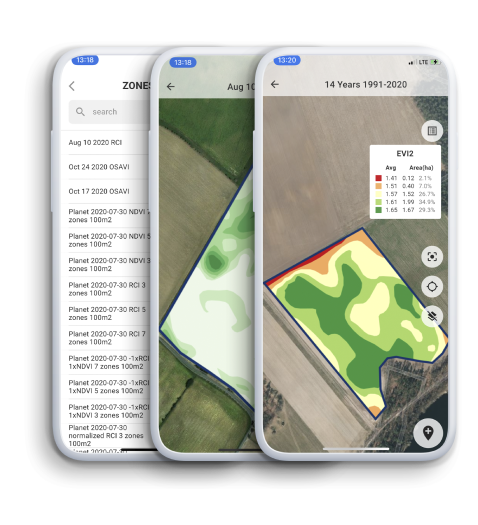
Understanding the lay of the land is vital. Topographic data helps you understand elevation and slope, which affect water flow and erosion. Combine this with satellite imagery, like NDVI and NDRE, and you get a clearer picture of the crop health across your fields. Satellite imagery lets you monitor vegetation vigor and identify stress areas. This combination supports targeted interventions, so you apply solutions exactly where needed, improving efficiency and outcomes.
Machinery and Historical Data
Your machinery logs can provide valuable historical data. This includes information on past planting, fertilizing, and harvesting activities. By analyzing this data, you can identify trends and optimize machinery use. Historical satellite imagery can also offer insights into long-term field changes. This helps in planning future activities by understanding how your fields have evolved over time. It’s about putting past insights to work for future success.
Creating Effective Management Zones

Once your data layers are integrated, the next step is creating management zones. This allows for targeted interventions across your fields, tailored to the needs of each zone.
Zone Management Strategies
Effective zone management requires strategic planning. Begin by analyzing your integrated data to delineate zones based on similar attributes. This could involve grouping areas with similar soil moisture or yield patterns. By managing these zones individually, you can tailor inputs like water, seed, and nutrients precisely. This strategy not only boosts productivity but also minimizes waste.
Variable Rate Application Prescriptions
Variable Rate Application (VRA) is a game-changer in precision agriculture. With well-defined management zones, you can create VRA prescriptions that adjust the application rates of fertilizers and pesticides. This precision ensures that each area of your field receives exactly what it needs. Implementing VRA can lead to significant cost savings and environmental benefits. It’s about smarter, not just more, farming.
Tools for Geospatial Agronomy Analytics
To support these strategies, leveraging geospatial agronomy tools is essential. These tools help process and visualize data, making it easier to create and manage zones. GeoPard offers comprehensive solutions, turning complex data into actionable insights. By using these tools, you streamline decision-making processes, leading to better farm management and outcomes.
Measuring ROI with Precision Agriculture

Precision agriculture isn’t just about data; it’s about translating that data into measurable returns. Understanding your ROI is crucial for assessing the success of your strategies.
Post-Season ROI Analysis
After a growing season, it’s important to evaluate your efforts. Post-season analysis helps you understand what worked and what didn’t. By comparing initial investments with yield gains, you can calculate the ROI of your precision agriculture practices. This analysis provides insights into which strategies delivered the best returns, guiding future decisions.
Benefits of John Deere Operations Center
Integrating your data with platforms like John Deere Operations Center enhances your ability to measure and improve ROI. This platform provides tools for monitoring and adjusting operations based on data insights. By syncing your precision agriculture data, you can track performance, plan equipment usage, and make informed decisions. It’s about harnessing technology to boost efficiency and profitability.
AI-Powered Agronomic Decision Support
Using AI in agronomic decision-making is a powerful way to refine your precision agriculture strategies. AI tools analyze data patterns to suggest optimal actions. This support helps you make informed choices about inputs, timing, and management interventions. AI doesn’t replace your expertise but amplifies it, ensuring you leverage every piece of data to its fullest potential.
Frequently Asked Questions
What is multi-layer data fusion in agriculture?
Multi-layer data fusion combines various data sets, such as yield, soil, topography, and satellite imagery, to create a comprehensive view of your fields. This integration allows for more precise management and decision-making.
How do management zones improve farming efficiency?
Management zones let you tailor inputs like water and nutrients to specific areas based on their unique needs. This targeted approach reduces waste and increases crop productivity and health.
What is Variable Rate Application (VRA)?
VRA adjusts the application rates of farming inputs according to the specific requirements of different zones within a field. This precision reduces input costs and enhances yield and environmental sustainability.
Why is post-season ROI analysis important?
Post-season ROI analysis helps you assess the effectiveness of your farming strategies by comparing initial investments with resulting yield gains. This evaluation guides future planning and optimizes resource use.
How does AI support agronomic decisions?
AI analyzes complex data patterns to recommend optimal farming actions, assisting in precise input management and timing. This technological support enhances your decision-making capabilities, ensuring maximum productivity.
Join the forefront of agricultural tech with GeoPard’s integrated platform.
Uncategorized







 English
  German
  Ukrainian
  French
  Kazakh
  Portuguese
  Spanish
  Arabic
  Swedish
  Serbian
  Romanian
  Norwegian
  Finnish
  Lithuanian
  Estonian
  Latvian
  Croatian
  Slovenian
  Slovak
  Japanese
  Polish