FAO Makes Its Water Monitoring Tool Available Worldwide

Rome: WaPOR, the innovative water management tool, is now available worldwide. It started in Africa and the Near East, where it was very successful for six years.

The Food and Agriculture Organization of the United Nations (FAO) launched the improved version today during the 2nd Rome Water Dialogue and the Global Symposium on Soils and Water.

WaPOR, short for “Water Productivity through Open access of Remotely sensed derived data,” provides users with up-to-date satellite data to monitor how much water is used in farming, especially for irrigation.

It also helps to calculate the economic benefits of using each drop of water more efficiently. This is crucial, especially in areas where water is scarce.

Lifeng LI, Director of the FAO Land and Water Division, said, “WaPOR can provide important information to help improve agricultural yields.”

The new version of WaPOR uses more advanced satellite technology, offering even more detailed information. It can zoom in on individual fields, with each pixel representing 20 meters of land. Farmers can use this data to decide when and how much to water their crops.

Jippe Hoogeveen, Chief Technical Advisor of the WaPOR program, said, “We will have better data, allowing governments to plan more effectively and help achieve Sustainable Development Goal 6.”

While the expanded WaPOR data is available to all FAO member countries and the public, Colombia and Pakistan are the first countries outside of Africa and the Near East to receive support from FAO to use this tool.

The Netherlands government funded the development of WaPOR and its expanded version.”

How It Works:

WaPOR does something cool. It measures evapotranspiration, which is a part of the water cycle. This includes water that disappears into the air through evaporation from the ground and water that goes up into the air when plants use it and release vapor.

Using this information, WaPOR can make maps that show how much plant stuff (like crops) you can get from each bit of water you use. This helps figure out how efficient we are with water when growing crops.

This can be useful in many ways. It can help make rules about how we use water and decide how much we should pay for it. It can also give advice to farmers about when and how much to water their crops. Plus, it can help decide how much energy is needed to pump water, which affects its cost.

WaPOR helps a lot in figuring out the extra cost or benefit of using water. This can help people like government planners and small farmers make smarter choices. Sometimes, using less water might not be the best answer.

For example, let’s say in a place like Lebanon, growing spring potatoes makes more money than growing wheat, even though potatoes need more water. It’s a tough choice between having enough food and making money. WaPOR can help calculate how much money you can make from the water you use, which can guide this kind of decision.

But, WaPOR doesn’t just use maps. It also looks at real things on the ground. If it sees that some farms are really good at using water, while others aren’t, it can help figure out what the successful farms are doing differently.

Lots of important organizations like the World Bank and the African Development Bank use WaPOR for their projects. It helps them make good choices too.

To make things even better, FAO is putting WaPOR into its Hand-in-Hand Geospatial Platform. This way, it can help with even more projects to help rural areas.

Low Mississippi River Water Levels Might Affect Crop Exports

Bloomberg journalist Michael Hirtzer stated in a report on Friday that “America’s crop exports face a renewed threat because the Mississippi River has shrunk.

The river has narrowed due to several months of dry weather and the hottest summer on record, which impacts the transportation of grain and soybeans from the Midwest to the Gulf Coast ports.”

To make up for the reduced water levels, barge operators are currently carrying less cargo.

“As a consequence, prices offered to farmers for their crops are decreasing, and the market is experiencing additional pressure due to the autumn harvest season.”

second year in a row water levels in the Mississippi River are reaching record lows.

“In September, shipping costs for barges on the river experienced a substantial increase, as spot rates surged by as much as 64% in a week in Memphis, Tennessee, according to data from the US Department of Agriculture. These elevated transportation expenses have contributed to making US crops comparatively more expensive than those from countries like Brazil, especially as larger South American harvests were already gaining a larger share of the market.”

Meanwhile, in a report by Jacey Fortin in Saturday’s New York Times, it was highlighted that the people of New Orleans, accustomed to preparing for hurricanes and floods, faced a new threat: the slow encroachment of salty water into the Mississippi River, putting the city’s municipal drinking water supplies at risk. The community’s response was to stock up on bottled water from grocery store shelves.

However, this crisis differs from a typical storm because the worst of the saltwater intrusion isn’t anticipated to reach the city until late October, with the possibility of the salty water persisting for an extended period, potentially causing damage to the city’s lead-lined pipes.

According to The Times article, the crisis stems from drought conditions in the Midwest, which have depleted water levels in the Mississippi River. This, in turn, has created a situation where salty water from the Gulf can infiltrate upstream beneath a layer of freshwater.

Additionally, Fortin noted that officials from the U.S. Army Corps of Engineers have indicated that the “saltwater wedge,” which has already impacted communities downstream, may approach water treatment facilities close to New Orleans in approximately a month’s time, potentially leading to the introduction of salty water into household taps.

Roughly one million individuals residing in southeastern Louisiana could potentially be impacted by this situation.

FAO Urges Sustainable and Inclusive Mechanization for Agriculture

In Rome, the Director-General of the Food and Agriculture Organization of the United Nations (FAO), Qu Dongyu, emphasized the potential of mechanization as a catalyst for change. He stressed that for mechanization to bring about positive transformation, it must prioritize environmental sustainability and ensure that no one, particularly women and smallholder farmers, is left behind.

Against the backdrop of persistently high global hunger and food insecurity, along with over 3 billion people still unable to access a nutritious diet, Qu Dongyu underscored the urgency of overhauling agrifood systems to enhance their efficiency, inclusivity, resilience, and sustainability.

These remarks were made during the inauguration of FAO’s inaugural Global Conference on Sustainable Agricultural Mechanization.

“In his inaugural address at the three-day conference, which followed the FAO conference on sustainable livestock transformation, Qu emphasized that adhering to the status quo is insufficient. He stressed the need for innovation and robust preparedness,” Qu stated.

“Innovative technologies, including satellite systems, GPS, robotics, artificial intelligence, and automated machinery, are already playing a pivotal role in shaping the future of agriculture. For instance, autonomous drones are actively monitoring crop health, while robots are proficient at identifying and removing weeds, as well as performing intricate tasks like pruning and fruit picking,” Qu explained.

Automated machinery is demonstrating exceptional precision in tasks such as planting, fertilization application, and harvesting. Meanwhile, sensors and satellites have ushered in a transformative era in agriculture, offering data-driven insights that enhance farmers’ decision-making.

Further instances of sustainable agricultural mechanization encompass direct planters capable of seed placement through crop residue, which minimizes soil disturbance and reduces the necessity for extensive tillage. Additionally, there are tractors powered by methane generated from organic sources like plants or manure.

The fundamental principles underlying all advanced and emerging technologies must revolve around sustainability and inclusivity. This implies that these technologies should be of benefit to all, with a primary focus on benefiting farmers.

Achieving this entails ensuring that these technologies and equipment can be adjusted to suit local conditions while remaining accessible and affordable. Crucially, these advancements must not exacerbate the digital divide by neglecting the needs of women and young individuals, as emphasized by Qu.

The conference, taking place from September 27 to 29 in a hybrid format at FAO’s headquarters in Rome, along with the inaugural conference on sustainable livestock transformation, holds immense significance. Qu stressed that it is crucial as it places the “Four Betters” at the forefront of our discussions.

With a global participation of over 8,000 registrants, the conference has been crafted as a neutral platform to facilitate substantive discussions on sustainable agricultural mechanization. Its diverse attendees include FAO Members, farmers, universities, agricultural scientists, mechanization service providers, development agencies, policymakers, extension specialists, representatives from civil society, opinion leaders, and the private sector.

The overarching objectives of this conference are to raise awareness regarding the pivotal role of sustainable agricultural mechanization in realizing FAO’s strategic framework and achieving the Sustainable Development Goals. It serves as a conduit for the exchange of information and knowledge pertaining to the global trends and technical advancements in mechanization. Additionally, it underscores FAO’s technical leadership and its ability to bring stakeholders together to support its members in harnessing sustainable agricultural mechanization.

The discussions during the conference span a range of thematic sessions, including topics such as Mechanization for Crop Production, Automation, and Artificial Intelligence.

Qu reiterated the significance of mechanization and automation as potent agents of change, emphasizing the need for them to be both sustainable and economically viable.

G20 Nation’s Commitment to Promote Free Trade in Agri, Food, & Fertilizers

Expressing concerns about the impact of rising commodity prices on living costs, G20 leaders made a commitment on Saturday to facilitate trade in agriculture, food, and fertilizers that is “open, equitable, predictable, and rules-based,” in accordance with relevant World Trade Organization (WTO) regulations.

The leaders, adopting the New Delhi Declaration of G20 countries, also pledged to assist developing nations in addressing their food security challenges.

They further vowed to collaborate to ensure affordable, safe, nutritious, and healthy diets for all and to progressively realize the right to adequate food. The Declaration emphasized the enhancement of global food security and nutrition in line with the G20 Deccan High-Level Principles on Food Security and Nutrition 2023.

To achieve these objectives, G20 member nations committed to six high-level principles, including the promotion of open and free trade in food and fertilizers. The Declaration explicitly stated: “We commit to facilitate open, fair, predictable, and rules-based agriculture, food, and fertilizer trade, refrain from imposing export bans or restrictions, and reduce market distortions, following relevant WTO rules.”

It’s worth noting that India has imposed export bans on wheat and certain rice varieties to control food inflation.

In addition to advocating for free trade, G20 leaders pledged to monitor two additional commodities, fertilizers and vegetable oils, under the Agricultural Market Information System (AMIS) and the Group on Earth Observations Global Agricultural Monitoring (GEOGLAM). This step aims to enhance transparency and prevent food price fluctuations.

Furthermore, they expressed their support for AMIS’ work on fertilizers, its expansion to include vegetable oils, and collaboration with early warning systems.

The Declaration also stressed the importance of increasing access to fertilizers and agricultural inputs while promoting their efficient use. This includes strengthening local fertilizer production and improving soil health.

Acknowledging the outcomes of the 12th G20 Meeting of Agriculture Chief Scientists (MACS), G20 member countries committed to promoting research cooperation on climate-resilient and nutritious grains, such as millets, quinoa, sorghum, and traditional crops like rice, wheat, and maize.

They also pledged to accelerate innovation and investments aimed at increasing agricultural productivity, reducing food loss and waste throughout the value chain, and improving marketing and storage. These efforts are aimed at building more sustainable and climate-resilient agriculture and food systems.

Additionally, the G20 leaders recognized the continued potential for volatility in global food and energy markets, even though prices have decreased from their peak levels. They took note of the G20 Report on Macroeconomic Impacts of Food and Energy Insecurity and their Implications for the Global Economy.

Finally, the Declaration expressed anticipation for a significant replenishment of resources for the International Fund for Agricultural Development (IFAD) by IFAD members at the end of the year to support IFAD’s efforts in combating food insecurity.

It also highlighted the importance of ensuring women’s food security, nutrition, and well-being, with a commitment to inclusive, sustainable, and resilient agriculture and food systems and accessible, affordable, safe, and nutritious food.

The leaders vowed to promote innovation in agri-value chains and systems for women farmers and support gender-responsive and age-sensitive nutrition and food system interventions, using innovative financing mechanisms and social protection systems to combat hunger and malnutrition.

The Declaration underscored the crucial role of women’s food security and nutrition in individual and community development and overall well-being.

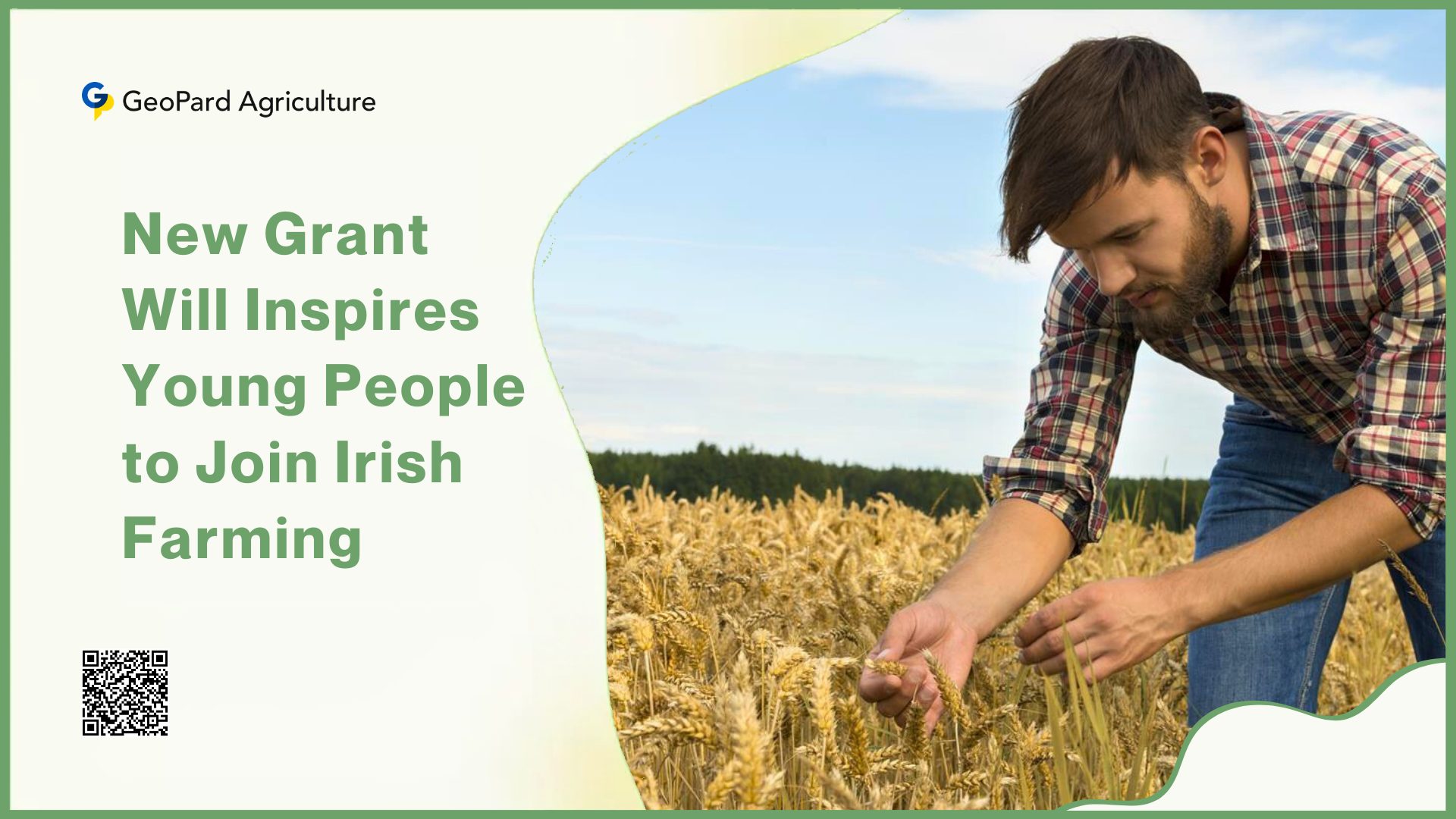
New Government Grant Will Inspires Young People to Join Irish Farming

MACRA has welcomed the Government’s new Succession Planning Advice Grant (SPAG) for farmers but cautioned that further supports are needed to bring young people into farming.

The new scheme, which opens next month, will help older farmers to plan for the future and the future of their farms, by providing financial support towards the costs of legal and financial advice for succession planning.

It will support farmers aged 60 years and over to seek succession planning advice by contributing up to 50% of vouched legal, accounting, and advisory costs, subject to a maximum payment of €1,500.

‘It is very important to be able to assist farmers in making what can be very difficult but ultimately very important decisions about the future of their farming enterprise,’ said Agriculture Minister Charlie Mc Conalogue Minister McConalogue.

While welcoming the announcement, Macra president Elaine Houlihan said it is never too early to commence succession planning, and highlighted that less than 7% of farmers are under the age of 35. She cited an Irish Farm Accounts Co-operative Society (IFAC) study of 2000 farmers in 2019, which showed that 86% of this cohort did not have a succession plan in place.

Given that over one third of all farmers are over the age of 65, Ms Houlihan said it is imperative for the future of the industry that farmers engage with services that can assist with succession planning, services such as the Land Mobility service.

Ms Houlihan said: ‘This is not the first time that financial incentives have been introduced to facilitate succession, we have the €5,000 tax credit available for Succession Partnerships since 2017, we have approximately 280 financial supports available under CAP, yet less than 7% of farmers are under the age of 35.

‘The payment of up to €1500 to farmers who avail themselves of professional services is welcomed, it will assist in generational renewal, it will not on its own move the dial from less than 7% to where it should be.’

Ms Houlihan said Macra will continue to work with the Government in the development of its succession scheme.

The Government scheme will open the scheme September 19th with paper applications form available at the National Ploughing Championships and for download from the Department of Agriculture website. Applications for 2023 will close at the end of the year and the first tranche payment will be in Quarter 1 of 2024.

• An information webinar for the new scheme is scheduled for September 6th at 7pm and can be accessed at https://register.gotowebinar.com/register/7167331902946967642

Who can Access the Grant?

  • Farmers aged 60 years and above who are currently not in a succession farm partnership.
  • Farming at least a minimum of 3 hectares of land at the time of application.
  • Farming for a minimum of 2 years prior to application.

Adoption of Precision Agriculture is Rising in Top Row-Crop States of US

In a recent report released by the USDA, it was revealed that precision agriculture practices are gaining significant ground in the top corn, wheat, soybean, and hog states across the US. These states are showing twice the likelihood of adopting precision agriculture techniques compared to their counterparts in smaller-volume states.

The report, known as the Technology Use report, is published biennially and provides insights into the evolving trends in the agricultural sector.

The USDA’s findings highlight that the usage of precision agriculture practices, which include technologies like GPS guidance and yield monitoring, is notably higher in the leading row-crop states.

Remarkably, these practices have been adopted by more than 50 percent of farmers in these states, while the nationwide average stands at 27 percent. This underscores the growing enthusiasm and recognition among farmers for the benefits offered by precision agriculture.

However, the adoption of precision agriculture practices is undergoing gradual growth. Initially recorded at 25 percent in 2021 when the USDA introduced the inquiry, it has since increased to 27 percent this year.

In 2023, the utilization of the internet for purchasing agricultural inputs experienced a 3 percent surge compared to 2021, reaching 32 percent of farms.

Similarly, the use of the internet for promoting agricultural activities increased by 2 percent from 2021, with 23 percent of farms adopting this practice. Additionally, there was a 2 percent uptick in farms engaging in transactions with non-agricultural websites, bringing the total to 49 percent in 2023.

States like Illinois, Iowa, Kansas, Nebraska, North Dakota, and South Dakota are at the forefront of this movement, with at least half of the producers in these states reporting the implementation of precision agriculture methods in their operations over the past year.

These methods encompass a wide array of techniques, ranging from GPS-assisted steering and yield monitoring to variable rate input applications, drone-assisted field scouting, and even robotic milking. North Dakota takes the lead with an impressive 57 percent adoption rate.

The significance of precision agriculture in these states is further underlined by their role as leading producers of key crops. Iowa, for instance, holds the distinction of being the top corn and hog state, while Illinois takes the lead in soybeans.

Kansas and North Dakota vie for the top spot in wheat production. These states also contribute significantly to the production of cattle, grain, sunflowers, and other crops, thus amplifying the impact of precision agriculture adoption.

However, the report also points out disparities in adoption rates across different states. While precision agriculture has achieved strong adoption in certain states, it lags behind in others. For instance, Texas, a significant cattle and cotton producer, reported an adoption rate of just 13 percent.

Similarly, Indiana and Minnesota, which are prominent corn and soybean states, reported rates of 32 percent. In California, a major producer of fruits, vegetables, and milk, the adoption rate stood at 40 percent.

The report also delves into technology usage among farmers, revealing that around 85 percent of farms have access to the internet. Smartphones are more common among farmers, with 82 percent ownership, compared to desktop or laptop computers, owned by 69 percent of farmers.

The data presented in the report was collected through a survey of 14,000 agricultural operations conducted in June. With approximately 2 million farms in the US, defined as places where agricultural products worth $1,000 or more are produced and sold annually, the report provides a comprehensive snapshot of the evolving landscape of precision agriculture adoption in the country.

As technology continues to advance and farmers recognize the tangible benefits of precision agriculture, it is expected that these trends will continue to shape the future of farming practices in the US.

Canada Government Invests In Adoption of Precision Agriculture

Today, Marc G. Serré, who is a Member of Parliament, announced some important news. The government is providing funds, up to $31,796, to help the François Delorme farm in Verner. This particular farm grows various crops like soybeans, canola, oats, wheat, and corn.

This financial support will be used by the farm to acquire a special tool called a fertilizer spreader with variable rate technology. This tool uses a computerized map to accurately apply the right amount of nutrients to the crops.

By doing this, the farm can use less fertilizer, which is good for the environment because it reduces pollution. Additionally, it can save fuel by being more precise, ultimately cutting fuel consumption by half.

In the province of Ontario, many other farming projects have also received assistance from the government. A total of $44.5 million has been provided for 112 projects, and these include improvements in grain drying equipment.

The government’s main goal is to make farming practices more environmentally friendly. They’re providing financial support to develop and implement cleaner technologies for farms. This aligns with the government’s larger plan to make Canada more sustainable and reduce its impact on the environment.

Those involved in this initiative are pleased with the progress. Marc G. Serré expressed the government’s commitment to both reducing pollution and helping farms thrive.

François Delorme, the farm owner, expressed gratitude for the support, highlighting how it modernizes the farm’s operations while also benefiting the environment.

All of this falls within the broader strategy to enhance the country’s sustainability while also aiding the agricultural sector in becoming more eco-friendly.

Quotes

“Across Northern Ontario, our Government is committed to working closely with farmers to reduce greenhouse gas emissions and develop technology to prevent further climate change. By investing in local farming operations, like the François Delorme farm, we continue to establish the right building blocks to get to net zero by 2050.” – Marc G. Serré, Member of Parliament for Nickel Belt

“Our goal is to help the Canadian agricultural sector innovate and adopt clean technologies. This investment in the adoption of new precision agriculture technology and equipment will help to reduce the sector’s greenhouse gas emissions and leverage technology to mitigate climate change.” – The Honourable Lawrence MacAulay, Minister of Agriculture and Agri-Food

“I would like to thank the Government of Canada for providing a program to help improve and modernize our farming practices, which helps us reduce our product inputs to keep us competitive in the global market. It will also help us reduce our emissions footprint and become more sustainable.” – François Delorme, Farm Operator, François Delorme Farm

Quick Facts

  • The ACT – Adoption Stream supports the adoption of clean technologies, with a priority on those that meaningfully reduce GHG emissions.
  • Through the recently expanded ACT Program, current pollution levels are expected to be reduced by up to 0.8 megaton annually.
  • As part of the Strengthened Climate Plan and the Emissions Reduction Plan the Government of Canada committed over $1.5 billion to accelerate the agricultural sector’s progress on reducing emissions and to remain a global leader in sustainable agriculture. This includes $495.7 million for the ACT Program.
  • The 251 projects announced to date under the ACT Program total up to nearly $96.2 million and complement the work already underway to help farmers reduce carbon emissions and develop technology to adapt to climate change.
  • Producers also have access to a comprehensive suite of business risk management (BRM) programs to help them manage significant risks that threaten the viability of their farm and are beyond their capacity to manage. This includes the core programs of AgriStability, AgriInsurance and AgriInvest.
  • BRM programs are often the first line of support for producers facing disasters and farmers are encouraged to make use of these programs to protect their farming operation.

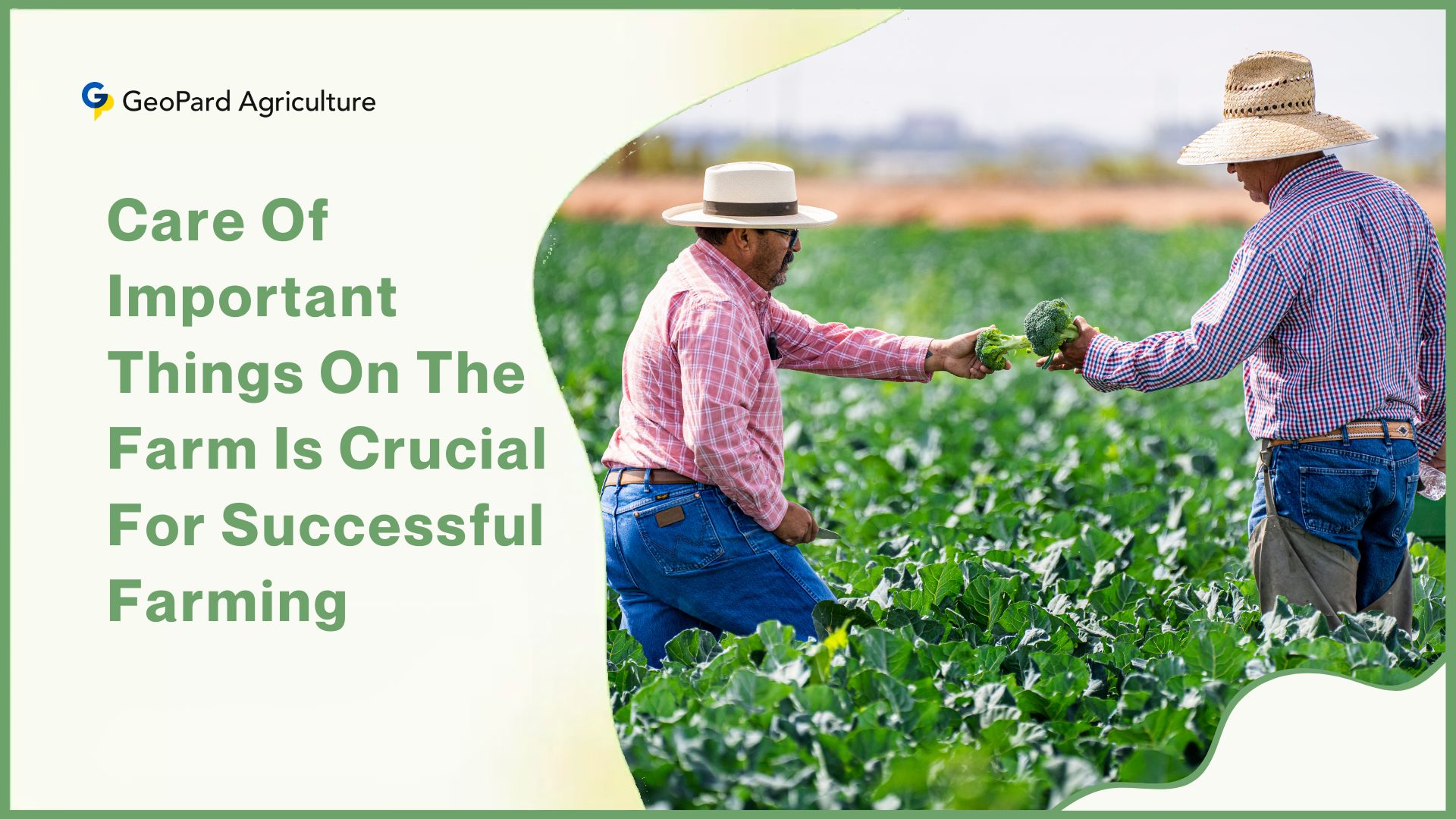
Care Of Important Things On The Farm Is Crucial For Successful Farming

The environment is really important for everyone, especially for farmers and their businesses. This is because we need healthy soil, clean air, and water to grow crops and raise animals. These provide the food, fuel, and things like cloth that we all need.

Taking care of the environment is a big part of being a farmer. It’s also something we do for the whole society, not just ourselves. But we can’t do it alone.

That’s why it was really good to hear that the government is supporting research and projects to help keep our water clean and our soil healthy. They’re giving us tools and programs to do this important work.

I’m a farmer near Cobourg, and I went to an event that happened in our area. David Piccini, who is in charge of taking care of the environment in Ontario, came to Kaiser Lake Farms near Napanee. He said that the government will spend $6 million on things that will help keep the Great Lakes healthy.

This is important for farmers like me because they’re giving money to projects that will help take care of the land we use for farming. These projects will also stop things like nutrients from our farms getting into the Great Lakes, which is good for the water.

Lisa Thompson, the Minister in charge of farming stuff in Ontario, went to Shuh Orchards in Waterloo Region. She said they’re giving $68 million to start three new programs that help farmers do things in a better way that won’t hurt the land.

Most of the money will go to a program called Resilient Agricultural Landscapes Program (RALP). This will help farmers do things like not digging up the soil too much, making ponds to keep water, and other things to stop bad stuff from going into the air and to trap carbon.

Farmers can also get money from the Agricultural Stewardship Initiative to change how they use machines and do things on the farm.

The third program, known as On-Farm Applied Research and Monitoring (ONFARM), will give money to research ways to make farming better for the land. They want to make the soil healthier and keep the water clean.

When Minister Piccini visited Kaiser Lake Farms, they showed different things that farmers can do to keep the water and environment safe.

These include having strips of plants next to the crops to stop water from flowing away, making pathways for water to go into drains, planting special crops to stop the soil from being washed away, and using drains to let water into the ground for plants and nutrients.

These are just a few ways that many farmers all over Ontario have been using for a long time – sometimes even for decades. They do this to make sure they are taking care of the land and the environment while also making smart choices for their farms.

For example, on my own farm in a hilly part of Ontario, I started using a method called “no-till planting” back in the 1980s. This helps stop the soil from washing away, makes the soil stronger, and keeps it healthy.

I’ve also been a part of a local group that works on improving soil and crops. This group helps farmers learn about taking care of the environment while farming.

As technology gets better, farmers have access to new tools that can help them. One example is special equipment that can put fertilizer exactly where the soil needs it or only spray weeds and not other plants. There are also robots that can look for pests, predict how much food we’ll get, and control weeds.

Farmers always want to do a better job and use less stuff to make more food. These kinds of tools help us do that and also take good care of the environment. This isn’t just good for farmers; it’s good for everyone. When the environment is healthy and strong, it’s good for us now and for the people who come after us.

Water and soil are really important things for us because they help us grow the food we eat. That’s why it’s super important that we take care of them and use them wisely. We’re really thankful for the government’s help through programs that were just announced. These programs will help us do a better job of looking after water and soil.

UMaine Researchers Assisting Farmers With Precision Technology

In Orono, Maine, advancements in “precision technology” offer farmers high-tech tools to enhance their understanding of land and animals, leading to improved practices. Glenda Pereira, an assistant extension professor and dairy specialist at the University of Maine Cooperative Extension, is spearheading a project with Maine dairy farmers.

This initiative involves electronic ear tags that track cow movements to optimize their care. The project not only leverages new technology but also fosters interpersonal connections among UMaine researchers, alumni, and the dairy farming community.

Having joined UMaine about two years ago, Pereira brings her experience from Minnesota, where she worked with numerous organic dairy farms, finding Maine’s dairy systems both familiar and uniquely diverse.

Glenda Pereira emphasizes Maine’s potential for diversification in agriculture, offering various opportunities beyond milk production.

Besides selling beef and farm-made products to consumers, agritourism holds significant potential. Pereira recognizes the state’s clientele and consumerism, supporting local farms in exploring these opportunities.

Before joining UMaine, Pereira conducted research on precision technology in dairy farms, particularly focusing on its applicability in organic and low-input conventional farms.

Unlike some other farming innovations, precision technology aligns well with organic certifications, making it a valuable tool for farms without access to certain conventional practices, like reproductive technologies. Pereira sees this as a great opportunity to study how such technologies work in this space.

After joining UMaine, Glenda Pereira received an invitation from the Northeast Dairy Business Innovation Center (NE-DBIC) to propose a technical assistance project involving five farmers. Intrigued by Pereira’s previous research, the organization wanted to expand its work in Maine.

Inspired by a presentation on precision technology by Rick Grant at the Maine Dairy Seminar, Pereira came up with the idea of using ear tag data to optimize the “cow time budget.”

This involves observing how cows spend their days in terms of rest, rumination, and milk production. Five dairy farmers from across Maine joined the research project, which commenced in February 2023.

Pereira credits the strong support and network provided by UMaine’s retired Extension dairy specialists, including Rick Kersbergen, Gary Anderson, and David Marcinkowski, as crucial assets in launching the program. Their established connections with the Maine dairy industry paved the way for her successful collaboration with dairy farmers.

Once Pereira assembled her cohort of farmers, she provided them with training on using the CowManager technology and collecting data from the ear tags for her research. The tags can monitor cow activities, such as chewing cud or moving around the barn, as well as track their temperatures.

While the project progresses, Pereira acknowledges that there are variations in how the technology works on different farms. Factors like internet connectivity and radio frequency issues near certain locations, such as the airport, need to be addressed and better understood.

Among the farmers recruited for the research is Heather Miller, an alumna of UMaine’s animal sciences program. Having discovered her passion for working with cows during a class where she learned to milk them, Miller is now the herdswoman at R.E. Hemond Farm, Inc., in Minot.

Heather Miller, the herdswoman at R.E. Hemond Farm, Inc., in Minot, has a strong connection to UMaine, having spent five years there and milking at Witter Farm for nine semesters.

Miller speaks highly of the new precision technology implemented on her farm and appreciates the opportunity to work with Glenda Pereira and contribute to the research program that helped shape her career path.

Miller praises Pereira’s personable and easy-going nature, especially when it comes to working with cows. She acknowledges Pereira’s genuine love for cows and her dedication to assisting the farmers in their endeavors.

Glenda Pereira and her graduate student Ana Jimenez actively engage in the project, traveling across the state to assist the cohort of dairy farmers. Jimenez is inspired by Pereira’s ability to connect genuinely with all the farmers and care about their needs. The two spend hours driving to various farms, and Jimenez appreciates Pereira’s passion for her job, making their journeys enjoyable.

Originally from Lima, Peru, Jimenez seized the opportunity to study in the United States after a colleague shared a job posting at UMaine. She began her research on feed stock nutrition with Juan Romero, an associate professor of animal nutrition, before joining Pereira’s research. Besides assisting with research, Jimenez contributes to designing graphics and other communication materials for the project.

Ana Jimenez had such a positive experience working with Pereira and Romero that she will continue her involvement in their research next year. Pereira envisions the project offering opportunities for undergraduate students to get involved, particularly through the Animal and Veterinary Science capstone program in the fall.

Although the project is scheduled to run until February 2024, significant insights have already been gained from the gathered data. For instance, behavioral data revealed that establishing a consistent feeding schedule leads to improved cow habits, resulting in better milk production and udder health.

While the data is valuable, Pereira emphasizes that the most meaningful aspect of the project is the peer-to-peer connections fostered among dairy farmers.

By facilitating interactions and knowledge exchange among farmers, the project proves to be successful in providing practical insights that can be implemented on individual farms. Farmers learn from one another’s experiences, leading to improved management practices that resonate with their specific situations and schedules.

Lebanon’s Cedar Crest is Among 11 FFA Chapters to Get Precision Agriculture Driving Simulator

As Cedar Crest FFA Parliamentarian Bradyn Aurentz tried to follow the red line on the driving simulator, the sales manager noticed his manual steering resulted in spinning in circles.

However, after switching to auto steer mode with GPS assistance, Aurentz easily stayed within the designated field path marked by two blue lines.

Aurentz praised the Raven RS-1 Demo Education Simulator, stating that it provides a realistic experience for students, allowing them to train on the same system used by farmers for accurate equipment steering and application of chemicals, seeds, and fertilizer.

Lebanon County’s Cedar Crest FFA chapter is one of 11 nationwide to receive a Raven RS-1 Demo Education Simulator, donated by CNH Industrial, the parent company of Raven Technologies and New Holland Agriculture.

The simulator, which utilizes Raven technology in New Holland farm equipment, allows farmers to use GPS-assisted auto steer and monitor the application of chemicals, seeds, and fertilizer. Messick’s Equipment in Rapho Township serves as the vendor and hosted Cedar Crest FFA members and Pennsylvania FFA state officers for a preview of the simulator operations and a tour of the facility.

The tabletop simulators feature a display screen connected to GPS and other sensors, providing students with a compact unit for hands-on learning.

The auto steer function in the Raven RS-1 simulator allows farmers to drive straight lines easily, combating operator fatigue and minimizing the overuse of materials in the fields. This helps reduce the economic and environmental impact of farming practices.

The high-end unit, valued at around $23,000, will be provided to Cedar Crest FFA, with efforts underway to find bundle or discount options for other interested FFA chapters nationwide.

Access to learning materials is available at bit.ly/PrecisionToolkits for FFA teachers and students to receive training similar to what field technicians use to operate the simulator.

Making A Difference

In addition to Cedar Crest, other FFA chapters receiving the donated simulators are Botkins FFA (Ohio), Chicago Ag Sciences FFA (Illinois), Graves County FFA (Kentucky), Imbler FFA (Oregon), Rossville FFA Chapter (Indiana), South Hamilton FFA (Iowa), Stockbridge Valley FFA (New York), and Dodgeville FFA, Mosinee FFA, and Whitehall FFA (all in Wisconsin).

Cedar Crest FFA teacher Phil Haussener, along with instructors Darren Grumbine and Claudia Brady, visited Messick’s Equipment with six chapter officers and one member working on a farm.

They previewed the simulator training, which Haussener plans to incorporate into the curriculum in the upcoming fall semester.

Cedar Crest’s application for the simulator donation was made in fall 2022, and having an active farmer like Grumbine, who uses precision tech on his Lebanon farm, might have contributed to their chances of receiving the simulator.

Crystal Bomgardner, the Pennsylvania FFA President since June, graduated in 2022 from the Bob Jones Academy and Northern Lebanon FFA chapter.

As a local resident, she expressed excitement about the donated simulator going to a school in her home area. Bomgardner’s father has a farming background, owning a custom hay baling business and a hobby farm with show heifers, pigs, and chickens.

Cedar Crest FFA teacher, Phil Haussener, mentioned that having students like Bomgardner with farm backgrounds is relatively rare nowadays, with only about 10 to 15% of his students coming from a farming background.

Both Bomgardner and Haussener highlighted that the high-end simulator will provide valuable learning opportunities about the latest agricultural technology, essential not only for modern farming but also applicable to advanced fields like self-driving vehicles and artificial intelligence.

Haussener emphasized that the simulator opens up new possibilities for the students and Bomgardner praised the GPS-assisted auto steer, a significant improvement compared to older manual steering equipment available to many FFA chapters.

They believe this simulator experience will give Cedar Crest FFA students a better understanding of modern AI applications in agriculture.

wpChatIcon
wpChatIcon

    Request Free GeoPard Demo / Consultation


    By clicking the button you agree our Privacy Policy. We need it to reply to your request.

      Subscribe


      By clicking the button you agree our Privacy Policy

        Send us information


        By clicking the button you agree our Privacy Policy