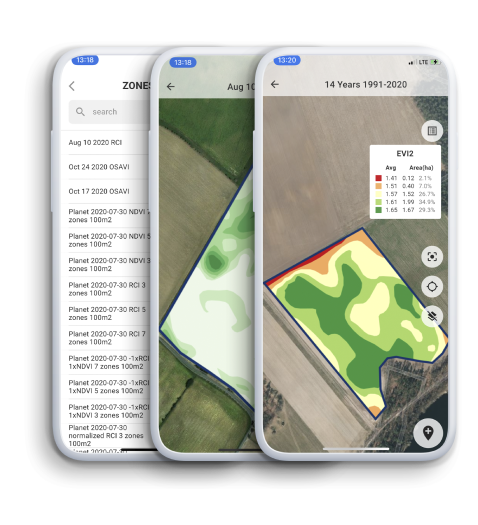
Precision agriculture (Precision Ag), an innovative approach to farming that integrates technology, data, and advanced methodologies, has transformed the agricultural landscape.
By leveraging tools like GPS guidance, drones, sensors, and data analytics, farmers can maximize efficiency, reduce waste, and optimize yields. However, this revolutionary field did not emerge in isolation. Its evolution is deeply rooted in centuries-old agricultural practices, demonstrating how the past serves as a prologue to the future.
A Look Back: The Foundations of Precision Agriculture
Agriculture has always been a field of innovation. Long before the advent of modern technology, farmers relied on keen observation, experience, and trial-and-error to improve productivity.
Practices like crop rotation, irrigation, and selective breeding exemplify early forms of precision farming. These methods, though rudimentary by today’s standards, laid the groundwork for modern agricultural strategies.
The Industrial Revolution in the 18th and 19th centuries marked a significant turning point. Mechanized equipment like plows, seed drills, and threshing machines enhanced efficiency, allowing farmers to manage larger plots of land.
This period also saw the advent of chemical fertilizers and pesticides, further boosting crop yields. These innovations set the stage for the precision-driven technologies that would follow in the 20th and 21st centuries.
The Emergence of Modern Precision Agriculture
The concept of precision agriculture as we know it today began to take shape in the late 20th century with advancements in satellite technology, computing power, and geographic information systems (GIS). Key milestones in this period include:
- GPS Technology (1990s): The introduction of GPS systems revolutionized farming by enabling precise navigation of machinery. Farmers could now optimize planting, fertilizing, and harvesting patterns, reducing overlap and minimizing resource wastage.
- Yield Monitoring (1990s): Yield monitors installed on combine harvesters provided detailed data on crop performance, helping farmers identify high- and low-yield areas within their fields.
- Remote Sensing (2000s): The use of satellite imagery and drones allowed farmers to monitor crop health, soil conditions, and water usage with unprecedented accuracy.
- Variable Rate Technology (VRT): VRT enabled farmers to apply inputs like seeds, fertilizers, and pesticides at variable rates across a field, tailored to the specific needs of different zones.
These innovations marked the transition from generalized farming practices to site-specific management, significantly enhancing efficiency and sustainability.
The Current Landscape: Precision Ag Today
In the 21st century, precision agriculture has become a cornerstone of modern farming. Today’s technologies incorporate advanced sensors, machine learning algorithms, and real-time data analytics. Key trends shaping the current landscape include:
- Big Data and AI: Farmers now collect massive amounts of data from their fields, including soil composition, weather patterns, and crop performance. Artificial intelligence processes this data to generate actionable insights.
- Internet of Things (IoT): Smart sensors and IoT devices allow for continuous monitoring of field conditions, enabling real-time decision-making.
- Autonomous Machinery: Self-driving tractors and robotic harvesters reduce labor requirements while improving precision and efficiency.
- Sustainability Focus: Precision agriculture aligns with the growing emphasis on sustainability by minimizing resource use, reducing environmental impact, and improving carbon sequestration in soils.
The Future of Precision Agriculture
Looking ahead, precision agriculture is poised to evolve further as emerging technologies reshape the industry. Some of the most promising developments include:
- Gene Editing: Tools like CRISPR could enable the creation of crops specifically designed for precision farming, with traits optimized for local soil and climate conditions.
- Predictive Analytics: Advances in AI and machine learning will improve the accuracy of predictive models, helping farmers anticipate challenges like pest outbreaks or weather anomalies.
- Blockchain Technology: Blockchain can enhance transparency and traceability in agricultural supply chains, ensuring ethical sourcing and fair pricing.
- Expanded Connectivity: With the rollout of 5G networks, rural areas will gain access to high-speed internet, enabling even more sophisticated precision ag technologies.
Past as Prologue: Learning from History
The journey of precision agriculture underscores a critical lesson: innovation builds on the foundations of the past. Early agricultural practices taught us the importance of observation and adaptation. The mechanization era highlighted the value of efficiency and scalability. Today’s precision agriculture combines these lessons with cutting-edge technology to address the challenges of feeding a growing global population.
By understanding and appreciating the historical context of precision agriculture, we can better navigate its future. The past serves not just as a guide but as a reminder that progress is a continuous journey, rooted in the ingenuity and resilience of those who came before us.
Conclusion
Precision agriculture is a testament to the power of human innovation and the enduring relevance of history. As we stand on the cusp of new breakthroughs, it is essential to recognize that the advancements of tomorrow will be shaped by the insights of today and the lessons of the past. By embracing this continuity, we can ensure that precision agriculture continues to evolve, fostering a sustainable and prosperous future for farmers and the planet alike.
Precision Farming