Modelo transformador de recomendación de cultivos basado en la nube que revoluciona la agricultura de precisión

Agriculture is at a crossroads. With the global population set to reach 9.7 billion by 2050, farmers must produce 70% more food while battling climate change, soil degradation, and water scarcity.

Traditional farming methods, which rely on outdated practices and guesswork, are no longer sufficient. Enter the Transformative Crop Recommendation Model (TCRM), an AI-driven solution designed to tackle these challenges head-on.

This article explores how TCRM uses machine learning, IoT sensors, and cloud computing to deliver 94% accurate crop recommendations, empowering farmers to boost yields, reduce waste, and adopt sustainable practices.

The Growing Need for AI in Modern Farming

The demand for food is skyrocketing, but traditional farming struggles to keep up. In regions like Punjab, India—a major agricultural hub—soil health is declining due to overuse of fertilizers, and groundwater reserves are depleting rapidly.

Farmers often lack access to real-time data, leading to poor decisions about crop selection, irrigation, and resource use. This is where precision agriculture, powered by AI, becomes critical.

Unlike conventional methods, precision agriculture uses technology like IoT sensors and machine learning to analyze field conditions and provide tailored recommendations. TCRM exemplifies this approach, offering farmers actionable insights based on soil nutrients, weather patterns, and historical data.

By integrating AI into farming, TCRM bridges the gap between traditional knowledge and modern innovation, ensuring farmers can meet future food demands sustainably.

“This isn’t just about technology—it’s about ensuring every farmer has the tools to thrive.”

How TCRM Works: Merging Data and Machine Learning

At its core, TCRM is an AI crop recommendation system that combines multiple technologies to deliver precise advice. The process begins with data collection. IoT sensors deployed in fields measure critical parameters like soil nitrogen (N), phosphorus (P), potassium (K), temperature, humidity, rainfall, and pH levels.

These sensors feed real-time data into a cloud-based platform, which also pulls historical crop performance records from global databases like NASA and the FAO. Once collected, the data undergoes rigorous cleaning.

Missing values, such as soil pH readings, are filled using regional averages, while outliers—like sudden humidity spikes—are filtered out. The cleaned data is then normalized to ensure consistency; for example, rainfall values are scaled between 0 (100 mm) and 1 (1000 mm) to simplify analysis.

Next, TCRM’s hybrid machine learning model takes over. It blends Random Forest algorithms—a method using 500 decision trees to avoid errors—with deep learning layers that detect complex patterns.
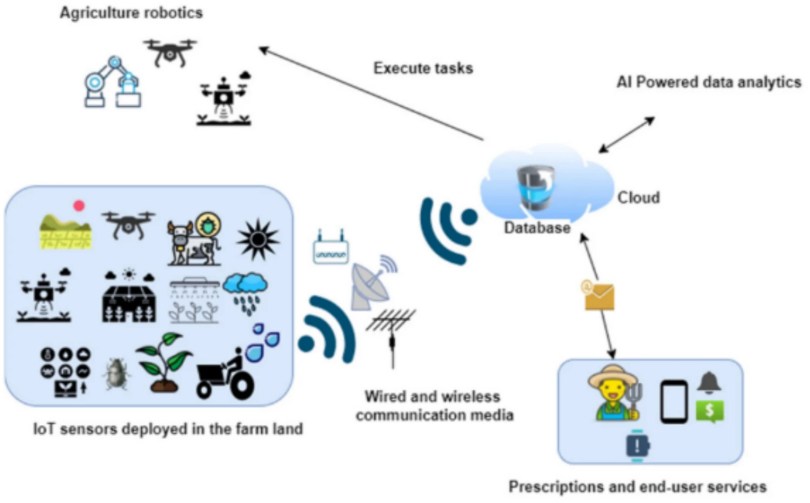
How TCRM Works Merging Data and Machine Learning

A key innovation is the multi-head attention mechanism, which identifies relationships between variables. For instance, it recognizes that high rainfall often correlates with better nitrogen absorption in crops like rice.

The model is trained over 200 cycles (epochs) with a learning rate of 0.001, fine-tuning its predictions until it achieves 94% accuracy. Finally, the system deploys recommendations via a cloud-based app or SMS alerts, ensuring even farmers in remote areas receive timely advice.

Why TCRM Outperforms Traditional Farming Methods

Traditional crop recommendation systems, such as those using Logistic Regression or K-Nearest Neighbors (KNN), lack the sophistication to handle farming’s complexities.

For example, KNN struggles with imbalanced data—if a dataset has more entries for wheat than lentils, its predictions skew toward wheat. Similarly, AdaBoost, another algorithm, scored just 11.5% accuracy in the study due to overfitting. TCRM overcomes these flaws through its hybrid design.

By merging tree-based algorithms (for transparency) with deep learning (for handling intricate patterns), it balances accuracy and interpretability.

In trials, TCRM achieved a 97.67% cross-validation score, proving its reliability across diverse conditions. For instance, when tested in Punjab, it recommended pomegranate for farms with high potassium (120 kg/ha) and moderate pH (6.3), leading to a 30% yield increase.

Farmers also reduced fertilizer use by 15% and water waste by 25%, as the system provided precise nutrient and irrigation guidelines. These results highlight TCRM’s potential to transform agriculture from a resource-intensive industry into a sustainable, data-driven ecosystem.

TCRM Outperforms Traditional Farming Models

Real-World Impact: Case Studies from Punjab

Punjab’s farmers face severe challenges, including depleted groundwater and soil nutrient imbalances. TCRM was tested here to assess its practical value.

One farmer, for example, input data showing soil nitrogen at 80 kg/ha, phosphorus at 45 kg/ha, and potassium at 120 kg/ha, alongside a pH of 6.3 and 600 mm of annual rainfall.

TCRM analyzed this data, recognized the high potassium levels and optimal pH range, and recommended pomegranate—a crop known for thriving in such conditions. The farmer received an SMS alert detailing the crop choice and ideal fertilizers (urea for nitrogen, superphosphate for phosphorus).

Over six months, farmers using TCRM reported 20–30% higher yields for staple crops like wheat and rice. Resource efficiency improved too: fertilizer use dropped by 15% as the system pinpointed exact nutrient needs, and water waste fell by 25% due to irrigation aligned with rainfall forecasts.

These outcomes demonstrate how AI-driven tools like TCRM can enhance productivity while promoting environmental sustainability.

Technical Innovations Behind TCRM’s Success

TCRM’s success hinges on two breakthroughs. First, its multi-head attention mechanism allows the model to weigh relationships between variables.

For example, it detected a strong positive correlation (0.73) between rainfall and nitrogen uptake, meaning crops in high-rainfall regions benefit from nitrogen-rich fertilizers.

Conversely, it found a slight negative link (-0.14) between soil pH and phosphorus absorption, explaining why acidic soils require lime treatment before phosphorus-heavy crops like potatoes are planted.

Second, TCRM’s cloud and SMS integration ensures scalability. Hosted on Amazon Web Services (AWS), the system handles over 10,000 users simultaneously, making it viable for large cooperatives.

For smallholders without internet, the Twilio API sends SMS alerts—3,000+ monthly in Punjab alone—with crop and fertilizer advice. This dual approach ensures no farmer is left behind, regardless of connectivity.

Technical Innovations Behind TCRM’s Success

Challenges in Adopting AI for Farming

Despite its promise, TCRM faces hurdles. Many farmers, especially older ones, distrust AI recommendations, preferring traditional methods. In Punjab, only 35% of farmers adopted TCRM during trials.

Cost is another barrier: IoT sensors cost 200500 per acre, unaffordable for small-scale farmers. Additionally, TCRM’s training data focused on Indian crops like wheat and rice, limiting its usefulness for quinoa or avocado growers in other regions.

The study also highlights gaps in testing. While TCRM scored 97.67% in cross-validation, it wasn’t evaluated under extreme conditions like floods or prolonged droughts. Future versions must address these limitations to build resilience and trust.

The Future of AI in Agriculture

Looking ahead, TCRM’s developers plan to integrate Explainable AI (XAI) tools like SHAP and LIME. These will clarify recommendations—for example, showing farmers that a crop was chosen because potassium levels were 20% above the threshold.

Global expansion is another priority; adding datasets from Africa (e.g., maize in Kenya) and South America (e.g., soybeans in Brazil) will make TCRM universally applicable.

Real-time IoT integration using drones is also on the horizon. Drones can map fields hourly, updating recommendations based on changing weather or pest activity.

Such innovations could help predict locust outbreaks or fungal infections, enabling preemptive action. Lastly, partnerships with governments could subsidize IoT sensors, making precision agriculture accessible to all farmers.

Conclusión

The Transformative Crop Recommendation Model (TCRM) represents a leap forward in agricultural technology. By combining AI, IoT, and cloud computing, it offers farmers a 94% accurate, real-time decision-making tool that boosts yields and conserves resources.

While challenges like costs and adoption barriers remain, TCRM’s potential to revolutionize farming is undeniable. As the world grapples with climate change and population growth, solutions like TCRM will be vital in creating a sustainable, food-secure future.

Referencia: Singh, G., Sharma, S. Enhancing precision agriculture through cloud based transformative crop recommendation model. Sci Rep 15, 9138 (2025). https://doi.org/10.1038/s41598-025-93417-3

Marco de IA Automatizado para PYMES. Subvención del estado de Renania del Norte-Westfalia.

We are glad to announce that GeoPard Agricultura, in partnership with Hamm-Lippstadt University of Applied Sciences, received a grant notification from the North Rhine-Westphalia Ministry of Economic Affairs for the project Automated AI Framework for SMEs (AKI4KMU). This initiative aims to simplify the use and integration of artificial intelligence into existing processes, with a focus on geospatial analytics.

About the Project
En AKI4KMU project, led by a consortium including Hochschule Hamm-Lippstadt, FlyPard Analytics GmbH, and Pfeifer & Langen GmbH & Co. KG, focuses on harnessing artificial intelligence (AI) and modern communication technologies to drive innovation and sustainability, particularly in the agricultural sector. Small and medium-sized enterprises (SMEs) often face challenges in data collection, evaluation, and AI implementation. This project aims to overcome these hurdles by advancing automated AI processes and integrating them with Digital Twins and 5G technology.

with project partner Prof. Dr. Stefan Henkler

Key Objectives

  • Optimizing Agricultural Efficiency: By leveraging precision agriculture, AI-driven analysis, and digital simulations, the project aims to enhance farming efficiency and sustainability.
  • Reducing Resource Consumption: AI-powered insights help minimize the use of water and fertilizers, lowering operational costs for farmers.
  • Enhancing Decision-Making: AI improves crop planning, pest detection, and yield optimization, boosting productivity and competitiveness.
  • Realistic AI Simulations: Digital Twins enable real-world scenario testing without expensive physical experiments.

Impact on the Region
The project, conducted in North Rhine-Westphalia, Germany, aligns with regional innovation strategies and contributes to the development of an advanced technology ecosystem for agriculture. Through AI-powered automation and sustainable digital solutions, the project empowers SMEs to unlock AI’s full potential, creating long-term value for businesses and society.

Supported by the Ministry of Economic Affairs, Industry, Climate Action and Energy of the State of North Rhine-Westphalia. Co-funded by the European Union. Grant number EFRE-20800498.

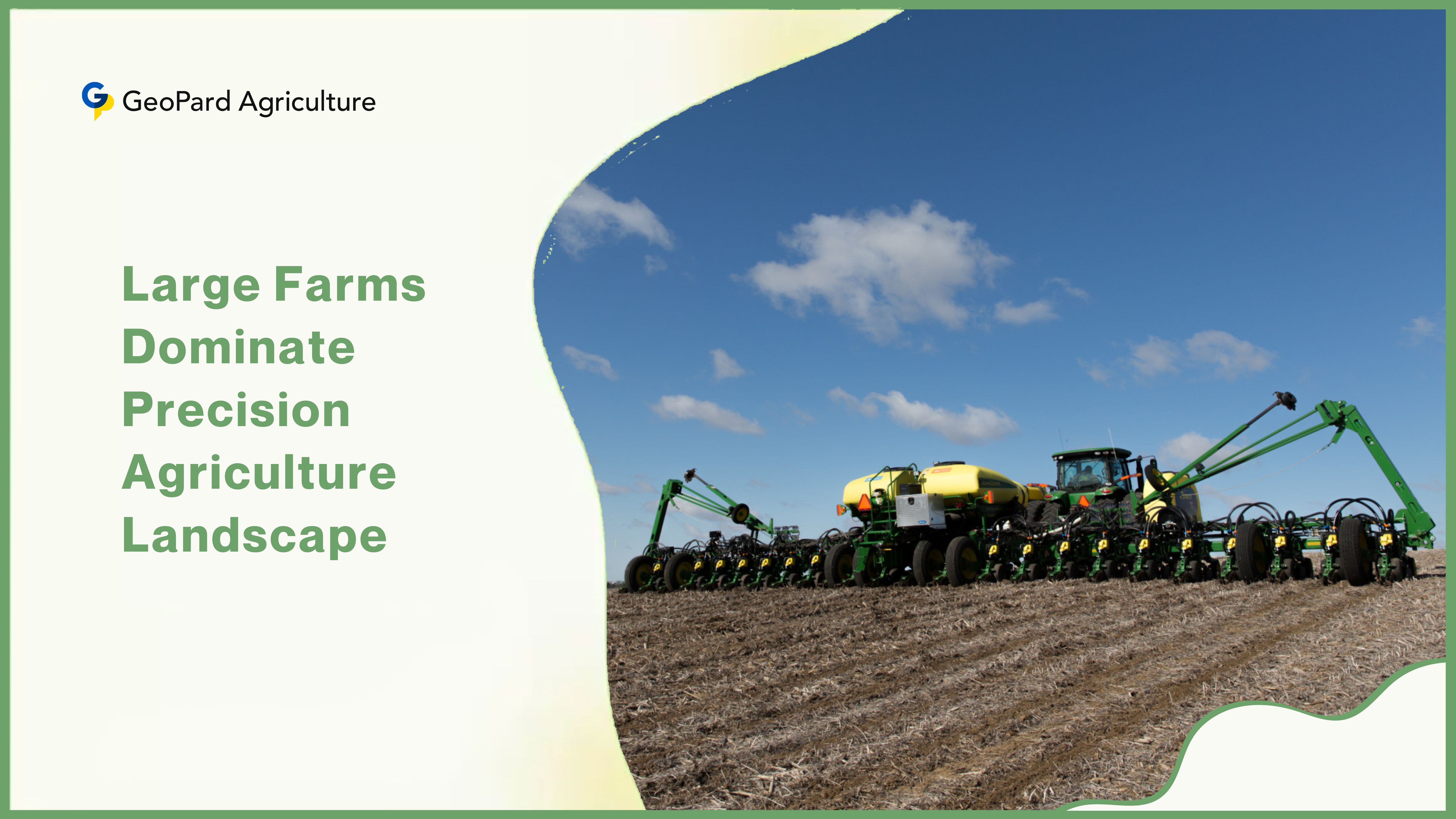
Large Farms Dominate Precision Agriculture Landscape, Says USDA

The adoption of precision agriculture technologies is growing, with large-scale farms leading the way in integrating advanced tools to enhance efficiency, reduce costs, and increase crop yields.

According to a report from the U.S. Department of Agriculture (USDA), nearly 70% of large-scale farms, defined as those grossing over $1 million annually, are utilizing technologies such as yield monitors, autosteering systems, and soil maps to improve their operations.

This is a significant contrast to just 13% of small-scale farms that reported using similar technologies in 2023, as per the USDA’s Economic Research Service.

Why Larger Farms Are More Likely to Adopt Precision Agriculture

Precision agriculture refers to the use of advanced technologies to optimize farming practices and maximize productivity. For larger farms, the benefits of these technologies are substantial.

With a focus on increasing crop yields, lowering operational costs, and managing unpredictable weather and market fluctuations, large-scale farms have more financial resources to invest in technology. This makes it easier for them to adopt tools that require substantial upfront costs, such as yield monitors, autosteering systems, and automated equipment.

According to the USDA survey, the disparity in technology adoption is stark. While 68% of large-scale farms used decision-support technologies such as yield monitors and soil maps, only 13% of small-scale farms employed these tools.

The report underscores that larger operations not only have the financial capability to invest in such technologies but can also benefit more from their implementation. Precision agriculture technologies, especially those focused on automation and data-driven decision-making, can lead to higher efficiency, better resource management, and ultimately higher profit margins.

Key Technologies Driving Precision Agriculture Adoption

Among the various precision agriculture tools available, several stand out for their widespread use on large farms:

  1. Yield Monitors: These devices measure the quantity and quality of crops as they are harvested. By providing real-time data, yield monitors allow farmers to assess field variability and make informed decisions on crop management and resource allocation.
  2. Guidance Autosteering Systems: These systems are integral to large-scale farm equipment such as tractors and harvesters. Autosteering uses GPS technology to guide equipment, reducing human error and optimizing the accuracy of operations like planting, fertilizing, and harvesting. According to the USDA report, 70% of large farms used autosteering systems, compared to just 9% of small farms.
  3. Soil Maps and Data Analytics: Soil mapping technology provides detailed information about the soil conditions across a farm, enabling farmers to make precise decisions about irrigation, fertilization, and planting. By understanding the variability of soil composition and moisture levels, large-scale farmers can increase yields and reduce input costs.

Factors Influencing Technology Adoption

The USDA report highlights several factors that influence the adoption of precision agriculture, with farm size and financial resources being the most significant. Larger farms, with higher revenues and the ability to make long-term investments, are more likely to adopt technologies that require substantial upfront capital.

On the other hand, smaller operations, especially those generating less than $150,000 per year, face challenges in justifying the initial investment due to limited budgets and lower profit margins.

In addition to financial constraints, the nature of the farm also plays a role in technology adoption. Retirement farms, or those operated by farmers approaching retirement, are often less inclined to invest in new technologies, as their long-term involvement in the farming business may be uncertain.

For these operations, the benefits of precision agriculture might not outweigh the costs, particularly if the farmer plans to phase out of active farming in the near future.

The Struggle for Widespread Adoption

While precision agriculture technologies offer clear advantages, their widespread adoption has been slower than expected. Despite the growing use of tools like yield monitors and autosteering systems on large farms, certain technologies have yet to gain significant traction across farm sizes. Drones, wearable livestock monitoring devices, and robotic milkers, for example, remain underutilized even among larger-scale farms.

The use of drones, which are often seen as a promising tool for crop monitoring and field analysis, was reported by just 12% of large-scale family farms in 2023. Other high-tech tools, such as robotic milkers and wearable devices for livestock, also saw low adoption rates, with farmers hesitant to embrace these technologies due to cost, complexity, or uncertain benefits.

The Role of Equipment Manufacturers

As the demand for precision agriculture continues to grow, agricultural equipment manufacturers are ramping up their investments in advanced technologies. Companies are developing more affordable and accessible solutions to meet the needs of a broader range of farmers, including those with smaller operations.

However, despite these efforts, the market remains challenging, with many farmers still hesitant to adopt new technologies amid a tough agricultural economy.

Manufacturers are also focusing on creating automated systems that can help optimize the performance of tractors, combines, and other farming machinery. These innovations are aimed at helping farmers reduce labor costs and increase productivity, ensuring that precision agriculture technologies become more appealing to farmers of all sizes.

Conclusión

Precision agriculture technologies offer substantial benefits to farmers, particularly those managing large-scale operations. With tools such as yield monitors, autosteering systems, and soil maps, large farms can optimize their productivity, reduce costs, and navigate the challenges posed by volatile markets and unpredictable weather. However, the high upfront costs of these technologies continue to hinder adoption among smaller farms, particularly those with limited financial resources.

As the agricultural industry continues to evolve, it is likely that the use of precision agriculture will expand further. For small-scale farmers, the development of more affordable and accessible solutions will be key to ensuring that these technologies are available to all. The future of farming, it seems, will be increasingly shaped by the digital tools that allow farmers to make smarter, data-driven decisions in their operations.

La Evolución de la Agricultura de Precisión: Cómo el Pasado Moldea el Mañana

La agricultura de precisión (AP), un enfoque innovador de la agricultura que integra tecnología, datos y metodologías avanzadas, ha transformado el panorama agrícola.

Al aprovechar herramientas como la guía GPS, drones, sensores y análisis de datos, los agricultores pueden maximizar la eficiencia, reducir el desperdicio y optimizar los rendimientos. Sin embargo, este campo revolucionario no surgió de forma aislada. Su evolución está profundamente arraigada en prácticas agrícolas centenarias, lo que demuestra cómo el pasado sirve de prólogo al futuro.

Una Mirada al Pasado: Los Cimientos de la Agricultura de Precisión

La agricultura siempre ha sido un campo de innovación. Mucho antes de la llegada de la tecnología moderna, los agricultores confiaban en la aguda observación, la experiencia y el ensayo y error para mejorar la productividad.

Prácticas como la rotación de cultivos, el riego y la cría selectiva ejemplifican las primeras formas de agricultura de precisión. Estos métodos, aunque rudimentarios para los estándares actuales, sentaron las bases para las estrategias agrícolas modernas.

La Revolución Industrial en los siglos XVIII y XIX marcó un punto de inflexión significativo. Equipos mecanizados como arados, sembradoras y trilladoras mejoraron la eficiencia, permitiendo a los agricultores gestionar parcelas de tierra más grandes.

Este período también vio la llegada de fertilizantes y pesticidas químicos, lo que aumentó aún más los rendimientos de los cultivos. Estas innovaciones sentaron las bases para las tecnologías impulsadas por la precisión que seguirían en los siglos XX y XXI.

El Surgimiento de la Agricultura de Precisión Moderna

El concepto de agricultura de precisión tal como lo conocemos hoy comenzó a tomar forma a finales del siglo XX con los avances en tecnología satelital, potencia informática y sistemas de información geográfica (SIG). Los hitos clave en este período incluyen:

  1. Tecnología GPS (década de 1990): La introducción de los sistemas GPS revolucionó la agricultura al permitir la navegación precisa de la maquinaria. Los agricultores ahora podían optimizar los patrones de siembra, fertilización y cosecha, reduciendo el solapamiento y minimizando el desperdicio de recursos.
  2. Monitoreo de Rendimiento (década de 1990): Los monitores de rendimiento instalados en las cosechadoras proporcionaron datos detallados sobre el rendimiento de los cultivos, ayudando a los agricultores a identificar áreas de alto y bajo rendimiento dentro de sus campos.
  3. Teledetección (2000s): El uso de imágenes satelitales y drones permitió a los agricultores monitorear la salud de los cultivos, las condiciones del suelo y el uso del agua con una precisión sin precedentes.
  4. Tecnología de Tasa Variable (VRT): La agricultura de tasa variable (VRT) permitió a los agricultores aplicar insumos como semillas, fertilizantes y pesticidas a tasas variables en un campo, adaptados a las necesidades específicas de diferentes zonas.

Estas innovaciones marcaron la transición de prácticas agrícolas generalizadas a la gestión específica del sitio, mejorando significativamente la eficiencia y la sostenibilidad.

El panorama actual: Agricultura de precisión hoy

En el siglo XXI, la agricultura de precisión se ha convertido en un pilar de la agricultura moderna. Las tecnologías actuales incorporan sensores avanzados, algoritmos de aprendizaje automático y análisis de datos en tiempo real. Las tendencias clave que dan forma al panorama actual incluyen:

  • Big Data e IA: Los agricultores ahora recopilan enormes cantidades de datos de sus campos, incluida la composición del suelo, los patrones climáticos y el rendimiento de los cultivos. La inteligencia artificial procesa estos datos para generar información práctica.
  • Internet de las Cosas (IoT) Los sensores inteligentes y los dispositivos IoT permiten el monitoreo continuo de las condiciones del campo, lo que permite la toma de decisiones en tiempo real.
  • Maquinaria Autónoma: Los tractores autónomos y las cosechadoras robóticas reducen las necesidades de mano de obra al tiempo que mejoran la precisión y la eficiencia.
  • Enfoque de sostenibilidad: La agricultura de precisión se alinea con el creciente énfasis en la sostenibilidad al minimizar el uso de recursos, reducir el impacto ambiental y mejorar el secuestro de carbono en los suelos.

El Futuro de la Agricultura de Precisión

Mirando hacia el futuro, la agricultura de precisión está destinada a evolucionar aún más a medida que las tecnologías emergentes cambian la industria. Algunos de los desarrollos más prometedores incluyen:

  • Edición genética Herramientas como CRISPR podrían permitir la creación de cultivos diseñados específicamente para la agricultura de precisión, con rasgos optimizados para las condiciones locales del suelo y el clima.
  • Analítica predictiva: Los avances en inteligencia artificial y aprendizaje automático mejorarán la precisión de los modelos predictivos, ayudando a los agricultores a anticipar desafíos como brotes de plagas o anomalías climáticas.
  • Tecnología Blockchain: Blockchain puede mejorar la transparencia y la trazabilidad en las cadenas de suministro agrícolas, garantizando el abastecimiento ético y precios justos.
  • Conectividad Ampliada Con la implementación de las redes 5G, las zonas rurales tendrán acceso a internet de alta velocidad, lo que permitirá tecnologías de agricultura de precisión aún más sofisticadas.

El pasado como prólogo: Aprendiendo de la historia

El viaje de la agricultura de precisión subraya una lección fundamental: la innovación se construye sobre los cimientos del pasado. Las primeras prácticas agrícolas nos enseñaron la importancia de la observación y la adaptación. La era de la mecanización resaltó el valor de la eficiencia y la escalabilidad. La agricultura de precisión de hoy combina estas lecciones con tecnología de vanguardia para abordar los desafíos de alimentar a una población mundial en crecimiento.

Al comprender y apreciar el contexto histórico de la agricultura de precisión, podemos navegar mejor su futuro. El pasado no solo sirve de guía, sino como recordatorio de que el progreso es un viaje continuo, arraigado en el ingenio y la resiliencia de quienes nos precedieron.

Conclusión

La agricultura de precisión es un testimonio del poder de la innovación humana y la perdurable relevancia de la historia. Mientras nos encontramos al borde de nuevos avances, es esencial reconocer que los avances de mañana estarán moldeados por las ideas de hoy y las lecciones del pasado. Al abrazar esta continuidad, podemos asegurar que la agricultura de precisión siga evolucionando, fomentando un futuro sostenible y próspero tanto para los agricultores como para el planeta.

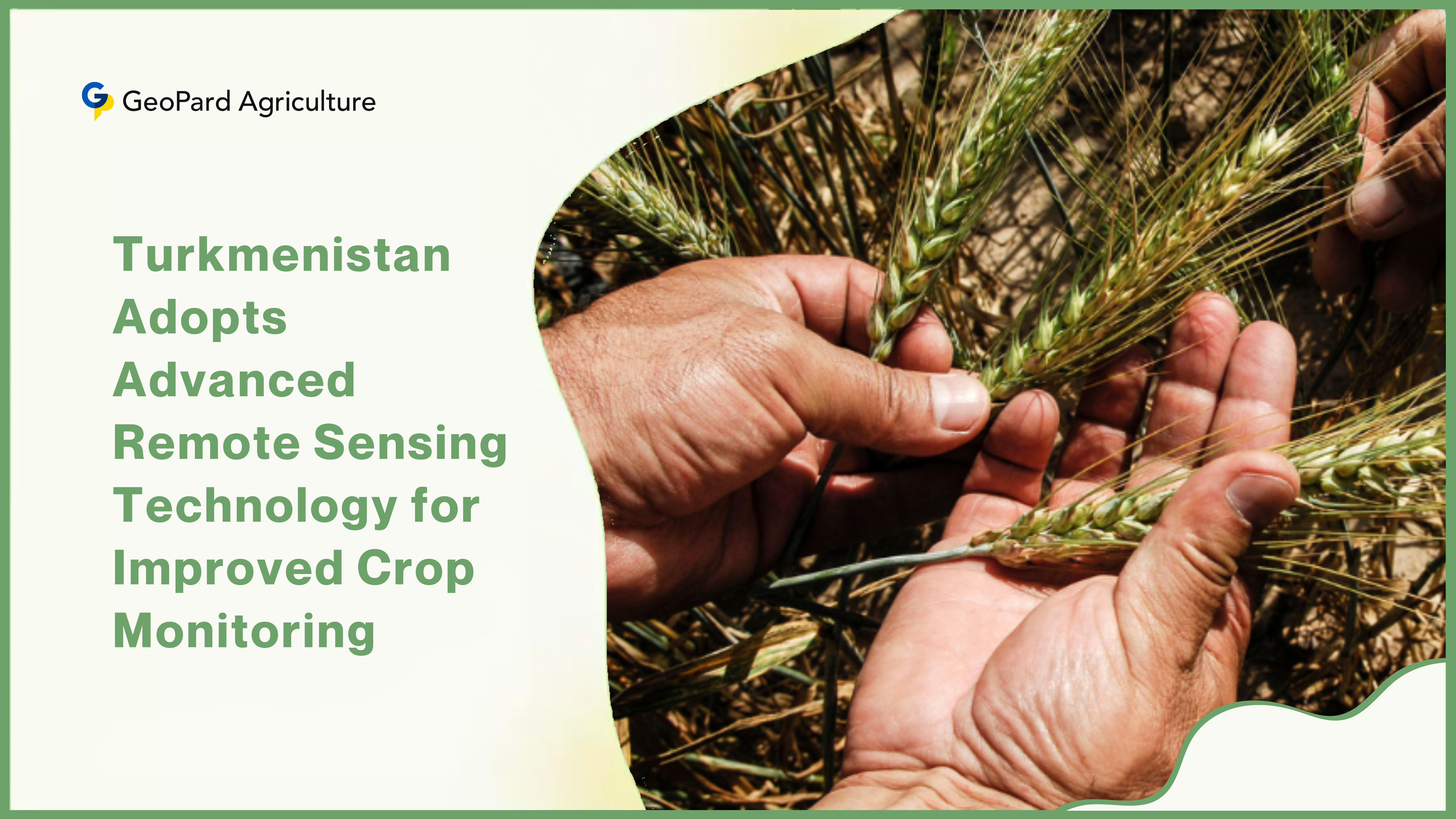
Turkmenistán Adopta Tecnología Avanzada de Detección Remota para Mejorar el Monitoreo de Cultivos

Agriculture in Turkmenistan accounts for a modest share of the country’s gross domestic product (GDP), yet it holds significant strategic importance. A large portion of the population resides in rural areas, with over 40% of the workforce employed in the agricultural sector.

Since gaining independence in 1991, Turkmenistan has faced challenges in modernizing its agricultural practices, including the absence of a contemporary crop monitoring system capable of delivering reliable and timely data. Such a system is crucial for informed decision-making, sustainable land management, and enhancing productivity.

To address this gap, Turkmenistan has partnered with the Food and Agriculture Organization of the United Nations (FAO) to introduce advanced remote sensing technologies and expertise in land use monitoring.

This collaboration, under the newly launched FAO Technical Cooperation Programme (TCP) project, aims to optimize processes related to crop monitoring, forecasting, and statistical reporting, as well as to test new methodologies through field applications. The project is set to run until late 2026.

On January 7, 2025, the project was officially signed by Viorel Gutu, FAO Assistant Director-General and Regional Representative for Europe and Central Asia, and Charyyar Chetiyev, Turkmenistan’s Minister of Agriculture.

“Remote sensing offers innovative methods for data collection and analysis that can benefit various sectors, including agriculture, water resource management, and disaster response,” said Maxim Gorgan, FAO Lead Technical Officer for the project. “In agriculture, it provides near-real-time insights into sown areas, vegetation dynamics, yield estimates, water stress, irrigation planning, and even pest and disease monitoring.”

The initial phase of the project will involve a thorough review of existing regulations and institutional frameworks related to crop monitoring and remote sensing, with recommendations for necessary improvements. The methodology will integrate advanced technology with traditional statistical methods, sampling, and data collection.

FAO will also develop a customized training program for Ministry personnel and the Land Resources Service to equip them with the skills needed to implement and operate the new remote sensing-based crop monitoring system. Additionally, the initiative will explore integrating remote sensing into higher education curricula.

To demonstrate the system’s potential, pilot plots with various crops and agroclimatic conditions will be established. These demonstration areas will generate data to refine the methodology and inform the development of a concept for scaling up the approach nationwide.

“For farmers, this technology can help identify the specific needs of different areas within a field, enabling more efficient use of water, fertilizers, and other inputs, ultimately leading to better yields,” added Gorgan.

Throughout the project, FAO will adhere to its regional and global guidelines, emphasizing gender equality and responsible land governance.

FAO Technical Cooperation Programme projects provide member countries access to the organization’s technical expertise and support, contributing to the Sustainable Development Goals and fostering long-term agricultural development.

Printed Soil Sensors Could Help Farmers Boost Crop Yields and Cut Costs

Engineers at the University of Wisconsin–Madison have created affordable sensors to monitor soil nitrate levels in real-time for soil types common in Wisconsin. These printed electrochemical sensors can help farmers make smarter decisions about fertilization, potentially saving them money.

“Our sensors can give farmers a clearer picture of their soil’s nutrient levels and how much nitrate is available for crops. This information allows them to make precise decisions on how much fertilizer is needed,” says Joseph Andrews, a UW–Madison assistant professor of mechanical engineering and lead researcher. “Reducing fertilizer use could mean significant cost savings, especially for large farms.”

Nitrate is essential for crop growth, but too much of it can seep into groundwater, polluting drinking water and harming the environment. These new sensors can also serve as tools in agricultural research, tracking nitrate runoff and guiding better practices to reduce pollution.

Traditional methods to monitor soil nitrate are time-consuming, costly, and don’t offer immediate results. To address this, Andrews, an expert in printed electronics, and his team designed these sensors as a simpler and more economical alternative.

For this project, the researchers used an inkjet printing method to make potentiometric sensors, which are a kind of thin-film sensor that uses electrochemical reactions. These sensors are typically used to measure nitrate levels in liquid solutions accurately. However, they usually don’t work well in soil because rough soil particles can scratch the sensors and affect accurate readings.

Printed Soil Sensors shape and installation.jpg

Andrews explains, “Our main goal was to make these electrochemical sensors work effectively in challenging soil conditions and accurately detect nitrate ions.”

To solve this, the team added a protective layer over the sensor using a material called polyvinylidene fluoride. According to Andrews, this material has two important qualities. First, it has extremely small pores, around 400 nanometers, which let nitrate ions pass through but keep soil particles out. Second, it’s hydrophilic, meaning it attracts water like a sponge.

Andrews says, “This means any water containing nitrates will be absorbed by our sensor, which is crucial because soil also absorbs water. Without this, it would be hard for the sensor to get enough moisture, but since our material matches soil’s water absorption, it helps draw nitrate-rich water to the sensor’s surface for accurate readings.”

The researchers shared their progress in a paper published in March 2024 in Advanced Material Technologies.

Printed Soil Sensors working and testing

The team tested its sensors in two types of soil found in Wisconsin: sandy soil, which is common in the north-central area, and silt loam soil, which is found in southwestern Wisconsin. They found that the sensors gave accurate results in both types.

Now, the researchers are adding their nitrate sensors to a system they call a “sensing sticker.” This system combines three different sensors — for nitrates, moisture, and temperature — on a flexible plastic sheet with adhesive on the back.

They plan to place several of these sensing stickers on a rod at different heights, then bury the rod in the soil. This setup will allow them to measure conditions at different depths in the soil.

Andrews explains, “By measuring nitrate, moisture, and temperature at various soil depths, we can now track the process of nitrate leaching and observe how nitrate moves through the soil, something we couldn’t do before.”

In the summer of 2024, the researchers will continue testing their sensors by placing 30 sensor rods in the soil at UW–Madison’s Hancock and Arlington Agricultural Research Stations.

The team is working to patent this technology through the Wisconsin Alumni Research Foundation.

Co-authors from UW–Madison include Kuan-Yu Chen, Aatresha Biswas, Shuohao Cai, and Professor Jingyi Huang from the Soil Science Department.

This research was funded by the USDA Agriculture and Food Research Initiative Foundational Program (project no. WIS04075), the National Science Foundation’s Signals in the Soil grant 2226568, and the University of Wisconsin–Madison Dairy Innovation Hub.

Challenges US Farmers Face with Crop Insurance and Climate Change

Bloomberg: In Kansas, a long drought has ruined crops and damaged the soil, but Gail Fuller’s farm stands out. His sheep, cows, and chickens roam freely, feeding on the crops and plants in a lush and lively environment.

However, if a tornado, flood, or severe drought hits Fuller’s farm, he would have to cover all the costs himself. This is because his farming methods aren’t covered by federal crop insurance, which is an old safety net that hasn’t kept up with climate change.

Fuller is one of many farmers who don’t have enough insurance because the industry doesn’t support moving from traditional farming to regenerative farming. Regenerative farming can help capture enough carbon to cut agricultural emissions in half by 2030.

This change is important to slow down climate change and protect farmers from its effects, but the insurance industry is not keeping up.

In the US, agriculture causes about 11% of all greenhouse gas emissions. Much of this comes from tilling soil, which releases carbon dioxide, and using too much fertilizer, which emits nitrous oxide.

Nitrous oxide is a greenhouse gas that is over 270 times more powerful than CO2. Regenerative farming helps reduce these emissions by absorbing carbon dioxide through photosynthesis, storing carbon in the soil, and capturing nitrogen that would otherwise run off into nearby streams.

Extreme weather is happening more often now and it threatens crops and supply chains. According to the US Drought Monitor, twenty-four states, including Kansas, are facing severe to exceptional droughts. This is a problem, just like heavy rain that can flood crops and is falling more heavily.

Researchers at Stanford University found that nearly 20% of the $140 billion in crop insurance payouts from 1991 to 2017 were because of rising temperatures. They think this percentage will keep going up as extreme weather becomes more common due to climate change.

Despite these risks, and the benefits regenerative agriculture offers for fighting climate change, stronger incentives have kept the current system in place, says Anne Schechinger, Midwest director at the nonprofit Environmental Working Group (EWG).

Crop insurance policies mostly cover common crops like corn, soybeans, cotton, and wheat. Farmers growing these crops usually get multi-peril insurance, which protects them against bad harvests caused by things like disease, floods, droughts, and other severe weather.

Just like health, car, or property insurance, the assessment of losses or damages in crop insurance depends on standards called Good Farming Practices. These standards make sure that low yields are not due to poor management.

However, these rules cannot include practices that might reduce a crop’s yield, so they usually follow traditional industrial, monoculture methods. For example, a farmer who grows different crops between rows or ends their cover crops too late might have their insurance claims denied.

Regenerative agriculture often means growing different crops together in the same field and using lower-yielding perennial plants, which can create problems for insurers. But according to University of Iowa professor Silvia Secchi, crop insurance payouts mostly don’t depend on whether a farmer’s practices increase or reduce climate risks.

Fuller, a farmer from a family with three generations of farming, began trying out regenerative farming methods in the mid-1990s. He believed these methods would give better yields and stronger crops over time.

He planted cover crops in the off-season, which is a common regenerative practice. These are non-market crops that improve soil health. During this time, Fuller still had crop insurance and followed its rules, killing his cover crops with herbicide before planting his market crops.

In August 2012, there was a severe drought, and Fuller’s insurance company inspected his land. They decided the remaining cover crops were weeds and denied all his claims. Because of this, his lending institution took away his operating line of credit.

Fuller took his insurance company to court and won. But two years later, when he needed them to cover losses for two soybean fields, they denied his claims again. This financial trouble forced him to reduce his farm size from 1800 acres to 400 acres, and he finally decided to stop using crop insurance.

“Once you go broke as a farmer, it’s pretty hard to claw your way back,” Fuller said. “I did not want to be a part of that system. We’ve got to find a better way to farm.”

Over the past decade, the US Department of Agriculture has made changes to the crop insurance program to address climate risks. These changes include adding coverage for new crops and offering a $5-per-acre incentive to plant cover crops during the off-season.

The Risk Management Agency, which oversees federal crop insurance, has increased its coverage for certain climate-smart practices, like reducing water use, cover cropping, and injecting nitrogen into the soil instead of spreading it on top.

However, farmers need to follow specific rules, such as ending their cover crops early, which some scientists believe limits the ability of these practices to lower emissions.

The crop insurance system is already facing challenges from climate change. It needs to adapt to encourage practices suitable for different regions and cover various risks, a USDA spokesperson said. The program must also remain financially stable, meaning it needs to charge premiums that are high enough to cover expected losses.

“Even on a small scale, a bad storm can harm one type of crop while providing much-needed rain for another,” the USDA spokesperson told Bloomberg Green.

“Crop insurance is voluntary,” said RJ Layher, the director of government affairs at the American Farm Bureau Federation. Farmers using regenerative techniques not included in the Good Farming Practices can seek other options, he added, like showing the Risk Management Agency that their practices are financially sound.

It’s hard for any one farmer to collect enough data to show that climate-friendly practices like crop diversification won’t affect yield.

In 2014, the USDA started the Whole-Farm Revenue Protection Program. This program insures a farm’s entire revenue instead of just individual crops. It offers a safety net for farmers who plant companion crops or raise animals in their fields.

However, not many farmers are part of the Whole-Farm Revenue Protection Program. According to EWG’s Schechinger, only about 1,800 policies were sold in 2023. This is less than 1% of crop insurance. The program has a lot of paperwork and a revenue cap that doesn’t always cover the whole farm’s revenue, which makes it hard for insurance agents to sell and farmers to buy, according to Layher.

Layher also said that the Farm Bureau supports making the Whole-Farm Revenue Protection Program easier for farmers to use and for insurance agents to sell. These improvements are suggested in the Farm Bill, which is delayed in the House until at least September.

The regenerative farming movement is still small but has grown in recent years with federal support and interest from agribusinesses. Companies like CoverCress Inc., mostly owned by Bayer AG, encourage farmers to plant cover crops for sustainable aviation fuel. General Mills Inc. has pilot programs to help 24 wheat farmers in Wichita, Kansas, start their regenerative practices.

Right now, the push for changing insurance rules mainly depends on farmers like Fuller and Rick Clark. Clark is a third-generation farmer from west central Indiana who has been uninsured for six years because he does regenerative farming.

When Clark isn’t working on his farm, which uses cover crops on all 7,000 acres, he teaches other farmers how to stop using chemical fertilizers and use cover crops instead.

“We need to make sure the path to change is easy,” Clark said. One of the biggest problems for uninsured farmers is that their lenders often require them to have insurance to keep getting loans.

Clark spoke to Congress in late 2022 for Regenerate America, a group that pushes for agricultural reform. He asked for the changes that Schechinger said are needed. The day after Clark spoke, Congress passed the Inflation Reduction Act, President Joe Biden’s big climate law that includes $19.5 billion for USDA conservation programs. Clark felt he had a small part in that.

“Sometimes when you’re speaking, you wonder if anyone is listening,” Clark said. But then, “you feel like maybe your words don’t fall on deaf ears and maybe some people are really paying attention.”

Source: Bloomberg Businessweek (Bloomberg L.P.)

The Gradual Shift Towards Precision Agriculture

Since the 1990s, precision agriculture has aimed to revolutionize farming by providing growers with detailed information about their crops and the technology to utilize that data effectively.

Many advancements have been made, enhancing precision in agriculture. Modern tractors can steer themselves using GPS, and farmers can now adjust the rate of seed and fertilizer application. Advances have also been seen in crop genetics and weed management.

“The only thing we have not advanced is the sensor,” said Pablo Sobron, founder of Impossible Sensing. “The ability to see things that matter in both the plants, the soil, and the roots.”

Sobron and his team of scientists in St. Louis are now developing the second prototype of a sensor designed to be mounted on the back of a planting machine. This sensor will allow farmers to see real-time information about nutrient levels, soil health, water conditions, and other factors affecting individual plants as they drive through their fields.

“Our belief is that having more precise knowledge of which areas of the farm need more or less fertilizer will help farmers apply the right amount,” Sobron said. “The real value and need here is to provide insights and knowledge, prescribing what to do and when.”

This data should help farmers make decisions that not only improve their profits but also reduce the overuse of fertilizers and chemicals, and make irrigation more targeted.

However, Sobron acknowledged that the advancements in precision agriculture haven’t fully transformed farming yet.

“It’s not living up to the hype it was marketed with,” he said.

It will likely be years before promising tools, like lasers, are adopted on thousands, let alone millions, of farming acres.

“Experimentation is a risk,” said Bill Leigh, a farmer in Marshall County, Illinois, who grows about 2,200 acres of corn and soybeans with his brother. Since starting in the early 1980s, Leigh has gradually added more precision tools to his equipment, which have helped him plant seeds and apply fertilizer, herbicides, and fungicides more efficiently.

But this change has been slow, he explained.

“It’s not a jump in with both feet, it’s a process,” Leigh said. “It’s just too expensive and there’s too much at risk to take that flying leap and realize there’s not a high jump pit at the end, it’s a piece of concrete.”

New farm technology can cost more than $100,000 in some cases. Leigh is willing to make such investments if he sees an economic return. This financial consideration is crucial because many farms operate on slim margins.

According to BioSTL Agrifood Director Chad Zimmerman, there’s still a gap between the new technology available and the farmers who use it because many can’t afford to try something new on all their fields.

“We can’t be asking them to take on more risk, to just take a decrease in their profit to accomplish somebody else’s goal,” Zimmerman said.

This puts pressure on companies to prove their precision ag tech really delivers. Many are working on this, noted Alison Doyle, associate director at the Iowa State University Research Park.

“A lot of the ag companies are positioning themselves more in the tech space than in traditional ag,” Doyle said.

Labor is a major factor. There are fewer farm workers today than in the past, and today’s farms are much larger, Doyle added.

“When you have an operation that large, where commodity prices and input prices are where they are, you’re looking for a tiny bit of margin wherever you can find it,” she said. “So these precision tools become necessary.”

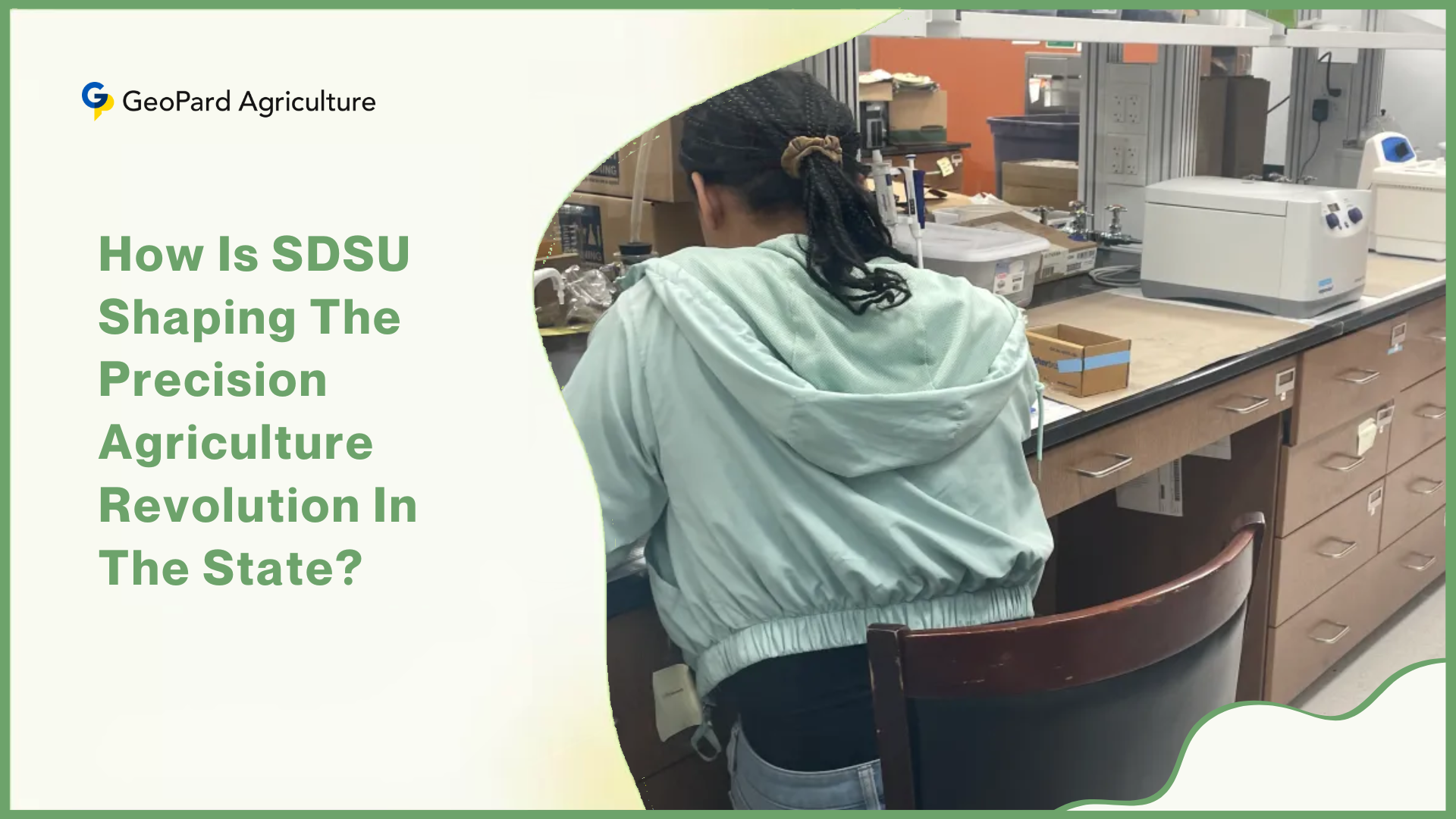
How Is SDSU Shaping The Precision Agriculture Revolution In The State?

South Dakota State University (SDSU) pioneered a program teaching and aiding farmers in utilizing precision agriculture.

In Brookings, South Dakota, SDSU’s new precision agriculture program has been successful in encouraging local and some other Midwestern farmers to adopt more technology in their operations. However, farmers in other states are slower in embracing this technology.

SDSU became the first university in the country to establish a program that educates and assists farmers in using precision agriculture, which is the science of integrating new technologies and traditional methods to improve operational efficiency, leading to increased crop yields while minimizing environmental effects.

For instance, the utilization of global positioning satellites aids in targeting chemicals and fertilizers precisely where they are most needed.

Ali Mirzakhani Nafchi, an assistant professor at the precision ag center, mentioned that the school is working to increase usage through education and research to make the technology more practical for farmers.

“I am very optimistic it is going to work. And we will see the changes not only in South Dakota, in the nation and in the world,” Nafichi said.

South Dakota has one of the highest percentages of usage, with 53% of farmers using precision ag technology, according to a study from the U.S. Department of Agriculture.

In other Midwest states such as North Dakota, Iowa, Illinois, and Nebraska, more than half of the farmers use precision agriculture, according to a study conducted by the SDSU Ness School of Management and Economics.

However, nationally, only 27% of farmers use precision agriculture practices to manage crops or livestock, as found by the Ness study.

Precision Ag Benefits, Challenges To Adoption

Precision agriculture (precision ag) technologies are becoming more popular among farmers. Auto-steering in machinery is one widely used technology. It helps farmers steer their machines without needing to do it manually. Another important technology is “georeferencing,” which involves taking digital images to pinpoint locations.

Precision Ag Benefits, Challenges To Adoption

Satellite imagery is also widely used, with nearly 60% of farmers having tried it, according to a study by Ness. This technology allows farmers to view their fields from above. Research shows that precision ag technologies typically increase crop production by 4% and improve fertilizer placement efficiency by 7%, according to a study by the Association of Equipment Manufacturers. Additionally, precision ag reduces the use of herbicides, pesticides, fossil fuels, and water.

However, despite the benefits of improving returns and yields, factors such as cost and a lack of general knowledge about precision ag have prevented many farmers from using these technologies as widely as expected.

Anna Karels, a student at the precision ag center, remarked that although it requires money to get started, it ultimately saves money in the long term.

“I think it’s hard for a lot of farmers to grasp that, yes, it may increase my costs upfront, but it pays off over a certain number of years,” Karels said.

Nafchi mentioned that lowering the initial rate will incentivize more farmers to use the technology.

“The initial costs for variable rate application are too high,” Nafchi said. “So imagine if we get help. Somehow maybe make it less expensive, or lower the initial costs, or just provide an incentive, an investment for them, and ask them to just try it. And then they see the return on their investment is really good. I’m very optimistic they will use it.”

If the initial costs are too high for some farmers, there are programs to help. According to the U.S. Government Accountability Office, the USDA and the National Science Foundation have given nearly $200 million for precision ag research and development from 2017 to 2021.

Another reason for the low adoption rates is the lack of knowledge about the new technology. But there are options for South Dakota farmers to learn more.

“Dealerships like John Deere, they organize a lot of clinics where they show farmers how to use it,” Karels said.

The Raven Precision Agriculture Center

The Raven Precision Agriculture Center was established to help students in the major learn about precision ag in hands-on ways.

The building has rooms filled with equipment and precision ag products that students use for hands-on learning. It opened in August 2021, costing $46.2 million, making it the first precision ag program in the nation.

The Raven Precision Agriculture Center

“We want to grow our precision ag program to the next level and enhance the experiences for our students,” said Muthukumarappan.

The department needs to continue making changes to keep up with new technologies. This is one area where the program can improve, according to some students.

“The precision ag program is something that is going to have to keep changing to adapt to all the new technology that’s emerging. And I think that maybe SDSU could do a little bit better job of keeping up with that,” Karels said.

This is something the program is working on.

One change is to add more specialized majors to collect more data on precision ag.

“Previously, we had a one recipe for all the students who are enrolled in (the) precision ag program, meaning that we combine agronomy and technologies together and make it one robust program,” Muthukumarappan said. “Now, we are making it more user-friendly. And we have three different tracks. One is for technology track. The other one is for agronomy track. And the other one is for data track, electronic strikers.”

“Currently, our new faculty are working on developing biosensors and unmanned vehicles,” Muthukumarappan said.

The program’s goal is to conduct more research that will make precision ag more practical for farmers, which may raise adoption rates in turn.

The program is aiming to increase enrollment rates by 20% in the next five years to make this goal achievable. SDSU’s mission is to simplify this technology and make it more practical for farmers, Nafchi said.

Currently, the program has 66 students.

“We have great resources as a building. However, we didn’t have a lot of faculty resources, human resources, in doing things, offering things and doing research activities in this space,” Muthukumarappan said. “The last two years, we were able to hire three new faculty to do high-end research activities, bring in more research dollars and help our research program to grow.”


Source: South Dakota News Watch

Mapas de Zonas de Manejo y Agricultores de Maíz: ¿Qué Tanto Importan?

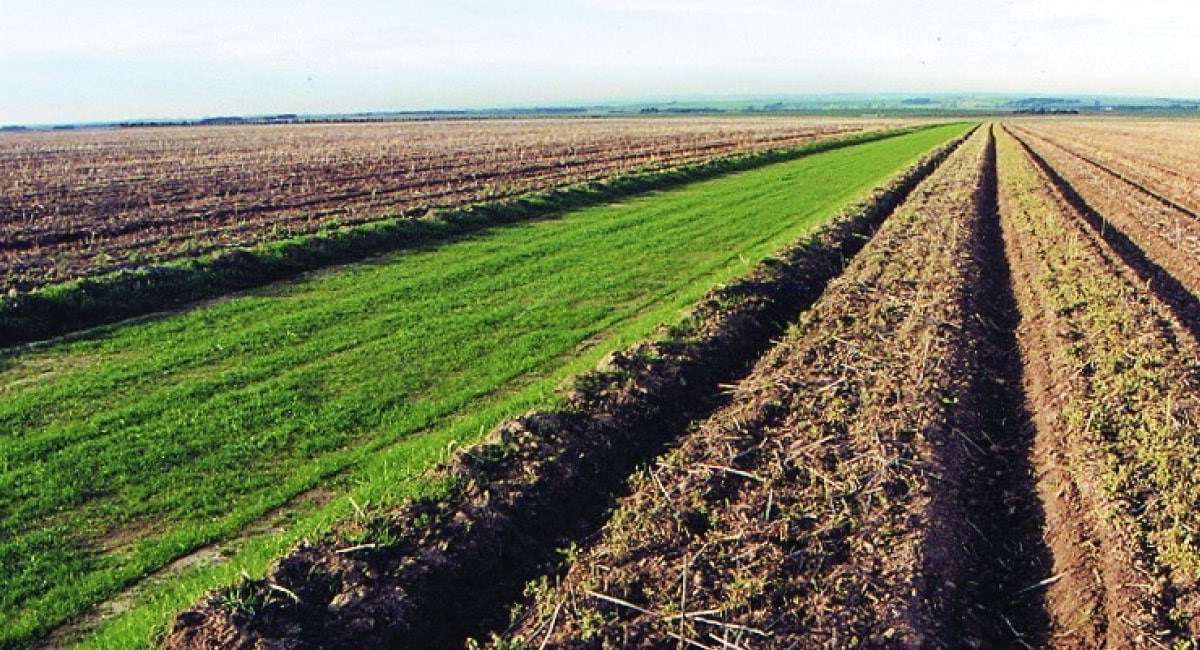
During multiyear analysis, researchers have tested if management zone maps based on soil conditions, topography, or other landscape features can reliably predict which parts of a cornfield will benefit most from increased seeding rates or nitrogen application.

The study revealed that, contrary to common assumptions, crop-plot responses to the same inputs vary significantly from year to year. The most unpredictable factor, the weather, seemed to have the biggest impact on how the crops responded to these inputs. However, farmers can still take steps to manage the impacts of weather on their crops.

Management zone mapping came about due to a rise in interest in digital agriculture – the use of new data-gathering and analysis technologies to better understand the interplay of factors affecting crop yields, explained University of Illinois Urbana-Champaign crop sciences professor Nicolas Martin, who conducted the analysis with former postdoctoral researcher Carlos Agustin Alesso.

These methods involve using field-based sensors, satellite data, and other digital tools to track how crops respond to local conditions, fertilizer, seed rates, and other inputs. The aim is to minimize wasteful or destructive practices while maximizing yield, Martin added.

The recent study employed a unique method to validate the predictions of management zone maps.

“We utilized our farm machinery as a printer, generating a patchwork of inputs akin to a quilt with various colors,” explained Martin. “We implemented our experiment across multiple sites, employing a completely randomized design.”

The researchers carried out their study on seven typical non-irrigated corn production sites in Illinois. Each site was divided into numerous plots. Different rates of corn seeding and nitrogen application were randomly assigned to each plot.

Additionally, the researchers measured the soil composition, topography, and other landscape features specific to each site. They standardized all variables except for weather conditions across the fields. This study was conducted from 2016 to 2021.

The researchers gauged the yield of each plot at harvest time over several years. This helped them identify which plots responded best to various inputs each year. They employed an advanced random-forest algorithm to ascertain which factors – like weather conditions, soil characteristics, or slope – most accurately predicted whether increasing nitrogen application or using a higher seeding rate would boost yields.

Martin explained that weather variables are the primary factors influencing the spatial patterns of response to nitrogen or seed rates, with landscape and soil attributes following closely. Additionally, he noted that these responses vary annually due to weather effects, resulting in inconsistency, at least in the fields we examined.

“This means that a plot which responds well to a higher nitrogen rate one year might not respond as well the next time it is planted with corn,” he said. “This makes the management zone mapping concept an unreliable predictor of crop responses to inputs.”

“We believe that these findings can partially explain why precision agriculture technologies have not been uniformly adopted by farmers,” Martin said.

The researchers believe that gathering more data over multiple years and using better tools for on-site analysis could enhance the accuracy of management zone mapping.

This research was supported by the U.S. Department of Agriculture’s Natural Resources Conservation Service and National Institute of Food and Agriculture.

wpChatIcon
wpChatIcon

    Solicita una demostración / consulta gratuita de GeoPard


    Al hacer clic en el botón aceptas nuestra Política de privacidad. Lo necesitamos para responder a tu solicitud.

      Suscríbase a


      Al hacer clic en el botón aceptas nuestra Política de privacidad

        Envíenos información


        Al hacer clic en el botón aceptas nuestra Política de privacidad