

Taming Precision Ag Data: Common Challenges and How to Overcome Them
Taming precision agriculture data management feels like wrestling a storm. You wrestle with messy yield data, scattered soil data layers, and tangled topography analytics that slow your progress. This guide breaks down those common challenges and shows how to turn complex data into clear, actionable insights—so you can build precise management zones, create VRA maps, and boost ROI with confidence. For more insights, visit this resource.
Navigating Precision Ag Data Challenges

Precision agriculture promises efficiency and higher yields, but managing the data can feel overwhelming. You might think that more data would always be a good thing, but too much information can slow you down. Let’s break down these challenges and see how you can overcome them.
Understanding Data Overload
In precision agriculture, the term “data overload” is all too familiar. With multiple sources like satellite imagery, yield monitors, and sensors, the sheer volume of data can paralyze decision-making. Imagine trying to organize a library with no cataloging system. It’s essential to prioritize what information truly impacts your decisions.
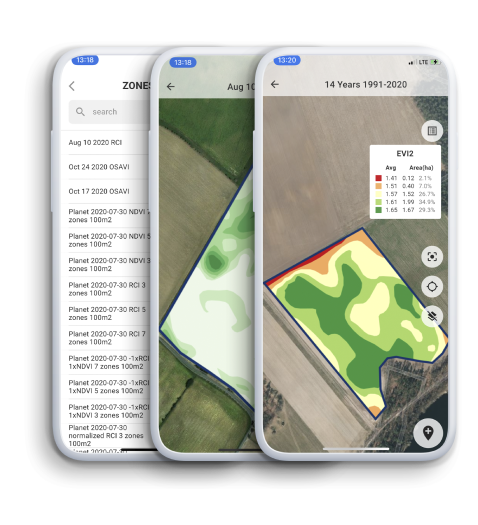
To manage this, focus on the data that provides actionable insights. For instance, historical NDVI analysis can spotlight trends that matter most to your fields. By narrowing your focus, you can transform data overload into a streamlined operation.
Tackling Data Inconsistencies
Data inconsistencies can derail even the best-laid plans. You may find discrepancies between yield monitors and manual measurements, leading to mistrust in the data. This inconsistency often arises from varying equipment calibrations or environmental factors affecting sensors.
Addressing these gaps requires a systematic approach. Start by calibrating your devices regularly to ensure accurate readings. Consistent data cleaning practices also play a vital role in maintaining reliable datasets. By doing this, you can restore trust in your data management process.
Streamlining Data Interoperability
Interoperability stands as a significant hurdle in data management. Different systems often fail to communicate effectively, leading to siloed information and missed opportunities. Imagine trying to solve a puzzle with pieces from different sets. This is where seamless integration becomes essential.
You can overcome this challenge by adopting platforms that support interoperability. For instance, connecting systems like GeoPard with the John Deere Operations Center can create a bi-directional data sync that enhances overall efficiency. Embrace open standards to ensure your systems speak the same language.
Strategies for Effective Data Management

Harnessing the full potential of your data requires practical strategies. Let’s explore techniques to optimize each step of your data management journey—starting with cleaning yield data, integrating soil data layers, and leveraging topography analytics.
Yield Data Cleaning Techniques
Cleaning yield data is the first step toward reliable insights. Dirty data can lead to inaccurate yield maps and flawed decision-making. Imagine trying to read a map with smudged labels.
-
Calibration: Ensure your equipment is calibrated to provide consistent readings.
-
Filtering: Remove outliers and noise to get a clear picture of actual yield patterns.
-
Validation: Cross-reference yield data with other datasets to confirm accuracy.
By refining your data, you create a solid foundation for all subsequent analyses.
Integrating Soil Data Layers
Soil data is crucial for understanding field conditions. However, integrating multiple soil data layers can be challenging. Think of it like layering a cake with different textures and flavors.
-
Layer Consolidation: Combine data from soil sensors, lab tests, and historical records into a unified format.
-
Visualization: Use tools that visualize soil variability to identify management zones effectively.
-
Validation: Compare integrated data with real-world observations to ensure accuracy.
With a clear approach, soil data can become a powerful tool in your management strategy. For more on the importance of soil data, check out this article.
Leveraging Topography Analytics
Topography analytics provide insights into field variations that affect crop growth. Understanding elevation, slope, and aspect can significantly influence your field management strategies, much like knowing the terrain before setting out on a hike.
-
Mapping: Utilize topographic maps to understand field gradients and water movement.
-
Analysis: Assess how topography impacts soil moisture and erosion risk.
-
Integration: Combine topography data with other variables for comprehensive insights.
Topography analytics can reveal hidden opportunities and risks in your fields. Dive deeper into this topic with this guide.
Unlocking Potential with GeoPard

GeoPard can be your ally in navigating data challenges. With its comprehensive tools, you can create management zones, develop VRA maps, and enhance API integration for seamless data flow.
Building Multi-Layer Management Zones
Creating effective management zones is key to precision farming. These zones allow you to tailor inputs like water and nutrients according to specific field needs.
-
Data Integration: GeoPard combines various data layers to form accurate management zones.
-
Customization: Adjust zones based on real-time data to optimize resource use.
-
Efficiency: Target inputs more precisely, improving yields and reducing waste.
Creating Efficient VRA Maps
Variable Rate Application (VRA) maps are critical for precise input application. With GeoPard, you can create detailed VRA maps that guide equipment for optimal resource distribution.
-
Real-Time Updates: Adjust VRA maps with current data to ensure accuracy.
-
Cost Reduction: Apply inputs only where needed, saving on costs.
-
Yield Improvement: Enhance crop performance with tailored input applications.
Enhancing API Integration for AgTech
Integration is vital for a smooth workflow. GeoPard’s API capabilities allow seamless data exchange with other AgTech platforms, boosting your overall efficiency.
-
Flexibility: Connect with existing systems for streamlined operations.
-
Scalability: Easily integrate new technologies as your needs grow.
-
Data Flow: Ensure continuous data exchange for real-time insights.
By adopting these strategies and tools, you can transform your data challenges into opportunities, unlocking the full potential of your precision agriculture efforts.
Identify your biggest precision agriculture challenges and start building solutions.
Uncategorized