Role of Precision Irrigation Methods in Modern Farming

In the realm of modern agriculture, where the demand for food production is ever-increasing to feed a growing global population, the concept of precision irrigation has emerged as a transformative approach.

What is Precision irrigation?

Precision irrigation refers to the practice of applying water to crops in a precise and targeted manner, optimizing water usage and enhancing crop yield while minimizing water wastage. This innovative technique stands as a beacon of hope, addressing the challenges posed by traditional irrigation methods and heralding a new era of sustainable agriculture.

Its significance is rooted in its potential to revolutionize agricultural practices and mitigate the pressing issues of water scarcity and resource inefficiency. Traditional irrigation methods, which often involve flood or furrow irrigation, are notorious for their water wastage and uneven distribution.

These methods lead to excessive consumption of water, causing soil erosion, waterlogging, and nutrient leaching, thereby diminishing crop yield and harming the environment.

What is Precision irrigation

According to the Food and Agriculture Organization (FAO), agriculture accounts for approximately 70% of global freshwater withdrawals. Out of this, a significant portion is wasted due to inefficient irrigation methods.

Precision irrigation, on the other hand, tackles these issues head-on. By utilizing advanced technologies such as sensors, weather forecasts, and data analytics, farmers can accurately determine the water requirements of their crops.

This real-time data-driven approach ensures that water is delivered precisely where and when it is needed, reducing water wastage significantly. Consequently, the agricultural yield is optimized, and water resources are conserved, contributing to sustainable farming practices.

Scientific evidence further supports its advantages. A study published in the “Journal of Irrigation Science” demonstrated that precision irrigation can lead to water savings of up to 40% compared to traditional methods.

Additionally, research conducted by the University of California, Davis, showed that it can result in improved fruit quality and increased profitability for farmers.

Types of Precision Irrigation Methods

It encompasses various methods and technologies, each tailored to address specific aspects of water distribution and crop needs. Here are some of the main types of precision irrigation:

1. Surface Drip Irrigation

Drip irrigation is a precise water delivery system that offers a stark departure from traditional flood or furrow methods. The core principle revolves around delivering water directly to the root zone of plants in a slow, consistent manner through a network of tubes, pipes, and emitters.

This localized application minimizes water wastage, evaporation, and runoff, ensuring that plants receive an optimal amount of moisture exactly where it’s needed.

Drip irrigation systems can be automated and adjusted based on factors like soil type, crop type, and weather conditions, thereby tailoring water delivery to the specific requirements of each plant.

One of the most striking examples is Israel, a nation that has harnessed drip irrigation to turn arid lands into productive agricultural hubs. With a commitment to research and innovation, Israel’s expertise in drip irrigation has led to dramatic water savings and increased crop yields.

Surface Drip watering

Beyond Israel, countries across the globe, from India to the United States, have embraced this method to address water challenges and enhance agricultural output.

According to the Food and Agriculture Organization (FAO), micro-irrigation systems, including drip irrigation, are estimated to be 30-70% more water-efficient compared to traditional methods.

Moreover, reports indicate that drip irrigation can lead to water savings ranging from 20% to a staggering 50%, as demonstrated in regions like California’s Central Valley and Australia’s vineyards.

In China, drip irrigation has been pivotal in boosting crop yields in water-scarce regions. Data from the Chinese Ministry of Water Resources showcases that drip irrigation has increased water use efficiency by up to 40% in some areas, reducing both water consumption and production costs.

Furthermore, the International Water Management Institute (IWMI) conducted research in Sub-Saharan Africa, where water scarcity hampers agriculture.

The study found that adopting drip irrigation alongside proper agronomic practices can lead to yield increases of up to 130% for various crops like tomatoes, onions, and maize, illustrating the transformative potential of this method.

2. Micro-Sprinkler Irrigation

Micro-sprinkler irrigation, also known as low-volume sprinkler irrigation, offers a localized approach to water delivery that falls between traditional sprinkler and drip irrigation methods.

The system employs a network of low-flow, high-pressure emitters that disperse water in the form of fine droplets, simulating a gentle rain. This meticulous application of water minimizes evaporation and drift while providing comprehensive coverage to crops.

Unlike traditional sprinklers that might lead to water wastage through overspray, micro-sprinkler irrigation focuses on efficiency and precision, catering to the unique water needs of plants.

Micro-sprinkler irrigation has garnered attention worldwide as a viable solution for sustainable agriculture, particularly in regions prone to water scarcity. Countries like India and Spain have embraced this method to optimize water resources and improve crop productivity.

Micro-sprinkler systems have enabled farmers to target water directly to the root zone, fostering healthier plants and reducing water wastage.

Micro-Sprinkler

Research by the International Center for Agricultural Research in the Dry Areas (ICARDA) suggests that micro-sprinkler irrigation systems can achieve water savings ranging from 20% to 50% compared to conventional overhead irrigation methods.

A study conducted by the Indian Council of Agricultural Research (ICAR) demonstrated that micro-sprinkler systems led to higher water use efficiency and crop yield compared to traditional flood irrigation.

Furthermore, the “Journal of Horticultural Science and Biotechnology” published research showcasing the positive impact of micro-sprinkler irrigation on tomato cultivation. The study revealed that micro-sprinkler systems enhanced fruit yield and quality by maintaining optimal soil moisture levels and preventing stress-induced crop diseases.

3. Subsurface Drip Irrigation

Subsurface drip irrigation, often referred to as SDI, is a revolutionary approach that delivers water directly to the root zone of plants below the soil surface. The system consists of buried pipes with emitters strategically spaced along their lengths.

These emitters release water in precise quantities, ensuring a consistent and targeted supply to the plant’s root zone. This unique method reduces water evaporation, minimizes weed growth, and prevents water contact with foliage, reducing the risk of disease.

Subsurface drip irrigation is particularly advantageous in arid regions where water conservation is of utmost importance. Countries across the globe, from the United States to Australia, have adopted SDI systems to maximize crop yield and minimize water wastage.

Subsurface Drip Irrigation

Israel, a nation known for pioneering advanced irrigation techniques, has also embraced subsurface drip irrigation to cope with limited water resources. Research conducted by the Texas A&M AgriLife Extension Service highlights that subsurface drip irrigation can lead to water savings of up to 50% compared to traditional surface irrigation methods.

Moreover, the International Journal of Agricultural and Biological Engineering published research that explored the impact of SDI on wheat cultivation. The study highlighted that subsurface drip irrigation systems enhanced water distribution uniformity, leading to more even crop growth and improved yield.

4. Precision Mobile Irrigation

Precision mobile irrigation, also known as automated or robotic irrigation, represents an evolution beyond traditional stationary irrigation systems. This dynamic approach involves the use of mobile platforms equipped with sensors, GPS technology, and data analytics to precisely deliver water to crops.

These platforms can be self-propelled vehicles, drones, or even autonomous tractors. The technology enables real-time monitoring of soil moisture levels, weather conditions, and plant health, allowing for timely and efficient water application.

Precision mobile irrigation offers unparalleled flexibility in adapting to changing field conditions and optimizing water distribution. Countries like the Netherlands, known for their innovative agricultural practices, have embraced precision mobile irrigation to enhance crop yields while minimizing water wastage.

Precision Mobile Irrigation

A study conducted by the University of Nebraska-Lincoln revealed that using automated irrigation reduced water usage by up to 50% compared to traditional irrigation methods.

Furthermore, the Agricultural Research Service of the United States Department of Agriculture reported that precision mobile irrigation systems can achieve water savings ranging from 30% to 50%, depending on the crops and soil conditions.

In addition, research by the University of Florida demonstrated that precision mobile irrigation systems not only reduced water consumption but also reduced energy usage, lowering overall operational costs for farmers.

5. Variable Rate Irrigation (VRI)

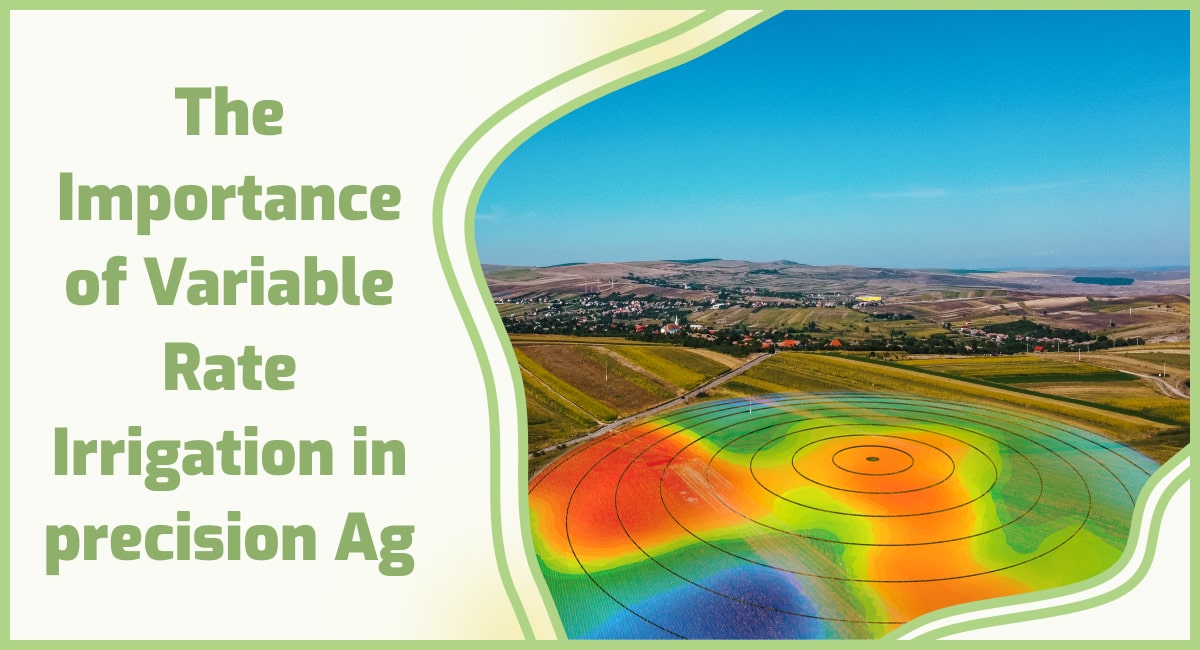
Variable Rate Irrigation, also known as VRI, represents a significant departure from traditional irrigation practices. Unlike uniform irrigation, VRI involves the targeted application of water to different areas within a field based on specific crop needs, soil characteristics, and other variables.

This is made possible through the integration of advanced technologies, such as GPS and sensors, that allow farmers to adjust water distribution in real-time.

Countries across the globe, from the United States to Australia, have embraced VRI as a tool to enhance crop yield while minimizing the environmental impact of excessive water usage. Reports from the PrecisionAg Institute indicate that VRI can lead to water savings ranging from 10% to 30% across various crops and regions.

Furthermore, the American Society of Agricultural and Biological Engineers conducted research on VRI’s impact on cotton cultivation. The findings indicated that VRI led to improved yield and fiber quality, showcasing its potential to enhance both economic and environmental outcomes.

6. Fertigation

Fertigation, a combination of “fertilization” and “irrigation,” represents a revolutionary approach to crop nutrition. Unlike traditional methods that involve applying fertilizers separately from water, fertigation involves injecting fertilizers directly into the irrigation system.

This allows nutrients to be delivered directly to the root zone of plants, optimizing their uptake and utilization. Fertigation is enabled by specialized equipment such as drip systems, sprinklers, or even hydroponic setups.

This integrated approach ensures that plants receive nutrients precisely when they need them, resulting in improved growth, yield, and overall health.

Fertigation, a combination of fertilization and irrigation

The International Fertilizer Association (IFA) reports that fertigation can lead to a substantial increase in crop yields, often ranging from 20% to 100%, depending on the crop and environmental conditions.

The United Nations estimates that approximately 50% of applied fertilizers are lost to various forms of inefficiency, including runoff and volatilization. Fertigation addresses this issue by delivering nutrients directly to the root zone, minimizing losses and optimizing plant nutrient uptake.

Furthermore, a research paper in the “Journal of Soil Science and Plant Nutrition” emphasized that fertigation can reduce nutrient leaching, a phenomenon that contributes to water pollution and environmental degradation.

7. Remote Sensing and Automated Control

Technologies like sensors, weather stations, and satellite imagery are used to monitor soil moisture, weather conditions, and crop health. Automated control systems then adjust irrigation based on real-time data, optimizing water delivery.

These controllers use real-time weather data to adjust irrigation schedules, factoring in evapotranspiration rates and precipitation. Some of the other relevant approaches which are used are:

  • Localized Overhead Irrigation: This approach employs low-pressure overhead sprinklers to provide water to specific areas of a field. It’s efficient for crops with varying water requirements or irregular field layouts.
  • Canopy Sensors: These sensors measure the reflection of light from the crop canopy to estimate crop water stress. This information is used to adjust irrigation schedules and amounts.
  • Soil Tensiometers: These devices measure soil tension, indicating how hard roots need to work to extract water from the soil. Farmers can use this information to determine when to irrigate.

Benefits of Precision Irrigation

Precision irrigation offers a multitude of benefits that contribute to more efficient and sustainable agricultural practices. Here are some of the key advantages:

1. Water Efficiency and Conservation: It minimizes water wastage by delivering water directly to plant roots, reducing evaporation and runoff. This targeted approach ensures that water is used efficiently, conserving this precious resource and promoting sustainable water management.

2. Enhanced Crop Yield and Quality: By maintaining optimal soil moisture levels and preventing water stress, it fosters healthy plant growth. This translates into improved crop yield, quality, and overall agricultural productivity.

3. Eco-Friendly Practices: It reduces the environmental impact of farming by minimizing water runoff and the leaching of nutrients and chemicals into ecosystems. This sustainable approach contributes to healthier soil, water bodies, and surrounding environments.

4. Energy Savings: These methods require less energy for water distribution compared to conventional methods. This leads to reduced energy consumption and lower operational costs for farmers, aligning with energy-efficient agricultural practices.

5. Customized Nutrient Management: Integrating precision irrigation with fertilization strategies allows farmers to provide nutrients directly to plant roots. This targeted approach optimizes nutrient uptake, minimizes nutrient wastage, and reduces the risk of nutrient pollution.

6. Efficient Weed and Pest Control: It limits water availability to weeds, reducing their growth and competition with crops. Additionally, by keeping plant foliage drier, it hinders the proliferation of pests and diseases, leading to more effective pest management.

Benefits of Precision Irrigation

7. Adaptability to Field Variability: Fields often exhibit variations in soil type, topography, and crop health. It adapts to these differences, ensuring that each area of the field receives the right amount of water, promoting uniform crop growth.

8. Data-Driven Decision Making: Utilizing advanced technologies like sensors and weather data, precision irrigation empowers farmers with real-time insights. This data-driven approach enables informed decisions about irrigation scheduling, optimizing resource allocation and crop management.

9. Climate Resilience: In the face of changing weather patterns due to climate change, it equipped with weather forecasting capabilities adjusts irrigation practices accordingly. This aids in mitigating risks and ensuring consistent crop production.

10. Long-Term Sustainability: It aligns with the principles of sustainable agriculture. It promotes responsible resource management, preserves soil health, reduces ecological impacts, and contributes to the overall well-being of farming ecosystems.

Incorporating these practices not only benefits farmers through improved efficiency and yield but also safeguards the environment and supports the long-term viability of agriculture in a rapidly changing world.

Components of Precision Irrigation Systems

These components work together to optimize water usage, enhance crop growth, and promote sustainable agriculture through precision irrigation systems. Some of the basic components are:

1. Sensors and Monitoring Devices:

  • Sensors measure soil moisture, temperature, and humidity.
  • Monitoring devices provide real-time data for informed irrigation decisions.

2. Control Systems:

  • Control units process sensor data and automate irrigation schedules.
  • They ensure precise water delivery based on field conditions.

Components of Precision Irrigation Systems

3. Water Delivery Mechanisms:

  • Drip lines, micro-sprinklers, or localized overhead sprinklers deliver water directly to plant roots.
  • Minimizes water wastage and optimizes plant hydration.

4. Weather Stations and Forecasting:

  • Weather stations collect local weather data.
  • Forecasting informs irrigation timing based on climate conditions.

5. Geographic Information Systems (GIS):

  • GIS technology creates field maps with topography and soil type data.
  • Helps tailor irrigation plans to field variability.

6. Automated Valves and Pumps:

  • Valves and pumps regulate water flow within the system.
  • Integrates with control systems for precise water distribution.

7. Data Analytics and Software:

  • Software processes sensor and weather data.
  • Generates insights for optimal irrigation strategies.

8. Variable Rate Irrigation (VRI) Technology:

  • VRI adjusts water application based on field variability.
  • Customizes irrigation for different areas of the field.

9. Remote Sensing and Imaging Tools:

  • Satellite imagery and drones monitor crop health and water distribution.
  • Identifies areas needing adjustments.

10. Mobile Applications and Remote Access:

  • Mobile apps offer real-time control and monitoring.
  • Enables remote management for timely adjustments.

11. Fertigation Systems:

  • Integrates irrigation with nutrient application.
  • Directs nutrients to plant roots for efficient uptake.

12. Alarms and Alerts:

  • System alerts notify of anomalies or failures.
  • Ensures prompt responses to prevent crop damage.

Challenges and Limitations in Precision Irrigation

As the world embraces the era of precision agriculture, the promises of enhanced crop yield, resource efficiency, and sustainable practices are enticing. However, the journey towards implementing precision irrigation technologies is not without its challenges.

1. Initial Investment: Balancing Cost and Benefit

One of the primary challenges of adopting precision irrigation technologies is the substantial initial investment required. The implementation of advanced irrigation systems, sensors, data analytics tools, and other supporting infrastructure can demand a significant financial commitment.

Precision irrigation systems generate vast amounts of data

While these technologies offer long-term benefits, including water savings and increased crop yield, the upfront costs can be a deterrent for many farmers, especially those in resource-constrained regions.

To address this challenge, governments, agricultural organizations, and private sector players need to collaborate in providing financial incentives, subsidies, or affordable financing options to make its technologies accessible to a broader range of farmers.

Highlighting the long-term returns on investment and showcasing success stories of those who have overcome the initial investment barrier can also encourage wider adoption.

2. Technical Expertise: Bridging the Knowledge Gap

The integration of technology into agriculture requires farmers to acquire new skills and knowledge. Many farmers, particularly those from older generations, may lack the technical expertise needed to operate and manage precision irrigation systems effectively.

Understanding the intricacies of sensors, data analysis, and system calibration can be daunting. Addressing this challenge requires education and training programs tailored to the specific needs of farmers.

Agricultural extension services, workshops, online courses, and collaboration with local agricultural universities can empower farmers with the necessary skills to navigate its complexities.

3. Data Management: Wise Decision-Making

Precision irrigation systems generate vast amounts of data, including soil moisture levels, weather patterns, and crop health indicators. Managing and analyzing this data effectively can be overwhelming, especially for smaller-scale farmers without access to sophisticated data analysis tools.

The risk of information overload is real, and without proper data management strategies, its potential benefits could be lost. To tackle this challenge, user-friendly software and platforms that simplify data analysis and interpretation are essential.

Integrating cloud-based solutions, machine learning algorithms, and user-friendly dashboards can help farmers make informed decisions without being overwhelmed by data complexity. Additionally, fostering collaborations between farmers and data experts can lead to tailored solutions that cater to specific farm needs.

Conclusion

Precision irrigation stands as an innovative solution to modern agricultural challenges, embracing techniques like drip irrigation, micro-sprinklers, subsurface systems, precision mobile irrigation, and variable rate methods. Global adoption, supported by data and science, highlights their transformative impact. Overcoming challenges like initial costs, technical skills, and data management requires collaborative efforts. It is the bridge to a sustainable future, uniting technology and agriculture to secure food while conserving resources.

Types of green roof irrigation systems and their organization

Environmental campaigns and even considerations are uplifting the use of green roofs. As opposed to hard construction materials such as tiles, green roofs are known to more importantly lower the rainwater run-off hence lowering flood problems. Complex rooftop irrigation systems are capable of holding up to about 90% of the rainwater and also even the thinnest complex green roof system holds up to 40% of the rainwater.

Alongside that, the remaining 60% of the rainwater is more likely to run off rather slowly as compared to when on a conventional roof. Green roofs are also known to offer important cover in lowering heat transfers and even reduction of noise.

Besides increasing diversity, offering a habitat for both the animals and even plants, all green roofs are most likely to heighten air quality by filtering airborne dust particles and even other pollutants. All green roof design is simply the compromise of offering both the plants and grass adequate soil to thrive unattended and also ensuring the roof weight is down.

Since the soil possesses a high density, the price for making roof structures goes up based on the more depth of soil needed. With that in place, several designs are more likely to embrace the use of the minimum amount of soil and even special mixes involving compost to lower the weight.

From a horticultural point of view, a shallow depth and the exposed aspect make the soil dry up very fast resulting to plant stress and even failure. Types of green roof irrigation systems and their organization. There are only two basic types of green roof design.

Intensive roof systems

This kind of system is always used where an accessible garden environment is needed. Structures that include water features, planters, benching, and also trees are all included in this design.

Here, the soil depth is always deeper making it a necessity for the roof structure to be stronger to withstand the extra weight. Again, complete maintenance is needed with this kind of design since a more varied plant type is always used.

Types of green roof irrigation systems

Extensive roof systems

This is always initiated whenever the environmental benefits of a green roof are needed. Sedums that are also known as low growing drought resistible plants are pre-sewn into a blanket are always used more so due to their high tolerance and also their lightweight construction.

Alongside all that, they also need slight maintenance hence are seen to be cheap when it comes to maintenance.

Irrigation methods

These will always depend based on the application among other aspects; however, there are two main types. They include:

1. Sprinklers

They are always used in intensive roof systems. When the roof depths are extremely shallow, supply pipework is placed on the gravel margin or even on raised beds across all the edges found in the lawn.

The ancient lawn-based sprinklers of the pop-up kind are always situated around the outer perimeter in the grass area, spraying all the way to the lawn area. These kinds of sprinklers are known to have amazing coverage and can also be used to spray the grass on their earlier days when laid.

As for the lawns that have greater soil depth, the pop-up sprinklers can be perfectly placed into the lawn area, and they will then work in the same way as sprinklers in an ancient lawn.

2. Driplines

For extensive green roofs, they are always equipped with a dripline system that directly targets the root zone. You also need to be aware that it should not be installed when the green roof is being installed.

A special dripline is always used, where it is made to move all the way to the root zone – and also several ordinary drip pipes will always clog when used to perform such kinds of operations. Original individual drippers also come along with a compensation device built to ensure that, even if the roof elevates, each of the drippers is capable of offering a similar amount of water.

Driplines are also laid below the soil surface at the root level. Based on application, driplines are laid along the roof in lines that have 300 to 400m intervals. As for the Sedum blankets, two lines of dripline are always the only requirements for wetting the capillary kind of matting and not the sedums – one above the slope and also another one halfway down.

For intensive roof gardens that planters or even shrub borders are placed, they all have to be dealt with using the driplines that are placed on the surface (usually beneath mulch) of the bed. When it happens that there are pots and even urns in the roof area, they can be watered through individual drippers found in each of the pots.

3. Pressurization and control units

Due to the irrigation location such as high level, a pressurized water supply will be needed so that water can be evenly distributed. Water regulations always need a kind of ‘A’ air brake on all of the irrigation systems. That can be derived from a compatible pressurized supply within a given building or even a dedicated built pressurization unit.

The latter is always pre-assembled and also has a built-in water storage tank equipped with an air gap, controller, and also pressure pump. This unit is always situated in a pump room at a lower level. Copper or MDPE pipework is always moved from its location all the way to the roof level.

All that is needed here is a mains water and 230v power supply as an additional requirement. The controller can always be programmed to conduct the irrigation automatically either daily, or even weekly for a certain period of time and it can also be manually operated whenever a need be.

The extra sensor can also be placed whenever needed – this will simply reduce or even prevent watering whenever it rains.

A few tips for creating a green rooftop irrigation system

Below is a list and descriptions of some of the tips or considerations that you need to keep in mind when creating a green roof irrigation system:

Weight considerations

You need to rest assured that all of the things that you have built on your roof are perfectly supported. To do avoid problems from this, you need to prevent concentrating much of the weight on small areas through the use of wood and even PVC frames that are capable of spreading the weight across a larger area.

Be informed that when you fail to enforce proper support, there are higher chances of your roof leaking or even collapsing leading to an expensive fix the damage.

When to water

Regardless of the mechanism that you use, there is always a given time for watering. You need to know that no matter what, you should not water your plants in the middle of the day since it will only make them wilt or even burn.

Tips for creating a green roof irrigation system

The best time that you may adopt for watering your plants is usually 3 hours immediately after the sunrise and also 3 hours before the sunset. When you stay in areas that are very dry, then, the best time for watering your plants needs to be during the evening since it offers plants and the soil adequate time to absorb the water before it evaporates.

Homemade irrigation

You can always choose to use the rolled tubing to build a simple irrigation system. You can also channel the drainage to a central recycling vessel where it is strained and then pumped back to the plants.

Debris that is sifted can also be evenly distributed above the rooftop garden. Embrace a cheaper pump to bring about water distribution, and also set it on a common wall timer.


Frequently Asked Questions


1. How to make rooftop lawn?

To create a rooftop lawn, follow these steps:

  • Check the structural integrity: Ensure that your rooftop can support the weight of a lawn. Consult with a structural engineer if needed.
  • Install a waterproof membrane: Apply a waterproof layer to prevent water leakage into the building. This is crucial to protect the structure.
  • Build a drainage system: Install a proper drainage system to prevent water pooling. Use drainage mats, perforated pipes, and a waterproofing membrane to facilitate water runoff.
  • Choose appropriate soil and grass: Select lightweight soil or soilless media that promotes drainage. Choose grass varieties suitable for rooftop conditions, such as drought-tolerant and low-maintenance species.

Remember to consider local regulations, seek professional advice, and maintain the lawn regularly to ensure its longevity and health.

2. Do roof sprinklers work?

Roof sprinklers can be effective in certain situations. They can help cool the roof surface and reduce the risk of fire spreading in wildfire-prone areas. Roof sprinklers work by wetting the roof and surrounding areas, creating a moisture barrier.

However, their effectiveness depends on factors such as water availability, system design, and maintenance. It’s important to consult with fire experts and local authorities to determine if roof sprinklers are appropriate and effective for your specific location and circumstances.

Regular testing and maintenance are crucial to ensure their functionality when needed.

3. What is the necessity of irrigation?

Irrigation is necessary for plant health, agriculture, and landscape maintenance. It provides a reliable water supply during dry periods, promoting optimal growth.

It enables crop cultivation in regions with limited rainfall, increasing food production. Additionally, irrigation keeps lawns and gardens hydrated, preventing wilting and maintaining attractive outdoor spaces.

Some important facts about Variable-Rate Irrigation

Irrigation plays an integral role in our crop growth, health, and productivity. Yet, we often give little attention to it. We give utmost priority to pests and weed control, fertilizers application, crop monitoring, soil analysis, etc.

Good, but those amendments without irrigation are like fueling a car without starting the engine; It won’t move. The same is applicable here. Other practices will only be efficient when proper irrigation is in place.

Irrigated land produces abundant and higher yield crops when compared to dryland. Statistically, 17% of irrigated agriculture produces 40% of the global food. Irrigation improves yields, enhances profitable harvest, and helps soil structure if it is done perfectly.

Due to variability in soil types and crop requirement of water, doing manual irrigation on your crops may be overwhelming and nerve-wracking especially if it’s a large farm. To ease this process, a cutting-edge technology called VRI (Variable Rate Irrigation) is introduced.

Some important Facts About Variable-Rate Irrigation

It was initially introduced to aid large-scale farming in the early 2000s. Nowadays, variable rate irrigation is used on any type of farm because of the problems of unforeseeable rainfall patterns, variation of soil type and crop conditions, and the need to fast-track useful management decisions concerning nutrients and water.

What is Variable Rate Irrigation?

It’s an innovative technology that distributes water to plants at the right amount and at the right interval to satisfy the plant’s demand for water.

Since the water requirement of plants and soil varies, VRI permits the Central Pivot irrigation system, using GPS (Global Positioning System) and GIS (Geographic Information System) technologies to determine the specific amounts of water to be applied to each area of ​​the land.

Applying water uniformly to a field can make some areas watery while some will be dehydrated. Through VRI, you can supply water to every region of your farm without over-watering or under-watering the land. Although using it promises efficient use of water, it doesn’t necessarily mean little water will be consumed.

Components of a Variable rate irrigation System

A VRI system has the pivot irrigation system incorporated with the following characteristics;
Sprinkler control valves that spray water according to the instructions given by the control signal.
A Global Positioning System that tells us the position of the system within the field.

A user interface that finishes the field mapping and establishes the system. A controller that instructs or directs each sprinkler or all of the sprinklers. Also, It can be used to change the acceleration of the irrigation.

How does variable-rate irrigation reduce climate-related risks?

By implementing a VRI system, there are two ways to optimize water consumption on your farm. Firstly, by allocating a substantial amount of the water to soil with low holding-water capacity while leaving out areas without crops.

Secondly, lowering water application in marginal areas that require little irrigation or soil with high retention capacity e.g clay soil. A report by (Sadler et al. 2005) suggests that it has saved up 8 – 20% in water usage more than uniform irrigation.

With a VRI system in place, irrigated plants are less prone to climate-related risks because they are well-watered which arise owing to proper management of water thereby making plants unaffected by drought.

Benefits of VRI on Agriculture and Production

Since its water consumption is lower than the uniform irrigation, It saves cost by reducing the amount spent on water usage and pumping.

It aids yield and productivity improvement due to the irresistible nature of irrigated crops against pests and disease and other crop-related issues

It minimizes nutrient loss in soil by leaching and improves soil health. Since it controls leaching, soil salinity conditions and drainage is strengthened.

What are the Barriers to Implementation?

Inadequate knowledge about the system and lengthy period used in learning how to operate the system.

Maintenance cost – employment of labor for troubleshooting and repair. Additional costs on other field equipment are needed for the system to function such as buying in-field sensors and data processing fees. Sometimes, farmers may have difficulty adjusting to improvements in the system.

How does it work?

While demand for food production has highly increased over years, the need for proper irrigation in agriculture is more than what a man can comprehend. The need for a better water management system prompts the introduction of VRI (variable-rate irrigation).

It has aided modern agriculture in various ways. It’s an automated technology that uses a central pivot irrigation system to supply water to plants at the demanded rate. It is recommended a minimum of four zones control the VRI section.

Some important facts about Variable-Rate Irrigation

Zones are created automatically and manually with the help of 30-year history imagery of soil (agrochemical analysis, scanners data, EC, moisture), and topography data.

GeoPard helps you properly distribute the agricultural inputs such as fertilizing, crop protection, seeding, irrigation, etc. for better crop yield.

Benefits of smart irrigation system for farming

More than a billion gallons of water are utilized each day in the United States for landscape irrigation. A large portion of the water utilized is squandered due to overwatering because of conventional wasteful Irrigation systems. To successfully battle this issue, Smart Irrigation systems are the solution.

What is smart irrigation?

Smart irrigation systems for farming modify timings and schedule of watering automatically to accomplish specific soil needs. These systems increase water use efficiencies significantly.

The conventional irrigation systems used to work on a set programmed schedule with preset timers, whereas smart water system frameworks screen a variety of variables, for example, soil conditions, weather, plant water use, and evaporation to change watering plans.

This increases efficiency while additionally keeping up with soil wellbeing.

How do irrigation controllers work?

At the point when there is an increase in outside temperature or an absence of rainfall, smart watering controllers consider explicit factors, for example, sprinkler throw rate and soil type to modify watering plans.

There are a few features of smart irrigation control frameworks that can be utilized to accomplish efficiency and conserve water. Smart watering systems for farming are created to irrigate in view of the water necessity of the plant, this maximizes efficiency while older traditional irrigation systems used to work with preset timings squandering a lot of water.

Smart irrigation systems are available as all-inclusive complete systems as well as separate controllers which can be added to existing systems to upgrade them to smart irrigation systems.

As these controllers come in an assortment of designs, they can be optimized for specific uses. They can be introduced to irrigate little, residential landscapes as well as enormous regions with fluctuating landscapes.

Although these frameworks are automated, because of changes in certain elements, they should be monitored and adjusted occasionally to keep up with efficiency and guarantee appropriate working.

How does smart irrigation system for farming work?

Smart watering systems work by gathering information from various sensors and analyzing it to make changes in water timings and water streams. These frameworks work by some predefined user information sources like moisture threshold.

The system gathers information from a moisture sensor, then, at that point, analyzes it to decide whether the moisture limit set by the client is reached, if it has, it relays the order to actuators which then turn the sprinklers off.

Moreover, the client can likewise control the framework by means of a smartphone application on the go. The framework can likewise change schedules by breaking down weather information and can likewise decide when it is ideal to water to keep the plants healthy.

Features of Smart Irrigation

1. Water system Scheduling

Planning a get-away? With smart water irrigation, you can set how the system functions ahead of time. scheduling proves to be useful with these systems.

While the frameworks screen and control the water system of the landscape, you can find peace of mind realizing that you will get back to a landscape filled up with healthy plants. You can buy systems with specific features which suit your scheduling needs.

2. Remote Control

While individuals are reluctant to buy systems that work off of smartphone applications as they are not satisfied with applications, these frameworks have progressed significantly, as with most current gadgets, these frameworks additionally have a consistent network and give extraordinary connection through Wi-Fi and different means.

Assuming you are OK with a legitimate handheld gadget, there are systems that come with a physical remote that you can use for your convenience. The controllers come equipped with LED lights to indicate if the system is working or what mode it is working in.

The controller with a smartphone application additionally provides you with the component of controlling it from anywhere you are with the assistance of the application.

You can tweak the water system all through various landscapes by utilizing custom presets over valves inundating various sorts of plants. You can make zones with one or numerous valves giving you control to customize the water system over various regions.

3. Notifications

With smart water system frameworks, you can get advised of essentially whatever happens to the landscape. You will get notified when the irrigation begins and when it stops.

The framework tells you if there is an error in the water system, a few systems additionally let you know whether there is leakage in your water system framework. Find the controller which best suits your needs and has the features that you require.

4. Smarter Irrigation

A few regulators come furnished with weather monitoring which can change irrigation schedules in advance assuming it is expected to rain. This way you don’t have to stress over your plants getting over-watered, and don’t need to physically switch off the framework.

5. Inoperability

Although significant enhancements have been made to improve these frameworks, at this point most economically accessible frameworks can’t connect with smart home gateways and other smart home gadgets.

There are models available which do come equipped with connectivity ability, but they are limited as of now. Organizations are chipping away at this next step and soon you can hope to see most if not all these systems are equipped with smart home connectivity.

Before you buy a smart irrigation system for farming, you need to research what sort of eccentricities and features you need in your system. These systems are customizable, and you can find one to be as per your necessities and your spending plans.

There are a few controllers which incorporate every one of the extravagant features yet they are on the more costly side and you probably won’t need that number of features, so research a little prior to settling on a purchasing choice.

Benefits of Smart Watering Systems

Smart irrigation systems use sensors and real-time weather information to expand efficiency which was a major issue with conventional irrigation control systems that can squander up to half of the water used.

Smart irrigation systems use sensors and real-time weather information

These frameworks likewise give better plant care as they can detect soil moisture and keep up with it for the best plant wellbeing.

There are two fundamental parts of the smart irrigation frameworks. There is an irrigation control type and a delivery type. The delivery type involves the sort of water delivery framework utilized.

The system additionally works off of two distinct kinds of analytic inputs, there is the soil-based system and the weather-based system. These frameworks direct the working of the entire unit.

The soil-based irrigation systems work off of tangible information given by an assortment of sensors inside the ground which is broken down to make decisions about the time and volume of irrigation required.

These sensors incorporate moisture sensors among different sensors, these systems can be set to detect moisture limits set by the client for specific kinds of plants that can be customized by plant type over an enormous landscape.

While the system works to reach the threshold, it can likewise identify soil moisture in specific conditions and irrigate areas differently if some pieces of land get more direct sunlight and require more water.

The weather-based smart watering systems work on analyzing the weather data from reliable weather sources, historical data, and sensors to make decisions about watering schedules.

A weather-based irrigation framework is otherwise called an ET framework or an evapotranspiration framework, as it recognizes and counters for loss of water from the land through evaporation or plant transpiration.

The watering schedule for a weather-based system accounts for a variety of factors to make a decision, for example, local temperature, wind, humidity, and the insolation state of the landscape.

Probably the best benefit of the smart irrigation system for farming is that it additionally helps increase the efficiency in the delivery frameworks for watering. There are 4 common ways of water delivery in smart watering systems: surface, subsurface, stream, and sprinklers.

Traditionally, the surface water system is the most commonly utilized strategy, it has been broadly utilized all through the world, and it includes the utilization of little trenches and streams on a surface level to deliver water with the assistance of gravity.

Sprinklers toss water in the air with high pressure, so it reaches greater distances and distributes water among the plants like rain. Sprinklers can be fixed on the ground or can be in mobile arrangements.
Trickle irrigation works by installing networks of water lines locally through plants, which then drip water very slowly keeping the plants moist over longer periods of time while conserving water.

Subsurface irrigation works by burying water lines close to plant roots throughout the landscape, which provides water directly to the plant roots below the surface. This method is known to maximize the efficiency of water use, as being buried in the ground it is not prone to water evaporation.


Frequently Asked Questions


1. How to irrigate soil?

To irrigate soil effectively, there are a few essential steps to follow. Begin by assessing the water needs of your plants, considering factors such as their specific requirements and environmental conditions.

Next, select the appropriate irrigation method, taking into account factors like the size of the area and available resources. Water at the optimal time to minimize evaporation, typically early morning or late evening.

Finally, ensure even water distribution across the soil surface or root zone. Regular monitoring and adjustments will help maintain effective soil irrigation.

2. What is the example of subsurface irrigation?

An example of subsurface irrigation is the use of buried drip lines or drip tubing. In this method, perforated pipes or tubes are installed beneath the soil surface, delivering water directly to the root zone of plants.

The water seeps out slowly and evenly, minimizing evaporation and reducing water loss. Subsurface irrigation is commonly used in agriculture, landscapes, and gardens to provide efficient and targeted watering while minimizing surface runoff and evaporation.

It helps conserve water and promotes healthy plant growth.

wpChatIcon
wpChatIcon

    Request Free GeoPard Demo / Consultation


    By clicking the button you agree our Privacy Policy. We need it to reply to your request.

      Subscribe


      By clicking the button you agree our Privacy Policy

        Send us information


        By clicking the button you agree our Privacy Policy