

Types of fertilizer
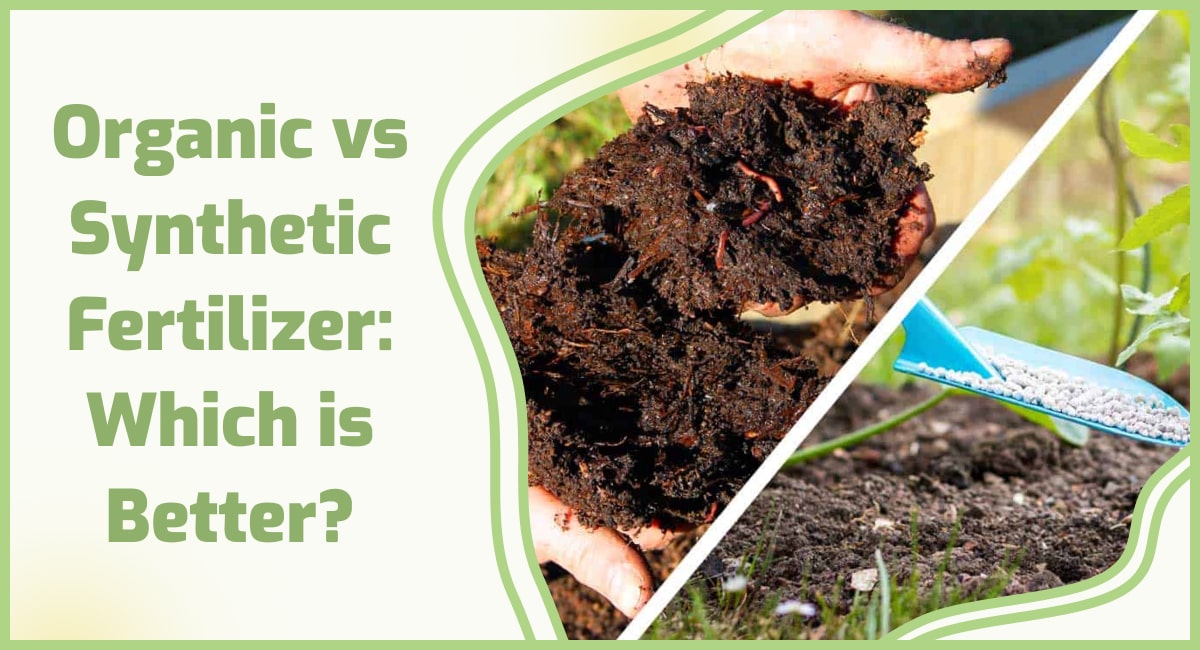
In general, there are two common types of fertilizers. They include organic and inorganic fertilizers. 1. Organic fertilizers These are made from natural materials such as manure, compost, and peat moss. Organic fertilizers are generally easier on the environment, but they are slower acting than chemical fertilizers and they can cost more money. Some organic fertilizers have special properties that help to condition soil and improve its structure over time. Organic fertilizers are derived from plant or animal sources. They provide nutrients for plants through decomposition. The most common organic fertilizer is composting material from an animal source (such as manure or composted chicken litter). This type of fertilizer helps retain moisture in the soil and adds essential nutrients to it. It also provides a habitat for beneficial insects like earthworms that aerate the soil and improve its drainage capacity by bringing down deep-rooted plants from the topsoil layer to the subsoil layer where it can be accessed by the roots of most plants. Organic fertilizers are generally considered more environmentally friendly than synthetic ones because they don’t pollute the soil or groundwater like chemicals might. However, all fertilizer can be harmful to your plants if used incorrectly — you have to know how much fertilizer to use as well as when and how to apply it. 2. Inorganic fertilizers
These are made from chemicals such as nitrogen (N), phosphorus (P), and potassium (K). These chemicals can be found in many different combinations to match the nutrient needs of specific plants. Inorganic fertilizers can be very effective, but some people worry about using them because they may run off into local water supplies or damage soil organisms like earthworms.
Inorganic fertilizers are often used when planting new plants or seeds in soil because they help plants get established quickly. This means that plants can produce more fruit and vegetables per plant than if they were growing in soil without any additional nutrients added to it.
For example, if you’re starting a garden from scratch, you may want to use chemical fertilizers until your plants are big enough to eat organic food waste. Inorganic fertilizers can also be used as a supplement for organic gardening methods. Inorganic fertilizers do not contain any organic matter and can be used on all plants.
They are easy to apply and may be water-soluble or granular. They are less likely than organic fertilizers to burn plant roots, which makes them suitable for delicate plants like seedlings and houseplants. They are less expensive than organic fertilizers.
2. Inorganic fertilizers
These are made from chemicals such as nitrogen (N), phosphorus (P), and potassium (K). These chemicals can be found in many different combinations to match the nutrient needs of specific plants. Inorganic fertilizers can be very effective, but some people worry about using them because they may run off into local water supplies or damage soil organisms like earthworms.
Inorganic fertilizers are often used when planting new plants or seeds in soil because they help plants get established quickly. This means that plants can produce more fruit and vegetables per plant than if they were growing in soil without any additional nutrients added to it.
For example, if you’re starting a garden from scratch, you may want to use chemical fertilizers until your plants are big enough to eat organic food waste. Inorganic fertilizers can also be used as a supplement for organic gardening methods. Inorganic fertilizers do not contain any organic matter and can be used on all plants.
They are easy to apply and may be water-soluble or granular. They are less likely than organic fertilizers to burn plant roots, which makes them suitable for delicate plants like seedlings and houseplants. They are less expensive than organic fertilizers.
Types of inorganic fertilizers
1. Nitrogen fertilizers In Europe, nitrate-based fertilizers are the most widely used direct fertilizers. Nitrate-based fertilizers such as ammonium nitrate (AN) and calcium ammonium nitrate (CAN), which are well adapted to most European soils and climatic circumstances, and urea and urea ammonium nitrate (UAN) aqueous solutions, which are widely used in other areas of the world, are the primary products. Ammonium sulfate and ammonium sulfate nitrate, calcium nitrate, sodium nitrate, Chilean nitrate, and anhydrous ammonia are some of the other straight nitrogen fertilizers. Nitrogen is an essential plant nutrient, but too much of it can lead to “nitrogen burn,” which causes leaf discoloration and even death. To avoid this, use a fertilizer that’s high in nitrogen (N) only on actively growing plants (check labels) and at half their recommended dosage. 2. Nitrogen fertilizers with inhibitors Nitrogen immobilization, denitrification, volatilization, and leaching can all occur as a result of certain climate conditions and soil properties, lowering fertilizer efficiency. As a result, the fertilizer industry has created specialized fertilizers to mitigate these consequences. Foliar, delayed, and controlled release fertilizers, as well as fertilizer additives like urease and nitrification inhibitors, are among them. 3. Phosphorus fertilizers Single superphosphate (SSP), triple superphosphate (TSP), monoammonium phosphate (MAP), di-ammonium phosphate (DSP), and ammonium polyphosphate liquid are the most prevalent phosphate fertilizers. For efficient application, different fertilizer formulations have distinct release profiles and require different spreader settings. Phosphorus is also essential for healthy growth, but it doesn’t move beyond the root zone as easily as nitrogen does. Because phosphorus needs to be applied more frequently than nitrogen, choose a slow-release product that will provide a steady supply of phosphorus throughout the season. 4. Potassium fertilizers Potassium is also found in a variety of fertilizers, including potassium chloride (KCl), potassium sulfate (K2SO4) or sulfate of potash (SOP), and potassium nitrate (KNO3), often known as KN, which contain potassium alone or in combination with two or more minerals. Potassium is a secondary element that helps plants resist disease and improve overall vigor. Look for potassium sources like potash sulfate or muriate of potash on product labels; they’re usually listed as K2O or KClO3. 5. Calcium, magnesium, and sulfur fertilizers Secondary plant nutrients such as calcium (Ca), magnesium (Mg), and sulfur (S) are necessary. They are frequently used in conjunction with the major nutrients N, P, and K rather than as standalone fertilizers. Straight N fertilizers like ammonium nitrate or urea frequently contain sulfur. Single superphosphate (SSP), potassium sulfate (SOP), and potassium magnesium sulfate (Kainite) are further sulfur sources, with the last also containing magnesium. Kieserite is a magnesium sulfate material that is mined and used in agriculture as a fertilizer, mostly to treat magnesium deficiency. Calcium is mostly used in the form of calcium nitrate, gypsum (calcium sulfate), or lime/dolomite (calcium carbonate), with calcium nitrate being the only commonly available calcium source in plants. 6. Micronutrient fertilizers Currently, a wide range of specialized fertilizers is readily accessible to provide plants with essential micronutrients including iron, manganese, boron, zinc, and copper. These might be inorganic or organic chemicals, with the latter being separated into water-soluble and non-soluble varieties. 7. Inhibitors In today’s EU, there are two major types of inhibitors available to farmers. Nitrification inhibitors are chemical substances that restrict the activity of Nitrosomonas bacteria in the soil, delaying the nitrification of ammonium. The goal is to keep ammonium in a soil-stable state while slowing its conversion to nitrate. This temporarily lowers the proportion of nitrate in the soil, lowering the risk of nitrate leaching into water or the generation of N2O gas in the atmosphere. Urease inhibitors are chemical substances that prevent the hydrolysis of urea in the soil, which can result in NH3 emissions, from occurring before it is transformed into ammonium. They help to drastically reduce ammonia emissions into the atmosphere, which is one of the major air pollutants. For a better grasp of nutrients and their health benefits, here’s a spreadsheet: Table of Nutrients| Nutrient | Where It Comes From | What It Does |
| Nitrogen (N) | The atmosphere | Vital in protein formation |
| Phosphorus (P) | Shallow rock deposits formed by the decay of ancient sea life | Crucial for photosynthesis and other cellular processes |
| Potassium (K) | Deep rock deposits left behind by evaporation of ancient seas | Aids in the production of higher quality crops |
| Calcium (Ca) | It can be found around the globe in rocks like dolomite and limestone | Strengthens plant structure |
| Magnesium (Mg) | China has substituted the United States as the biggest supplier | Vital for the formation of chlorophyll |
| Sulfur (S) | Commercial deposits are found in volcanic regions like Sicily, Indonesia, and Japan. | It’s very important for the production of amino acids |
| Boron (B) | Primary sources of borax ore are Turkey and the United States | Important for healthy cell growth and pollen formation |
| Chlorine (CI) | Salt deposits (sodium chloride) found around the world | Assists plants in managing water stress |
| Copper (Cu) | The largest producers are Chile, the United States, Indonesia, and Peru | The essential catalyst for chemical reactions found in plant cells |
| Iron (Fe) | The largest producers include China, Brazil, Australia, India, and Russia | An important catalyst for chemical reactions within plant cells |
| Manganese (Mn) | The most vital sources are Ukraine and South Africa | Aids plants in making chlorophyll and regulates various important enzymes |
| Molybdenum (Mb) | Key suppliers are China, Russia, the United States, Canada, and Chile. | Aids plants in using N and P more efficiently |
| Nickel (Ni) | Key producers include Canada and Siberia (Russia) | Enables plants in regulating biochemical processes |
| Zinc (Zn) | Large deposits in Australia, Canada, and the United States | Assists plants in forming proteins, starches, and growth hormones |
Organic fertilizers
Organic fertilizers consist primarily of crop leftovers, animal manures, and slurries. They are usually available on the farm and the nutrients and organic carbon they contain are recycled, despite their diverse nutritional worth. Animal manures and slurries include a variety of nutrition sources with varying physical qualities and nutrient concentrations. Furthermore, its nutrient content varies by region and is dependent on the type of animals and farming technique used. GeoPard is a complete and easy-to-use crop monitoring and data analytics software that helps farmers and agribusinesses to organize better crop monitoring and provide better data analytics. If you are a farmer or an agribusiness, you know how important it is to collect information on your crops, fields, or farms.
For example, the weather forecast can help you decide when it should be planted, but it doesn’t show you the actual conditions in your field. You need more information about soil temperature, humidity, and other characteristics of your land.
The only way to get this information is through manual observations. This is time-consuming and costly for farmers.
GeoPard helps you organize better crop monitoring by collecting all types of data from different sources: satellite maps, weather forecasts, sensors located in your field (for example soil sensors), etc.
With GeoPard you can track any changes in your fields over time — for example changes in soil moisture or temperature — easily compare them with other fields (whether they have similar characteristics) or make comparisons with historical data from previous years.
With GeoPard, you can easily track the status of your crops, whether they are in the field or at home. You can also monitor the health of your crops and identify any potential problems before they become serious issues.
GeoPard is designed to help farmers gather all their data in one place so they can easily monitor their farm’s performance. The software also offers insights into historical data, so you can see how your farm has changed over time and make informed decisions about future activities.
GeoPard is a complete and easy-to-use crop monitoring and data analytics software that helps farmers and agribusinesses to organize better crop monitoring and provide better data analytics. If you are a farmer or an agribusiness, you know how important it is to collect information on your crops, fields, or farms.
For example, the weather forecast can help you decide when it should be planted, but it doesn’t show you the actual conditions in your field. You need more information about soil temperature, humidity, and other characteristics of your land.
The only way to get this information is through manual observations. This is time-consuming and costly for farmers.
GeoPard helps you organize better crop monitoring by collecting all types of data from different sources: satellite maps, weather forecasts, sensors located in your field (for example soil sensors), etc.
With GeoPard you can track any changes in your fields over time — for example changes in soil moisture or temperature — easily compare them with other fields (whether they have similar characteristics) or make comparisons with historical data from previous years.
With GeoPard, you can easily track the status of your crops, whether they are in the field or at home. You can also monitor the health of your crops and identify any potential problems before they become serious issues.
GeoPard is designed to help farmers gather all their data in one place so they can easily monitor their farm’s performance. The software also offers insights into historical data, so you can see how your farm has changed over time and make informed decisions about future activities.
Frequently Asked Questions
1. Which fertilizer is best for plants and is useful for gardening? The best fertilizer for plants largely depends on their specific needs. Generally, a balanced fertilizer containing equal parts nitrogen, phosphorus, and potassium (NPK) can provide essential nutrients for overall growth. However, it’s crucial to consider factors such as soil type, plant species, and stage of growth. Conducting a soil test and consulting with gardening experts can help determine the most suitable fertilizer, ensuring optimal plant health and productivity. 2. What are fertilizers? What they do for plants? They are substances that provide essential nutrients to plants to support their growth and development. These nutrients include nitrogen, phosphorus, and potassium, as well as secondary and micronutrients. They are typically applied to soil or directly to plants to replenish nutrient levels and enhance their health and productivity. They come in various forms such as granules, liquids, and powders, and can be organic or synthetic in nature. 3. What fertilizer has nitrogen phosphorus and potassium? A fertilizer that contains nitrogen, phosphorus, and potassium is often referred to as an NPK fertilizer. This type of fertilizer is specifically formulated to provide a balanced combination of these essential nutrients. The proportions of nitrogen, phosphorus, and potassium can vary in different NPK fertilizers, depending on the specific needs of plants and their growth stages. 4. How does fertilizer work? They work by supplying essential nutrients to plants. When applied to the soil or directly to plants, they release nitrogen, phosphorus, potassium, and other micronutrients that plants need for various biological processes. These nutrients are absorbed by plant roots and used for functions like photosynthesis, cell division, and the production of proteins and enzymes. By replenishing nutrient levels in the soil, they ensure that plants have an adequate supply of nutrients to support their metabolic activities and achieve optimal health and productivity. 5. Is osmocote fertilizer organic? It is not classified as organic. It is a synthetic or inorganic that is commonly used in gardening and agriculture. Osmocote is a controlled-release fertilizer that contains a balanced blend of nutrients encapsulated in a resin coating. While it provides essential plant nutrients over an extended period, it does not meet the criteria of organic fertilizers, which are derived from natural sources like compost, manure, or plant-based materials. 6. What is fertilizer made of? They are made of various components that provide essential nutrients for plants. They typically contain three main nutrients: nitrogen (N), phosphorus (P), and potassium (K). These nutrients can be derived from both organic and inorganic sources. Inorganic fertilizers often use mineral salts as their sources, while organic are derived from natural materials such as compost, manure, or plant residues. Additionally, they may also contain secondary and micronutrients like calcium, magnesium, iron, and zinc, depending on the specific needs of plants and soil conditions. 7. What is 30-0-10 fertilizer used for? A 30-0-10 fertilizer is primarily used for promoting healthy lawn growth. The numbers in this fertilizer represent the percentage of nitrogen (30%), phosphorus (0%), and potassium (10%) it contains. With a high nitrogen content, it stimulates lush green foliage and helps with overall grass development. The absence of phosphorus suggests that the soil already has sufficient levels of this nutrient, while the potassium component supports root growth and enhances the lawn’s resilience to stress and diseases. 8. Is 20-20-20 fertilizer good for tomatoes? does it go bad? It can be suitable for tomato plants, especially during their early growth stages. This balanced ratio of nitrogen, phosphorus, and potassium promotes healthy foliage, root development, and fruit production. However, as tomato plants mature and start fruiting, a fertilizer with a higher phosphorus content may be more beneficial. Regarding whether fertilizers go bad, if stored properly and kept dry, most fertilizers have a long shelf life. 9. How often should i fertilize my lawn? The frequency of lawn fertilization depends on several factors, including the type of grass, soil conditions, climate, and the specific type being used. As a general guideline, it is recommended to fertilize your lawn two to four times per year. However, it’s crucial to follow the instructions on its packaging or consult with a local gardening expert to determine the best fertilization schedule for your specific lawn. 10. How to fertilize a plant? Fertilizing a plant is a straightforward process. Start by selecting the appropriate fertilizer based on the plant’s needs. Follow the instructions on the its packaging for the recommended dosage. Gently apply it around the base of the plant, avoiding direct contact with the leaves. Finally, water the plant thoroughly to help the nutrients penetrate the soil and reach the roots. It’s important to follow the recommended fertilization schedule and adjust based on the specific plant species and growth stage for optimal results. 11. How to make soil acidic? To make soil acidic, you can take a few steps. First, test the pH of the soil using a soil testing kit. If the pH is higher than desired, you can add amendments such as elemental sulfur or peat moss to lower the pH. These materials release acidic compounds when they break down. Mix the amendments into the top layer of soil and water thoroughly. Repeat the process periodically, monitoring the pH to maintain the desired acidity level for plants that thrive in acidic conditions.
Choosing the fertilizer is half the decision; the rate per zone is the other half. The GeoPard AI Assistant builds variable rate prescriptions from your soil tests and yield goals, with every step visible and approved by you.
Meet the GeoPard AI AssistantNEW
Reasoning AI for precision agriculture: it asks the right agronomic questions, shows its math, and builds dry-run validated prescriptions from your data. You approve every step.


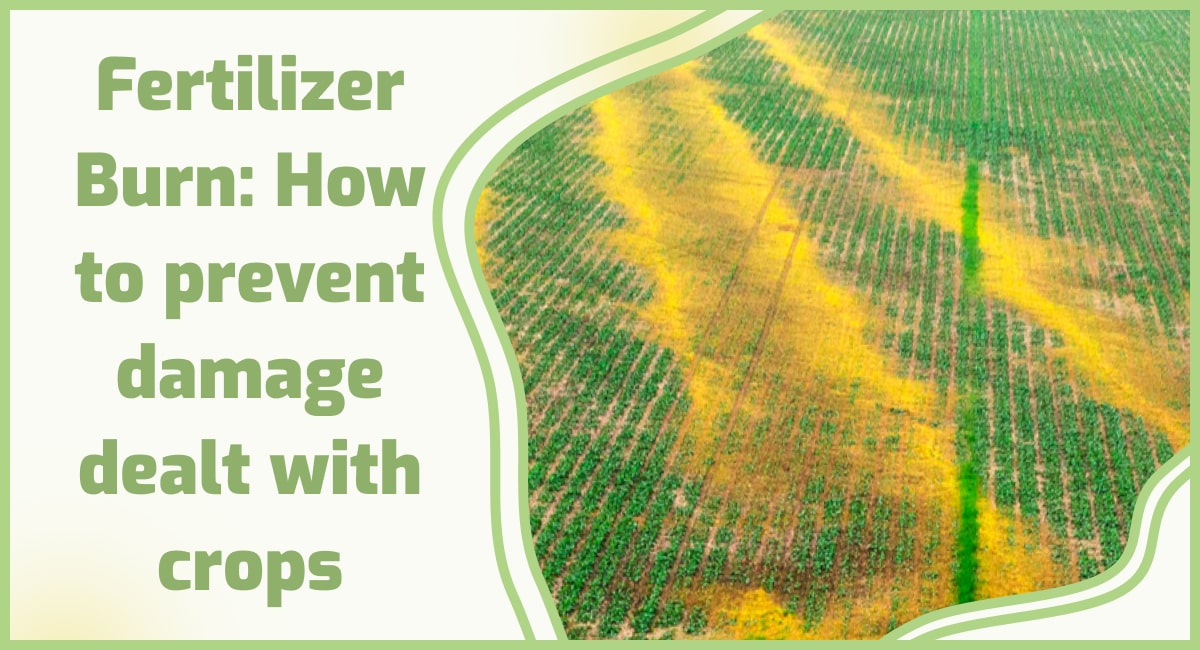
 So, to easily identify over-fertilized plants as the cause, when it is actually the case, you need to have a proper record of the type and volume of fertilizer used in your plants and shouldn’t ignore other probable causes as well.
When you use an excessive amount of fertilizer on plants, initially the plants achieve high foliage growth, but blossoming will be significantly reduced. This is the sign of fertilizer burn in plants even before visible signs like discoloration and wilting occur.
Moreover, the discoloration starts from the margin of the leaves and moves inwards. The foliage growth will now halt and the growth will be stunted. While all these are effects we can see, the main event is happening underground at the plant’s roots as fertilizer root-burn.
Fertilizer root-burn
If you pull your plants out of the ground and the roots are blackened or brown and limp, it can be caused by either excess water or excess fertilizer. If the soil water content is not higher, then it is most likely a case of fertilizer root burn.
So, to easily identify over-fertilized plants as the cause, when it is actually the case, you need to have a proper record of the type and volume of fertilizer used in your plants and shouldn’t ignore other probable causes as well.
When you use an excessive amount of fertilizer on plants, initially the plants achieve high foliage growth, but blossoming will be significantly reduced. This is the sign of fertilizer burn in plants even before visible signs like discoloration and wilting occur.
Moreover, the discoloration starts from the margin of the leaves and moves inwards. The foliage growth will now halt and the growth will be stunted. While all these are effects we can see, the main event is happening underground at the plant’s roots as fertilizer root-burn.
Fertilizer root-burn
If you pull your plants out of the ground and the roots are blackened or brown and limp, it can be caused by either excess water or excess fertilizer. If the soil water content is not higher, then it is most likely a case of fertilizer root burn.
 Fertilizer root burn occurs because when fertilizer is present in excess in the soil surrounding the root, the root cannot properly obtain water from the soil because of the lack of osmotic pressure.
 To state the obvious, the best way of dealing with fertilizer burn is to only use as much fertilizer as the plant needs. It is always a better option to use less than the required amount rather than greater in case of any confusion because you can always add more fertilizer if needed.
There are two ways to balance the amount of fertilizer that a plant gets over its growth period. First, you can divide the application of fertilizers into small amounts over equal periods instead of adding them all at once. Secondly, slow-release fertilizers are a great choice that adds nutrients to the soil gradually.
When applicable, liquid fertilizers must be preferred to solid ones because liquid fertilizers distribute evenly in the soil itself while solid particles require additional irrigation. Irrigate your soil adequately after fertilizing.
While organic fertilizers can also cause fertilizer burn in plants, the chances are significantly lower. So, composting and organic fertilizers can help prevent it.
The conditions of the soil and the environment while fertilizing should be optimum in the sense that droughts and dry soil should not be present. To control this you should take
To state the obvious, the best way of dealing with fertilizer burn is to only use as much fertilizer as the plant needs. It is always a better option to use less than the required amount rather than greater in case of any confusion because you can always add more fertilizer if needed.
There are two ways to balance the amount of fertilizer that a plant gets over its growth period. First, you can divide the application of fertilizers into small amounts over equal periods instead of adding them all at once. Secondly, slow-release fertilizers are a great choice that adds nutrients to the soil gradually.
When applicable, liquid fertilizers must be preferred to solid ones because liquid fertilizers distribute evenly in the soil itself while solid particles require additional irrigation. Irrigate your soil adequately after fertilizing.
While organic fertilizers can also cause fertilizer burn in plants, the chances are significantly lower. So, composting and organic fertilizers can help prevent it.
The conditions of the soil and the environment while fertilizing should be optimum in the sense that droughts and dry soil should not be present. To control this you should take 


 English
  German
  Ukrainian
  French
  Kazakh
  Portuguese
  Spanish
  Arabic
  Swedish
  Serbian
  Romanian
  Norwegian
  Finnish
  Lithuanian
  Estonian
  Latvian
  Croatian
  Slovenian
  Slovak
  Japanese
  Polish