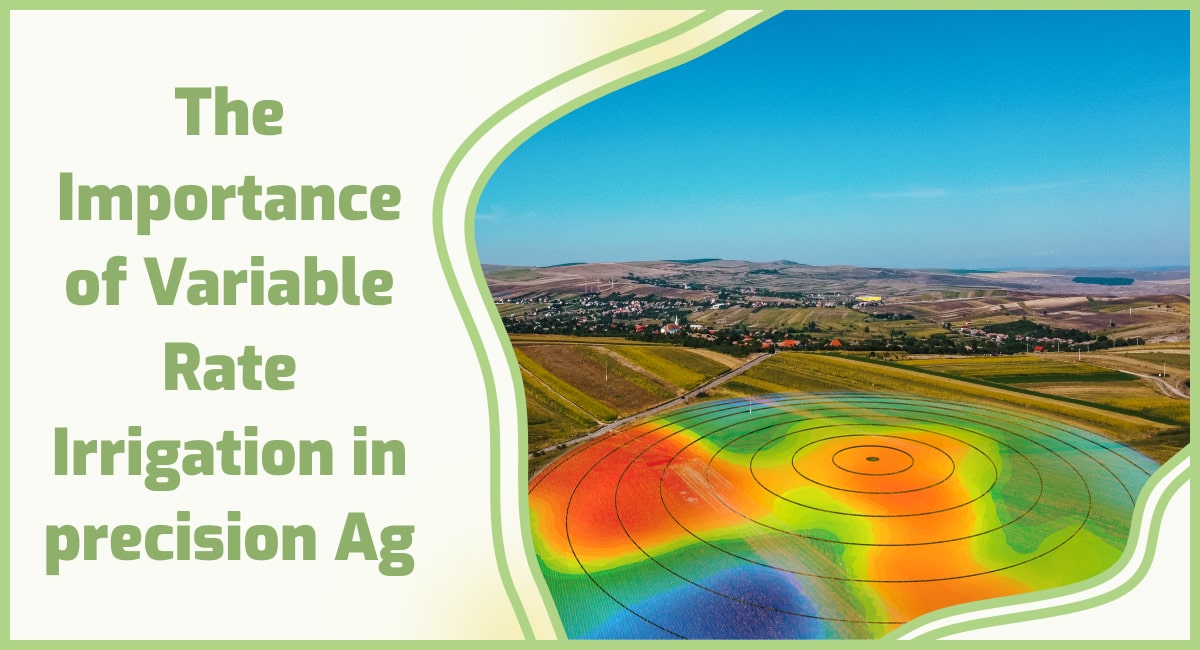
El papel de los métodos de riego de precisión en la agricultura moderna

En el ámbito de la agricultura moderna, donde la demanda de producción de alimentos aumenta constantemente para alimentar a una población mundial en crecimiento, el concepto de riego de precisión ha surgido como un enfoque transformador.

Riego de precisión

Riego de precisión se refiere a la práctica de aplicar agua a los cultivos de manera precisa y específica, optimizando el uso del agua y mejorando el rendimiento de los cultivos al tiempo que se minimiza el desperdicio de agua. Esta técnica innovadora se erige como un faro de esperanza, abordando los desafíos que plantean los métodos de riego tradicionales y anunciando una nueva era de agricultura sostenible.

Su importancia radica en su potencial para revolucionar las prácticas agrícolas y mitigar los apremiantes problemas de escasez de agua e ineficiencia de los recursos. Los métodos de riego tradicionales, que a menudo implican el riego por inundación o por surcos, son conocidos por su desperdicio de agua y distribución desigual.

Estos métodos conducen a un consumo excesivo de agua, causando erosión del suelo, anegamiento y lixiviación de nutrientes, lo que a su vez disminuye el rendimiento de los cultivos y daña el medio ambiente.

¿Qué es el riego de precisión?

Según la Organización de las Naciones Unidas para la Alimentación y la Agricultura (FAO), la agricultura representa aproximadamente el 70% de las extracciones mundiales de agua dulce. De esta cantidad, una porción significativa se desperdicia debido a métodos de riego ineficientes.

El riego de precisión, por otro lado, aborda estos problemas de frente. Al utilizar tecnologías avanzadas como sensores, pronósticos meteorológicos y análisis de datos, los agricultores pueden determinar con precisión las necesidades hídricas de sus cultivos.

Este enfoque basado en datos en tiempo real garantiza que el agua se entregue precisamente dónde y cuándo se necesita, reduciendo significativamente el desperdicio de agua. En consecuencia, se optimiza el rendimiento agrícola y se conservan los recursos hídricos, contribuyendo a prácticas agrícolas sostenibles.

La evidencia científica respalda aún más sus ventajas. Un estudio publicado en el “Journal of Irrigation Science” demostró que el riego de precisión puede generar ahorros de agua de hasta el 40% en comparación con los métodos tradicionales.

Además, investigaciones realizadas por la Universidad de California, Davis, mostraron que puede resultar en una mejora de la calidad de la fruta y un aumento de la rentabilidad para los agricultores.

Tipos de métodos de riego de precisión

Abarca varios métodos y tecnologías, cada uno diseñado para abordar aspectos específicos de la distribución del agua y las necesidades de los cultivos. Estos son algunos de los principales tipos de riego de precisión:

Riego por goteo superficial

El riego por goteo es un sistema preciso de entrega de agua que se aparta drásticamente de los métodos tradicionales de inundación o surco. El principio fundamental gira en torno a la entrega de agua directamente a la zona radicular de las plantas de manera lenta y constante a través de una red de tubos, tuberías y emisores.

Esta aplicación localizada minimiza el desperdicio de agua, la evaporación y la escorrentía, asegurando que las plantas reciban una cantidad óptima de humedad exactamente donde se necesita.

Los sistemas de riego por goteo pueden automatizarse y ajustarse en función de factores como el tipo de suelo, el tipo de cultivo y las condiciones climáticas, adaptando así el suministro de agua a los requisitos específicos de cada planta.

Uno de los ejemplos más llamativos es Israel, una nación que ha aprovechado el riego por goteo para convertir tierras áridas en centros agrícolas productivos. Con un compromiso con la investigación y la innovación, la experiencia de Israel en riego por goteo ha llevado a un ahorro drástico de agua y a un aumento del rendimiento de los cultivos.

Riego por goteo superficial

Más allá de Israel, países de todo el mundo, desde la India hasta los Estados Unidos, han adoptado este método para abordar los desafíos del agua y mejorar la producción agrícola.

Según la Organización de las Naciones Unidas para la Alimentación y la Agricultura (FAO), se estima que los sistemas de microirrigación, incluida la irrigación por goteo, son entre un 30 y un 70% más eficientes en el uso del agua en comparación con los métodos tradicionales.

Además, los informes indican que el riego por goteo puede generar ahorros de agua que oscilan entre un 20%y un asombroso 50%, como se ha demostrado en regiones como el Valle Central de California y los viñedos de Australia.

En China, el riego por goteo ha sido fundamental para aumentar los rendimientos de los cultivos en regiones con escasez de agua. Datos del Ministerio de Recursos Hídricos de China muestran que el riego por goteo ha aumentado la eficiencia en el uso del agua hasta en un 40% en algunas áreas, reduciendo tanto el consumo de agua como los costos de producción.

Además, el Instituto Internacional de Gestión del Agua (IWMI) llevó a cabo investigaciones en África subsahariana, donde la escasez de agua dificulta la agricultura.

El estudio encontró que la adopción del riego por goteo junto con prácticas agronómicas adecuadas puede conducir a aumentos en el rendimiento de hasta 130% para diversos cultivos como tomates, cebollas y maíz, lo que ilustra el potencial transformador de este método.

2. Riego por Microaspersión

El riego por microaspersión, también conocido como riego por aspersión de bajo volumen, ofrece un enfoque localizado para la entrega de agua que se sitúa entre los métodos tradicionales de riego por aspersión y goteo.

El sistema emplea una red de emisores de bajo caudal y alta presión que dispersan agua en forma de finas gotas, simulando una lluvia suave. Esta aplicación meticulosa de agua minimiza la evaporación y la deriva, a la vez que proporciona una cobertura completa a los cultivos.

A diferencia de los aspersores tradicionales que pueden desperdiciar agua por pulverización excesiva, el riego por microaspersión se centra en la eficiencia y la precisión, satisfaciendo las necesidades hídricas únicas de las plantas.

El riego por microaspersión ha ganado atención a nivel mundial como una solución viable para la agricultura sostenible, particularmente en regiones propensas a la escasez de agua. Países como India y España han adoptado este método para optimizar los recursos hídricos y mejorar la productividad de los cultivos.

Los microaspersores han permitido a los agricultores dirigir el agua directamente a la zona radicular, promoviendo plantas más sanas y reduciendo el desperdicio de agua.

Microaspersor

La investigación del Centro Internacional de Investigación Agrícola en Zonas Áridas (ICARDA) sugiere que los sistemas de riego por microaspersión pueden lograr ahorros de agua que van del 20% al 50% en comparación con los métodos convencionales de riego por aspersión.

Un estudio realizado por el Consejo Indio de Investigación Agrícola (ICAR) demostró que los sistemas de microaspersión condujeron a una mayor eficiencia en el uso del agua y al rendimiento de los cultivos en comparación con el riego por inundación tradicional.

Además, la revista “Journal of Horticultural Science and Biotechnology” publicó una investigación que demostró el impacto positivo del riego por microaspersión en el cultivo de tomate. El estudio reveló que los sistemas de microaspersión mejoraron el rendimiento y la calidad de los frutos al mantener niveles óptimos de humedad del suelo y prevenir enfermedades del cultivo inducidas por el estrés.

3. Riego por goteo subterráneo

El riego por goteo subterráneo, a menudo denominado SDI, es un enfoque revolucionario que suministra agua directamente a la zona de las raíces de las plantas bajo la superficie del suelo. El sistema consta de tuberías enterradas con emisores espaciados estratégicamente a lo largo de sus longitudes.

Estos emisores liberan agua en cantidades precisas, garantizando un suministro constante y específico a la zona radicular de la planta. Este método único reduce la evaporación del agua, minimiza el crecimiento de malezas y evita el contacto del agua con el follaje, reduciendo el riesgo de enfermedades.

El riego por goteo subterráneo es particularmente ventajoso en regiones áridas donde la conservación del agua es de suma importancia. Países de todo el mundo, desde Estados Unidos hasta Australia, han adoptado sistemas de riego por goteo subterráneo para maximizar el rendimiento de los cultivos y minimizar el desperdicio de agua.

Riego por goteo subterráneo

Israel, una nación conocida por sus técnicas pioneras de riego avanzado, también ha adoptado el riego por goteo subterráneo para hacer frente a los limitados recursos hídricos. La investigación realizada por el Servicio de Extensión AgriLife de la Universidad de Texas A&M destaca que el riego por goteo subterráneo puede generar ahorros de agua de hasta un 50% en comparación con los métodos tradicionales de riego superficial.

Además, la Publicación Internacional de Ingeniería Agrícola y Biológica publicó una investigación que exploró el impacto del riego por goteo subterráneo en el cultivo de trigo. El estudio destacó que los sistemas de riego por goteo subterráneo mejoraron la uniformidad de la distribución del agua, lo que condujo a un crecimiento más uniforme de los cultivos y a una mejora del rendimiento.

4. Riego Móvil de Precisión

El riego móvil de precisión, también conocido como riego automatizado o robótico, representa una evolución de los sistemas de riego estacionarios tradicionales. Este enfoque dinámico implica el uso de plataformas móviles equipadas con sensores, tecnología GPS y análisis de datos para entregar agua de manera precisa a los cultivos.

Estas plataformas pueden ser vehículos autopropulsados, drones o incluso tractores autónomos. La tecnología permite el monitoreo en tiempo real de los niveles de humedad del suelo, las condiciones climáticas y la salud de las plantas, lo que permite una aplicación de agua oportuna y eficiente.

La irrigación móvil de precisión ofrece una flexibilidad sin igual para adaptarse a las condiciones cambiantes del campo y optimizar la distribución del agua. Países como los Países Bajos, conocidos por sus innovadoras prácticas agrícolas, han adoptado la irrigación móvil de precisión para mejorar los rendimientos de los cultivos al tiempo que minimizan el desperdicio de agua.

Riego Móvil de Precisión

Un estudio realizado por la Universidad de Nebraska-Lincoln reveló que el uso de riego automatizado redujo el consumo de agua hasta en un 50% en comparación con los métodos de riego tradicionales.

Además, el Servicio de Investigación Agrícola del Departamento de Agricultura de los Estados Unidos informó que los sistemas de riego móvil de precisión pueden lograr ahorros de agua que oscilan entre el 30%y el 50%, dependiendo de los cultivos y las condiciones del suelo.

Además, investigaciones de la Universidad de Florida demostraron que los sistemas de riego móvil de precisión no solo reducen el consumo de agua, sino también el uso de energía, lo que disminuye los costos operativos generales para los agricultores.

5. Riego de tasa variable (VRI)

El riego de tasa variable, también conocido como VRI (Variable Rate Irrigation por sus siglas en inglés), representa una desviación significativa de las prácticas de riego tradicionales. A diferencia del riego uniforme, el VRI implica la aplicación dirigida de agua a diferentes áreas dentro de un campo basándose en las necesidades específicas del cultivo, las características del suelo y otras variables.

Esto es posible gracias a la integración de tecnologías avanzadas, como el GPS y sensores, que permiten a los agricultores ajustar la distribución del agua en tiempo real.

Países de todo el mundo, desde Estados Unidos hasta Australia, han adoptado VRI como una herramienta para mejorar el rendimiento de los cultivos mientras minimizan el impacto ambiental del uso excesivo de agua. Los informes del PrecisionAg Institute indican que VRI puede generar ahorros de agua que van desde un 10% hasta un 30% en diversos cultivos y regiones.

Además, la Sociedad Estadounidense de Ingenieros Agrícolas y Biológicos realizó una investigación sobre el impacto de la VRI en el cultivo de algodón. Los hallazgos indicaron que la VRI condujo a una mejora en el rendimiento y la calidad de la fibra, mostrando su potencial para mejorar los resultados económicos y ambientales.

6. Fertirrigación

La fertirrigación, una combinación de “fertilización” y “riego”, representa un enfoque revolucionario para la nutrición de cultivos. A diferencia de los métodos tradicionales que implican la aplicación de fertilizantes por separado del agua, la fertirrigación consiste en inyectar fertilizantes directamente en el sistema de riego.

Esto permite que los nutrientes se entreguen directamente a la zona radicular de las plantas, optimizando su absorción y utilización. La fertirrigación se habilita mediante equipos especializados como sistemas de goteo, aspersores o incluso configuraciones hidropónicas.

Este enfoque integrado asegura que las plantas reciban nutrientes justo cuando los necesitan, lo que resulta en un crecimiento, rendimiento y salud general mejorados.

Fertirrigación, una combinación de fertilización y riego

La Asociación Internacional de Fertilizantes (IFA) informa que la fertirrigación puede conducir a un aumento sustancial en los rendimientos de los cultivos, que a menudo oscilan entre el 20%y el 100% , dependiendo del cultivo y las condiciones ambientales.

The United Nations estimates that approximately 50% of applied fertilizers are lost to various forms of inefficiency, including runoff and volatilization. Fertigation addresses this issue by delivering nutrients directly to the root zone, minimizing losses and optimizing plant nutrient uptake.

Además, un estudio publicado en el “Journal of Soil Science and Plant Nutrition” enfatizó que la fertirrigación puede reducir la lixiviación de nutrientes, un fenómeno que contribuye a la contaminación del agua y a la degradación ambiental.

7. Percepción Remota y Control Automático

Tecnologías como sensores, estaciones meteorológicas e imágenes satelitales se utilizan para monitorear la humedad del suelo, las condiciones climáticas y la salud de los cultivos. Los sistemas de control automatizado luego ajustan el riego en función de los datos en tiempo real, optimizando la entrega de agua.

Estos controladores utilizan datos meteorológicos en tiempo real para ajustar los programas de riego, teniendo en cuenta las tasas de evapotranspiración y la precipitación. Algunos de los otros enfoques relevantes que se utilizan son:

  • Riego por Aspersión Localizado: Este enfoque emplea aspersores aéreos de baja presión para proporcionar agua a áreas específicas de un campo. Es eficiente para cultivos con diferentes requerimientos de agua o disposiciones irregulares del campo.
  • Sensores de dosel Estos sensores miden la reflexión de la luz del dosel del cultivo para estimar el estrés hídrico del cultivo. Esta información se utiliza para ajustar los horarios y las cantidades de riego.
  • Tensiómetros de suelo: Estos dispositivos miden la tensión del suelo, indicando cuánto esfuerzo deben hacer las raíces para extraer agua del suelo. Los agricultores pueden utilizar esta información para determinar cuándo regar.

Beneficios del riego de precisión

El riego de precisión ofrece una multitud de beneficios que contribuyen a prácticas agrícolas más eficientes y sostenibles. Aquí están algunas de las ventajas clave:

1. Eficiencia y Conservación del Agua: Minimiza el desperdicio de agua al entregarla directamente a las raíces de las plantas, reduciendo la evaporación y la escorrentía. Este enfoque dirigido garantiza que el agua se utilice de manera eficiente, conservando este valioso recurso y promoviendo una gestión sostenible del agua.

2. Mejora del rendimiento y la calidad de los cultivos: Al mantener niveles óptimos de humedad del suelo y prevenir el estrés hídrico, fomenta el crecimiento saludable de las plantas. Esto se traduce en una mejora del rendimiento de los cultivos, la calidad y la productividad agrícola general.

Prácticas ecológicas. Reduce el impacto ambiental de la agricultura al minimizar la escorrentía de agua y la lixiviación de nutrientes y productos químicos en los ecosistemas. Este enfoque sostenible contribuye a suelos, cuerpos de agua y entornos circundantes más saludables.

Ahorro de energía Estos métodos requieren menos energía para la distribución de agua en comparación con los métodos convencionales. Esto conduce a una reducción del consumo de energía y a menores costos operativos para los agricultores, lo que está en consonancia con las prácticas agrícolas de eficiencia energética.

5. Gestión Nutricional Personalizada: La integración del riego de precisión con estrategias de fertilización permite a los agricultores proporcionar nutrientes directamente a las raíces de las plantas. Este enfoque dirigido optimiza la absorción de nutrientes, minimiza el desperdicio de nutrientes y reduce el riesgo de contaminación por nutrientes.

6. Control Eficiente de Malezas y Plagas: Limita la disponibilidad de agua para las malas hierbas, reduciendo su crecimiento y competencia con los cultivos. Además, al mantener más secas las hojas de las plantas, dificulta la proliferación de plagas y enfermedades, lo que conduce a un control de plagas más eficaz.

Beneficios del riego de precisión

7. Adaptabilidad a la Variabilidad del Campo: Los campos a menudo exhiben variaciones en el tipo de suelo, la topografía y la salud de los cultivos. Se adapta a estas diferencias, asegurando que cada área del campo reciba la cantidad correcta de agua, promoviendo un crecimiento uniforme de los cultivos.

8. Toma de Decisiones Basada en Datos: Utilizando tecnologías avanzadas como sensores y datos meteorológicos, el riego de precisión empodera a los agricultores con información en tiempo real. Este enfoque basado en datos permite tomar decisiones informadas sobre la programación del riego, optimizando la asignación de recursos y la gestión de cultivos.

9. Resiliencia climática: Ante los cambiantes patrones climáticos debidos al cambio climático, se equipa con capacidades de pronóstico meteorológico para ajustar las prácticas de riego en consecuencia. Esto ayuda a mitigar los riesgos y a garantizar una producción agrícola constante.

10. Sostenibilidad a Largo Plazo: Se alinea con los principios de la agricultura sostenible. Promueve la gestión responsable de los recursos, preserva la salud del suelo, reduce los impactos ecológicos y contribuye al bienestar general de los ecosistemas agrícolas.

Incorporar estas prácticas no solo beneficia a los agricultores a través de una mayor eficiencia y rendimiento, sino que también protege el medio ambiente y apoya la viabilidad a largo plazo de la agricultura en un mundo en rápida transformación.

Componentes de los sistemas de riego de precisión

Estos componentes trabajan juntos para optimizar el uso del agua, mejorar el crecimiento de los cultivos y promover la agricultura sostenible a través de sistemas de riego de precisión. Algunos de los componentes básicos son:

1. Sensores y dispositivos de monitoreo:

  • Los sensores miden la humedad del suelo, la temperatura y la humedad.
  • Los dispositivos de monitoreo proporcionan datos en tiempo real para tomar decisiones de riego informadas.

2. Sistemas de Control:

  • Las unidades de control procesan datos de sensores y automatizan los programas de riego.
  • Aseguran la entrega precisa de agua en función de las condiciones del campo.

Componentes de los sistemas de riego de precisión

3. Mecanismos de Suministro de Agua:

  • Las líneas de goteo, microaspersores o aspersores localizados aéreos entregan agua directamente a las raíces de las plantas.
  • Minimiza el desperdicio de agua y optimiza la hidratación de las plantas.

4. Estaciones meteorológicas y pronóstico:

  • Las estaciones meteorológicas recopilan datos meteorológicos locales.
  • La previsión informa el momento del riego basándose en las condiciones climáticas.

5. Sistemas de Información Geográfica (SIG):

  • La tecnología SIG crea mapas de campo con datos de topografía y tipo de suelo.
  • Ayuda a adaptar los planes de riego a la variabilidad del campo.

6. Válvulas y Bombas Automatizadas:

  • Las válvulas y bombas regulan el flujo de agua dentro del sistema.
  • Se integra con sistemas de control para una distribución precisa del agua.

7. Análisis de Datos y Software:

  • El software procesa datos de sensores y del clima.
  • Genera información para estrategias de riego óptimas.

8. Tecnología de Riego de Tasa Variable (VRI):

  • La VRI ajusta la aplicación de agua basándose en la variabilidad del campo.
  • Personaliza el riego para diferentes áreas del campo.

9. Herramientas de Teledetección e Imagen:

  • La imaginería satelital y los drones monitorean la salud de los cultivos y la distribución del agua.
  • Identifica áreas que necesitan ajustes.

10. Aplicaciones Móviles y Acceso Remoto:

  • Las aplicaciones móviles ofrecen control y monitorización en tiempo real.
  • Permite la gestión remota para ajustes oportunos.

11. Sistemas de Fertirrigación:

  • Integra el riego con la aplicación de nutrientes.
  • Dirige los nutrientes a las raíces de las plantas para una absorción eficiente.

12. Alarmas y Notificaciones:

  • Las alertas del sistema notifican sobre anomalías o fallos.
  • Asegura respuestas rápidas para prevenir daños en los cultivos.

Desafíos y Limitaciones en el Riego de Precisión

A medida que el mundo abraza la era de la agricultura de precisión, las promesas de un mayor rendimiento de los cultivos, eficiencia de los recursos y prácticas sostenibles son tentadoras. Sin embargo, el camino hacia la implementación de tecnologías de riego de precisión no está exento de desafíos.

1. Inversión inicial: Equilibrando coste y beneficio

Uno de los principales desafíos para adoptar tecnologías de riego de precisión es la inversión inicial sustancial requerida. La implementación de sistemas de riego avanzados, sensores, herramientas de análisis de datos y otra infraestructura de apoyo puede exigir un compromiso financiero considerable.

Los sistemas de riego de precisión generan grandes cantidades de datos

Si bien estas tecnologías ofrecen beneficios a largo plazo, como ahorro de agua y aumento del rendimiento de los cultivos, los costos iniciales pueden ser un obstáculo para muchos agricultores, especialmente aquellos en regiones con recursos limitados.

Para abordar este desafío, los gobiernos, las organizaciones agrícolas y los actores del sector privado deben colaborar para proporcionar incentivos financieros, subsidios u opciones de financiamiento asequibles para hacer que sus tecnologías sean accesibles a un rango más amplio de agricultores.

Destacar los rendimientos de inversión a largo plazo y mostrar historias de éxito de quienes han superado la barrera de la inversión inicial también puede fomentar una adopción más amplia.

2. Conocimientos técnicos: Cerrando la brecha de conocimiento

La integración de la tecnología en la agricultura requiere que los agricultores adquieran nuevas habilidades y conocimientos. Muchos agricultores, en particular los de generaciones mayores, pueden carecer de la experiencia técnica necesaria para operar y gestionar sistemas de riego de precisión de manera efectiva.

Comprender las complejidades de los sensores, el análisis de datos y la calibración del sistema puede ser desalentador. Abordar este desafío requiere programas educativos y de capacitación adaptados a las necesidades específicas de los agricultores.

Los servicios de extensión agrícola, los talleres, los cursos en línea y la colaboración con las universidades agrícolas locales pueden capacitar a los agricultores con las habilidades necesarias para navegar sus complejidades.

3. Gestión de Datos: Toma de Decisiones Inteligente

Los sistemas de riego de precisión generan grandes cantidades de datos, incluyendo niveles de humedad del suelo, patrones climáticos e indicadores de salud de los cultivos. Administrar y analizar estos datos de manera efectiva puede ser abrumador, especialmente para los agricultores a menor escala sin acceso a herramientas sofisticadas de análisis de datos.

El riesgo de sobrecarga de información es real y, sin estrategias adecuadas de gestión de datos, sus beneficios potenciales podrían perderse. Para abordar este desafío, son esenciales el software y las plataformas fáciles de usar que simplifiquen el análisis e interpretación de datos.

La integración de soluciones basadas en la nube, algoritmos de aprendizaje automático y paneles de control fáciles de usar puede ayudar a los agricultores a tomar decisiones informadas sin sentirse abrumados por la complejidad de los datos. Además, fomentar la colaboración entre agricultores y expertos en datos puede dar lugar a soluciones personalizadas que satisfagan las necesidades específicas de la granja.

Conclusión

El riego de precisión se erige como una solución innovadora a los desafíos agrícolas modernos, adoptando técnicas como el riego por goteo, los microaspersores, los sistemas subterráneos, el riego móvil de precisión y los métodos de tasa variable. La adopción mundial, respaldada por datos y ciencia, resalta su impacto transformador. Superar desafíos como los costos iniciales, las habilidades técnicas y la gestión de datos requiere esfuerzos colaborativos. Es el puente hacia un futuro sostenible, uniendo tecnología y agricultura para asegurar alimentos y al mismo tiempo conservar recursos.

Types of green roof irrigation systems and their organization

Environmental campaigns and even considerations are uplifting the use of green roofs. As opposed to hard construction materials such as tiles, green roofs are known to more importantly lower the rainwater run-off hence lowering flood problems. Complex rooftop irrigation systems are capable of holding up to about 90% of the rainwater and also even the thinnest complex green roof system holds up to 40% of the rainwater.

Alongside that, the remaining 60% of the rainwater is more likely to run off rather slowly as compared to when on a conventional roof. Green roofs are also known to offer important cover in lowering heat transfers and even reduction of noise.

Besides increasing diversity, offering a habitat for both the animals and even plants, all green roofs are most likely to heighten air quality by filtering airborne dust particles and even other pollutants. All green roof design is simply the compromise of offering both the plants and grass adequate soil to thrive unattended and also ensuring the roof weight is down.

Since the soil possesses a high density, the price for making roof structures goes up based on the more depth of soil needed. With that in place, several designs are more likely to embrace the use of the minimum amount of soil and even special mixes involving compost to lower the weight.

From a horticultural point of view, a shallow depth and the exposed aspect make the soil dry up very fast resulting to plant stress and even failure. Types of green roof irrigation systems and their organization. There are only two basic types of green roof design.

Intensive roof systems

This kind of system is always used where an accessible garden environment is needed. Structures that include water features, planters, benching, and also trees are all included in this design.

Here, the soil depth is always deeper making it a necessity for the roof structure to be stronger to withstand the extra weight. Again, complete maintenance is needed with this kind of design since a more varied plant type is always used.

Types of green roof irrigation systems

Extensive roof systems

This is always initiated whenever the environmental benefits of a green roof are needed. Sedums that are also known as low growing drought resistible plants are pre-sewn into a blanket are always used more so due to their high tolerance and also their lightweight construction.

Alongside all that, they also need slight maintenance hence are seen to be cheap when it comes to maintenance.

Irrigation methods

These will always depend based on the application among other aspects; however, there are two main types. They include:

1. Sprinklers

They are always used in intensive roof systems. When the roof depths are extremely shallow, supply pipework is placed on the gravel margin or even on raised beds across all the edges found in the lawn.

The ancient lawn-based sprinklers of the pop-up kind are always situated around the outer perimeter in the grass area, spraying all the way to the lawn area. These kinds of sprinklers are known to have amazing coverage and can also be used to spray the grass on their earlier days when laid.

As for the lawns that have greater soil depth, the pop-up sprinklers can be perfectly placed into the lawn area, and they will then work in the same way as sprinklers in an ancient lawn.

2. Driplines

For extensive green roofs, they are always equipped with a dripline system that directly targets the root zone. You also need to be aware that it should not be installed when the green roof is being installed.

A special dripline is always used, where it is made to move all the way to the root zone – and also several ordinary drip pipes will always clog when used to perform such kinds of operations. Original individual drippers also come along with a compensation device built to ensure that, even if the roof elevates, each of the drippers is capable of offering a similar amount of water.

Driplines are also laid below the soil surface at the root level. Based on application, driplines are laid along the roof in lines that have 300 to 400m intervals. As for the Sedum blankets, two lines of dripline are always the only requirements for wetting the capillary kind of matting and not the sedums – one above the slope and also another one halfway down.

For intensive roof gardens that planters or even shrub borders are placed, they all have to be dealt with using the driplines that are placed on the surface (usually beneath mulch) of the bed. When it happens that there are pots and even urns in the roof area, they can be watered through individual drippers found in each of the pots.

3. Pressurization and control units

Due to the irrigation location such as high level, a pressurized water supply will be needed so that water can be evenly distributed. Water regulations always need a kind of ‘A’ air brake on all of the irrigation systems. That can be derived from a compatible pressurized supply within a given building or even a dedicated built pressurization unit.

The latter is always pre-assembled and also has a built-in water storage tank equipped with an air gap, controller, and also pressure pump. This unit is always situated in a pump room at a lower level. Copper or MDPE pipework is always moved from its location all the way to the roof level.

All that is needed here is a mains water and 230v power supply as an additional requirement. The controller can always be programmed to conduct the irrigation automatically either daily, or even weekly for a certain period of time and it can also be manually operated whenever a need be.

The extra sensor can also be placed whenever needed – this will simply reduce or even prevent watering whenever it rains.

A few tips for creating a green rooftop irrigation system

Below is a list and descriptions of some of the tips or considerations that you need to keep in mind when creating a green roof irrigation system:

Weight considerations

You need to rest assured that all of the things that you have built on your roof are perfectly supported. To do avoid problems from this, you need to prevent concentrating much of the weight on small areas through the use of wood and even PVC frames that are capable of spreading the weight across a larger area.

Be informed that when you fail to enforce proper support, there are higher chances of your roof leaking or even collapsing leading to an expensive fix the damage.

When to water

Regardless of the mechanism that you use, there is always a given time for watering. You need to know that no matter what, you should not water your plants in the middle of the day since it will only make them wilt or even burn.

Tips for creating a green roof irrigation system

The best time that you may adopt for watering your plants is usually 3 hours immediately after the sunrise and also 3 hours before the sunset. When you stay in areas that are very dry, then, the best time for watering your plants needs to be during the evening since it offers plants and the soil adequate time to absorb the water before it evaporates.

Homemade irrigation

You can always choose to use the rolled tubing to build a simple irrigation system. You can also channel the drainage to a central recycling vessel where it is strained and then pumped back to the plants.

Debris that is sifted can also be evenly distributed above the rooftop garden. Embrace a cheaper pump to bring about water distribution, and also set it on a common wall timer.


Preguntas frecuentes


1. How to make rooftop lawn?

To create a rooftop lawn, follow these steps:

  • Check the structural integrity: Ensure that your rooftop can support the weight of a lawn. Consult with a structural engineer if needed.
  • Install a waterproof membrane: Apply a waterproof layer to prevent water leakage into the building. This is crucial to protect the structure.
  • Build a drainage system: Install a proper drainage system to prevent water pooling. Use drainage mats, perforated pipes, and a waterproofing membrane to facilitate water runoff.
  • Choose appropriate soil and grass: Select lightweight soil or soilless media that promotes drainage. Choose grass varieties suitable for rooftop conditions, such as drought-tolerant and low-maintenance species.

Remember to consider local regulations, seek professional advice, and maintain the lawn regularly to ensure its longevity and health.

2. Do roof sprinklers work?

Roof sprinklers can be effective in certain situations. They can help cool the roof surface and reduce the risk of fire spreading in wildfire-prone areas. Roof sprinklers work by wetting the roof and surrounding areas, creating a moisture barrier.

However, their effectiveness depends on factors such as water availability, system design, and maintenance. It’s important to consult with fire experts and local authorities to determine if roof sprinklers are appropriate and effective for your specific location and circumstances.

Regular testing and maintenance are crucial to ensure their functionality when needed.

3. What is the necessity of irrigation?

Irrigation is necessary for plant health, agriculture, and landscape maintenance. It provides a reliable water supply during dry periods, promoting optimal growth.

It enables crop cultivation in regions with limited rainfall, increasing food production. Additionally, irrigation keeps lawns and gardens hydrated, preventing wilting and maintaining attractive outdoor spaces.

Algunos datos importantes sobre el riego de tasa variable

Irrigation plays an integral role in our crop growth, health, and productivity. Yet, we often give little attention to it. We give utmost priority to pests and weed control, fertilizers application, crop monitoring, soil analysis, etc.

Good, but those amendments without irrigation are like fueling a car without starting the engine; It won’t move. The same is applicable here. Other practices will only be efficient when proper irrigation is in place.

Irrigated land produces abundant and higher yield crops when compared to dryland. Statistically, 17% of irrigated agriculture produces 40% of the global food. Irrigation improves yields, enhances profitable harvest, and helps soil structure if it is done perfectly.

Due to variability in soil types and crop requirement of water, doing manual irrigation on your crops may be overwhelming and nerve-wracking especially if it’s a large farm. To ease this process, a cutting-edge technology called VRI (Variable Rate Irrigation) is introduced.

Some important Facts About Variable-Rate Irrigation

It was initially introduced to aid large-scale farming in the early 2000s. Nowadays, variable rate irrigation is used on any type of farm because of the problems of unforeseeable rainfall patterns, variation of soil type and crop conditions, and the need to fast-track useful management decisions concerning nutrients and water.

What is Variable Rate Irrigation?

It’s an innovative technology that distributes water to plants at the right amount and at the right interval to satisfy the plant’s demand for water.

Since the water requirement of plants and soil varies, VRI permits the Central Pivot irrigation system, using GPS (Global Positioning System) and GIS (Geographic Information System) technologies to determine the specific amounts of water to be applied to each area of ​​the land.

Applying water uniformly to a field can make some areas watery while some will be dehydrated. Through VRI, you can supply water to every region of your farm without over-watering or under-watering the land. Although using it promises efficient use of water, it doesn’t necessarily mean little water will be consumed.

Components of a Variable rate irrigation System

A VRI system has the pivot irrigation system incorporated with the following characteristics;
Sprinkler control valves that spray water according to the instructions given by the control signal.
A Global Positioning System that tells us the position of the system within the field.

A user interface that finishes the field mapping and establishes the system. A controller that instructs or directs each sprinkler or all of the sprinklers. Also, It can be used to change the acceleration of the irrigation.

How does variable-rate irrigation reduce climate-related risks?

By implementing a VRI system, there are two ways to optimize water consumption on your farm. Firstly, by allocating a substantial amount of the water to soil with low holding-water capacity while leaving out areas without crops.

Secondly, lowering water application in marginal areas that require little irrigation or soil with high retention capacity e.g clay soil. A report by (Sadler et al. 2005) suggests that it has saved up 8 – 20% in water usage more than uniform irrigation.

With a VRI system in place, irrigated plants are less prone to climate-related risks because they are well-watered which arise owing to proper management of water thereby making plants unaffected by drought.

Benefits of VRI on Agriculture and Production

Since its water consumption is lower than the uniform irrigation, It saves cost by reducing the amount spent on water usage and pumping.

It aids yield and productivity improvement due to the irresistible nature of irrigated crops against pests and disease and other crop-related issues

It minimizes nutrient loss in soil by leaching and improves soil health. Since it controls leaching, soil salinity conditions and drainage is strengthened.

What are the Barriers to Implementation?

Inadequate knowledge about the system and lengthy period used in learning how to operate the system.

Maintenance cost – employment of labor for troubleshooting and repair. Additional costs on other field equipment are needed for the system to function such as buying in-field sensors and data processing fees. Sometimes, farmers may have difficulty adjusting to improvements in the system.

How does it work?

While demand for food production has highly increased over years, the need for proper irrigation in agriculture is more than what a man can comprehend. The need for a better water management system prompts the introduction of VRI (variable-rate irrigation).

It has aided modern agriculture in various ways. It’s an automated technology that uses a central pivot irrigation system to supply water to plants at the demanded rate. It is recommended a minimum of four zones control the VRI section.

Algunos datos importantes sobre el riego de tasa variable

Zones are created automatically and manually with the help of 30-year history imagery of soil (agrochemical analysis, scanners data, EC, moisture), and topography data.

GeoPard helps you properly distribute the agricultural inputs such as fertilizing, crop protection, seeding, irrigation, etc. for better crop yield.

Beneficios de un sistema de riego inteligente para la agricultura

More than a billion gallons of water are utilized each day in the United States for landscape irrigation. A large portion of the water utilized is squandered due to overwatering because of conventional wasteful Irrigation systems. To successfully battle this issue, Smart Irrigation systems are the solution.

What is smart irrigation?

Smart irrigation systems for farming modify timings and schedule of watering automatically to accomplish specific soil needs. These systems increase water use efficiencies significantly.

The conventional irrigation systems used to work on a set programmed schedule with preset timers, whereas smart water system frameworks screen a variety of variables, for example, soil conditions, weather, plant water use, and evaporation to change watering plans.

This increases efficiency while additionally keeping up with soil wellbeing.

How do irrigation controllers work?

At the point when there is an increase in outside temperature or an absence of rainfall, smart watering controllers consider explicit factors, for example, sprinkler throw rate and soil type to modify watering plans.

There are a few features of smart irrigation control frameworks that can be utilized to accomplish efficiency and conserve water. Smart watering systems for farming are created to irrigate in view of the water necessity of the plant, this maximizes efficiency while older traditional irrigation systems used to work with preset timings squandering a lot of water.

Smart irrigation systems are available as all-inclusive complete systems as well as separate controllers which can be added to existing systems to upgrade them to smart irrigation systems.

As these controllers come in an assortment of designs, they can be optimized for specific uses. They can be introduced to irrigate little, residential landscapes as well as enormous regions with fluctuating landscapes.

Although these frameworks are automated, because of changes in certain elements, they should be monitored and adjusted occasionally to keep up with efficiency and guarantee appropriate working.

How does smart irrigation system for farming work?

Smart watering systems work by gathering information from various sensors and analyzing it to make changes in water timings and water streams. These frameworks work by some predefined user information sources like moisture threshold.

The system gathers information from a moisture sensor, then, at that point, analyzes it to decide whether the moisture limit set by the client is reached, if it has, it relays the order to actuators which then turn the sprinklers off.

Moreover, the client can likewise control the framework by means of a smartphone application on the go. The framework can likewise change schedules by breaking down weather information and can likewise decide when it is ideal to water to keep the plants healthy.

Features of Smart Irrigation

1. Water system Scheduling

Planning a get-away? With smart water irrigation, you can set how the system functions ahead of time. scheduling proves to be useful with these systems.

While the frameworks screen and control the water system of the landscape, you can find peace of mind realizing that you will get back to a landscape filled up with healthy plants. You can buy systems with specific features which suit your scheduling needs.

2. Remote Control

While individuals are reluctant to buy systems that work off of smartphone applications as they are not satisfied with applications, these frameworks have progressed significantly, as with most current gadgets, these frameworks additionally have a consistent network and give extraordinary connection through Wi-Fi and different means.

Assuming you are OK with a legitimate handheld gadget, there are systems that come with a physical remote that you can use for your convenience. The controllers come equipped with LED lights to indicate if the system is working or what mode it is working in.

The controller with a smartphone application additionally provides you with the component of controlling it from anywhere you are with the assistance of the application.

You can tweak the water system all through various landscapes by utilizing custom presets over valves inundating various sorts of plants. You can make zones with one or numerous valves giving you control to customize the water system over various regions.

3. Notifications

With smart water system frameworks, you can get advised of essentially whatever happens to the landscape. You will get notified when the irrigation begins and when it stops.

The framework tells you if there is an error in the water system, a few systems additionally let you know whether there is leakage in your water system framework. Find the controller which best suits your needs and has the features that you require.

4. Smarter Irrigation

A few regulators come furnished with weather monitoring which can change irrigation schedules in advance assuming it is expected to rain. This way you don’t have to stress over your plants getting over-watered, and don’t need to physically switch off the framework.

5. Inoperability

Although significant enhancements have been made to improve these frameworks, at this point most economically accessible frameworks can’t connect with smart home gateways and other smart home gadgets.

There are models available which do come equipped with connectivity ability, but they are limited as of now. Organizations are chipping away at this next step and soon you can hope to see most if not all these systems are equipped with smart home connectivity.

Before you buy a smart irrigation system for farming, you need to research what sort of eccentricities and features you need in your system. These systems are customizable, and you can find one to be as per your necessities and your spending plans.

There are a few controllers which incorporate every one of the extravagant features yet they are on the more costly side and you probably won’t need that number of features, so research a little prior to settling on a purchasing choice.

Benefits of Smart Watering Systems

Smart irrigation systems use sensors and real-time weather information to expand efficiency which was a major issue with conventional irrigation control systems that can squander up to half of the water used.

Smart irrigation systems use sensors and real-time weather information

These frameworks likewise give better plant care as they can detect soil moisture and keep up with it for the best plant wellbeing.

There are two fundamental parts of the smart irrigation frameworks. There is an irrigation control type and a delivery type. The delivery type involves the sort of water delivery framework utilized.

The system additionally works off of two distinct kinds of analytic inputs, there is the soil-based system and the weather-based system. These frameworks direct the working of the entire unit.

The soil-based irrigation systems work off of tangible information given by an assortment of sensors inside the ground which is broken down to make decisions about the time and volume of irrigation required.

These sensors incorporate moisture sensors among different sensors, these systems can be set to detect moisture limits set by the client for specific kinds of plants that can be customized by plant type over an enormous landscape.

While the system works to reach the threshold, it can likewise identify soil moisture in specific conditions and irrigate areas differently if some pieces of land get more direct sunlight and require more water.

The weather-based smart watering systems work on analyzing the weather data from reliable weather sources, historical data, and sensors to make decisions about watering schedules.

A weather-based irrigation framework is otherwise called an ET framework or an evapotranspiration framework, as it recognizes and counters for loss of water from the land through evaporation or plant transpiration.

The watering schedule for a weather-based system accounts for a variety of factors to make a decision, for example, local temperature, wind, humidity, and the insolation state of the landscape.

Probably the best benefit of the smart irrigation system for farming is that it additionally helps increase the efficiency in the delivery frameworks for watering. There are 4 common ways of water delivery in smart watering systems: surface, subsurface, stream, and sprinklers.

Traditionally, the surface water system is the most commonly utilized strategy, it has been broadly utilized all through the world, and it includes the utilization of little trenches and streams on a surface level to deliver water with the assistance of gravity.

Sprinklers toss water in the air with high pressure, so it reaches greater distances and distributes water among the plants like rain. Sprinklers can be fixed on the ground or can be in mobile arrangements.
Trickle irrigation works by installing networks of water lines locally through plants, which then drip water very slowly keeping the plants moist over longer periods of time while conserving water.

Subsurface irrigation works by burying water lines close to plant roots throughout the landscape, which provides water directly to the plant roots below the surface. This method is known to maximize the efficiency of water use, as being buried in the ground it is not prone to water evaporation.


Preguntas frecuentes


1. How to irrigate soil?

To irrigate soil effectively, there are a few essential steps to follow. Begin by assessing the water needs of your plants, considering factors such as their specific requirements and environmental conditions.

Next, select the appropriate irrigation method, taking into account factors like the size of the area and available resources. Water at the optimal time to minimize evaporation, typically early morning or late evening.

Finally, ensure even water distribution across the soil surface or root zone. Regular monitoring and adjustments will help maintain effective soil irrigation.

2. What is the example of subsurface irrigation?

An example of subsurface irrigation is the use of buried drip lines or drip tubing. In this method, perforated pipes or tubes are installed beneath the soil surface, delivering water directly to the root zone of plants.

The water seeps out slowly and evenly, minimizing evaporation and reducing water loss. Subsurface irrigation is commonly used in agriculture, landscapes, and gardens to provide efficient and targeted watering while minimizing surface runoff and evaporation.

It helps conserve water and promotes healthy plant growth.

wpChatIcon
wpChatIcon

    Solicita una demostración / consulta gratuita de GeoPard


    Al hacer clic en el botón aceptas nuestra Política de privacidad. Lo necesitamos para responder a tu solicitud.

      Suscríbase a


      Al hacer clic en el botón aceptas nuestra Política de privacidad

        Envíenos información


        Al hacer clic en el botón aceptas nuestra Política de privacidad