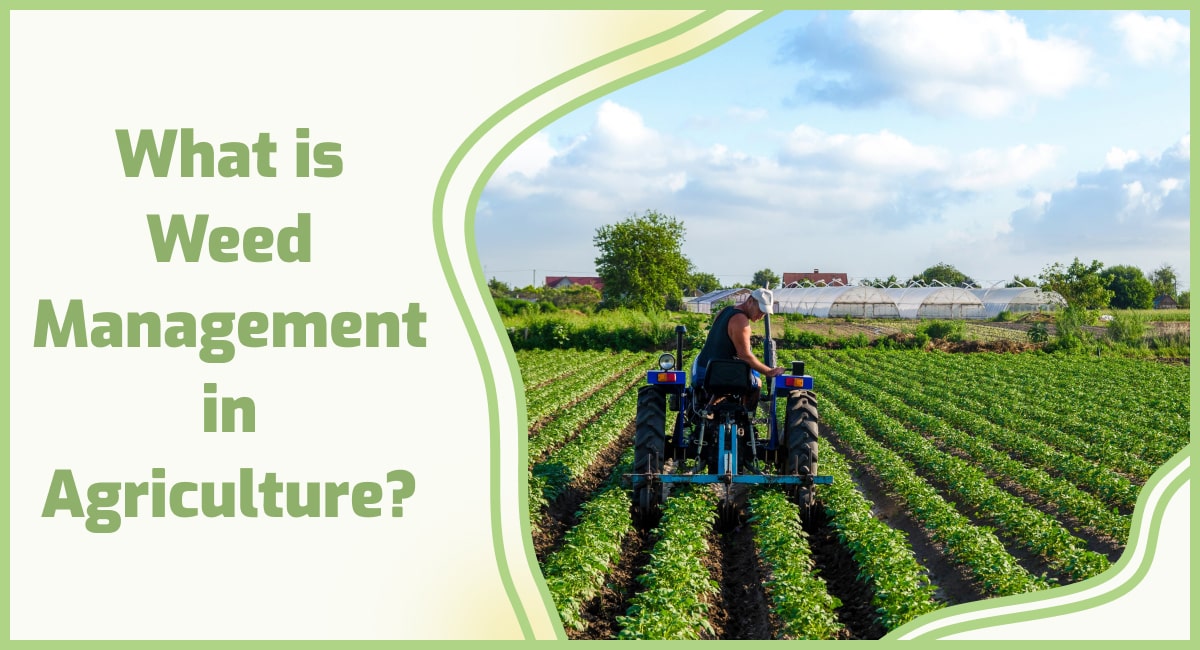
Kako zaznavanje več plevelov na podlagi sistema YOLOv8 izboljša precizno kmetovanje pri bombažu?

Gojenje bombaža je pomemben del kmetijstva v Združenih državah Amerike, saj pomembno prispeva h gospodarstvu. Samo v letu 2021 so kmetje pridelali več kot 10 milijonov hektarjev bombaža in proizvedli več kot 18 milijonov bal v vrednosti skoraj 7,5 milijarde evrov. Kljub svojemu gospodarskemu pomenu se pridelava bombaža sooča z velikim izzivom: pleveli.

Pleveli, nezaželene rastline, ki rastejo ob posevkih, tekmujejo z bombažnimi rastlinami za osnovne vire, kot so voda, hranila in sončna svetloba. Če jih ne nadzorujemo, lahko zmanjšajo pridelek do 50 %.Poleg finančnih obremenitev prekomerna uporaba herbicidov povzroča tudi okoljske težave, saj onesnažuje tla in vodne vire.

Za reševanje teh izzivov se raziskovalci obračajo k tehnologijam natančnega kmetijstva - kmetijskemu pristopu, ki uporablja orodja, ki temeljijo na podatkih, za optimizacijo upravljanja na ravni polja. Ena od prelomnih rešitev je model YOLOv8 - vrhunsko orodje umetne inteligence za odkrivanje plevela v realnem času.

Porast odpornosti na herbicide in njen vpliv

Široko razširjena uporaba semen bombaža, odpornih na herbicide (HR) od leta 1996, je spremenila kmetijske prakse. Posevki HR so gensko spremenjeni tako, da preživijo določene herbicide, kar kmetom omogoča, da kemikalije, kot je glifosat, škropijo neposredno nad posevki, ne da bi jih poškodovali.

Do leta 2020 bo 96% ameriških površin bombaža uporabljalo sorte HR, kar bo ustvarilo krog odvisnosti od herbicidov. Na začetku je bil ta pristop učinkovit, vendar so pleveli sčasoma z naravno selekcijo razvili odpornost.

Danes je na herbicide odpornih plevelov okuženih 70% ameriških kmetij, zaradi česar morajo kmetje uporabljati 30% več kemikalij kot pred desetletjem. Na primer Palmerjev amarant, hitro rastoči plevel z visoko stopnjo razmnoževanja, lahko zmanjša pridelek bombaža za 79%, če se ga ne nadzoruje zgodaj.

Vpliv odpornosti na herbicide na ameriških kmetijah

Finančno breme je ogromno: obvladovanje odpornih plevelov kmete letno stane več milijard, odtekanje herbicidov pa onesnaži 41% sladkovodnih virov v bližini kmetijskih zemljišč. Ti izzivi poudarjajo nujno potrebo po inovativnih rešitvah, ki zmanjšujejo odvisnost od kemikalij in hkrati ohranjajo produktivnost pridelkov.

Strojni vid: Trajnostna alternativa za ravnanje s plevelom

Kot odgovor na krizo odpornosti proti herbicidom raziskovalci razvijajo sisteme strojnega vida - tehnologije, ki združujejo kamere, senzorje in algoritme umetne inteligence - za natančno odkrivanje in razvrščanje plevela. Strojni vid posnema človeško vizualno zaznavanje, vendar z večjo hitrostjo in natančnostjo, kar omogoča avtomatizirano sprejemanje odločitev.

Ti sistemi omogočajo ciljno usmerjene posege, kot so robotski plevniki, ki mehansko odstranjujejo rastline, ali pametni škropilniki, ki uporabljajo herbicide le tam, kjer je to potrebno. Zgodnje različice teh tehnologij so imele težave z natančnostjo, saj so pogosto napačno prepoznale posevke kot plevel ali niso zaznale majhnih rastlin.

Vendar je napredek na področju globokega učenja - podvrste strojnega učenja, ki za analizo podatkov uporablja nevronske mreže z več plastmi - bistveno izboljšal učinkovitost. Konvolucijske nevronske mreže (CNN), vrsta modela globokega učenja, optimiziranega za analizo slik, so odlične pri prepoznavanju vzorcev v vizualnih podatkih.

Družina modelov YOLO (You Only Look Once), ki je znana po svoji hitrosti in natančnosti zaznavanja predmetov, je postala še posebej priljubljena v kmetijstvu. Najnovejša iteracija, YOLOv8, dosega natančnost več kot 90% pri zaznavanju plevela, s čimer spreminja pravila igre v preciznem kmetijstvu.

Zbirka podatkov CottonWeedDet12: Osnova za uspeh

Za usposabljanje zanesljivih modelov umetne inteligence so potrebni visokokakovostni podatki, zbirka podatkov CottonWeedDet12 pa je ključni vir za raziskave odkrivanja plevela. Nabor podatkov je strukturirana zbirka podatkov, ki se uporablja za usposabljanje in testiranje modelov strojnega učenja.

Ta nabor podatkov, zbran na raziskovalnih kmetijah državne univerze Mississippi, vključuje 5 648 slik bombažnih polj visoke ločljivosti, opremljenih z 9 370 omejitvenimi polji, ki določajo 12 pogostih vrst plevela. Omejitvena polja so pravokotni okvirji, narisani okoli zanimivih predmetov (npr. plevela) na slikah, ki zagotavljajo natančne lokacije za usposabljanje modelov umetne inteligence. Ključne značilnosti vključujejo:

  • 12 razredov plevela: vodna konoplja (najpogostejša), jutranjica, palmerjev amarant, pegast trpotec in druge.
  • 9.370 opomb o omejitvenem polju: Strokovno označeni z uporabo programa VGG Image Annotator (VIA).
  • Različni pogoji: Slike, posnete pri različni svetlobi (sončno, oblačno), v različnih fazah rasti in v različnih tleh

CottonWeedDet12 Zbirka podatkov

Pleveli segajo od vodne konoplje (najpogostejši plevel) do jitrocelične slaščice, palmerskega amaranta in pegastega trpotca. Da bi zagotovili, da nabor podatkov odraža razmere v resničnem svetu, so bile slike posnete pri različni svetlobi (sončno, oblačno) in v različnih fazah rasti.

Nekateri pleveli se na primer pojavijo kot majhne sadike, drugi pa so že popolnoma odrasli. Poleg tega zbirka podatkov vključuje različna tla in razporeditev rastlin, kar posnema kompleksnost dejanskih bombažnih polj.

Pred usposabljanjem modela YOLOv8 so raziskovalci podatke predhodno obdelali, da bi izboljšali njegovo robustnost. Predobdelava vključuje spreminjanje neobdelanih podatkov, da se izboljša njihova primernost za usposabljanje umetne inteligence. Tehnike, kot je povečevanje mozaika, ki združuje štiri slike v eno, so pomagale simulirati goste populacije plevela.

Druge metode, kot sta naključno skaliranje in obračanje, so model pripravile za obvladovanje sprememb v velikosti in usmerjenosti rastlin.

  • Razširjanje (±50%), striženje (±30°) in obračanje za posnemanje variabilnosti v realnem svetu.

Tehnika vizualizacije, imenovana t-SNE (t-Distributed Stochastic Neighbor Embedding) - algoritem strojnega učenja, ki zmanjšuje dimenzije podatkov in ustvarja vizualne grozde - je razkrila ločene skupine za vsak razred plevela in potrdila primernost podatkovnega niza za usposabljanje modelov za prepoznavanje subtilnih razlik med vrstami.

YOLOv8: Tehnične inovacije in arhitekturni napredek

YOLOv8 temelji na uspehu prejšnjih modelov YOLO z arhitekturnimi nadgradnjami, prilagojenimi za uporabo v kmetijstvu. Njegovo jedro je CSPDarknet53, hrbtenica nevronske mreže, zasnovana za pridobivanje hierarhičnih značilnosti iz slik. Hrbtenica nevronskega omrežja je glavna sestavina modela, ki je odgovorna za obdelavo vhodnih podatkov in pridobivanje ustreznih lastnosti.

CSPDarknet53 uporablja povezave Cross Stage Partial (CSP) - zasnova, ki razdeli zemljevide funkcij omrežja na dva dela, jih obdela ločeno in pozneje združi - za izboljšanje gradientnega toka med usposabljanjem.

Gradientni tok se nanaša na to, kako učinkovito nevronska mreža posodablja svoje parametre, da bi zmanjšala napake, in kako učinkovito se model uči. Arhitektura vključuje tudi piramidno omrežje značilnosti (Feature Pyramid Network - FPN) in omrežje agregacije poti (Path Aggregation Network - PAN), ki sodelujeta pri odkrivanju plevela na več ravneh.

  • FPN: zaznava predmete v več merilih (npr. majhne sadike in zreli plevel).
  • PAN: Izboljša natančnost lokalizacije z združevanjem funkcij v omrežnih plasteh.

FPN je struktura, ki združuje funkcije visoke ločljivosti (za zaznavanje majhnih predmetov) s semantično bogatimi funkcijami (za prepoznavanje velikih predmetov), medtem ko PAN izboljšuje natančnost lokalizacije z združevanjem funkcij v omrežnih plasteh. FPN na primer prepozna majhne sadike, medtem ko PAN izboljša lokalizacijo zrelega plevela.

YOLOv8 Tehnične inovacije in arhitekturni napredek

Za razliko od starejših modelov, ki se zanašajo na vnaprej določena sidrna polja - vnaprej določene oblike omejitvenih polj, ki se uporabljajo za napovedovanje lokacij predmetov -, uporablja YOLOv8 glave za zaznavanje brez sider. Te glave neposredno napovedujejo središča predmetov, s čimer odpravljajo zapletene izračune in zmanjšujejo število lažno pozitivnih rezultatov.

Ta inovacija ne povečuje le natančnosti, temveč tudi pospešuje obdelavo, saj YOLOv8 analizira sliko v samo 6,3 milisekunde s pomočjo grafičnega procesorja NVIDIA T4 - visoko zmogljive grafične procesne enote, optimizirane za naloge umetne inteligence.

Funkcija izgube modela - matematična formula, ki meri, kako dobro se napovedi modela ujemajo z dejanskimi podatki - združuje izgubo CloU za natančnost omejitvenega polja, izgubo navzkrižne entropije za klasifikacijo in izgubo žarišča porazdelitve za obravnavo neuravnoteženih podatkov. Izguba CloU (Complete Intersection over Union) izboljša poravnavo omejitvenih polj z upoštevanjem območja prekrivanja, središčne razdalje in razmerja med napovedanimi in dejanskimi polji.

Matematično, skupna izguba je: L(θ)=7,5⋅Lbox+0,5⋅Lcls+0,375⋅Ldfl+Regularizacija

Izguba navzkrižne entropije ocenjuje natančnost klasifikacije s primerjavo napovedanih verjetnosti z resničnimi oznakami, medtem ko izguba žarišča porazdelitve obravnava neuravnoteženost razredov tako, da model bolj kaznuje za napačno razvrstitev redkih plevelov.

V primerjavi s prejšnjimi različicami YOLO je YOLOv8 boljši od vseh. YOLOv4 je na primer dosegel srednjo povprečno natančnost (mAP) 95,22% pri prekrivanju 50% omejitvenega polja, YOLOv8 pa 96,10%. mAP je metrika, ki povpreči rezultate natančnosti v vseh kategorijah, pri čemer višje vrednosti pomenijo večjo natančnost zaznavanja.

Podobno je mAP YOLOv8 pri več pragovih prekrivanja (od 0,5 do 0,95) znašal 93,20% in je presegel 89,48% YOLOv4. Zaradi teh izboljšav je YOLOv8 najnatančnejši in najučinkovitejši model za odkrivanje plevela na bombažnih poljih.

Usposabljanje modela: Metodologija in rezultati

Za usposabljanje YOLOv8 so raziskovalci uporabili učenje s prenosom - tehniko, pri kateri se predhodno usposobljen model (že usposobljen na velikem naboru podatkov) natančno prilagodi novim podatkom. Prenosno učenje skrajša čas usposabljanja in izboljša natančnost z uporabo znanja, pridobljenega pri prejšnjih nalogah.

Model je obdeloval slike v serijah po 32, pri čemer je uporabljal optimizator AdamW - različico optimizacijskega algoritma Adam, ki vključuje upadanje uteži za preprečevanje pretiranega prilagajanja - s stopnjo učenja 0,001.

V 100 epohah (ciklih usposabljanja) se je model naučil izredno natančno razlikovati plevel od bombažnih rastlin. Strategije za razširitev podatkov, kot sta naključno obračanje slik in prilagajanje njihove svetlosti, so zagotovile, da se je model lahko spopadel s spremenljivostjo v resničnem svetu.

Za usposabljanje YOLOv8 so raziskovalci uporabili učenje s prenosom - tehniko

Rezultati so bili impresivni. V prvih 20 epohah je model dosegel natančnost več kot 90%, kar kaže na hitro učenje. Do konca usposabljanja je model YOLOv8 zaznal velik plevel z natančnostjo 94,40%.

Manjši plevel pa se je izkazal za večji izziv, saj se je natančnost zmanjšala na 11,90%. Ta razlika je posledica neuravnoteženosti podatkovnega niza: veliki pleveli so bili preveč zastopani, majhne sadike pa so bile redke. Kljub tej omejitvi je splošna uspešnost sistema YOLOv8 velik napredek.

Izzivi in prihodnje usmeritve

Čeprav je YOLOv8 zelo obetaven, izzivi ostajajo. Odkrivanje majhnih plevelov je ključnega pomena za zgodnje ukrepanje, saj je sadike lažje obvladovati.

Raziskovalci predlagajo uporabo generativnih nasprotnih mrež (GAN) - razreda modelov umetne inteligence, pri katerih dve nevronski mreži (generator in diskriminator) tekmujeta pri ustvarjanju realističnih sintetičnih podatkov - za ustvarjanje umetnih slik majhnega plevela, s čimer se nabor podatkov uravnovesi.

Druga rešitev vključuje vključitev večspektralnega slikanja, ki zajema podatke zunaj vidne svetlobe (npr. bližnjo infrardečo svetlobo) za izboljšanje kontrasta med pridelki in plevelom. Senzorji bližnje infrardeče svetlobe zaznajo vsebnost klorofila, zaradi česar so rastline videti svetlejše in jih je lažje ločiti od tal.

Prihodnje različice programa YOLO, kot sta YOLOv9 in YOLOv10, bodo morda še izboljšale natančnost. Ti modeli naj bi vključevali transformatorske plasti - vrsto arhitekture nevronske mreže, ki podatke obdeluje vzporedno in tako učinkoviteje kot tradicionalne CNN zajame odvisnosti dolgega dosega - ter dinamične piramide funkcij, ki se prilagajajo velikosti predmetov. Takšen napredek bi lahko pripomogel k zanesljivejšemu odkrivanju majhnega plevela.

Naslednji korak za kmete je testiranje na terenu. Avtonomni plevniki, opremljeni z YOLOv8 in kamerami, bi lahko krmarili po vrstah bombaža in mehansko odstranjevali plevel. Podobno bi lahko brezpilotni zrakoplovi s škropilnicami, ki jih poganja umetna inteligenca, natančno usmerjali herbicide in tako zmanjšali uporabo kemikalij do 90%.

Te tehnologije ne zmanjšujejo le stroškov, temveč tudi varujejo ekosisteme, kar je v skladu s cilji trajnostnega kmetijstva - kmetijske filozofije, ki daje prednost okoljskemu zdravju, gospodarski donosnosti in socialni pravičnosti.

Zaključek

Zaradi porasta plevelov, odpornih na herbicide, je kmetijstvo prisiljeno k inovacijam, YOLOv8 pa predstavlja preboj na področju natančnega zatiranja plevelov. Z doseganjem 96,10% natančnosti pri odkrivanju v realnem času ta model kmetom omogoča, da zmanjšajo uporabo herbicidov, znižajo stroške in zaščitijo okolje.

Čeprav izzivi, kot je zaznavanje majhnega plevela, ostajajo, nenehni napredek na področju umetne inteligence in senzorske tehnologije ponuja rešitve. Z razvojem teh orodij se obeta, da se bo pridelava bombaža spremenila v bolj trajnostno in učinkovito prakso. V prihodnjih letih bi lahko vključitev sistema YOLOv8 v avtonomne sisteme povzročila revolucijo v kmetijstvu.

Kmetje se bodo pri obvladovanju plevela lahko zanašali na pametne robote in brezpilotna letala, s čimer bodo sprostili čas in vire za druge naloge. Ta premik k podatkovno usmerjenemu kmetovanju ne zagotavlja le pridelka, temveč tudi bolj zdrav planet za prihodnje generacije. Z uporabo tehnologij, kot je YOLOv8, lahko kmetijska industrija premaga izzive odpornosti na herbicide in utira pot bolj zeleni in produktivni prihodnosti.

Referenca: Khan, A. T., Jensen, S. M., & Khan, A. R. (2025). Advancing precision agriculture (Napredek v preciznem kmetijstvu): A comparative analysis of YOLOv8 for multi-class weed detection in cotton cultivation (Primerjalna analiza programa YOLOv8 za večrazredno odkrivanje plevela pri gojenju bombaža). Umetna inteligenca v kmetijstvu, 15, 182-191. https://doi.org/10.1016/j.aiia.2025.01.013

Kako lahko nadzorujemo plevel z aplikacijo s spremenljivo stopnjo?

This article aims to provide an overview of the usage of herbicides (herbicide application) in variable rate application (VRA) to control weeds more precisely or precision weed control. As, precision agriculture allows the mapping of soil physicochemical properties, localized fertilizer application, pest monitoring, harvesting, and post-harvest operations.

Further, it also allow weed mapping and control of weeds (precision weed control) with site-specific sprays via weed mapping app or equipment or real-time systems, rationalizing pesticide use and minimizing environmental damage.

What is variable rate application technology?

Variable Rate Application (VRA) is a term used in precision agriculture to describe the process of applying the material so that the rate of application is adjusted depending on the exact location of the area to which the substance is being implemented or the characteristics of the region.

This method is distinct from uniform application and has the potential to both save money (by utilizing less product) and reduce the negative effect on the environment.
Variable Rate Application of Herbicides for Weed Management

What is a control variable?

A control variable, also known as a controlled variable or constant variable, is an element that is not changed throughout an experiment, because its unchanging state allows the relationship between other variables being tested to be more accurately identified and understood.

Control variables are crucial in scientific experiments to ensure that the results are valid and that a fair comparison can be made between experimental groups and control groups.

They are the factors in the experiment that are kept the same for all groups to ensure that it’s the independent variable (the variable you change) that is causing any observed change in the dependent variable (the variable you measure).

For example, if you were conducting an experiment to see how different fertilizers affect plant growth, the type of fertilizer would be your independent variable. The plant growth would be the dependent variable.

Control variables could include the type of plant used, the amount of sunlight the plants receive, the amount of water each plant gets, etc. By controlling these variables, you can be more confident that any differences in plant growth are due to the different fertilizers, and not to other factors.

Variable rate technology equipment for precision weed control

The control systems available on the market today may be adapted to various precise applications, and there are many different kinds of control systems to choose from. To make this debate more manageable, we shall group them into one of three groups.

1. Flow-based control system

The flow-based control of a tank combination is the most straightforward method out of the three described in this article. These systems use an electronic controller in conjunction with a flow meter, a ground speed sensor, and a controlled valve or servo valve to apply the required rate of the tank mix.

A microprocessor located in the console gathers data on the sprayer width and the intended number of gallons per acre to determine the flow rate optimal for the level of ground speed currently being experienced. The servo valve is adjusted, either open or closed until the flowmeter’s reading corresponds to the estimated flow rate.

An application for a variable rate may be created if a communication connection can be made between this controller and a “map system.”

2. Direct injection

Direct injection of the chemical into a flowing body of water is an additional method that may be used to apply and manage chemicals. In these systems, the chemical injection rate is operated by a controller in conjunction with a chemical pump.

These systems do not control the flow rate of a tank mix. In most cases, the flow rate of the carrier remains unchanged. Still, the injection rate is changed to account for fluctuations in ground speed or changes in the requested rate. Again, for the system to be utilized for variable rate application, the controller must be constructed to take an external command or be updated to accept such a command.

Chemical injection eradicates any residual tank mix and decreases the chance of being exposed to toxins. The steady flow of carriers may be altered in this system’s operation to run the boom nozzles to create droplets with a desired size and distribution is an additional benefit of this system.

3. Direct chemical injection with carrier control

When the chemical injection is combined with carrier control, the control system must adjust both the chemical injection rate and the rate at which the water carrier is delivered to accommodate changes in either the speed or the application rate.

One control loop is responsible for managing the injection pump, while another controller is in charge of operating a servo valve to produce a proportional flow of water. An excellent example of this sort of system would make a mixture with a consistent concentration, precisely as if it were being drawn from a tank that was already mixed.

The system has the potential to possess many of the benefits offered by the two preceding systems. Because the chemical is injected directly into the tank, there is no risk of contamination from the residual mixture. The operator does not come into contact with any hazardous substances while the tank is being mixed.

The transition from one rate to another happens as rapidly as the chemical and carrier control can making the necessary adjustment is often an extremely speedy process.

Weed density map  and variable rate application (VRA) of herbicide

Suppose you perform a fair bit of spraying and want to avoid the dangers of tank mixing. In that situation, these frameworks will give you much control over your spraying activities and offer the potential to implement variable rates of herbicides from a pre-planned map.

Sensor-Based VRA of herbicides

The application might be based on maps or sensors, which can happen at an inconsistent rate. It is unnecessary to produce an earlier topographic map since sensor-based VRA can gather data on the presence of weeds and analyze the information in fractions of a second before applying herbicides.

Without mapping or previous data collecting, sensor-based systems can adjust the application rate. Sensors detect the necessary attributes in real-time, even when they are moving. The measurements that are taken by the system are analyzed very instantly and then provided to the controller. The controller will then carry out the application at a varying pace.

Sensors do not inherently need the deployment of a positioning system, the construction of a map, or substantial data analysis before creating the VRA. Compared with the approach that relies on maps, this system is quicker and more efficient. Still, it also provides a higher level of precision.

Variable rate application (VRA) of herbicides in preemergence

The precision weed control that has not yet germinated is the purpose of an herbicide application in preemergence. The herbicide treatment is made immediately in the soil. As soon as the seeds or propagules sprout, they may absorb the herbicide.

However, for this to happen, the herbicide used has to be bioavailable in the soil solution. Due to the interactions between herbicides and soil, which are controlled by various physical, chemical, and biochemical mechanisms, the application of herbicides in preemergence leads to a variety of possible destinations.

VRA of herbicides in postemergence

The precision weed control of weeds that have already made their appearance in the field targets a treatment known as postemergence. As a result, the application will focus on the section of the plant species found above ground.

For the VRA to be used in the postemergence phase of treatment, the system must have access to information on the weed population in the zone. Both the map-based and the sensor-based techniques can collect this information. Therefore, any approach may be used for dealing with postemergence VRA.

The whole process of data gathering and map production for postemergence herbicide application must be completed as rapidly as possible. The weed dynamics may shift, and the infestation levels can rise in days, rendering the suggestion map irrelevant.

There is no need to do an earlier mapping of the field before administering postemergence herbicides using an approach based on real-time sensor data. The process of spraying relies on sensors that are mounted to the sprayer. These sensors are responsible for locating weeds and determining the appropriate herbicide dosage.

When selecting the best solution provider of precision weed control and variable-rate application, GeoPard seems to be the ideal choice. Some of its significant offered opportunities are:

  • The generation of VRA maps is fit for use with the majority of agricultural equipment.
  • No export restrictions will be placed on management zones or VRA maps.
  • Streamline incorporation of its maps into your already established procedures to simplify precision weed control.

With the help of VRA maps, deliver the proper agricultural inputs that will work for you in the suitable data zones and practices, such as fertilization, crop protection, planting, water management, herbicide application, and other similar practices. Establish unit prices and discover unit and total expenses.

Oprema in tehnologija s spremenljivim odmerkom za zatiranje plevela

It is anticipated that by the time the year 2050 draws to a close, the population of our planet will have increased to 9 billion people. In concrete words, what does this involve with regard to the manner in which they need to be fed?

As long as there is an increasing need for food, it is logical to anticipate that there will not be any additional expansion of land that is used for agricultural purposes. Because of this, it drives us to put in a higher amount of work and determination in the direction of increasing productivity and making the most effective use of resources possible.

The good news is that precision agriculture, which is a term that refers to a group of technologies, may help in the effort to achieve these requirements.

In precision agriculture, the use of variable-rate technology (VRT), in particular, may help to ensure weed control while also allowing for the most efficient use of herbicides and a smaller negative impact on the environment. These benefits can be achieved without compromising crop yields or quality.

While we are discussing herbicides, it is essential to point out that the treatment of herbicide levels may alter depending on the field and the application of the variable-rate formula. This is something that has to be had in mind at all times.

When the herbicide is redistributed to sections of the field where it is needed the most, considering the soil’s varying conditions, the degree of weed control that is achieved will remain consistent.

In a way that is comparable to this, the variable rate of spraying or application of herbicides will serve as the principal focus of the conversation that will take place throughout the length of this essay.

This will entail describing the variable rate at which herbicides are applied, the exact manner in which herbicides are applied, how the rate of application is determined, and how the application process itself works.

What is the variable rate of herbicide application?

It is recommended to use certain doses of herbicides over large areas; however, this recommendation does not take into account a variety of characteristics that contribute to the historically important and spatially diverse nature of traditional agriculture.

What is the variable rate of herbicide application

It is essential to bear in mind that a significant amount of the costs connected with crop production are attributable to the use of herbicides for the purpose of weed control. This leads to large financial losses whenever herbicides are employed at a steady rate (whether these losses are direct or indirect).

In addition, herbicides that find their way into rivers and groundwater may be the source of environmental pollution. With the use of technologies like variable rate application (VRA) and other precision agriculture practices, it is possible that these problems might be mitigated to some extent.

VRA takes into consideration a number of various variables while administering herbicides, including the location, area, type of infestation, soil conditions, and weed density in herbicide application, among other things.

As a direct consequence of this, we are better able to eradicate weeds and reduce our impact on the surrounding environment. The removal of overdoses and underdoses is facilitated by the variable-rate spraying of herbicides, which is achieved by integrating the sprayer system with the variable rate control system.

For the purpose of providing you with information, the primary components of the variable rate control system may include, but are not limited to, a terminal or display that is capable of supporting VR spraying, GPS equipment, and variable rate nozzle control (section control or each nozzle rate control).

What is the application of herbicides?

Here we are going to discuss different applications of herbicides:

  • Herbicides are an excellent tool for manipulating or managing vegetation that is undesirable. Herbicides, in their most basic form, are agricultural chemicals that are often used in row crop farming to increase crop protection and production by eliminating other vegetation. These herbicides may be administered either before or during the planting process.
  • In addition to this, using it on crops in the autumn makes it possible to improve harvesting, which is another benefit.
  • Herbicides are another tool that forest managers may use to get logged areas ready for replantation and ready for future growth. In comparison to farming, landscaping has a much larger total covered area and amount of material used. Despite this, the frequency of applications is not very high.
  • It is common practice in suburban and metropolitan regions to apply herbicides to golf courses, lawns, parks, and bodies of water in order to control the growth of aquatic weeds, as well as to other types of terrain.
  • Herbicides that are considered to be contact herbicides, such as sulfuric acid, paraquat, and diquat, are applied to just the parts of the plant that they come into contact with. On the other hand, translocated herbicides such as amitrole and picloram are useful when utilized for roots or other organs while traveling from above-the-ground treated surfaces (soil) to those organs. This is the case when the herbicides are transported to the target organs.
  • Herbicides may be broken down into a few distinct categories according to when they should be applied, the most common of which are pre-plant, pre-emergence, and post-emergence weed killers. For the record, pre-plant herbicides may be applied to the soil or the weeds before sowing agricultural seeds.
  • The application of herbicides to row farmland has become more user-friendly because of the development of specialized machinery such as sprayers, spreaders, and equipment for integrating herbicides into the soil. In addition to that, it has also substantially simplified the process of controlling weeds.
  • The jar technique is often used to apply certain herbicides, such as sodium arsenite. With this procedure, the tips of the weeds are folded over and then buried in jars containing a hazardous solution. The herbicide seeps into the remaining parts of the plant as well as any related plants, eventually causing death across the whole system.

How is the herbicide application rate calculated?

In order to achieve successful weed control, it is necessary to apply herbicides in a homogenous manner and in the appropriate amounts.

How is the herbicide application rate calculated

A very little variation in the pace at which herbicides, pesticides, or even other chemicals are applied might result in inadequate pest control, harm to the crop or the environment, and ultimately a loss of time, energy, and money. There are three different ways that herbicide rates might be expressed.

  • The active ingredient refers to the quantity of the acid herbicide included in a formulation per acre of land that was treated.
  • Pounds/volume of commercial product produced per acre.
  • The acid equivalent refers to the quantity of the acid herbicide included in a formulation per acre of land that was treated.

When it comes to applying them, herbicides are either spread out uniformly across the whole of the field surface in a process known as “broadcasting,” or they are administered in thin strips of herbicide that are concentrated over the row (in bands). Keep in mind that the space in between the rows in the latter scenario is not addressed in any way.

In the meanwhile, the transmission rate of the application should be the same as that of the band and the broadcast regions. The needed quantity of herbicide may be reduced by as much as two-thirds if the application is banded across the row and if mechanical cultivation is used to control the weeds in the center of the row.

For instance, whereas applying herbicide in 10-inch bands across 30-inch rows requires just one pound of herbicide, using herbicide in a broadcast application at a rate of three pounds per acre necessitates using three pounds of herbicide for each crop acre area.

In addition, you may calculate the total quantity necessary for the band application by multiplying the broadcast rate by the bandwidth and then dividing the result by the row width.

How does variable rate herbicide application work?

Precision agriculture makes use of a wide variety of technologies, including variable-rate herbicide treatments. These technologies include anything from satellites and drones to artificial intelligence and hyperspectral imaging.

How does variable rate herbicide application work

It is essential to have a solid understanding of the wide range of applications for the technology being deployed.

The administration of herbicides at varying rates is a common agricultural operation that may be entirely automated with the use of suitable variable-rate spraying technology (VRT). The following is an instruction for spraying herbicides using a VRT.

Zoning – management zones

The phrase “management zones” refers to discrete portions of a field in which various kinds of materials need to be treated at the appropriate times.

It is required to determine which zones the equipment should apply certain materials in order to perform precision agriculture and employ variable rate herbicide application. Both of these practices need the usage of variable rate herbicide application.

It is vital to first create acceptable območja upravljanja before applying herbicides using technology that enables variable-rate spraying or application. This is because variable-rate spraying or application can only be made effectively when proper management zones are in place.

In addition to this, it is of the utmost importance to enter these particulars as precisely as possible into the VRA system.

Map-Based vs. Sensor-Based VRA

The use of sensors or maps in the application of variable-rate herbicides are both viable options; however, it is up to you to choose the strategy that is going to work best in your specific environment.

Another element that might potentially have an influence is the limits of the technology that is used in the process of applying variable rates.

In order to use map-based VRT, you will first need to create a map of the terrain (either field potential maps, bare soil maps, or your very own unique index), and then you will need to input that map into the system.

Field potential maps and bare soil maps are two examples of the types of maps that can be used.

On the other hand, the approach based on sensors is able to instantly detect data that is used to aid it in selecting the appropriate herbicide to apply. It may, for instance, identify the status of the crop before making a judgment about what to do with it.

What data or imagery should be used

The very last thing that has to be done is to figure out what types of data the sensors should gather and what kinds of photographs should be utilized in the mapping. A large number of VRA solutions identify information about the scene by making use of drones or other photography equipment, such as a sensor that is integrated into the app’s physical hardware.

Aside from that, additional information that is crucial for the application of herbicides includes the conditions of the soil and the components that are in it, the sort of crop that is being grown, the average temperature, and the speed at which the vehicle is traveling.

By using the technologies that allow for variable rate spraying, one is able to get all of this information as well as additional specifics.

In conclusion, the primary function of the variable rate herbicide application technology is to detect the essential information about the intended landscape and then make judgments based on the information that has been recovered from the landscape.

The decisions that are made by variable-rate spraying technology systems help determine which kinds of herbicides should be employed in which kinds of land areas at what kinds of rates. These decisions may help prevent the spread of weeds and other unwanted plant life.


Pogosta vprašanja


1. What seeds to direct sow?

Direct sow seeds are those that can be planted directly into the ground where they will grow, without the need for transplanting. Examples of seeds that are commonly direct sown include beans, peas, corn, carrots, radishes, and lettuce.

These seeds are typically hardy and have a good germination rate, allowing them to establish well when directly planted in the soil. However, it is important to follow the specific instructions for each seed variety regarding proper planting depth, spacing, and timing to ensure successful direct sowing.


Ekološko zatiranje plevela: prakse in metode

Ecological Weed Management (EWM) is a sustainable approach to weed control that focuses on understanding the ecology of weeds and using this knowledge to create farming systems that inhibit weed establishment and growth.

What is weed management?

Weed management refers to the systematic approach and practices used to control the growth and spread of weeds. Weeds, in this context, are typically plants that grow where they are not wanted, often competing with cultivated plants for resources such as space, light, water, and nutrients.

It is crucial in agricultural settings, where unchecked weed growth can greatly impact crop yields and farming productivity. It’s also important in other contexts like gardens, lawns, and other managed landscapes, as well as in natural environments where invasive plant species can disrupt ecosystems.

There are a variety of techniques used in weed management, including:

  • Mechanical or physical control: This can involve manual weeding, mowing, or tillage. The goal is to physically remove or damage the weeds to reduce their growth and reproduction.
  • Chemical control: This usually involves the application of herbicides that kill or inhibit the growth of weeds. Herbicides can be selective (affecting only certain types of plants) or non-selective (affecting all plants they come into contact with).
  • Cultural control: These are practices that make the growing environment less favorable for weeds and more favorable for desired plants. It includes techniques such as crop rotation, planting cover crops, and adjusting irrigation or fertilization practices.
  • Biological control: This involves using natural enemies of the weeds – such as certain insects, animals, or microorganisms – to help control their growth.
  • Integrated Weed Management (IWM): This approach combines the above methods in a coordinated, sustainable way. It involves regularly monitoring weed populations and adjusting strategies based on the specific conditions and types of weeds present.

What is Ecological Weed Management?

Ecological Weed Management can be defined as a complex of environment-friendly methods and techniques designed to prevent, reduce or remove weeds from agricultural lands or gardens.

The weed control methods are based on ecological or biological processes and materials that do no harm to the environment, unlike the harmful chemicals and herbicides that heavily deteriorate the soil and environment of not only the agro-ecosystem but also have an adverse impact on the whole environment through processes like leaching and diseases.

This approach recognizes that the goal is not necessarily to completely eradicate weeds, but rather to keep weed populations below a level where they significantly impact crop productivity. It utilizes practices that reduce the likelihood of weed problems developing in the first place and promotes the growth and health of desired crops to outcompete weeds.

Techniques like establishing kolobarjenje., mulching, cover crops, water management, sanitation, fertility, tillage, etc pose no threat to the environment, but can also efficiently suppress all types of weeds.

The effectiveness of these cost-friendly and easily adaptable solutions to weed-management or organic agriculture and farming, in general, can be largely enhanced by obtaining technical expertise from agriculture platforms like GeoPard Agriculture which gives an integrated and easily-accessible approach to Ecological-Weed-Management (EWM).

Durable improvements in weed management are based on:

  • Understanding ecological principles and processes.
  • Learning the life history, and attributes of problematic weed species.
  • Carefully considering and comparing management options.

Eco-Friendly Weed Control methods

Weeds are regarded as a potential pest causing more than 45 percent loss in yields of field crops, when compared to 2 percent due to diseases, 20 percentage due to insects, 15 percentage due to storage and miscellaneous pests, and 6 percent due to rodents. Weed management takes away nearly one-third of the total cost of production of field crops.

In India, the manual method of weed control is quite popular and effective. Of late, labor has become sparse and costly, due to intensification, diversification of agriculture, and urbanization. The usage of herbicides in India and elsewhere in the world is increasing due to possible benefits to farmers.

At the same time, the continuous use of the same group of herbicides over a period of time on the same piece of land leads to an ecological imbalance in terms of weed shift, herbicide resistance in weeds, and many types of pollution.

Usage of herbicides for controlling aquatic weeds in a pond also reduces dissolved oxygen and pH and increases biological oxygen demand.

Ekološko zatiranje plevela: prakse in metode

  1. Herbicide application may also kill species of bacteria, fungi, and protozoa that combat disease-causing microorganisms, thereby upsetting the balance of pathogens and beneficial organisms and allowing the opportunist, disease-causing organisms to become a problem.
  2. The complexity of these situations has resulted in a need to establish a holistic, sustainable eco-friendly weed-management program for the entire farming period.
  3. With respect to the environment, ideal sustainable agriculture should neither pollute the ecosystem nor be dependent on non-renewable inputs or damage renewable ones.

Rather, it should nourish people with nutritious food, and useful feedstocks and provide a satisfying and continuous return on effective investment in agricultural farms.

Sustainable & ecological weed management is the utilization of weed control methods that are socially acceptable, environmentally benign, and cost-effective.

Objectives of Ecological weed management

Sustainable weed management has the following objectives:

  • To optimally use the resources that are on hand can be used for controlling weeds.
  • To introduce cultivation techniques that not only deal with weeds but also work for the soil and to measure the impact of weed-management systems.
  • To bring out a transformation whereby the chemical herbicides are replaced by renewable energy and recycled mineral resources.
  • To ensure that the farm workers, farm animals, and anyone related to the farm or surrounding areas do not suffer in terms of health.
  • To preserve and improve the ecosystem and nature.
  • To make farming operations economically feasible.
  • To give adequate monetary gains to the farmer to allow for regular production and ensure the well-being of the community
  • To generate enough high-quality and nutritious food.
  • To build on available weed control technology, knowledge, and skills in ways that suit local conditions and capacity.

Organic methods of weed control

Crop rotation

Crop rotation is considered one of the most crucial parts of any ecological weed management. Crop rotation, as the term suggests is rotating several crops in the same land over time in a planned manner.

The main reason behind using crop rotation as one of the major methods of ecological weed management is that weeds thrive when the conditions do not change for a long time.

If the same type of crop is grown in your area by following the monoculture method, weeds will have no resistance whatsoever in adapting to the same conditions over the years.

Organic methods of weed control

Therefore, the introduction of several crop species or even a fallow period in between to establish a crop rotation will keep the weeds guessing about what’s coming next and they will die off before they can figure out how to grow and multiply in the new conditions.

This is an effective method of not only controlling and managing the weeds at present, but it will reduce the need for future weed management significantly in the long run.

However, choosing the best crop rotation can be a challenge since you have to consider the nutrient levels in the soil as a result of the cropping pattern as well as the requirements of each plant and how it relates to the potential weed species in the area.

Optimizing maximum production and keeping it all organic to manage the weeds effectively requires technical expertise and assistance like the GeoPard Analiza podatkov o tleh in . Spremljanje pridelka.

Cover crops

If there’s one thing that weeds love, then is light. Cover crops are crops that do not permit light to reach the ground level of the weeds so that they cannot germinate in the first place and if they do, their growths will be stunted.

The ideal cover crop should have rapid early growth and subsequently canopy closure. Some of the cover crops can be buckwheat, cowpea, radish, or forages. Moreover, the cooling effect, which can be considered a by-product of the shading effect is also very important to suppress weed growth on your farms.

Cover crops are an important part of the crop rotation cycle and special care and thought are needed while selecting the best cover crop or more preferably, an ideal combination of cover crops for your needs so that it not only ecologically suppresses the weed for you but can also be profitable either by themselves or by promoting your main crops.

It should also be noted that many cover crops also add nutrients to the soils and some can even contribute allele chemicals in the land that serves as weed-inhibitors later on.

Intercropping

Intercropping involves the inclusion of a new crop often in between rows of the main crop. This is usually done to leave no spaces for weeds to grow on your land and has been proven effective in many instances.

However, if the intercropping species is not chosen effectively, it can compete for light, water, or nutrients with the main crop and may even have a more harmful effect than the weeds.

Izvidništvo

Scouting has been one of the most reliable methods of gathering information about the extent and degree of weed infestation in your field.

Generally, it includes the systematic collection of data on the type, distribution, and stage of crops in your field but in the case of ecological weed management, the data about weeds are gathered to establish a plan to effectively deal with them.

The GeoPard Scouting Agrisolution lets you detect weeds and insects along with other stresses in your field like fungus, pests disease, etc at an early stage with the help of smart scouting tools.

With the help of the GeoPard scouting feature, you can automate, plan, execute and report on the scouting easily and effortlessly.

Mulching

Mulching works in a similar way to that of cover crops for ecological weed control. Mulching includes covering the soil in your field with a single or multiple layers of mulches which can be either living, organic dead, or inorganic.

1. Living mulch

Living mulches such as clover are integrated with the field either along with the crop or before/after it helps to suppress weeds but they are generally used mainly for improvement of the soil’s physical properties and fertility. If living mulches are used, they shouldn’t be allowed to compete with major crops by constantly tilling them.

2. Organski mulči

Some of the substances used as organic mulches are straw, bark, sawdust, etc. Newspapers and hays are also often used by making multiple layers.

The materials used as organic mulches mainly depend on what type is present in the farm or the area but in general, all should be biodegradable and should add to the fertility of the soil. They act as weed suppressants by heavily blocking the weeds’ access to light and moisture.

3. Inorganic mulches

Plastic is an inorganic mulch that is widely used in all areas across a wide variety of crops and has been developed in such a way so as to only allow the infrared light to pass into the soil layers to warm it but cannot result in photosynthesis.

The result of which is a high success in weed management. Although these inorganic mulches do not truly qualify as ecological means of weed management, they are often better than other alternatives like the use of harmful herbicides.

Planting patterns

Planting patterns like the order and alignments in which the crops are planted can also affect the level of weed growth in the future.

To manage weed growth through planting patterns, the row width must be made narrow and seeding density must be increased.

Variety Selection

It is essential to carefully choose the varieties of crops so that they can suppress the weeds by maintaining a rapid cover.

The ecologies of both the crops and the potential weeds should be carefully studied before choosing the crop species that will best fit the land and also provide optimum returns.

Tillage system

While tilling the soil disturbs the physical integrity of the soil and makes it prone to soil erosion, the implementation of an effective tillage system can help massively control weeds organically and also by minimizing the aforementioned issues.

In fields that are not tilled at all, it has been reported that the majority of the weed seed bank is deposited on the topmost 5 cm layer of the soil.

Tillage system in Ecological weed management

One of the most effective uses of tillage in weed management is by introducing only light tillage sometime before crop planting so that weeds germinate beforehand and can be destroyed to reduce the seed bank.

Tillage also has other effects on the overall weed control by determining the soil moisture and fertility. The presence or absence of tillage in your field largely determines the volume and vertical distribution of weed seeds in your land.

Sanitation

Sanitation as a method to organically prevent, reduce or remove weeds from our fields is very often overlooked. To prevent the weeds from ever introducing into the fields, the crop seeds used should be properly screened, and only high-quality seeds must be used without any impurities in the form of weed seeds.

Furthermore, the equipment and machines used within the field should also be cleaned and made rid of any potential weed seeds. Also, the fertilizers and mostly the organic manures used should be properly decomposed and not contain any potential weeds.

To reduce and remove the weeds from your field, sanitation operations weeding by hand can play a crucial role, especially in the early stages.

Nitrogen fertility

The germination, reproduction, and growth of weeds are all promoted by nitrates. We know that the level of nitrogen in the soil determines the species diversity and composition in the land.

So we need to control this level of nitrogen fertility in our fields so that it favors the growth of our crops and suppresses that of the weeds.

One majorly effective way to do so is to use precision techniques such as GeoPard Crop Monitoring to identify where to focus our nitrogen supply.

Moreover, a more ecological way of dealing with the problem of weeds is to add nitrogen to the field not by dumping chemical fertilizers at once, but by adding legume plant species with the crops that will release the nitrogen in the soil over time and fulfill the nitrogen needs of the crop while limiting the amount needed for weeds to germinate and grow.

Feed the crop, not the weeds

What it means to feed the crop and not the weeds is that we have to be selective feeders in terms of the nutrients we add to the agro-ecosystem.

This can be achieved by concentrating fertilizers near the crops or introducing more ecological alternatives like composts and manures to supplement the nutrient requirements of the crops.

However, it is very important to understand the ecological needs of both the crops and the weeds properly to be able to use this method effectively.

Water management

If we can properly manage water or moisture in our fields, we can essentially manage both weeds and crops easily to fit our needs.

Some of the most useful and innovative ways by which you can use water management for ecological weed management are as follows:

Pre-germination of weeds

Like how light tilling can cause the weeds to germinate sometime earlier than the planting time so that they can be killed through cultivation, light irrigation can also have the exact same effect.

The irrigation can either be artificial or can be achieved through careful planning of the crop rotation with the rainfall cycle.

Planting to moisture

This technique usually follows the previous one. After cultivation for weeds removal, no water is added to the top layer of the soil so that it becomes dry and the layer below it contains moisture.

During the planting stage, the seeds are planted to the moisture-containing layer and so the upper layers remain dry and weeds cannot grow due to the lack of water.

Buried drip irrigation

Drip irrigation can concentrate the water availability only to a small region for the plant and it can significantly reduce weed germination.

However, an even more effective but complicated method is called buried deep irrigation in which water in the form of drip is provided underneath the soil layer directly to the underground roots of the plants so that weeds on the surface have no means of getting water for germination.

Allelopathy

Many plants have the ability to affect, either positively or negatively their surrounding plants by releasing biochemicals called allelochemicals through several parts.

Some of the crop varieties that demonstrate allelopathic nature are buckwheat, oats, barley, rye, wheat, etc. Allelopathy if used for weed control is one of the most ecological ways of managing weeds.

For that to occur, crops should demonstrate allelopathic harmful effects on weeds. For example, buckwheat has been found to minimize and damage weed populations.

Beneficial organisms

Fungi, bacteria, parasites, insects, etc all carry high potentials to be used as organisms for weed control if proper research and experimentation are performed to ensure their effectiveness and viability.

Biological Weed Control

Bird species like geese and chickens and some herding animals are a great way of managing and disposing of weeds in integrated farmland that combines livestock with agriculture. Even fish species have been used to manage algae and hydrilla weeds in aquacultures and aquaponics.

Summary

The concept of Ecological Weed Management mainly involves the use of methods and techniques that replace the conventional use of herbicides and harmful chemicals to deal with the problem of weeds in the agricultural fields.

An ideal system is not just a single method but a combination of several methods that generally starts with selecting the crop rotation for the land and goes on to use ecological and biological processes and materials to leverage the growth and development of crops and stunt the germination, dispersal, and growth of weeds.

The specific methods mentioned above should be according to need and in a way that all of them work together to maintain a sustainable weed management system.


Pogosta vprašanja


1. How can the practice of tillage be harmful to the overall environment?

The practice of tillage can have negative impacts on the environment. Excessive or improper tillage can lead to soil erosion, as it disrupts the soil structure and exposes it to wind and water erosion.

Tilling also promotes the release of carbon dioxide into the atmosphere, contributing to greenhouse gas emissions and climate change. Additionally, tillage can disrupt soil biodiversity and beneficial microbial activity, affecting the overall health and fertility of the soil.

Transitioning to conservation tillage or no-till practices can help mitigate these environmental concerns and promote sustainable agriculture.

2. Are weedicides environmentally friendly?

Weedicides, also known as herbicides, can have varying impacts on the environment depending on their specific formulation and use. While they can be effective in controlling weeds and improving crop yield, some weedicides may have negative environmental consequences.

Certain weedicides can be toxic to non-target plants, insects, and animals, leading to a decline in biodiversity. Additionally, if not used correctly, they can contaminate soil, water sources, and harm beneficial organisms.

To minimize environmental impact, it is important to carefully select and use weedicides following recommended guidelines and consider alternative weed management strategies, such as integrated pest management or organic farming practices.

3. What is weed ecology?

Weed ecology refers to the study of weeds in relation to their environment and their interactions with other organisms. It involves understanding the life cycle, growth habits, distribution, and adaptation strategies of weeds.

Weed ecologists analyze factors such as soil conditions, climate, and management practices to gain insights into weed behavior and develop effective strategies for weed control.

By understanding weed ecology, farmers and land managers can make informed decisions to minimize the negative impact of weeds on crop production and natural ecosystems.

4. Which one of the following is environment friendly input of agriculture?

Organic fertilizers are considered an environmentally friendly input in agriculture. Unlike synthetic fertilizers, organic fertilizers are derived from natural sources such as compost, manure, or plant materials.

They release nutrients slowly and improve soil health, microbial activity, and water retention. Organic fertilizers also reduce the risk of nutrient runoff, water pollution, and negative impacts on ecosystems.

Their use promotes sustainable agriculture practices that prioritize environmental conservation and long-term soil fertility.

5. How to prevent ecological imbalance?

Preventing ecological imbalance requires collective efforts and responsible actions. It involves preserving biodiversity, conserving natural resources, and reducing pollution. Planting trees, practicing sustainable farming methods, and promoting recycling and waste reduction are effective steps.

Additionally, protecting habitats, promoting sustainable development, and raising awareness about the importance of ecological balance are crucial.

By taking these measures, we can help maintain the delicate balance of ecosystems and ensure a sustainable future for all living beings.

6. Are weeds good for the environment? What are the harmful effects of weeds?

Weeds can have negative effects on the environment. They compete with crops, reduce biodiversity, and disrupt natural ecosystems. Controlling weeds through proper management is crucial to minimize their harmful impacts and maintain a healthy environment.

7. How have you practiced weeding and cultivation? What is the most effective way to control the growth of weeds?

The most effective way to control weed growth is through integrated weed management. This involves combining techniques like manual removal, mulching, crop rotation, and targeted herbicide use when necessary.

As a farmer, we practice weeding and cultivation using a combination of manual and mechanical methods.

We hand-pull weeds and use tools like hoes for smaller areas, while for larger fields, we employ mechanical cultivation techniques such as plowing or tractor-mounted implements.

Mulching techniques are also used to suppress weed growth and conserve soil moisture. Regular monitoring and timely intervention are essential for maintaining weed-free and healthy crops.

Zakaj je zatiranje plevela pomembno v kmetijstvu?

Weed control in agriculture is the means of limiting the growth and spread of weeds in agricultural lands using several techniques, either alone or in combinations so as to remove the harmful impacts of weed invasion on the productivity of the land under consideration.

What is weeds?

Define: Weeds are plants that grow in an area where their growth is not desired by a farmer because they either limit or completely disrupt the growth or production of crops.

They do this by competing with crops for limited resources like water, nutrients, and sunlight. They are characterized by their ability to swiftly populate large areas through rapid reproduction and dispersal.

Some well-known examples of weeds include dandelions, crabgrass, and bindweed. However, the classification of plants as “weeds” can vary widely based on local conditions and cultural perceptions. In some cases, what one person considers a weed, another might consider a beautiful wildflower or a useful herb.

What is weeding or weed control?

Weeding refers to the process of removing weeds, which are unwanted plants that often grow in gardens, lawns, agricultural fields, and other cultivated areas.

They are bad because they can compete with desired plants for resources such as light, water, and nutrients, and they can also sometimes harbor pests and diseases. Weeding can be done in several ways which farmers usually use to kill weeds:

  • Manual Weeding
  • Mechanical Weeding
  • Chemical Weeding
  • Biological Weeding

Weed management is an important aspect of garden and landscape maintenance, as well as agricultural management. Its proper and timely management helps ensure that desired plants have the resources they need to grow and can help prevent problems with pests and diseases.

Why is weed control important? The effect of weeds

They can have a wide range of effects on both natural ecosystems and human activities, especially agriculture and gardening which make weed control important. Here are some key effects of weeds:

  • Competition for resources: They often compete with crops or other desired plants for water, sunlight, and nutrients. They can grow more quickly or be more hardy than the plants humans want to cultivate, and thus can stunt growth or even cause the death of these plants.
  • Crop Yield Reduction: In agriculture, their presence can lead to significant reductions in crop yields. They can inhibit crop growth and development, or they can physically interfere with the harvesting process.
  • Quality Reduction: In some cases, they can affect the quality of the harvested product. For example, they can alter the taste of milk when they are ingested by dairy cows, or they can decrease the quality of wool when they get caught in sheep’s fleece.
  • Habitat Alteration: In natural ecosystems, its invasive species can outcompete native plants and alter habitats, affecting native wildlife. Certain can change soil chemistry, making it inhospitable for native plants.
  • Human Health: Some of them can cause allergic reactions in humans or animals, such as skin rashes or respiratory problems. Others can be poisonous if ingested or touched.
  • Economic Impact: They can have a significant economic impact. They can reduce the productivity of farmland, increase the costs of weed control (labor, herbicides), and can lower property values.

Despite these negative aspects, it’s worth noting that not all aspects of weeds are harmful. Some can serve as food for insects, birds, and other animals, contribute to soil health, or even serve as a source of food for humans (e.g., dandelions). Some so-called weeds are also used in herbal medicine or for their aesthetic value in certain types of gardens.

However, it is considered to be one of the most significant factors causing a massive economic loss in the farmland productivity of several countries. If unmanaged and appropriate control measures are not applied, the hardy and invasive weeds, either native or exotic, can lead to huge economic loss in the long run.

Although they are a part of the agro-ecosystem and can help in nutrient-recycling as well as soil texture improvement, the benefits are only realized if their drawbacks are properly checked. So control of weeds in agriculture is a vital part of any successful agricultural farmland.

Weed management has been practiced ever since the first agricultural revolution by hand but the ways of managing them have evolved with time and the advent of technology.

Herbicides were being used extensively and vigorously in the recent past because of their easy application, effectiveness, and inexpensive quality.

However, as the negative environmental and health impacts of herbicides came to light, more focus is being directed towards biological weeding and eco-friendly control of weeds in agriculture.

Weed control methods: How farmers do it?

But studies show that the best way of managing weeds in your land is the coordinated application of a range of techniques. Some of the weed control methods are briefly explained below:

Biological control

Biologically controlling weeds depends on the simple fact that they have a natural enemy which if introduced into the system can naturally reduce and limit their growth and the size of the seed pool. The agent that is introduced can be either insects, mites, or even some specific diseases which kill them.

The biological-control measure can use bio-herbicides as the control agents, which are compounds and secondary metabolites that are obtained from microorganisms like bacteria and fungi. However, this method is not considered a long-term approach since its effects are often limited in their application duration.

As a result, biological-control agents like insects and mites are more preferred if the goal is to place them as a long-term part of the agro-ecosystem so that the weed-controlling effect of the agents can be realized over long durations.

Besides the elimination of negative environmental effects, another prominent advantage of biological control is that it can be applied in remote, inaccessible, and sensitive areas where other methods are rendered ineffective or infeasible.

But special care should be taken in selecting the control agent for a weed-infested area based on geographical location and ecosystem type. This is because if the introduced agent acts as an invasive alien species, its population can explode and can even harm the agricultural crops.

So, although biological control offers an environment-friendly approach to weed management, proper selection and monitoring are essential when choosing biological control which should be based on research and technical advice.

Flaming

Flaming can be a highly effective weed control method, but its usage is limited to certain special circumstances since fire is a dangerous element in itself and in the wrong hands, can do more harm than good. Flaming is famously used to control weeds growing in non-agricultural areas like roadside, railway tracks, etc.

Flaming in weed control

However, in agricultural lands, flaming must be used so as not to damage the crops. So, it is used to control pre-emergent weeds when crops aren’t present in the land. Flaming can also be recommended if the crops are considerably heated and tolerant.

Advanced flaming techniques used specialized flame-throwers that adjust the flame so that it only produces enough fire to affect the desired plants and the effect often includes causing the leaves to only wilt which subsequently causes death.

Steaming

Although not used on large scales, steaming as a weed-management technique can be a promising method with further research and development.

steaming as a weed-management technique

The process is carried out by the application of heated water that makes the waxy-coating of the plant deteriorate which increases moisture removal and subsequently dehydration and death.

Goats

Although goats are renowned for their roles in literally chewing off the weeds from your lands, they can be mixed with other animals like bovines and sheep to sustainably remove them from agricultural lands and pastures. Some of the common weed species that are preferred by goats are thistles, scotch-broom, blackberry, etc.

goats role in weeds control

Goats and other animals can be highly useful in agricultural farms extended over vast areas in difficult topography and thus can be highly economic, especially since they have livestock economic value in themselves.

One of the best ways to integrate goats into your weed control system of a large agricultural land is to divide your land into blocks to implement a rotational cycle for grazing which ensures uniformity over the entire area.

Herbicides: Why is it important to agriculture?

Herbicides are essentially chemicals that kill plants by altering their physiology. Most often, they are the easiest and cheapest options for its removal, control, or management on agricultural farms.

However, herbicides have a harmful impact on the crops, soil microorganisms, and as result on the livestock and humans that depend on the land. Moreover, it causes a range of environmental problems like water resource contamination and loss of soil fertility.

So if you intend to use herbicides to manage weeds on your agricultural farm, you should always make sure to follow the appropriate legal and technical guidelines. Only approved herbicides and pesticides should be used in prescribed quantities.

Cultivation

Cultivation is an age-old practice for their management in cropland. Cultivation can be used at different times of a crop rotation cycle.

For example, they are allowed to germinate before the crop rotation period starts and in fact, even be induced through irrigation. When the they grow, the new young weeds are cultivated.

The process can be repeated after cultivation; new can emerge from the remaining weed seed bank that was exposed to the soil because of previous cultivation. Finally, after harvesting the crop, additional cultivation can be done to further reduce their growth in the next cycle.

Cultivation is performed by using heavy machinery like large tractors or using simple hand tools like mattocks and hoes. These tools are used to either cut down the shoots or to dig up the root altogether and bury the shoots.

Cultivation, if used correctly and in a timely manner can be a great addition to the integrated weed management method of agricultural land.

Slashing

A handheld brush cutter is still used to slash weeds on agricultural farms, but a slasher often fitted on tractors is much faster and more effective in slashing large areas covered with grasses.

Slashing is better than cultivation in some regards since it keeps the soil intact, which can be worked on later according to the needs of the crops, and also it is cheaper than the latter. One of the most important aspects of slashing is that it helps to maintain a ground cover and allows for zero tillage farming.

As a result, it also drastically reduces soil erosion and further adds nutrients to the soil, increasing its productive potential.

However, slashing cannot be used alone to completely eradicate them from your land. In fact, it is best used to control their growth temporarily to allow for the growth of pasture species that are beneficial for your agricultural productivity.

Mulching

Mulching can be defined as adding a layer of protection to the soil for a number of reasons like conserving moisture, adding nutrients, making land more aesthetic and in this case, lowering the chances of their germination in the area.

Mulches help to block sunlight from reaching the weed seeds and restrict their germination potential.

Materials used for mulching are often organic in nature like timber chips, manures, saw-dust, fallen leaves, etc. But inorganic materials like plastic, often black, are also widely used in large-scale agricultural farms like strawberry cultivation.

The effectiveness of mulching on its management can be undermined if the mulching material used itself contains weed seeds in it and if the material is penetrable by seeds or sunlight. So these two factors should be considered while using mulching as a weeding option.

Fire

Fire is distinct from the flaming technique we discussed earlier in that flaming refers to the use of a flame through a muzzle to cause wilting in the weeds while fire is the actual burning of them by spreading it across the infested land.

Fire is a bad master but a good servant. This means that uncontrolled fire like wildfire can potentially cost massive economic and ecological damage but controlled fire, applied under supervision can prove to be a highly cost-effective and easy method of control and even eradication.

Special considerations like the season of introducing the fire, the weather condition, amount of fuel, the direction of weed, and the plant and animal diversity need to be evaluated before using fire for weed management.

One of the most practical approaches is to establish fire lines and use the back burning technique to control the fire. Fire is often used to eliminate really hardy varieties. Fire helps to add nutrients and minerals into the soil and increases soil fertility.

Land Management

While they are natural occurrences in almost all types of lands, they become problematic in agricultural lands when the land is not managed properly in the first place. Proper management of farmland is the best way to reduce the need for weeding.

weeds become problematic in agricultural lands

This directly aligns with the principle that prevention is better than cure. There are certain specific land management activities one can perform to reduce or manage weeds.

Some of them include controlled grazing systems, promotion of weed-suppressing plants, the introduction of a system to quickly identify them in the initial stages of infestation, soil management, management of good pasture species, and so on.

Summary

Although all weed control methods are highly effective for different needs and circumstances of weed infestations in agricultural land, every agriculture system should have a system of weeding in place that acts to prevent, reduce and control weeds from the lands.

The system should ideally be an integrated system with several appropriate techniques combined so that they can be managed in the most environmentally friendly way and with the use of the least amount of resources and capital so as to increase the profitability of the agricultural system in the long run.


Pogosta vprašanja


1. Which factor is concerned with the growth of weeds?

The growth of weeds is influenced by various factors, but one key factor is competition. They thrive in conditions where they have a competitive advantage over desired plants.

Factors that contribute to their growth include soil fertility, moisture availability, light availability, and temperature.

By managing these factors through proper cultural practices, such as fertilization, irrigation, and crop spacing, we can help minimize their growth and promote the growth of desired plants.

2. Why are farms important?

Farms play a crucial role in our society for several reasons. Firstly, farms are essential for producing food to feed the growing global population. They provide a sustainable source of nutritious crops and livestock products.

Secondly, farms contribute to the economy by generating employment opportunities and supporting local businesses. Additionally, farms help preserve rural landscapes and ecosystems, promoting biodiversity and environmental conservation.

Lastly, farms can serve as educational and recreational resources, connecting people to nature and fostering a deeper understanding of agriculture.

3. How do weeds grow from nothing?

Weeds have various ways of establishing and growing. They can grow from seeds that are present in the soil or brought in through wind, water, or animals.

They can also spread through vegetative propagation, where fragments of the weed plant, such as roots or stems, can generate new plants.

They are opportunistic and can quickly take advantage of favorable conditions, utilizing resources like sunlight, water, and nutrients to grow rapidly and compete with desired plants.

wpChatIcon
wpChatIcon

    Zahtevaj brezplačno GeoPard predstavitev / posvet

    Zdravo


    S klikom na gumb soglašate z našimi Pravilnik o zasebnosti. Potrebujemo ga za odgovor na vašo zahtevo.

      Naročite se na


      S klikom na gumb soglašate z našimi Pravilnik o zasebnosti

        Pošljite nam informacije


        S klikom na gumb soglašate z našimi Pravilnik o zasebnosti