
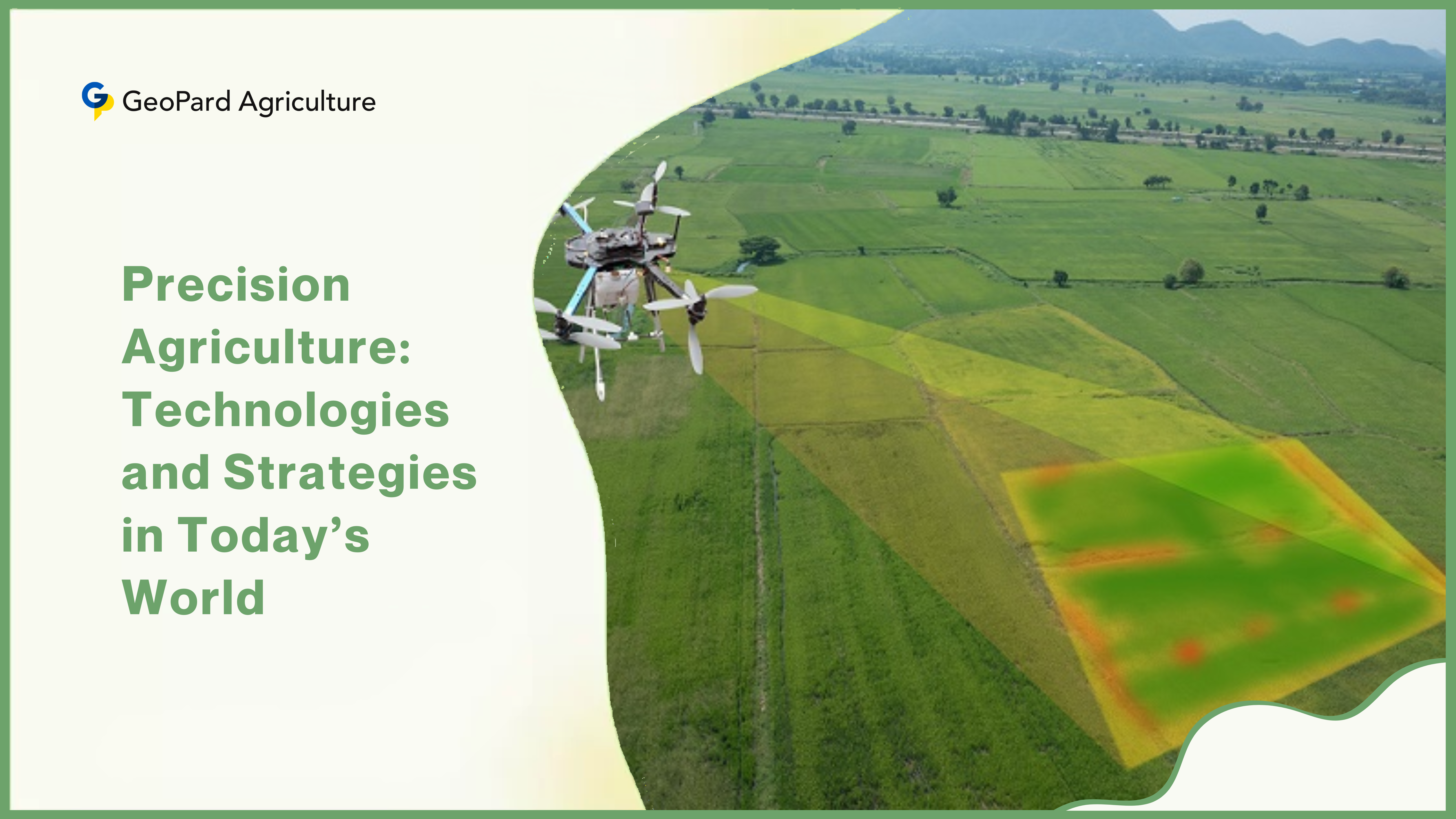


The adoption of precision agriculture technologies is growing, with large-scale farms leading the way in integrating advanced tools to enhance efficiency, reduce costs, and increase crop yields.
According to a report from the U.S. Department of Agriculture (USDA), nearly 70% of large-scale farms, defined as those grossing over $1 million annually, are utilizing technologies such as yield monitors, autosteering systems, and soil maps to improve their operations.
This is a significant contrast to just 13% of small-scale farms that reported using similar technologies in 2023, as per the USDA’s Economic Research Service.
Why Larger Farms Are More Likely to Adopt Precision Agriculture
Precision agriculture refers to the use of advanced technologies to optimize farming practices and maximize productivity. For larger farms, the benefits of these technologies are substantial.
With a focus on increasing crop yields, lowering operational costs, and managing unpredictable weather and market fluctuations, large-scale farms have more financial resources to invest in technology. This makes it easier for them to adopt tools that require substantial upfront costs, such as yield monitors, autosteering systems, and automated equipment.
According to the USDA survey, the disparity in technology adoption is stark. While 68% of large-scale farms used decision-support technologies such as yield monitors and soil maps, only 13% of small-scale farms employed these tools.
The report underscores that larger operations not only have the financial capability to invest in such technologies but can also benefit more from their implementation.
Precision agriculture technologies, especially those focused on automation and data-driven decision-making, can lead to higher efficiency, better resource management, and ultimately higher profit margins.
Key Technologies Driving Precision Agriculture Adoption
Among the various precision agriculture tools available, several stand out for their widespread use on large farms:
1. Yield Monitors: These devices measure the quantity and quality of crops as they are harvested. By providing real-time data, yield monitors allow farmers to assess field variability and make informed decisions on crop management and resource allocation.
2. Guidance Autosteering Systems: These systems are integral to large-scale farm equipment such as tractors and harvesters. Autosteering uses GPS technology to guide equipment, reducing human error and optimizing the accuracy of operations like planting, fertilizing, and harvesting. According to the USDA report, 70% of large farms used autosteering systems, compared to just 9% of small farms.
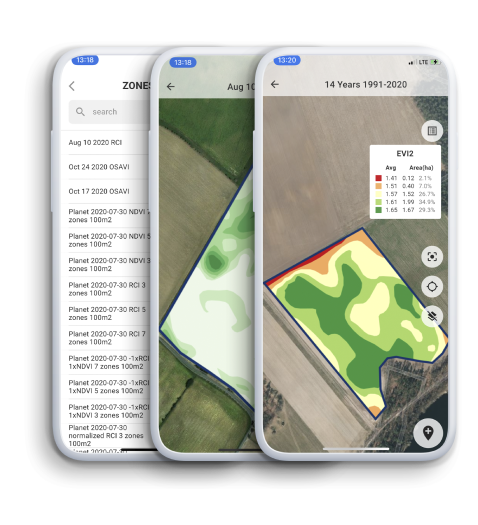
3. Soil Maps and Data Analytics: Soil mapping technology provides detailed information about the soil conditions across a farm, enabling farmers to make precise decisions about irrigation, fertilization, and planting. By understanding the variability of soil composition and moisture levels, large-scale farmers can increase yields and reduce input costs.
Factors Influencing Technology Adoption
The USDA report highlights several factors that influence the adoption of precision agriculture, with farm size and financial resources being the most significant. Larger farms, with higher revenues and the ability to make long-term investments, are more likely to adopt technologies that require substantial upfront capital.
On the other hand, smaller operations, especially those generating less than $150,000 per year, face challenges in justifying the initial investment due to limited budgets and lower profit margins.
In addition to financial constraints, the nature of the farm also plays a role in technology adoption. Retirement farms, or those operated by farmers approaching retirement, are often less inclined to invest in new technologies, as their long-term involvement in the farming business may be uncertain.
For these operations, the benefits of precision agriculture might not outweigh the costs, particularly if the farmer plans to phase out of active farming in the near future.
The Struggle for Widespread Adoption
While precision agriculture technologies offer clear advantages, their widespread adoption has been slower than expected. Despite the growing use of tools like yield monitors and autosteering systems on large farms, certain technologies have yet to gain significant traction across farm sizes.
Drones, wearable livestock monitoring devices, and robotic milkers, for example, remain underutilized even among larger-scale farms.
The use of drones, which are often seen as a promising tool for crop monitoring and field analysis, was reported by just 12% of large-scale family farms in 2023.
Other high-tech tools, such as robotic milkers and wearable devices for livestock, also saw low adoption rates, with farmers hesitant to embrace these technologies due to cost, complexity, or uncertain benefits.
The Role of Equipment Manufacturers
As the demand for precision agriculture continues to grow, agricultural equipment manufacturers are ramping up their investments in advanced technologies.
Companies are developing more affordable and accessible solutions to meet the needs of a broader range of farmers, including those with smaller operations. However, despite these efforts, the market remains challenging, with many farmers still hesitant to adopt new technologies amid a tough agricultural economy.
Manufacturers are also focusing on creating automated systems that can help optimize the performance of tractors, combines, and other farming machinery. These innovations are aimed at helping farmers reduce labor costs and increase productivity, ensuring that precision agriculture technologies become more appealing to farmers of all sizes.
Concluzie
Precision agriculture technologies offer substantial benefits to farmers, particularly those managing large-scale operations. With tools such as yield monitors, autosteering systems, and soil maps, large farms can optimize their productivity, reduce costs, and navigate the challenges posed by volatile markets and unpredictable weather.
However, the high upfront costs of these technologies continue to hinder adoption among smaller farms, particularly those with limited financial resources.
Agricultură de precizie



 English
  German
  Ukrainian
  French
  Kazakh
  Portuguese
  Spanish
  Arabic
  Swedish
  Serbian
  Romanian
  Norwegian
  Finnish
  Lithuanian
  Estonian
  Latvian
  Croatian
  Slovenian
  Slovak
  Japanese
  Polish