How YOLOv8-Based Multi-Weed Detection Boosts Cotton Precision Agriculture?

Cotton farming is a vital part of agriculture in the United States, contributing significantly to the economy. In 2021 alone, farmers harvested over 10 million acres of cotton, producing more than 18 million bales valued at nearly 7.5billion. Despite its economic importance, cotton cultivation faces a major challenge: weeds.

Weeds, which are unwanted plants growing along side crops, compete with cotton plants for essential resources like water, nutrients, and sunlight. If left uncontrolled, they can reduce crop yields by upto 50Beyond financial strain, excessive herbicide use raises environmental concerns, contaminating soil and water sources.

To address these challenges, researchers are turning to precision agriculture technologies—a farming approach that uses data-driven tools to optimize field-level management. One groundbreaking solution is the YOLOv8 model—a cutting-edge AI tool for real-time weed detection.

The Rise of Herbicide Resistance and Its Impact

The widespread adoption of herbicide-resistant (HR) cotton seeds since 1996 has transformed farming practices. HR crops are genetically modified to survive specific herbicides, allowing farmers to spray chemicals like glyphosate directly over crops without harming them.

By 2020, 96% of U.S. cotton acreage used HR varieties, creating a cycle of dependency on herbicides. Initially, this approach was effective, but over time, weeds evolved resistance through natural selection.

Today, herbicide-resistant weeds infest 70% of U.S. farms, forcing farmers to use 30% more chemicals than a decade ago. For example, Palmer Amaranth, a fast-growing weed with a high reproductive rate, can reduce cotton yields by 79% if not controlled early.

Impact of Herbicide Resistance on U.S. Farms

The financial burden is immense: managing resistant weeds costs farmers billions annually, while herbicide runoff contaminates 41% of freshwater sources near farmland. These challenges highlight the urgent need for innovative solutions that reduce reliance on chemicals while maintaining crop productivity.

Machine Vision: A Sustainable Alternative for Weed Management

In response to the herbicide resistance crisis, researchers are developing machine vision systems—technologies that combine cameras, sensors, and AI algorithms—to detect and classify weeds accurately. Machine vision mimics human visual perception but with greater speed and precision, enabling automated decision-making.

These systems enable targeted interventions, such as robotic weeders that remove plants mechanically or smart sprayers that apply herbicides only where needed. Early versions of these technologies struggled with accuracy, often misidentifying crops as weeds or failing to detect small plants.

However, advancements in deep learning—a subset of machine learning that uses neural networks with multiple layers to analyze data—have dramatically improved performance. Convolutional Neural Networks (CNNs), a type of deep learning model optimized for image analysis, excel at recognizing patterns in visual data.

The You Only Look Once (YOLO) family of models, known for their speed and accuracy in object detection, has become particularly popular in agriculture. The latest iteration, YOLOv8, achieves over 90% accuracy in weed detection, making it a game-changer for precision agriculture.

The CottonWeedDet12 Dataset: A Foundation for Success

Training reliable AI models requires high-quality data, and the CottonWeedDet12 dataset is a critical resource for weed detection research. A dataset is a structured collection of data used to train and test machine learning models.

Collected from research farms at Mississippi State University, this dataset includes 5,648 high-resolution images of cotton fields, annotated with 9,370 bounding boxes identifying 12 common weed species. Bounding boxes are rectangular frames drawn around objects of interest (e.g., weeds) in images, providing precise locations for training AI models. Key features include:

  • 12 weed classes: Waterhemp (most frequent), Morningglory, Palmer Amaranth, Spotted Spurge, and others.
  • 9,370 bounding box annotations: Expertly labeled using the VGG Image Annotator (VIA).
  • Diverse conditions: Images captured under varying light (sunny, overcast), growth stages, and soil backgrounds

CottonWeedDet12 Dataset

The weeds range from Waterhemp (the most frequent) to Morningglory, Palmer Amaranth, and Spotted Spurge. To ensure the dataset reflects real-world conditions, images were captured under varying lighting (sunny, overcast) and at different growth stages.

For example, some weeds appear as small seedlings, while others are fully grown. Additionally, the dataset includes diverse soil backgrounds and plant arrangements, mimicking the complexity of actual cotton fields.

Before training the YOLOv8 model, researchers preprocessed the data to enhance its robustness. Preprocessing involves modifying raw data to improve its suitability for AI training. Techniques like Mosaic augmentation—which combines four images into one—helped simulate dense weed populations.

Other methods, such as random scaling and flipping, prepared the model to handle variations in plant size and orientation.

  • Scaling (±50%), shearing (±30°), and flipping to mimic real-world variability.

A visualization technique called t-SNE (t-Distributed Stochastic Neighbor Embedding)—a machine learning algorithm that reduces data dimensions to create visual clusters—revealed distinct groupings for each weed class, confirming the dataset’s suitability for training models to recognize subtle differences between species.

YOLOv8: Technical Innovations and Architectural Advancements

YOLOv8 builds on the success of earlier YOLO models with architectural upgrades tailored for agricultural applications. At its core is CSPDarknet53, a neural network backbone designed to extract hierarchical features from images. A neural network backbone is the primary component of a model responsible for processing input data and extracting relevant features.

CSPDarknet53 uses Cross Stage Partial (CSP) connections—a design that splits the network’s feature maps into two parts, processes them separately, and merges them later—to improve gradient flow during training.

Gradient flow refers to how effectively a neural network updates its parameters to minimize errors, and enhancing it ensures the model learns efficiently. The architecture also integrates a Feature Pyramid Network (FPN) and a Path Aggregation Network (PAN), which work together to detect weeds at multiple scales.

  • FPN: Detects multi-scale objects (e.g., small seedlings vs. mature weeds).
  • PAN: Enhances localization accuracy by fusing features across network layers.

The FPN is a structure that combines high-resolution features (for detecting small objects) with semantically rich features (for recognizing large objects), while the PAN refines localization accuracy by fusing features across network layers. For instance, the FPN identifies small seedlings, while the PAN refines the localization of mature weeds.

YOLOv8 Technical Innovations and Architectural Advancements

Unlike older models that rely on predefined anchor boxes—pre-set bounding box shapes used to predict object locations—YOLOv8 uses anchor-free detection heads. These heads predict the centers of objects directly, eliminating complex calculations and reducing false positives.

This innovation not only boosts accuracy but also speeds up processing, with YOLOv8 analyzing an image in just 6.3 milliseconds on an NVIDIA T4 GPU—a high-performance graphics processing unit optimized for AI tasks.

The model’s loss function—a mathematical formula that measures how well the model’s predictions match the actual data—combines CloU loss for bounding box accuracy, cross-entropy loss for classification, and distribution focal loss to handle imbalanced data. CloU (Complete Intersection over Union) loss improves bounding box alignment by considering the overlap area, center distance, and aspect ratio between predicted and actual boxes.

Mathematically, the total loss is: L(θ)=7.5⋅Lbox+0.5⋅Lcls+0.375⋅Ldfl+Regularization

Cross-entropy loss evaluates classification accuracy by comparing predicted probabilities to true labels, while distribution focal loss addresses class imbalance by penalizing the model more for misclassifying rare weeds.

When compared to previous YOLO versions, YOLOv8 outperforms them all. For example, YOLOv4 achieved a mean Average Precision (mAP) of 95.22% at 50% bounding box overlap, while YOLOv8 reached 96.10%. mAP is a metric that averages precision scores across all categories, with higher values indicating better detection accuracy.

Similarly, YOLOv8’s mAP across multiple overlap thresholds (0.5 to 0.95) was 93.20%, surpassing YOLOv4’s 89.48%. These improvements make YOLOv8 the most accurate and efficient model for weed detection in cotton fields.

Training the Model: Methodology and Results

To train YOLOv8, researchers used transfer learning—a technique where a pre-trained model (already trained on a large dataset) is fine-tuned on new data. Transfer learning reduces training time and improves accuracy by leveraging knowledge gained from previous tasks.

The model processed images in batches of 32, using the AdamW optimizer—a variant of the Adam optimization algorithm that incorporates weight decay to prevent overfitting—with a learning rate of 0.001.

Over 100 epochs (training cycles), the model learned to distinguish weeds from cotton plants with remarkable precision. Data augmentation strategies, such as randomly flipping images and adjusting their brightness, ensured the model could handle real-world variability.

To train YOLOv8, researchers used transfer learning—a technique

The results were impressive. Within the first 20 epochs, the model achieved over 90% accuracy, demonstrating rapid learning. By the end of training, YOLOv8 detected large weeds with 94.40% accuracy.

However, smaller weeds proved more challenging, with accuracy dropping to 11.90%. This discrepancy stems from the dataset’s imbalance: large weeds were overrepresented, while small seedlings were rare. Despite this limitation, YOLOv8’s overall performance marks a significant leap forward.

Challenges and Future Directions

While YOLOv8 shows immense promise, challenges remain. Detecting small weeds is critical for early intervention, as seedlings are easier to manage.

To address this, researchers propose using generative adversarial networks (GANs)—a class of AI models where two neural networks (a generator and a discriminator) compete to create realistic synthetic data—to generate artificial images of small weeds, balancing the dataset.

Another solution involves integrating multi-spectral imaging, which captures data beyond visible light (e.g., near-infrared) to enhance contrast between crops and weeds. Near-infrared sensors detect chlorophyll content, making plants appear brighter and easier to distinguish from soil.

Future versions of YOLO, such as YOLOv9 and YOLOv10, may further improve accuracy. These models are expected to incorporate transformer layers—a type of neural network architecture that processes data in parallel, capturing long-range dependencies more effectively than traditional CNNs—and dynamic feature pyramids that adapt to object sizes. Such advancements could help detect small weeds more reliably.

For farmers, the next step is field testing. Autonomous weeders equipped with YOLOv8 and cameras could navigate rows of cotton, removing weeds mechanically. Similarly, drones with AI-powered sprayers might target herbicides precisely, reducing chemical use by up to 90%.

These technologies not only cut costs but also protect ecosystems, aligning with the goals of sustainable agriculture—a farming philosophy that prioritizes environmental health, economic profitability, and social equity.

Secinājums

The rise of herbicide-resistant weeds has forced agriculture to innovate, and YOLOv8 represents a breakthrough in precision weed management. By achieving 96.10% accuracy in real-time detection, this model empowers farmers to reduce herbicide use, lower costs, and protect the environment.

While challenges like detecting small weeds persist, ongoing advancements in AI and sensor technology offer solutions. As these tools evolve, they promise to transform cotton farming into a more sustainable and efficient practice. In the coming years, integrating YOLOv8 into autonomous systems could revolutionize agriculture.

Farmers may rely on smart robots and drones to manage weeds, freeing time and resources for other tasks. This shift toward data-driven farming not only safeguards crop yields but also ensures a healthier planet for future generations. By embracing technologies like YOLOv8, the agricultural industry can overcome the challenges of herbicide resistance and pave the way for a greener, more productive future.

Reference: Khan, A. T., Jensen, S. M., & Khan, A. R. (2025). Advancing precision agriculture: A comparative analysis of YOLOv8 for multi-class weed detection in cotton cultivation. Artificial Intelligence in Agriculture, 15, 182-191. https://doi.org/10.1016/j.aiia.2025.01.013

Kā mēs varam kontrolēt nezāles ar mainīgu normu uzklāšanu?

This article aims to provide an overview of the usage of herbicides (herbicide application) in variable rate application (VRA) to control weeds more precisely or precision weed control. As, precision agriculture allows the mapping of soil physicochemical properties, localized fertilizer application, pest monitoring, harvesting, and post-harvest operations.

Further, it also allow weed mapping and control of weeds (precision weed control) with site-specific sprays via weed mapping app or equipment or real-time systems, rationalizing pesticide use and minimizing environmental damage.

What is variable rate application technology?

Variable Rate Application (VRA) is a term used in precision agriculture to describe the process of applying the material so that the rate of application is adjusted depending on the exact location of the area to which the substance is being implemented or the characteristics of the region.

This method is distinct from uniform application and has the potential to both save money (by utilizing less product) and reduce the negative effect on the environment.
Variable Rate Application of Herbicides for Weed Management

What is a control variable?

A control variable, also known as a controlled variable or constant variable, is an element that is not changed throughout an experiment, because its unchanging state allows the relationship between other variables being tested to be more accurately identified and understood.

Control variables are crucial in scientific experiments to ensure that the results are valid and that a fair comparison can be made between experimental groups and control groups.

They are the factors in the experiment that are kept the same for all groups to ensure that it’s the independent variable (the variable you change) that is causing any observed change in the dependent variable (the variable you measure).

For example, if you were conducting an experiment to see how different fertilizers affect plant growth, the type of fertilizer would be your independent variable. The plant growth would be the dependent variable.

Control variables could include the type of plant used, the amount of sunlight the plants receive, the amount of water each plant gets, etc. By controlling these variables, you can be more confident that any differences in plant growth are due to the different fertilizers, and not to other factors.

Variable rate technology equipment for precision weed control

The control systems available on the market today may be adapted to various precise applications, and there are many different kinds of control systems to choose from. To make this debate more manageable, we shall group them into one of three groups.

1. Flow-based control system

The flow-based control of a tank combination is the most straightforward method out of the three described in this article. These systems use an electronic controller in conjunction with a flow meter, a ground speed sensor, and a controlled valve or servo valve to apply the required rate of the tank mix.

A microprocessor located in the console gathers data on the sprayer width and the intended number of gallons per acre to determine the flow rate optimal for the level of ground speed currently being experienced. The servo valve is adjusted, either open or closed until the flowmeter’s reading corresponds to the estimated flow rate.

An application for a variable rate may be created if a communication connection can be made between this controller and a “map system.”

2. Direct injection

Direct injection of the chemical into a flowing body of water is an additional method that may be used to apply and manage chemicals. In these systems, the chemical injection rate is operated by a controller in conjunction with a chemical pump.

These systems do not control the flow rate of a tank mix. In most cases, the flow rate of the carrier remains unchanged. Still, the injection rate is changed to account for fluctuations in ground speed or changes in the requested rate. Again, for the system to be utilized for variable rate application, the controller must be constructed to take an external command or be updated to accept such a command.

Chemical injection eradicates any residual tank mix and decreases the chance of being exposed to toxins. The steady flow of carriers may be altered in this system’s operation to run the boom nozzles to create droplets with a desired size and distribution is an additional benefit of this system.

3. Direct chemical injection with carrier control

When the chemical injection is combined with carrier control, the control system must adjust both the chemical injection rate and the rate at which the water carrier is delivered to accommodate changes in either the speed or the application rate.

One control loop is responsible for managing the injection pump, while another controller is in charge of operating a servo valve to produce a proportional flow of water. An excellent example of this sort of system would make a mixture with a consistent concentration, precisely as if it were being drawn from a tank that was already mixed.

The system has the potential to possess many of the benefits offered by the two preceding systems. Because the chemical is injected directly into the tank, there is no risk of contamination from the residual mixture. The operator does not come into contact with any hazardous substances while the tank is being mixed.

The transition from one rate to another happens as rapidly as the chemical and carrier control can making the necessary adjustment is often an extremely speedy process.

Weed density map  and variable rate application (VRA) of herbicide

Suppose you perform a fair bit of spraying and want to avoid the dangers of tank mixing. In that situation, these frameworks will give you much control over your spraying activities and offer the potential to implement variable rates of herbicides from a pre-planned map.

Sensor-Based VRA of herbicides

The application might be based on maps or sensors, which can happen at an inconsistent rate. It is unnecessary to produce an earlier topographic map since sensor-based VRA can gather data on the presence of weeds and analyze the information in fractions of a second before applying herbicides.

Without mapping or previous data collecting, sensor-based systems can adjust the application rate. Sensors detect the necessary attributes in real-time, even when they are moving. The measurements that are taken by the system are analyzed very instantly and then provided to the controller. The controller will then carry out the application at a varying pace.

Sensors do not inherently need the deployment of a positioning system, the construction of a map, or substantial data analysis before creating the VRA. Compared with the approach that relies on maps, this system is quicker and more efficient. Still, it also provides a higher level of precision.

Variable rate application (VRA) of herbicides in preemergence

The precision weed control that has not yet germinated is the purpose of an herbicide application in preemergence. The herbicide treatment is made immediately in the soil. As soon as the seeds or propagules sprout, they may absorb the herbicide.

However, for this to happen, the herbicide used has to be bioavailable in the soil solution. Due to the interactions between herbicides and soil, which are controlled by various physical, chemical, and biochemical mechanisms, the application of herbicides in preemergence leads to a variety of possible destinations.

VRA of herbicides in postemergence

The precision weed control of weeds that have already made their appearance in the field targets a treatment known as postemergence. As a result, the application will focus on the section of the plant species found above ground.

For the VRA to be used in the postemergence phase of treatment, the system must have access to information on the weed population in the zone. Both the map-based and the sensor-based techniques can collect this information. Therefore, any approach may be used for dealing with postemergence VRA.

The whole process of data gathering and map production for postemergence herbicide application must be completed as rapidly as possible. The weed dynamics may shift, and the infestation levels can rise in days, rendering the suggestion map irrelevant.

There is no need to do an earlier mapping of the field before administering postemergence herbicides using an approach based on real-time sensor data. The process of spraying relies on sensors that are mounted to the sprayer. These sensors are responsible for locating weeds and determining the appropriate herbicide dosage.

When selecting the best solution provider of precision weed control and variable-rate application, GeoPard seems to be the ideal choice. Some of its significant offered opportunities are:

  • The generation of VRA maps is fit for use with the majority of agricultural equipment.
  • No export restrictions will be placed on management zones or VRA maps.
  • Streamline incorporation of its maps into your already established procedures to simplify precision weed control.

With the help of VRA maps, deliver the proper agricultural inputs that will work for you in the suitable data zones and practices, such as fertilization, crop protection, planting, water management, herbicide application, and other similar practices. Establish unit prices and discover unit and total expenses.

Iekārtas un tehnoloģijas nezāļu ierobežošanai ar mainīgu devu

It is anticipated that by the time the year 2050 draws to a close, the population of our planet will have increased to 9 billion people. In concrete words, what does this involve with regard to the manner in which they need to be fed?

As long as there is an increasing need for food, it is logical to anticipate that there will not be any additional expansion of land that is used for agricultural purposes. Because of this, it drives us to put in a higher amount of work and determination in the direction of increasing productivity and making the most effective use of resources possible.

The good news is that precision agriculture, which is a term that refers to a group of technologies, may help in the effort to achieve these requirements.

In precision agriculture, the use of variable-rate technology (VRT), in particular, may help to ensure weed control while also allowing for the most efficient use of herbicides and a smaller negative impact on the environment. These benefits can be achieved without compromising crop yields or quality.

While we are discussing herbicides, it is essential to point out that the treatment of herbicide levels may alter depending on the field and the application of the variable-rate formula. This is something that has to be had in mind at all times.

When the herbicide is redistributed to sections of the field where it is needed the most, considering the soil’s varying conditions, the degree of weed control that is achieved will remain consistent.

In a way that is comparable to this, the variable rate of spraying or application of herbicides will serve as the principal focus of the conversation that will take place throughout the length of this essay.

This will entail describing the variable rate at which herbicides are applied, the exact manner in which herbicides are applied, how the rate of application is determined, and how the application process itself works.

What is the variable rate of herbicide application?

It is recommended to use certain doses of herbicides over large areas; however, this recommendation does not take into account a variety of characteristics that contribute to the historically important and spatially diverse nature of traditional agriculture.

What is the variable rate of herbicide application

It is essential to bear in mind that a significant amount of the costs connected with crop production are attributable to the use of herbicides for the purpose of weed control. This leads to large financial losses whenever herbicides are employed at a steady rate (whether these losses are direct or indirect).

In addition, herbicides that find their way into rivers and groundwater may be the source of environmental pollution. With the use of technologies like variable rate application (VRA) and other Precīzā lauksaimniecība practices, it is possible that these problems might be mitigated to some extent.

VRA takes into consideration a number of various variables while administering herbicides, including the location, area, type of infestation, soil conditions, and weed density in herbicide application, among other things.

As a direct consequence of this, we are better able to eradicate weeds and reduce our impact on the surrounding environment. The removal of overdoses and underdoses is facilitated by the variable-rate spraying of herbicides, which is achieved by integrating the sprayer system with the variable rate control system.

For the purpose of providing you with information, the primary components of the variable rate control system may include, but are not limited to, a terminal or display that is capable of supporting VR spraying, GPS equipment, and variable rate nozzle control (section control or each nozzle rate control).

What is the application of herbicides?

Here we are going to discuss different applications of herbicides:

  • Herbicides are an excellent tool for manipulating or managing vegetation that is undesirable. Herbicides, in their most basic form, are agricultural chemicals that are often used in row crop farming to increase crop protection and production by eliminating other vegetation. These herbicides may be administered either before or during the planting process.
  • In addition to this, using it on crops in the autumn makes it possible to improve harvesting, which is another benefit.
  • Herbicides are another tool that forest managers may use to get logged areas ready for replantation and ready for future growth. In comparison to farming, landscaping has a much larger total covered area and amount of material used. Despite this, the frequency of applications is not very high.
  • It is common practice in suburban and metropolitan regions to apply herbicides to golf courses, lawns, parks, and bodies of water in order to control the growth of aquatic weeds, as well as to other types of terrain.
  • Herbicides that are considered to be contact herbicides, such as sulfuric acid, paraquat, and diquat, are applied to just the parts of the plant that they come into contact with. On the other hand, translocated herbicides such as amitrole and picloram are useful when utilized for roots or other organs while traveling from above-the-ground treated surfaces (soil) to those organs. This is the case when the herbicides are transported to the target organs.
  • Herbicides may be broken down into a few distinct categories according to when they should be applied, the most common of which are pre-plant, pre-emergence, and post-emergence weed killers. For the record, pre-plant herbicides may be applied to the soil or the weeds before sowing agricultural seeds.
  • The application of herbicides to row farmland has become more user-friendly because of the development of specialized machinery such as sprayers, spreaders, and equipment for integrating herbicides into the soil. In addition to that, it has also substantially simplified the process of controlling weeds.
  • The jar technique is often used to apply certain herbicides, such as sodium arsenite. With this procedure, the tips of the weeds are folded over and then buried in jars containing a hazardous solution. The herbicide seeps into the remaining parts of the plant as well as any related plants, eventually causing death across the whole system.

How is the herbicide application rate calculated?

In order to achieve successful weed control, it is necessary to apply herbicides in a homogenous manner and in the appropriate amounts.

How is the herbicide application rate calculated

A very little variation in the pace at which herbicides, pesticides, or even other chemicals are applied might result in inadequate pest control, harm to the crop or the environment, and ultimately a loss of time, energy, and money. There are three different ways that herbicide rates might be expressed.

  • The active ingredient refers to the quantity of the acid herbicide included in a formulation per acre of land that was treated.
  • Pounds/volume of commercial product produced per acre.
  • The acid equivalent refers to the quantity of the acid herbicide included in a formulation per acre of land that was treated.

When it comes to applying them, herbicides are either spread out uniformly across the whole of the field surface in a process known as “broadcasting,” or they are administered in thin strips of herbicide that are concentrated over the row (in bands). Keep in mind that the space in between the rows in the latter scenario is not addressed in any way.

In the meanwhile, the transmission rate of the application should be the same as that of the band and the broadcast regions. The needed quantity of herbicide may be reduced by as much as two-thirds if the application is banded across the row and if mechanical cultivation is used to control the weeds in the center of the row.

For instance, whereas applying herbicide in 10-inch bands across 30-inch rows requires just one pound of herbicide, using herbicide in a broadcast application at a rate of three pounds per acre necessitates using three pounds of herbicide for each crop acre area.

In addition, you may calculate the total quantity necessary for the band application by multiplying the broadcast rate by the bandwidth and then dividing the result by the row width.

How does variable rate herbicide application work?

Precision agriculture makes use of a wide variety of technologies, including variable-rate herbicide treatments. These technologies include anything from satellites and drones to artificial intelligence and hyperspectral imaging.

How does variable rate herbicide application work

It is essential to have a solid understanding of the wide range of applications for the technology being deployed.

The administration of herbicides at varying rates is a common agricultural operation that may be entirely automated with the use of suitable variable-rate spraying technology (VRT). The following is an instruction for spraying herbicides using a VRT.

Zoning – management zones

The phrase “management zones” refers to discrete portions of a field in which various kinds of materials need to be treated at the appropriate times.

It is required to determine which zones the equipment should apply certain materials in order to perform precision agriculture and employ variable rate herbicide application. Both of these practices need the usage of variable rate herbicide application.

It is vital to first create acceptable vadības zonas before applying herbicides using technology that enables variable-rate spraying or application. This is because variable-rate spraying or application can only be made effectively when proper management zones are in place.

In addition to this, it is of the utmost importance to enter these particulars as precisely as possible into the VRA system.

Map-Based vs. Sensor-Based VRA

The use of sensors or maps in the application of variable-rate herbicides are both viable options; however, it is up to you to choose the strategy that is going to work best in your specific environment.

Another element that might potentially have an influence is the limits of the technology that is used in the process of applying variable rates.

In order to use map-based VRT, you will first need to create a map of the terrain (either field potential maps, bare soil maps, or your very own unique index), and then you will need to input that map into the system.

Field potential maps and bare soil maps are two examples of the types of maps that can be used.

On the other hand, the approach based on sensors is able to instantly detect data that is used to aid it in selecting the appropriate herbicide to apply. It may, for instance, identify the status of the crop before making a judgment about what to do with it.

What data or imagery should be used

The very last thing that has to be done is to figure out what types of data the sensors should gather and what kinds of photographs should be utilized in the mapping. A large number of VRA solutions identify information about the scene by making use of drones or other photography equipment, such as a sensor that is integrated into the app’s physical hardware.

Aside from that, additional information that is crucial for the application of herbicides includes the conditions of the soil and the components that are in it, the sort of crop that is being grown, the average temperature, and the speed at which the vehicle is traveling.

By using the technologies that allow for variable rate spraying, one is able to get all of this information as well as additional specifics.

In conclusion, the primary function of the variable rate herbicide application technology is to detect the essential information about the intended landscape and then make judgments based on the information that has been recovered from the landscape.

The decisions that are made by variable-rate spraying technology systems help determine which kinds of herbicides should be employed in which kinds of land areas at what kinds of rates. These decisions may help prevent the spread of weeds and other unwanted plant life.


Biežāk uzdotie jautājumi


1. What seeds to direct sow?

Direct sow seeds are those that can be planted directly into the ground where they will grow, without the need for transplanting. Examples of seeds that are commonly direct sown include beans, peas, corn, carrots, radishes, and lettuce.

These seeds are typically hardy and have a good germination rate, allowing them to establish well when directly planted in the soil. However, it is important to follow the specific instructions for each seed variety regarding proper planting depth, spacing, and timing to ensure successful direct sowing.


Ekoloģiska nezāļu apsaimniekošana: prakses un metodes

Ekoloģiskā nezāļu pārvaldība (ENP) ir ilgtspējīga nezāļu apkarošanas pieeja, kas koncentrējas uz nezāļu ekoloģijas izpratni un šo zināšanu izmantošanu, lai radītu lauksaimniecības sistēmas, kas kavē nezāļu iesakņošanos un augšanu.

Kā pareizi pārvaldīt nezāles?

Ar nezāļu apsaimniekošanu saprot sistemātisku pieeju un praksi, ko izmanto, lai kontrolētu nezāļu augšanu un izplatīšanos. Nezāles šajā kontekstā parasti ir augi, kas aug tur, kur tie nav vēlami, bieži vien konkurējot ar kultūraugiem par resursiem, piemēram, vietu, gaismu, ūdeni un barības vielām.

Tas ir ļoti svarīgi lauksaimniecībā, kur nekontrolēta nezāļu augšana var būtiski ietekmēt ražas un lauksaimniecības produktivitāti. Tas ir svarīgi arī citos kontekstos, piemēram, dārzos, mauriņos un citās apsaimniekotās ainavās, kā arī dabiskās vidēs, kur invazīvi augu sugas var traucēt ekosistēmas.

Vārdnīcā tiek lietotas dažādas nezāļu apkarošanas metodes, tostarp:

  • Mehāniskā vai fizikālā kontrole: Tas var ietvert manuālu ravēšanu, pļaušanu vai aršanu. Mērķis ir fiziski atbrīvoties no nezālēm vai bojāt tās, lai samazinātu to augšanu un pavairošanos.
  • Ķīmiskā kontrole: Tas parasti ietver herbicīdu lietošanu, kas iznīcina nezāles vai kavē to augšanu. Herbicīdi var būt selektīvi (ietekmējot tikai noteiktus augu veidus) vai neselektīvi (ietekmējot visus augus, ar kuriem tie nonāk saskarē).
  • Kultūras kontrole: Tās ir metodes, kas padara augšanas vidi mazāk labvēlīgu nezālēm un vairāk labvēlīgu vēlamajiem augiem. Tas ietver tādas tehnikas kā augseka, seglu audzēšana un apūdeņošanas vai mēslošanas prakses pielāgošana.
  • Bioloģiskā kontrole: Tas ietver kaitīgo augu dabīgo ienaidnieku izmantošanu – piemēram, noteiktus kukaiņus, dzīvniekus vai mikroorganismus –, lai palīdzētu kontrolēt to augšanu.
  • Integrētā nezāļu apkarošana (INA) Šī pieeja apvieno iepriekš minētās metodes koordinētā, ilgtspējīgā veidā. Tā ietver regulāru nezāļu populāciju uzraudzību un stratēģiju pielāgošanu, pamatojoties uz konkrētajiem apstākļiem un sastopamajām nezāļu sugām.

Ekoloģiskā nezāļu apsaimniekošana

Ekoloģiska nezāļu apsaimniekošana ir vides draudzīgu metožu un tehniku kopums, kas paredzēts nezāļu novēršanai, samazināšanai vai izskaušanai lauksaimniecības zemēs vai dārzos.

Nezāļu apkarošanas metodes balstās uz ekoloģiskiem vai bioloģiskiem procesiem un materiāliem, kas nekaitē videi, atšķirībā no kaitīgajām ķimikālijām un herbicīdiem, kas stipri pasliktina augsni un vidi ne tikai agroekosistēmā, bet arī slimības.

Šī pieeja atzīst, ka mērķis ir nevis pilnībā izskaust nezāles, bet gan noturēt nezāļu populācijas zem tāda līmeņa, kurā tās būtiski ietekmē kultūraugu produktivitāti. Tā izmanto prakses, kas samazina nezāļu problēmu rašanās varbūtību jau sākotnēji un veicina vēlamo kultūraugu augšanu un veselību, lai tie pārspētu nezāles.

Paņēmieni, piemēram, izveidojot Augu secība, mulčēšana, segsējas kultūras, ūdens apsaimniekošana, sanitārija, auglība, augsnes apstrāde u. c. nerada draudus videi, bet var arī efektīvi apspiest visu veidu nezāles.

Šo izmaksu ziņā efektīvo un viegli pielāgojamo risinājumu nezāļu apkarošanai vai lauksaimniecībai un agrikultūrai kopumā efektivitāti var ievērojami palielināt, gūstot tehnisko pieredzi no lauksaimniecības platformām, piemēram, GeoPard Agriculture, kas nodrošina integrētu un viegli pieejamu pieeju ekoloģiskai nezāļu apkarošanai (EWM).

Izturīgos uzlabojumus nezāļu apkarošanā pamato:

  • Izpratne par ekoloģiskajiem principiem un procesiem.
  • Apgūstot problemātisko nezāļu sugu dzīves vēsturi un īpašības.
  • Rūpīgi apsverot un salīdzinot vadības iespējas.

Videi draudzīgas nezāļu apkarošanas metodes

Pļavas tiek uzskatīti par potenciālu kaitēkli, kas rada vairāk nekā 45 procentu zaudējumus lauku kultūru ražā, salīdzinot ar 2 procentiem slimību dēļ, 20 procentiem kukaiņu dēļ, 15 procentiem uzglabāšanas un dažādu kaitēkļu dēļ un 6 procentiem grauzēju dēļ. Nezāļu apkopei tiek tērēta gandrīz viena trešdaļa no kopējām lauku kultūru ražošanas izmaksām.

Indijā manuālā nezāļu apkarošanas metode ir diezgan populāra un efektīva. Pēdējā laikā darbaspēks ir kļuvis retāks un dārgāks, ņemot vērā lauksaimniecības intensifikāciju, diversifikāciju un urbanizāciju. Herbicideu lietošana Indijā un citur pasaulē pieaug, ņemot vērā iespējamos ieguvumus zemniekiem.

Tajā pašā laikā vienas un tās pašas herbicīdu grupas nepārtraukta lietošana ilgā laika periodā vienā un tajā pašā zemes gabalā rada ekoloģisku nelīdzsvaru nezāļu sastāva izmaiņu, nezāļu herbicīdu rezistences un dažādu piesārņojumu veidā.

Herbicīdu lietošana dīķu ūdensaugu apkarošanai samazina arī izšķīdušā skābekļa un pH līmeni, kā arī palielina bioloģiskās skābekļa patēriņu.

Ekoloģiska nezāļu apsaimniekošana: prakses un metodes

  1. Herbicīdu lietošana var arī iznīcināt baktēriju, sēņu un protozoju sugas, kas apkaro slimības izraisošus mikroorganismus, tādējādi traucējot patogēnu un labvēlīgo organismu līdzsvaru un ļaujot oportūnistiem, slimības izraisošiem organismiem kļūt par problēmu.
  2. Šo situāciju sarežģītība ir radījusi nepieciešamību izveidot holistisku, ilgtspējīgu un videi draudzīgu nezāļu apsaimniekošanas programmu visam lauksaimniecības periodam.
  3. Attiecībā uz vidi, ideālai ilgtspējīgai lauksaimniecībai nevajadzētu piesārņot ekosistēmu, nebūtu jābūt atkarīgai no neatjaunojamiem resursiem vai jābojā atjaunojamos.

Drīzāk tā būtu jānodrošina cilvēkus ar uzturvielām bagātu pārtiku, kā arī noderīgām izejvielām un jānodrošina apmierinoša un nepārtraukta atdeve no efektīviem ieguldījumiem lauksaimniecības saimniecībās.

Ilgtspējīga un ekoloģiska nezāļu apsaimniekošana ir tādu nezāļu apkarošanas metožu izmantošana, kas ir sociāli pieņemamas, videi draudzīgas un rentablas.

Ekoloģiskās nezāļu apsaimniekošanas mērķi

Ilgtspējīgas nezāļu apsaimniekošanas mērķi ir šādi:

  • Lai optimāli izmantotu esošos resursus, var izmantot nezāļu apkarei.
  • Ieviest audzēšanas metodes, kas ne tikai apkaro nezāles, bet arī nāk par labu augsnei, un novērtēt nezāļu apkarošanas sistēmu ietekmi.
  • Lai panāktu pārveidi, ar kuru ķīmiskos herbicīdus aizstāj atjaunojamā enerģija un pārstrādātie minerālresursi.
  • Lai nodrošinātu, ka saimniecības darbinieki, lauksaimniecības dzīvnieki un visi saimniecībai vai apkārtējām teritorijām saistītie cilvēki nekavē veselību.
  • Lai saglabātu un uzlabotu ekosistēmu un dabu.
  • Lai lauksaimniecības darbības būtu ekonomiski dzīvotspējīgas.
  • Lai nodrošinātu zemniekam pienācīgu finansiālu ienākumu, kas ļautu veikt regulāru ražošanu un nodrošināt kopienas labklājību
  • Lai nodrošinātu pietiekami daudz augstas kvalitātes un uzturvielām bagāta pārtikas.
  • Lai attīstītu pieejamās nezāļu apkarošanas tehnoloģijas, zināšanas un prasmes tādā veidā, kas atbilst vietējiem apstākļiem un spējām.

Bioloģiskās nezāļu apkarošanas metodes

Augmaiņa

Augu, kultūru rotācija tiek uzskatīta par vienu no nozīmīgākajām jebkuras ekoloģiskās nezāļu apkarošanas sastāvdaļām. Augu, kultūru rotācija, kā jau nosaukums norāda, ir vairāku kultūru rotācija vienā un tajā pašā zemē laika gaitā plānotā veidā.

Galvenais iemesls kultūraugu diverstības izmantošanai kā vienai no galvenajām ekoloģiskās nezāļu apsaimniekošanas metodēm ir tāda, ka nezāles plaukst, ja apstākļi ilgstoši nemainās.

Ja jūsu apvidū saglabājas tāda paša veida kultūra, izmantojot monokultūras metodi, nezālēm gadu gaitā nebūs nekādas pretestības pielāgoties tiem pašiem apstākļiem.

Bioloģiskās nezāļu apkarošanas metodes

Tādējādi, ieviešot vairāku kultūraugu sugas vai pat lauku atstājot neapstrādātu starp sējumiem, lai izveidotu sējas maiņu, nezāles būs neziņā par to, kas sekos, un tās iznīks pirms spēs saprast, kā augt un vairoties jaunajos apstākļos.

Šī ir efektīva metode ne tikai esošo nezāļu apkarošanai un pārvaldīšanai, bet arī samazinās vajadzību pēc turpmākas nezāļu apkarošanas ilgtermiņā.

Tomēr vislabākās augu seku sistēmas izvēle var būt izaicinājums, jo jāņem vērā augsnes barības vielu līmenis atkarībā no audzēšanas modeļa, kā arī katra auga prasības un tā saistība ar potenciālajām nezāļu sugām konkrētajā teritorijā.

Maksimālās ražas optimizēšana un tās saglabāšana pilnībā bioloģiskā veidā, lai efektīvi pārvaldītu nezāles, prasa tehniskas zināšanas un palīdzību, piemēram, GeoPard. Augsnes datu analītika un Kultūru uzraudzība.

Sējas maisījumi

Ja ir viena lieta, ko nezāles mīl, tad tā ir gaisma. Sējas maisījumi ir kultūras, kas neļauj gaismai sasniegt zemes līmeni, lai nezāles nevarētu dīgt, un, ja tās dīgst, to augšana tiks kavēta.

Ideālajai segseklai vajadzētu nodrošināt ātru agrīnu augšanu un pēc tam lapotnes aizvēršanos. Dažas no segsekla kultūrām varētu būt griķi, pupiņas, rutki vai lopbarības augi. Turklāt, dzesēšanas efekts, ko var uzskatīt par ēnojuma efekta blakusproduktu, ir arī ļoti svarīgs nezāļu augšanas apspiešanai jūsu saimniecībās.

Segumaugi ir svarīga augu seku cikla sastāvdaļa, un, izvēloties labāko segumu vai, vēlams, ideālu segumu kombināciju savām vajadzībām, ir nepieciešama īpaša aprūpe un pārdomas, lai tas ne tikai ekoloģiski apspiestu nezāles, bet arī varētu būt ienesīgs pats par sevi vai veicinot jūsu galvenās kultūras.

Jāatzīmē arī tas, ka daudzi papildu augi bagātina augsni ar barības vielām, un daži pat var pievienot zemei alēļu ķimikālijas, kas vēlāk kalpo kā nezāļu inhibitori.

Starpkultūru audzēšana

Starpkultūru audzēšana ietver jaunas kultūras iekļaušanu bieži vien galvenās kultūras rindstarpās. Tas parasti tiek darīts, lai nepaliktu vietas nezāļu augšanai jūsu zemē, un tas ir pierādīts kā efektīvs daudzos gadījumos.

Tomēr, ja starpkultūru suga nav izvēlēta efektīvi, tā var konkurēt ar galveno kultūru par gaismu, ūdeni vai barības vielām un pat radīt kaitīgāku efektu nekā nezāles.

Skautisms

Skautings ir bijis viens no uzticamākajiem veidiem, kā iegūt informāciju par nezāļu invāzijas apmēru un pakāpi jūsu laukā.

Parasti tas ietver sistemātisku datu vākšanu par kultūraugu veidu, izplatību un stadiju Jūsu laukā, bet ekoloģiskās nezāļu apsaimniekošanas gadījumā dati par nezālēm tiek ievākti, lai izveidotu plānu to efektīvai apkarošanai.

Portāls GeoPard Scouting Agrisolution ļauj jums agrīnā stadijā noteikt nezāles un kukaiņus, kā arī citas problēmas jūsu laukā, piemēram, sēnītes, slimības, utt., izmantojot viedos izlūkošanas rīkus.

Ar GeoPard izlūkošanas funkcijas palīdzību jūs varat viegli un bez piepūles automatizēt, plānot, veikt un ziņot par izlūkošanu.

Mulčas klāšana

Mulčēšana darbojas līdzīgi kā zaļmēslojums ekoloģiskā nezāļu apkarošanā. Mulčēšana ietver augsnes segšanu jūsu laukā ar vienu vai vairākiem mulčas slāņiem, kas var būt dzīvi, miruši organiskie vai neorganiskie.

1. Ietverošā mulča

Dzīvās mulčas, piemēram, āboliņš, tiek integrētas ar aramzemi kopā ar kultūraugu vai pirms/pēc tā. Tās palīdz apspiest nezāles, taču galvenokārt tiek izmantotas augsnes fizikālo īpašību un auglības uzlabošanai. Ja tiek izmantotas dzīvās mulčas, tās nedrīkst ļaut konkurēt ar galvenajām kultūrām, pastāvīgi apstrādājot tās.

2. Organiskais mulčas

Dažas no organiskajām mulčas sastāvdaļām ir salmi, miza, zāģu skaidas u.c. Bieži vien izmanto arī avīzes un sienu, veidojot vairākus slāņus.

Izmantotie organiskā mulčas materiāli galvenokārt ir atkarīgi no saimniecībā vai apvidū pieejamā veida, bet kopumā visiem tiem vajadzētu būt bioloģiski noārdāmiem un palielināt augsnes auglību. Tie darbojas kā nezāļu apspiešanas līdzeklis, spēcīgi bloķējot nezāļu piekļuvi gaismai un mitrumam.

3. Neorganiskie mulčas

Plastmasa ir neorganiska mulča, ko plaši izmanto visās jomās dažādām kultūrām un ir izstrādāta tā, lai tā ļautu tikai infrasarkanajai gaismai iekļūt augsnes slāņos, lai to sasildītu, taču tā nevar veicināt fotosintēzi.

Rezultā.

Stādīšanas raksti

Iestādīšanas shēmas, piemēram, augu stādīšanas secība un sakārtojums, var arī ietekmēt nezāļu augšanas līmeni nākotnē.

Lai pārvaldītu nezāļu augšanu, izmantojot stādīšanas shēmas, ir jāsamazina rindu platums un jāpalielina sēšanas blīvums.

Šķirņu izvēle

Ir būtiski rūpīgi izvēlēties kultūraugu šķirnes, lai tās spētu apspiest nezāles, uzturot ātru segumu.

Pirms labākās kultūraugu sugas izvēles, kas derēs konkrētajai zemei un nodrošinās optimālu ienākumu, rūpīgi jāizpēta gan kultūraugu, gan potenciālo nezāļu ekoloģija.

Aršanas sistēma

Kamēr augsnes apstrāde traucē tās fizisko integritāti un padara to uzņēmīgu pret augsnes eroziju, efektīvas aramības sistēmas ieviešana var ievērojami palīdzēt kontrolēt nezāles organiski, kā arī samazinot iepriekš minētās problēmas.

Lauksaimniecības zemēs, kas netiek apstrādātas vispār, ir ziņots, ka vairums nezāļu sēklu krājumu atrodas augšējos 5 cm augsnes slānī.

Aršanas sistēma ekoloģiskā nezāļu apsaimniekošanā

Viens no efektīvākajiem augsnes apstrādes veidiem nezāļu apkarošanā ir veikt tikai vieglu apstrādi neilgi pirms sējas, lai nezāles sadītu iepriekš un tās varētu iznīcināt, samazinot sēklu rezervi.

Aršana arī atstāj citu ietekmi uz kopējo nezāļu apkarošanu, nosakot augsnes mitrumu un auglību. Aršanas klātbūtne vai neesamība jūsu laukā lielā mērā nosaka nezāļu sēklu apjomu un vertikālo sadalījumu jūsu zemē.

Sanitārija

Sanitārija kā metode nezāļu organismai profilaksei, samazināšanai vai izskaušanai mūsu laukos bieži tiek ignorēta. Lai novērstu nezāļu iekļūšanu laukos, izmantotajai sēklai ir jābūt rūpīgi attīrītai, un jāizmanto tikai augstas kvalitātes sēklas bez piemaisījumiem nezāļu sēklu veidā.

Tāpat arī laukā izmantotais aprīkojums un mašīnas ir jāiztīra un jāattīra no jebkādām potenciālām nezāļu sēklām. Arī mēslojumi, un galvenokārt izmantotie organiskie mēsli, ir pienācīgi jākompostē un tiem nedrīkst būt potenciālas nezāles.

Lai samazinātu un izskaustu nezāles jūsu laukā, sanitārā nezāvēšana ar rokām var būt ļoti svarīga, īpaši agrīnajās stadijās.

Slāpekļa auglība

Nitrāti veicina nezāļu dīgstamību, vairošanos un augšanu. Mēs zinām, ka slāpekļa līmenis augsnē nosaka sugu daudzveidību un sastāvu zemes teritorijā.

Tātad mums ir jākontrolē šis slāpekļa auglības līmenis mūsu laukiem, lai tas veicinātu mūsu kultūraugu augšanu un nomāktu nezāļu augšanu.

Viens ļoti efektīvs veids, kā to izdarīt, ir izmantot precīzijas metodes, piemēram, GeoPard Crop Monitoring, lai noteiktu, kur koncentrēt slāpekļa piegādi.

Turklāt ekoloģiskāka pieeja nezāļu problēmas risināšanai ir pievienot slāpekli laukam nevis izgāžot vienlaikus ķīmiskos mēslojumus, bet gan pievienojot kultūraugiem pākšaugu augu sugas, kas laika gaitā atbrīvos slāpekli augsnē un nodrošinās kultūraugu slāpekļa vajadzības, vienlaikus ierobežojot nezāļu dīgšanai un augšanai nepieciešamo daudzumu.

Pabarojiet ražu, nevis nezāles

Tas, ko nozīmē barot kultūru, nevis nezāles, ir tas, ka mums jābūt izvēlīgiem barotājiem attiecībā uz barības vielām, ko pievienojam agroekosistēmai.

To var panākt, koncentrējot mēslojumu tuvāk kultūrām vai izmantojot ekoloģiskākas alternatīvas, piemēram, kompostus un kūtsmēslus, lai papildinātu kultūru uzturvielu prasības.

Tomēr, lai šo metodi efektīvi izmantotu, ir ļoti svarīgi pareizi izprast gan kultūraugu, gan nezāļu ekoloģiskās vajadzības.

Ūdens apsaimniekošana

Ja spēsim pareizi pārvaldīt ūdens vai mitruma daudzumu savos laukos, mēs principā spēsim viegli pārvaldīt gan nezāles, gan kultūraugus atbilstoši savām vajadzībām.

Daži no noderīgākajiem un inovatīvākajiem veidiem, kā izmantot ūdens apsaimniekošanu ekoloģiskai nezāļu apkarošanai, ir šādi:

Snuķa priekšdīgšana

Tāpat kā viegla aramšana var radīt nezāļu dīgstus kādu laiku pirms sēšanas laika, lai tās varētu iznīcināt ar kultivēšanu, viegla laistīšana var radīt tieši tādu pašu efektu.

Apūdeņošana var būt mākslīga, vai to var panākt, rūpīgi plānojot augu rotāciju kopā ar nokrišņu ciklu.

Sēšana mitrumā

Šī tehnika parasti seko iepriekšējai. Pēc arkla apstrādes nezāļu izravēšanai augšējam augsnes slānim netiek pievienots ūdens, lai tas izžūtu, bet zem tā esošais slānis saglabā mitrumu.

Sēšanas laikā sēklas iesēj mitrumu saturošajā slānī, tāpēc augšējie slāņi paliek sausi un nezāles nespēj augt ūdens trūkuma dēļ.

Auklas pilinātāja apūdeņošana apraktā zemē

Pilienveida apūdeņošana var koncentrēt ūdens pieejamību tikai nelielā auga reģionā un var ievērojami samazināt nezāļu dīgtspēju.

Tomēr vēl efektīvāka, bet sarežģītāka metode ir dzi.

Allelopātija

Daudziem augiem ir spēja pozitīvi vai negatīvi ietekmēt apkārtējos augus, izdalot bioķīmiskas vielas, ko sauc par aleloķīmiskām vielām, caur vairākām daļām.

Dažas kultūraugu šķirnes, kas demonstrē alelopātisku dabu, ir griķi, auzas, mieži, rudzi, kvieši u.c. Alelopātija, ja to izmanto nezāļu apkarošanā, ir viens no ekoloģiskākajiem veidiem, kā pārvaldīt nezāles.

Lai tas notiktu, kultūraugu audzēšanai jāizrāda kaitīga alelopātiska ietekme uz nezālēm. Piemēram, ir konstatēts, ka griķi samazina un bojā nezāļu populācijas.

Labvēlīgi organismi

Sēnēm, baktērijām, parazītiem, kukaiņiem utt. piemīt liels potenciāls tikt izmantotiem kā organismi nezāļu apkarošanā, ja tiek veikti atbilstoši pētījumi un eksperimenti, lai nodrošinātu to efektivitāti un dzīvotspēju.

Bioloģiskā nezāļu apkarošana

Putnu sugas, piemēram, zosis un vistas, kā arī daži ganāmpulka dzīvnieki ir lielisks veids, kā regulēt un atbrīvoties no nezālēm integrētās lauksaimniecības zemēs, kur dzīvniekkopība apvienota ar lauksaimniecību. Pat zivju sugas ir izmantotas aļģu un hidrillu nezāļu apkarošanai akvakultūrās un akvaponikā.

Kopsavilkums

Ekoloģiskās nezāļu ierobežošanas koncepcija galvenokārt ietver tādu metožu un paņēmienu izmantošanu, kas aizstāj tradicionālo herbicīdu un kaitīgo ķīmisko vielu lietošanu, lai risinātu nezāļu problēmu lauksaimniecības laukos.

Ideāla sistēma ir ne tikai viena metode, bet vairāku metožu kombinācija, kas parasti sākas ar augseku kultūru izvēli zemes gabalam un turpinās, izmantojot ekoloģiskus un bioloģiskus procesus un materiālus, lai veicinātu kultūraugu augšanu un attīstību un kavētu nezāļu dīģelšanu, izplatīšanos un augšanu.

Iepriekš minētajām specifiskajām metodēm jābūt atbilstošām vajadzībām un tādām, lai visas tās darbotos kopā, uzturot ilgtspējīgu nezāļu apsaimniekošanas sistēmu.


Biežāk uzdotie jautājumi


1. Kā aršanas prakse var kaitēt vispārējai videi?

Arces izmantošana var negatīvi ietekmēt vidi. Pā.

Aršana veicina arī oglekļa dioksīda izdalīšanos atmosfērā, veicinot siltumnīcefekta gāzu emisijas un klimata pārmaiņas. Turklāt aršana var izjaukt augsnes daudzveidību un labvēlīgo mikrobu darbību, ietekmējot augsnes kopējo veselību un auglību.

Pāreja uz konservējošu vai bezaršanas tehnoloģiju praktizēšanu var palīdzēt mazināt šīs vides problēmas un veicināt ilgtspējīgu lauksaimniecību.

2. Vai herbicīdi ir videi draudzīgi?

Herbicīdi, pazīstami arī kā nezāļu iznīcinātāji, var atšķirīgi ietekmēt vidi atkarībā no to sastāva un lietošanas. Lai gan tie var būt efektīvi nezāļu apkarošanā un ražas palielināšanā, daži herbicīdi var radīt negatīvas sekas videi.

Daži herbicīdi var būt toksiski mērķim nepiederīgiem augiem, kukaiņiem un dzīvniekiem, izraisot bioloģiskās daudzveidības samazināšanos. Turklāt, ja tos lieto nepareizi, tie var piesārņot augsni, ūdens avotus un kaitēt labvēlīgiem organismiem.

Lai samazinātu ietekmi uz vidi, ir svarīgi rūpīgi izvēlēties un lietot herbicīdus, ievērojot ieteiktās vadlīnijas, un apsvērt alternatīvas nezāļu apsaimniekošanas stratēģijas, piemēram, integrēto kaitēkļu apkarošanu vai bioloģiskās lauksaimniecības praksi.

3. Kas ir nezāļu ekoloģija?

Zāļu ekoloģija attiecas uz nezāļu pētīšanu attiecībā pret to vidi un to savstarpējo mijiedarbību ar citiem organismiem. Tā ietver izpratni par nezāļu dzīves ciklu, augšanas paradumiem, izplatību un adaptācijas stratēģijām.

Nenoteiktās zāles ekologi analizē tādus faktorus kā augsnes apstākļi, klimats un apsaimniekošanas prakse, lai gūtu ieskatu nezāļu uzvedībā un izstrādātu efektīvas nezāļu apkarošanas stratēģijas.

Izprotot nezāļu ekoloģiju, zemnieki un zemes apsaimniekotāji var pieņemt informētus lēmumus, lai samazinātu nezāļu negatīvo ietekmi uz kultūraugu ražošanu un dabiskajām ekosistēmām.

4. Kura no tālāk minētajām ir videi draudzīga lauksaimniecības metode?

Bioloģiskās mēslojuma vielas lauksaimniecībā tiek uzskatītas par videi draudzīgu ievietošanas materiālu. Atšķirībā no minerālmēsliem, bioloģiskās mēslojuma vielas ir iegūtas no dabīgiem avotiem, piemēram, kompostu, kūtsmēsliem vai augu materiāliem.

Tie lēni atbrīvo barības vielas un uzlabo augsnes veselību, mikrobioloģisko aktivitāti un ūdens aizturi. Organiskie mēslošanas līdzekļi arī samazina barības vielu izskalojumu, ūdens piesārņojuma un negatīvās ietekmes uz ekosistēmām risku.

To izmantošana veicina ilgtspējīgas lauksaimniecības prakses, kas par prioritāti nosaka vides saglabāšanu un ilgtermiņa augsnes auglību.

5. Kā novērst ekoloģisko nelīdzsvaru?

Ekoloģiskā nelīdzsvara novēršanai nepieciešami kolektīvi centieni un atbildīga rīcība. Tas ietver bioloģiskās daudzveidības saglabāšanu, dabas resursu taupīšanu un piesārņojuma mazināšanu. Efektīvi soļi ir koku stādīšana, ilgtspējīgu lauksaimniecības metožu izmantošana un atkritumu šķirošanas un samazināšanas veicināšana.

Turklāt būtiska ir arī ​​dzīvotņu aizsardzība, ilgtspējīgas attīstības veicināšana un informētības celšana par ekoloģiskās līdzsvarošanas nozīmīgumu.

Veicot šos pasākumus, mēs varam palīdzēt saglabāt ekosistēmu smalko līdzsvaru un nodrošināt ilgtspējīgu nākotni visām dzīvajām būtnēm.

6. Vai nezāles ir labas videi? Kādas ir nezāļu kaitīgās sekas?

Pļaujas var negatīvi ietekmēt vidi. Tās konkurē ar kultūraugiem, samazina bioloģisko daudzveidību un traucē dabiskās ekosistēmas. Pļauju ierobežošana, veicot atbilstošu apsaimniekošanu, ir ļoti svarīga, lai samazinātu to kaitīgo ietekmi un saglabātu veselīgu vidi.

7. Kā jūs veicāt ravēšanu un kultivēšanu? Kāds ir visefektīvākais veids, kā kontrolēt nezāļu augšanu?

Visiedarbīgākā nezāļu augšanas kontroles metode ir integrētā nezāļu apsaimniekošana. Tā ietver tādu metožu kombinēšanu kā manuāla ravēšana, mulčēšana, augu maiņa un, vajadzības gadījumā, mērķtiecīga herbicīdu lietošana.

Kā zemnieki, mēs ravējam un apkopjam augus, izmantojot gan roku darbu, gan mehāniskus paņēmienus.

Mēs ravējam nezāles ar rokām un izmantojam tādus instrumentus kā kapļi mazākiem laukumiem, savukārt lielākiem laukiem izmantojam mehāniskās audzēšanas metodes, piemēram, aršanu vai traktoru uzstādītos agregātus.

Mulčēšanas tehnikas tiek izmantotas arī nezāļu augšanas nomākšanai un augsnes mitruma saglabāšanai. Regulāra uzraudzība un savlaicīga rīcība ir būtiska, lai saglabātu labību bez nezālēm un veselīgu.

Kāpēc nezāļu apkarošana ir svarīga lauksaimniecībā?

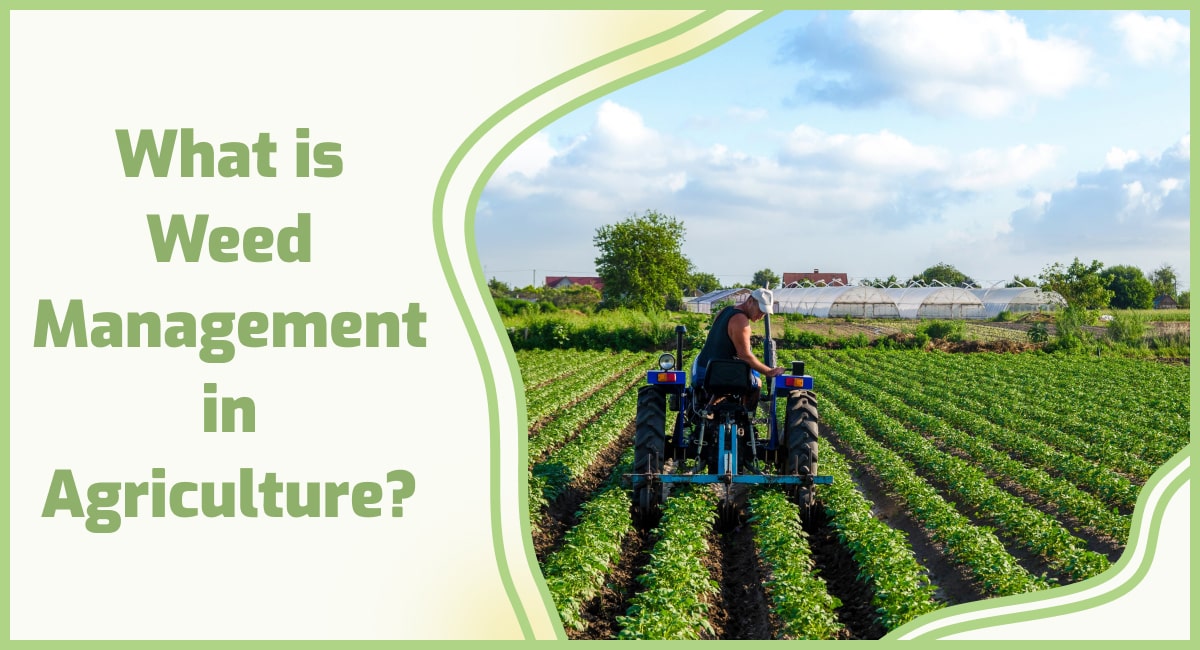
Weed control in agriculture is the means of limiting the growth and spread of weeds in agricultural lands using several techniques, either alone or in combinations so as to remove the harmful impacts of weed invasion on the productivity of the land under consideration.

What is weeds?

Define: Weeds are plants that grow in an area where their growth is not desired by a farmer because they either limit or completely disrupt the growth or production of crops.

They do this by competing with crops for limited resources like water, nutrients, and sunlight. They are characterized by their ability to swiftly populate large areas through rapid reproduction and dispersal.

Some well-known examples of weeds include dandelions, crabgrass, and bindweed. However, the classification of plants as “weeds” can vary widely based on local conditions and cultural perceptions. In some cases, what one person considers a weed, another might consider a beautiful wildflower or a useful herb.

What is weeding or weed control?

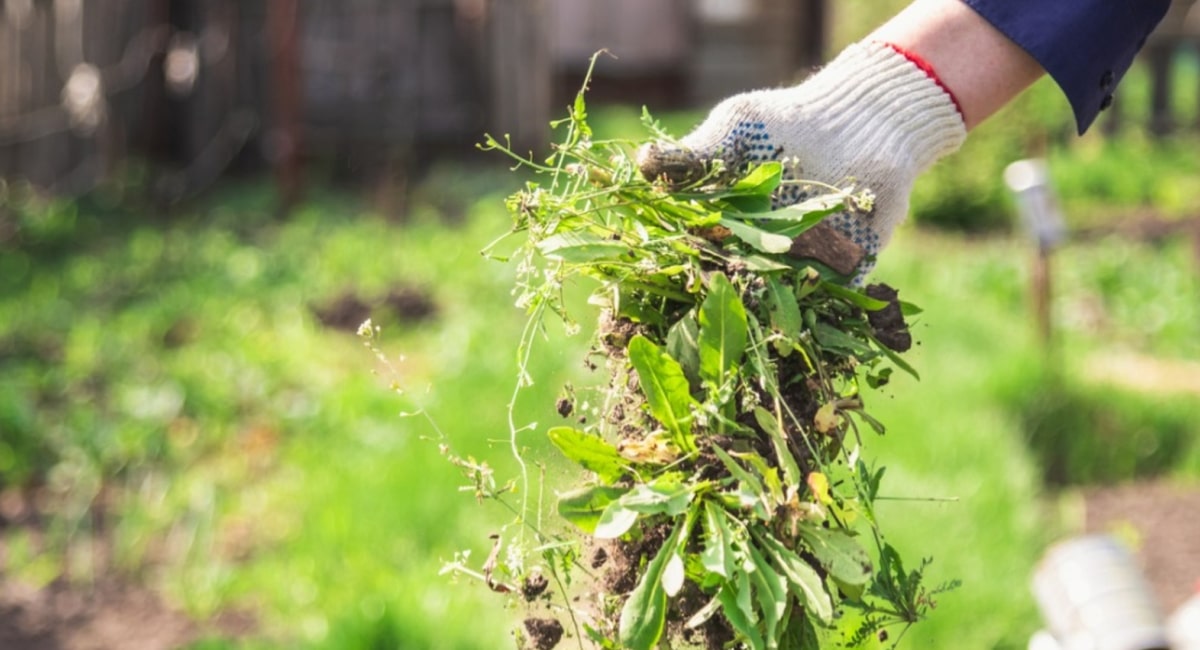
Weeding refers to the process of removing weeds, which are unwanted plants that often grow in gardens, lawns, agricultural fields, and other cultivated areas.

They are bad because they can compete with desired plants for resources such as light, water, and nutrients, and they can also sometimes harbor pests and diseases. Weeding can be done in several ways which farmers usually use to kill weeds:

  • Manual Weeding
  • Mechanical Weeding
  • Chemical Weeding
  • Biological Weeding

Weed management is an important aspect of garden and landscape maintenance, as well as agricultural management. Its proper and timely management helps ensure that desired plants have the resources they need to grow and can help prevent problems with pests and diseases.

Why is weed control important? The effect of weeds

They can have a wide range of effects on both natural ecosystems and human activities, especially agriculture and gardening which make weed control important. Here are some key effects of weeds:

  • Competition for resources: They often compete with crops or other desired plants for water, sunlight, and nutrients. They can grow more quickly or be more hardy than the plants humans want to cultivate, and thus can stunt growth or even cause the death of these plants.
  • Crop Yield Reduction: In agriculture, their presence can lead to significant reductions in crop yields. They can inhibit crop growth and development, or they can physically interfere with the harvesting process.
  • Quality Reduction: In some cases, they can affect the quality of the harvested product. For example, they can alter the taste of milk when they are ingested by dairy cows, or they can decrease the quality of wool when they get caught in sheep’s fleece.
  • Habitat Alteration: In natural ecosystems, its invasive species can outcompete native plants and alter habitats, affecting native wildlife. Certain can change soil chemistry, making it inhospitable for native plants.
  • Human Health: Some of them can cause allergic reactions in humans or animals, such as skin rashes or respiratory problems. Others can be poisonous if ingested or touched.
  • Economic Impact: They can have a significant economic impact. They can reduce the productivity of farmland, increase the costs of weed control (labor, herbicides), and can lower property values.

Despite these negative aspects, it’s worth noting that not all aspects of weeds are harmful. Some can serve as food for insects, birds, and other animals, contribute to soil health, or even serve as a source of food for humans (e.g., dandelions). Some so-called weeds are also used in herbal medicine or for their aesthetic value in certain types of gardens.

However, it is considered to be one of the most significant factors causing a massive economic loss in the farmland productivity of several countries. If unmanaged and appropriate control measures are not applied, the hardy and invasive weeds, either native or exotic, can lead to huge economic loss in the long run.

Although they are a part of the agro-ecosystem and can help in nutrient-recycling as well as soil texture improvement, the benefits are only realized if their drawbacks are properly checked. So control of weeds in agriculture is a vital part of any successful agricultural farmland.

Weed management has been practiced ever since the first agricultural revolution by hand but the ways of managing them have evolved with time and the advent of technology.

Herbicides were being used extensively and vigorously in the recent past because of their easy application, effectiveness, and inexpensive quality.

However, as the negative environmental and health impacts of herbicides came to light, more focus is being directed towards biological weeding and eco-friendly control of weeds in agriculture.

Weed control methods: How farmers do it?

But studies show that the best way of managing weeds in your land is the coordinated application of a range of techniques. Some of the weed control methods are briefly explained below:

Biological control

Biologically controlling weeds depends on the simple fact that they have a natural enemy which if introduced into the system can naturally reduce and limit their growth and the size of the seed pool. The agent that is introduced can be either insects, mites, or even some specific diseases which kill them.

The biological-control measure can use bio-herbicides as the control agents, which are compounds and secondary metabolites that are obtained from microorganisms like bacteria and fungi. However, this method is not considered a long-term approach since its effects are often limited in their application duration.

As a result, biological-control agents like insects and mites are more preferred if the goal is to place them as a long-term part of the agro-ecosystem so that the weed-controlling effect of the agents can be realized over long durations.

Besides the elimination of negative environmental effects, another prominent advantage of biological control is that it can be applied in remote, inaccessible, and sensitive areas where other methods are rendered ineffective or infeasible.

But special care should be taken in selecting the control agent for a weed-infested area based on geographical location and ecosystem type. This is because if the introduced agent acts as an invasive alien species, its population can explode and can even harm the agricultural crops.

So, although biological control offers an environment-friendly approach to weed management, proper selection and monitoring are essential when choosing biological control which should be based on research and technical advice.

Flaming

Flaming can be a highly effective weed control method, but its usage is limited to certain special circumstances since fire is a dangerous element in itself and in the wrong hands, can do more harm than good. Flaming is famously used to control weeds growing in non-agricultural areas like roadside, railway tracks, etc.

Flaming in weed control

However, in agricultural lands, flaming must be used so as not to damage the crops. So, it is used to control pre-emergent weeds when crops aren’t present in the land. Flaming can also be recommended if the crops are considerably heated and tolerant.

Advanced flaming techniques used specialized flame-throwers that adjust the flame so that it only produces enough fire to affect the desired plants and the effect often includes causing the leaves to only wilt which subsequently causes death.

Steaming

Although not used on large scales, steaming as a weed-management technique can be a promising method with further research and development.

steaming as a weed-management technique

The process is carried out by the application of heated water that makes the waxy-coating of the plant deteriorate which increases moisture removal and subsequently dehydration and death.

Goats

Although goats are renowned for their roles in literally chewing off the weeds from your lands, they can be mixed with other animals like bovines and sheep to sustainably remove them from agricultural lands and pastures. Some of the common weed species that are preferred by goats are thistles, scotch-broom, blackberry, etc.

goats role in weeds control

Goats and other animals can be highly useful in agricultural farms extended over vast areas in difficult topography and thus can be highly economic, especially since they have livestock economic value in themselves.

One of the best ways to integrate goats into your weed control system of a large agricultural land is to divide your land into blocks to implement a rotational cycle for grazing which ensures uniformity over the entire area.

Herbicides: Why is it important to agriculture?

Herbicides are essentially chemicals that kill plants by altering their physiology. Most often, they are the easiest and cheapest options for its removal, control, or management on agricultural farms.

However, herbicides have a harmful impact on the crops, soil microorganisms, and as result on the livestock and humans that depend on the land. Moreover, it causes a range of environmental problems like water resource contamination and loss of soil fertility.

So if you intend to use herbicides to manage weeds on your agricultural farm, you should always make sure to follow the appropriate legal and technical guidelines. Only approved herbicides and pesticides should be used in prescribed quantities.

Cultivation

Cultivation is an age-old practice for their management in cropland. Cultivation can be used at different times of a crop rotation cycle.

For example, they are allowed to germinate before the crop rotation period starts and in fact, even be induced through irrigation. When the they grow, the new young weeds are cultivated.

The process can be repeated after cultivation; new can emerge from the remaining weed seed bank that was exposed to the soil because of previous cultivation. Finally, after harvesting the crop, additional cultivation can be done to further reduce their growth in the next cycle.

Cultivation is performed by using heavy machinery like large tractors or using simple hand tools like mattocks and hoes. These tools are used to either cut down the shoots or to dig up the root altogether and bury the shoots.

Cultivation, if used correctly and in a timely manner can be a great addition to the integrated weed management method of agricultural land.

Slashing

A handheld brush cutter is still used to slash weeds on agricultural farms, but a slasher often fitted on tractors is much faster and more effective in slashing large areas covered with grasses.

Slashing is better than cultivation in some regards since it keeps the soil intact, which can be worked on later according to the needs of the crops, and also it is cheaper than the latter. One of the most important aspects of slashing is that it helps to maintain a ground cover and allows for zero tillage farming.

As a result, it also drastically reduces soil erosion and further adds nutrients to the soil, increasing its productive potential.

However, slashing cannot be used alone to completely eradicate them from your land. In fact, it is best used to control their growth temporarily to allow for the growth of pasture species that are beneficial for your agricultural productivity.

Mulčas klāšana

Mulching can be defined as adding a layer of protection to the soil for a number of reasons like conserving moisture, adding nutrients, making land more aesthetic and in this case, lowering the chances of their germination in the area.

Mulches help to block sunlight from reaching the weed seeds and restrict their germination potential.

Materials used for mulching are often organic in nature like timber chips, manures, saw-dust, fallen leaves, etc. But inorganic materials like plastic, often black, are also widely used in large-scale agricultural farms like strawberry cultivation.

The effectiveness of mulching on its management can be undermined if the mulching material used itself contains weed seeds in it and if the material is penetrable by seeds or sunlight. So these two factors should be considered while using mulching as a weeding option.

Fire

Fire is distinct from the flaming technique we discussed earlier in that flaming refers to the use of a flame through a muzzle to cause wilting in the weeds while fire is the actual burning of them by spreading it across the infested land.

Fire is a bad master but a good servant. This means that uncontrolled fire like wildfire can potentially cost massive economic and ecological damage but controlled fire, applied under supervision can prove to be a highly cost-effective and easy method of control and even eradication.

Special considerations like the season of introducing the fire, the weather condition, amount of fuel, the direction of weed, and the plant and animal diversity need to be evaluated before using fire for weed management.

One of the most practical approaches is to establish fire lines and use the back burning technique to control the fire. Fire is often used to eliminate really hardy varieties. Fire helps to add nutrients and minerals into the soil and increases soil fertility.

Land Management

While they are natural occurrences in almost all types of lands, they become problematic in agricultural lands when the land is not managed properly in the first place. Proper management of farmland is the best way to reduce the need for weeding.

weeds become problematic in agricultural lands

This directly aligns with the principle that prevention is better than cure. There are certain specific land management activities one can perform to reduce or manage weeds.

Some of them include controlled grazing systems, promotion of weed-suppressing plants, the introduction of a system to quickly identify them in the initial stages of infestation, soil management, management of good pasture species, and so on.

Kopsavilkums

Although all weed control methods are highly effective for different needs and circumstances of weed infestations in agricultural land, every agriculture system should have a system of weeding in place that acts to prevent, reduce and control weeds from the lands.

The system should ideally be an integrated system with several appropriate techniques combined so that they can be managed in the most environmentally friendly way and with the use of the least amount of resources and capital so as to increase the profitability of the agricultural system in the long run.


Biežāk uzdotie jautājumi


1. Which factor is concerned with the growth of weeds?

The growth of weeds is influenced by various factors, but one key factor is competition. They thrive in conditions where they have a competitive advantage over desired plants.

Factors that contribute to their growth include soil fertility, moisture availability, light availability, and temperature.

By managing these factors through proper cultural practices, such as fertilization, irrigation, and crop spacing, we can help minimize their growth and promote the growth of desired plants.

2. Why are farms important?

Farms play a crucial role in our society for several reasons. Firstly, farms are essential for producing food to feed the growing global population. They provide a sustainable source of nutritious crops and livestock products.

Secondly, farms contribute to the economy by generating employment opportunities and supporting local businesses. Additionally, farms help preserve rural landscapes and ecosystems, promoting biodiversity and environmental conservation.

Lastly, farms can serve as educational and recreational resources, connecting people to nature and fostering a deeper understanding of agriculture.

3. How do weeds grow from nothing?

Weeds have various ways of establishing and growing. They can grow from seeds that are present in the soil or brought in through wind, water, or animals.

They can also spread through vegetative propagation, where fragments of the weed plant, such as roots or stems, can generate new plants.

They are opportunistic and can quickly take advantage of favorable conditions, utilizing resources like sunlight, water, and nutrients to grow rapidly and compete with desired plants.

wpChatIcon
wpChatIcon

    Pieprasīt bezmaksas GeoPard demonstrāciju / konsultāciju


    Noklikšķinot uz pogas, jūs piekrītat mūsu Privātuma politika. Mums tas ir nepieciešams, lai atbildētu uz jūsu pieprasījumu.

      Abonēt


      Noklikšķinot uz pogas, jūs piekrītat mūsu Privātuma politika

        Nosūtiet mums informāciju


        Noklikšķinot uz pogas, jūs piekrītat mūsu Privātuma politika