


A big change is happening in farming as new and smart ideas are being used to make crops better and take care of the environment. One important part of this change is the use of biologicals in farming. They are products made from natural things, and they’re used to make plants healthier and the soil better for growing crops.
What Are Biologicals?
Biologicals in agriculture are products used to protect crops and treat seeds. They come from living or natural materials like bacteria, fungi, nematodes, or plant extracts. Farmers use them to keep their crops safe from diseases, pests, and weeds while also improving plant growth and quality.
Furthermore, these products work in both organic and conventional farming and can be part of integrated pest management (IPM) strategies. Meanwhile, they also contribute to sustainable and residue-free food production.
The demand for them is increasing due to consumer preference for organic food, strict regulations on chemical products, and the need for resistance management and crop diversification. According to Markets and Markets™, the global agricultural biologicals market was valued at USD 9.9 billion in 2020 and is projected to reach USD 18.9 billion by 2025.
- In 2020, biopesticides made up 66% of all biological products, with biostimulants at 28% and biofertilizers at 6%.
- Fruits and vegetables were the top crops using biologicals, followed by cereals and oilseeds.
- Bionematicides had the highest growth rate (17% CAGR).
- Among biopesticides, bioinsecticides were the largely used products, followed by biofungicides and bioherbicides.
- Microbial biostimulants led the biostimulant category, followed by seaweed extracts and humic substances.
- Nitrogen-fixing biofertilizers were the most significant in the biofertilizer category, followed by phosphate-solubilizing biofertilizers.

Furthermore, Europe leads their market, followed by North America and Asia-Pacific. Key players like Bayer, BASF, Syngenta, UPL, Indigo, Valent BioSciences, PivotBIO, and Corteva are playing a major role in its global adaptation.
What Are The Types Of Biologicals?
There are three main types of biologicals that have different modes of action and benefits for crops.
1. Biopesticides
They come from natural stuff like animals, plants, bacteria, and certain minerals. Biopesticides are a better choice than chemical pesticides as they go after specific pests without hurting other living things.
Examples include Bacillus thuringiensis (Bt) for dealing with caterpillar pests and neem extracts for their wide-ranging effectiveness. They are living things or substances from nature that help control pests like insects, weeds, fungi, bacteria, viruses, or nematodes. They are further divided into three subcategories:

- Microbial Biopesticides: These contain microorganisms or their by-products, such as the bacterium Bacillus thuringiensis (Bt), which produces toxins lethal to specific insects.
- Botanical Biopesticides: Derived from plants, these biopesticides, like neem oil, leverage natural pesticidal properties to protect crops.
- Semiochemical Biopesticides: These utilize pheromones and other behavior-altering compounds to manage pests, offering advantages like species specificity and reduced resistance development.
2. Biostimulants
They are substances or microorganisms that promote plant growth, yield, and resilience by influencing various physiological processes. These include nutrient absorption, photosynthesis, and stress response, among others.
For example, Serenade® Opti is a biostimulant based on Bacillus subtilis strain QST 713, which induces systemic resistance in plants and improves crop yield and quality .Biostimulants are categorized into:

- Humic Substances: Organic compounds from decomposed matter that enrich soil and stimulate plant growth.
- Seaweed Extracts: Contain beneficial polysaccharides and phytohormones from marine algae that boost plant development.
- Microbial Inoculants: Beneficial bacteria or fungi that enhance plant nutrition and health by colonizing roots or foliage.
- Plant Extracts and Amino Acids: Natural compounds that invigorate plant metabolism.
3. Biofertilizers
Biofertilizers are special products from nature that help plants get more nutrients from the soil or air. There are two types: nitrogen-fixing biofertilizers, which are tiny organisms like bacteria or cyanobacteria that change the air’s nitrogen into ammonia or nitrate.
And phosphate-solubilizing biofertilizers, which are tiny organisms like bacteria or fungi that release phosphate from the soil. These biofertilizers can make plants healthier and reduce the need for chemical fertilizers, making the soil better.

Meanwhile, some other common types include:
- Biofungicides: They control fungal diseases naturally. For example, Serifel® contains Bacillus amyloliquefaciens MBI 600, providing broad-spectrum disease control alongside chemical fungicides.
- Bioinsecticides: They handle insect pests naturally. NemaStrike™, with beneficial nematodes, eliminates soil-dwelling insects.
- Bionematicides: They control nematodes that harm plant roots. Velum® Prime, using Bacillus amyloliquefaciens FZB24, reduces nematode populations and enhances root health.
- Bioherbicides: They manage weeds naturally. Beloukha® with pelargonic acid burns weed tissues on contact, offering an eco-friendly weed control solution.
What is the Mode of Action of Biologicals?
They operate through various modes of action depending on their type and target, each specialized to support plant growth, enhance soil health, and protect against pests and diseases. These modes of action include:
1. Antagonism: Some of them can stop or kill plant pathogens by competing for nutrients and space, creating antibiotics or enzymes, or making plants more resistant. For example, the biofungicide Serifel® has Bacillus amyloliquefaciens strain MBI 600, which can prevent fungal diseases by producing lipopeptides that disrupt the pathogen’s cell membrane.
2. Predation and parasitism: Helpful insects (like ladybugs) or predatory mites actively search and eat harmful insects. Parasitic wasps lay eggs inside pest larvae, killing them from the inside.

3. Pathogens and microbial control: Bacteria like Bacillus thuringiensis (Bt) make specific toxins that target and kill certain insect pests. Fungi can also act as pathogens, attacking and killing weeds or disease-causing fungi.
4. Antifeedants and repellents: Certain plant extracts or natural compounds can stop pests from feeding or laying eggs on crops. For instance, neem oil can drive away aphids and whiteflies.
5. Disrupting insect development: Some biopesticides mess with hormones or other body processes involved in insect growth and reproduction. For example, azadirachtin can stop molting and egg-laying in insects.
6. Mobilizing nutrients: Helpful bacteria or fungi can help release nutrients in the soil, making them easily available for plants. For example, phosphorus-solubilizing bacteria can release phosphate from solid forms in the soil.
7. Enhancing stress tolerance: Biostimulants may help plants better handle tough conditions like drought, salinity, or heat by triggering their natural defense mechanisms. For instance, seaweed extracts can increase antioxidant levels and osmotic adjustment in plants.
8. Nitrogen fixation: Rhizobia bacteria form partnerships with legumes, taking nitrogen from the air and turning it into a form plants can use. Other bacteria like Azospirillum can also fix nitrogen with non-legume crops like cereals.
9. Phosphate solubilization: Certain bacteria make organic acids that dissolve solid phosphate compounds in the soil, making them accessible to plants. For example, Bacillus megaterium can dissolve rock phosphate, increasing its availability to plants.
10. Mycorrhizal associations: Mycorrhizal fungi form partnerships with plant roots, increasing their surface area to take in more nutrients and water. They can also improve plant access to nutrients like phosphorus and zinc that don’t move easily in the soil.
How Are Biologicals Different From Organic And Conventional Solutions?
They represent a unique category of agricultural inputs that distinguish themselves from organic and conventional solutions through their composition and application. They’re made from living things or stuff that comes from nature, like plants or minerals. Farmers use them to control pests, diseases, weeds, or make plants grow better.
Some examples of biologicals are microorganisms, plant extracts, pheromones, enzymes, and natural minerals. Even though they are kind of similar to organic solutions because they both come from nature, they’re not exactly the same.
Organic farming has strict rules about using natural or nature-based stuff, and any of them used in organic farming have to pass specific standards. Organic solutions can be natural, made in a lab, or biological, depending on where they come from. For instance, copper sulfate is a natural mineral allowed in organic farming, while glyphosate, a synthetic herbicide, is not.
In contrast to conventional solutions, which predominantly consist of synthetic chemicals, they stand out as a more eco-friendly option. The synthetic stuff used in regular farming due to its broad-spectrum efficacy can cause problems like pollution, resistance in pests, and harm to other living things.
Some insecticides, for example, have both synthetic chemicals and natural pyrethrin extracts from chrysanthemum flowers. On the other hand, they are more specific in what they target, making it less likely to harm the environment and supporting better pest control methods.
How Precision Agriculture Practices Can Optimize The Use Of Biologicals?
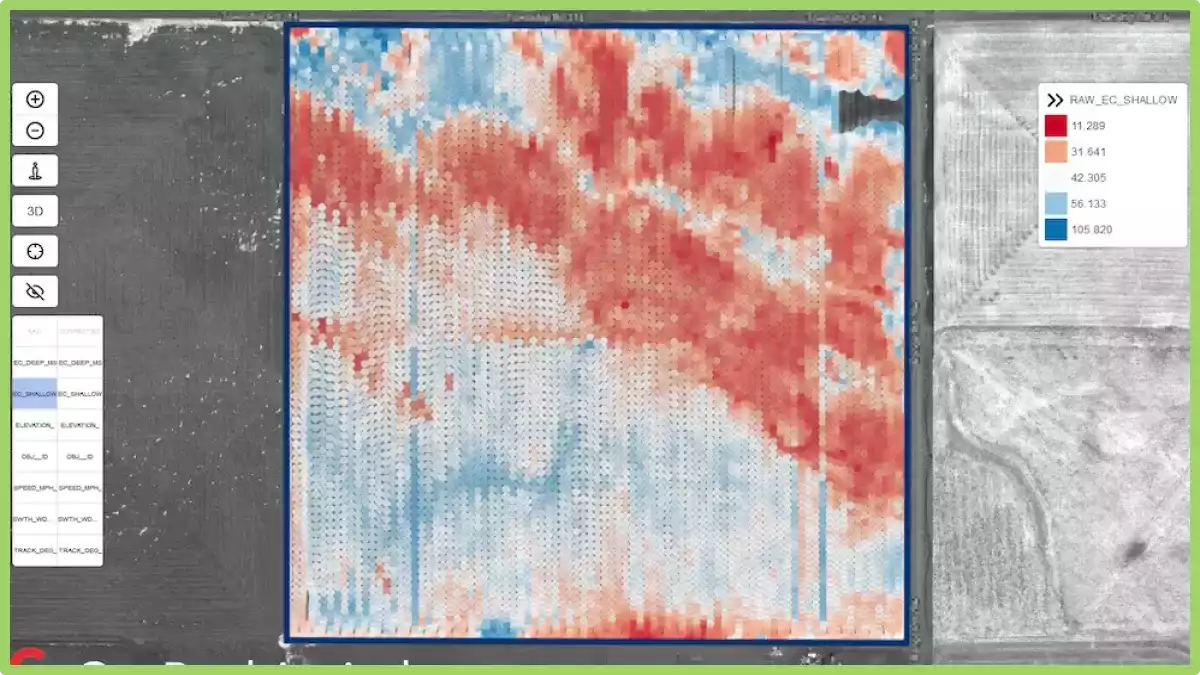
They are seen as eco-friendly alternatives to synthetic chemicals because they are less harmful, have a smaller impact on the environment, and take less time to develop. Meanwhile, precision agriculture is a farming method that relies on data and technology, such as soil mapping, variable rate application, and remote sensing, to improve crop management and input application.

Precision farming uses high-tech tools like GPS, sensors, and data analysis to closely watch over fields and check on how crops are doing very precisely. With these technologies, farmers can spot differences in their fields, like areas with lots of pests or not enough nutrients, and then make specific changes to help the crops in those areas.
Meanwhile, Forbes reports that sales of biologicals have been growing steadily at a rate of about 17 percent per year. McKinsey also suggests that precision agriculture could boost crop yields by 10 to 15 percent. Therefore, when farmers bring these two areas together, they can increase productivity and profits, all while playing a part in creating a more sustainable and regenerative food system.
Further, it enhances the use of biologicals through:
- Targeted Selection: Analyzing soil samples and mapping variability to choose biologicals that match the specific needs of each field or zone, considering factors like nutrient content, microbial diversity, pH levels, and soil type.
- Optimal Timing and Dosage: Utilizing remote sensing and sensors to monitor crop growth stages, plant health, and environmental conditions, enabling precise timing and dosage of biological applications to maximize effectiveness and minimize waste.
- Performance Evaluation: Employing drones and sensors to collect data on crop yield, quality, and health pre- and post-application of biologicals, aiding in assessing their return on investment and comparing their efficacy with other agricultural inputs or practices.
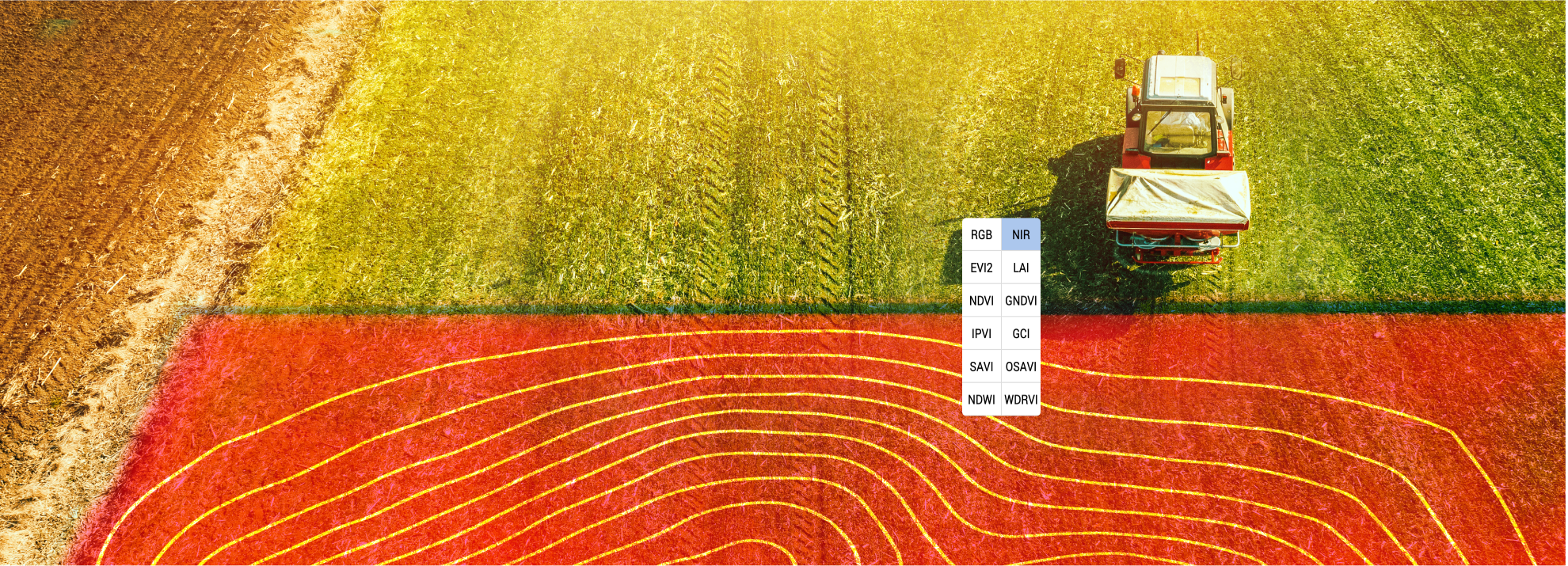
An illustrative example of this approach is the use of drones equipped with multispectral imaging cameras and sensors to scan fields for signs of of pest infestation or disease. Once identified, these drones can then precisely apply biopesticides to the affected areas, ensuring that treatment is confined to where it’s most needed.
This is different from the traditional way of spraying everything, which can waste a lot of resources. Combining biologicals with precision agriculture has many advantages. It reduces the impact farming has on the environment by using fewer resources and helps protect biodiversity while keeping water sources clean.
Additionally, applying them where they are needed can be more effective in controlling pests and diseases. By focusing on the areas with issues, it improves the health and yield of crops. For instance, studies have demonstrated that applying mycorrhizal fungi precisely to parts of a field with poor soil quality can significantly boost how well plants take in water and nutrients, resulting in better harvests.
How GeoPard Can Integrate Biologicals And Precision Agriculture?
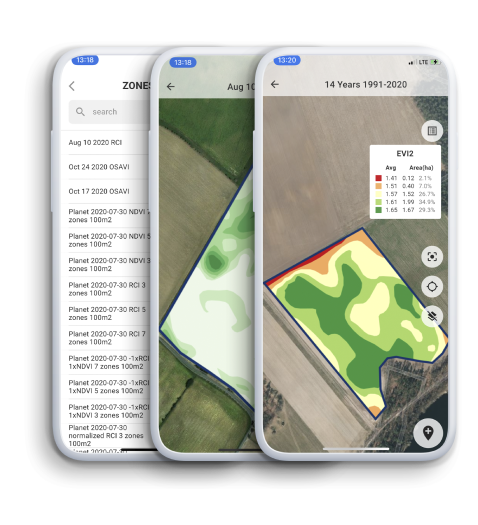
GeoPard Agriculture excels in precision agriculture, offering advanced solutions for the targeted application of biologicals to enhance crop health, yield, and sustainability. Its analytics platform processes geospatial data, providing essential insights into soil variability, aiding in their precise selection and application based on specific agricultural needs.

The platform’s capability to generate custom recommendations using detailed crop-specific data ensures that the most effective biologicals are applied at the right time across various growth stages, ranging from pre-planting to the late growth phase, maximizing their impact.
Furthermore, GeoPard’s utilization of subfield level prescription maps for precise application and its trial analytics for evaluating the yield impact of biologicals are key features. These tools provide farmers with data-driven insights, enabling informed decisions and optimizing farming practices.
How To Manage Precise Recommendations for Biologicals Application?
Their application in agriculture is a nuanced process that benefits significantly from precise recommendations tailored to specific needs and conditions. These recommendations can be categorized by product type, each with its own set of considerations for soil health assessment, crop-specific requirements, and seasonal timing.
By adhering to these guidelines, farmers can optimize their effectiveness, enhancing crop health, yield, and sustainability.
1. Product Type
In farming, there are various kinds of biologicals you can use on crops. These depend on how they work, what pests or diseases they target, and how they are made. Here are some common types:
- Biocontrol agents
- Biostimulants
- Biofertilizers
Each of these biological products has its pros and cons. You should choose them based on what your crops need and what you want to achieve. For example, biocontrol agents are good at managing specific pests or diseases, but you need to handle, store, and apply them carefully to make sure they work well.
Here are some biopesticides:
- Bacillus thuringiensis (Bt) for crops like corn, cotton, soybean, and vegetables.
- Trichoderma spp. for crops prone to root diseases like wheat, rice, tomatoes, and cucumbers.
- Neem oil for crops affected by sucking pests like citrus, mangoes, cotton, and vegetables.
- Pheromones in traps to reduce pests in crops like apples, grapes, corn, and cotton.
Now, biostimulants:
- Ascophyllum nodosum extract (ANE) for cereals, oilseeds, pulses, and horticultural crops.
- Humic acid (HA) for crops needing micronutrients like maize, wheat, rice, and vegetables.
- Glutamic acid (GA) for crops facing drought, salinity, or high temperatures like cotton, sugarcane, tomatoes, and potatoes.
- Bacillus subtilis (Bs) for crops susceptible to fungal or bacterial diseases like rice, soybeans, peanuts, and grapes.
Lastly, biofertilizers:
- Rhizobium spp. for legume crops like soybeans, peanuts, alfalfa, and clover.
- Phosphate solubilizing bacteria (PSB) for crops needing phosphorus like maize, wheat, rice, and potatoes.
- Arbuscular mycorrhizal fungi (AMF) for crops benefiting from mycorrhizal colonization like tomatoes, cucumbers, carrots, and grapes.
- Cyanobacteria for rice fields as biofertilizer or green manure.
2. Soil Health Assessment
Before using any biological product, it’s crucial to evaluate the soil health and fertility of the field. Soil health refers to the soil’s ability to sustain plant growth while preserving its physical, chemical, and biological properties. A thorough soil health assessment includes:
- Soil sampling and testing: Soil sampling involves gathering samples from various field areas, testing for parameters like pH, organic matter, nutrients, and microbial activity in a lab.
- Soil quality indicators: Soil quality indicators, such as texture, structure, water holding capacity, and carbon sequestration potential, provide measurable insights into soil health.
- Soil health scorecard: An integrated tool that simplifies various soil quality indicators, helping farmers identify strengths and weaknesses and prioritize soil management practices.
Such an assessment guides farmers in selecting the right biological products, optimizing application rates and timings for improved field performance.
3. Crop-Specific Considerations
Different crops have distinct needs and responses to biological products. Consider crop type, variety, growth stage, and yield potential during product selection. Key points include:
- Crop Compatibility: Check product labels for compatibility with specific crops, avoiding adverse effects. Follow manufacturer recommendations to prevent issues like phytotoxicity or reduced efficacy.
- Crop Rotation: Understand how crop rotation affects soil health, pest management, and yield. Factor in the history of crop rotation when planning biological product application.
- Crop Stress: Monitor and address crop stress caused by factors like weather conditions, pests, diseases, or nutrient deficiency. Adjust the application of biological products based on the crop’s stress level to enhance tolerance or recovery.
4. Seasonal Timing
Applying biological products at the right time is crucial for optimal effectiveness and minimal environmental impact. Different stages of crop development may require different types of biological products. Here are general guidelines for seasonal timing:
- Pre-planting: Apply before planting seeds or seedlings, ideal for products establishing in the soil or on seed surfaces. Example include biostimulants enhancing seed germination.
- Early Growth: Apply during crop emergence to vegetative growth, benefiting products interacting with growing plant tissues. Example include biofertilizers producing growth-promoting substances.
- Mid Growth: Apply from vegetative to reproductive growth, supporting the transition or protecting from pest or disease outbreaks. Example include biocontrol agents parasitizing pests.
- Late Growth: Apply from reproductive growth to maturity, enhancing final yield or quality. Example include biostimulants increasing fruit size.
Integration Through Subfield Level Prescription Maps And Trial Analytics
The integration of biologicals with precision agriculture, particularly through the use of subfield level prescription maps and trial analytics, is revolutionizing the way farmers apply biological products and assess their impact on yield. This approach allows for a highly targeted application, optimizing their effectiveness and ensuring sustainable farming practices.

Subfield level prescription maps offer precise recommendations for applying inputs based on soil, weather, and crop data, optimizing their use by addressing field variability. These maps enhance biological performance and increase yield impact when the right product is applied at the right rate, time, and place.
For trial analytics, which evaluates different treatments on crop outcomes, subfield level prescription maps prove valuable. They help compare biological products by minimizing confounding factors like soil type, weather, and pest pressure. This ensures more homogeneous treatment zones, allowing for a clearer evaluation of the biological product’s impact on yield.
Applying subfield level prescription maps ensures consistent inputs across treatment zones, except for the tested biological product, isolating its effect. This method improves the accuracy of trial analytics by increasing spatially distributed data points, enabling the detection of small yet significant differences between treatments.
Moreover, it reduces measurement errors and biases by ensuring consistent and representative sampling in each treatment zone. To showcase these advantages, here are few reported studies.
In a study by NC State University in North Carolina, subfield maps improved nitrogen fertilizer application precision by 20% and reduced corn yield variability by 15%. Another study by AgroLiquid in Michigan found that subfield maps increased soybean yield by an average of 3.5 bushels per acre and helped identify the most effective biological product for each field.
Закључак
The integration of smart farming practices, particularly the use of biologicals, is transforming agriculture by enhancing crop health and promoting environmental sustainability. They, derived from living organisms like bacteria and fungi, offer a natural way to protect crops and improve soil fertility.
Meanwhile, precision agriculture complements this by enabling their targeted application through technologies like subfield level prescription maps and trial analytics. This combination of biologicals and precision farming leads to more efficient resource use, reduced environmental impact, and better crop yields, marking a significant step towards sustainable and productive agriculture.
Прецизна пољопривреда





 English
  German
  Ukrainian
  French
  Kazakh
  Portuguese
  Spanish
  Arabic
  Swedish
  Serbian
  Romanian
  Norwegian
  Finnish
  Lithuanian
  Estonian
  Latvian
  Croatian
  Slovenian
  Slovak
  Japanese
  Polish