


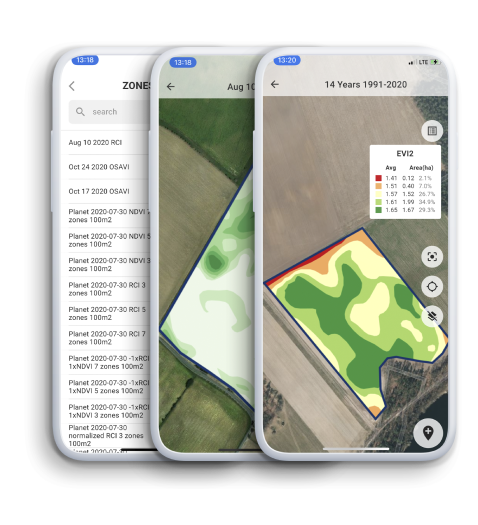
Kenyan farmers are on the verge of gaining access to an upcoming agri-tech platform, which will empower them to make data-driven farming decisions and oversee their crops with the assistance of satellite imagery and artificial intelligence.
The Directorate of Resource Surveys and Remote Sensing (DRSRS) in collaboration with an agriculture technology company is currently in the process of creating a nationwide digital initiative for satellite-based crop monitoring and yield forecasting.
As per Charles Situma, the Deputy Director of DRSRS, the platform will need the capability to digitally monitor and distinguish various crops throughout the nation. Furthermore, it is anticipated to provide farmers and authorities with advanced analytical tools to enhance data-driven decision-making.
It’s worth noting that the agricultural sector contributes 30% to Kenya’s gross domestic product. Nevertheless, both organizations expressed concerns about the sector’s susceptibility in the face of the ongoing climate crisis.
As Situma suggests, the agricultural sector and those responsible for making decisions can enhance sustainable food security through the use of digital technology.
Additionally, the Chief Operations Officer of the agriculture technology company mentioned that the platform would assist farmers and decision-makers in devising more sustainable food security programs by furnishing them with precise data concerning soils, crops, and forests.
Farming serves as the primary income source for the majority of Kenyans, contributing significantly to aspects like food security, economic growth, job opportunities, off-farm employment, and foreign exchange earnings.
Regrettably, the agricultural sector is presently exposed to climate change risks, largely due to escalating temperatures, droughts, and changing rainfall patterns.
Similar to Nigeria, the circumstances for Kenyan farmers are exacerbated by adverse weather conditions, including floods, suboptimal farming practices, limited knowledge, and the use of low-quality agricultural inputs. These factors collectively exert a substantial influence on the productivity of farmers.
Aktualności



 English
  German
  Ukrainian
  French
  Kazakh
  Portuguese
  Spanish
  Arabic
  Swedish
  Serbian
  Romanian
  Norwegian
  Finnish
  Lithuanian
  Estonian
  Latvian
  Croatian
  Slovenian
  Slovak
  Japanese
  Polish