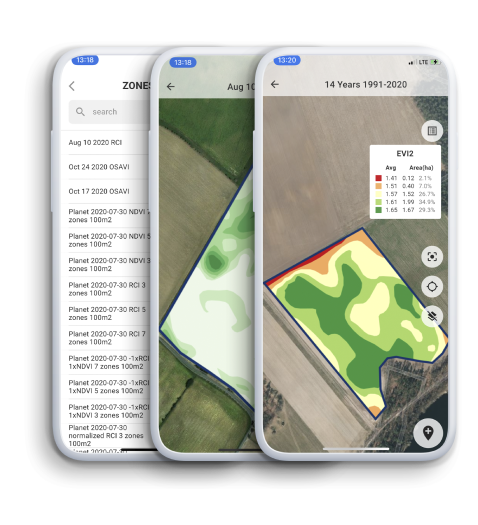
The global status of precision agriculture showcases its increasing adoption across diverse agricultural landscapes. Farmers worldwide are recognizing the potential benefits of PA in boosting productivity, reducing waste, and enhancing overall efficiency. Therefore, following the 4 R’s of precision agriculture has become essential to attain the desired targets.
What are the 4 R’s?
Precision agriculture (PA) represents a revolutionary approach to farming, transforming traditional practices through the integration of cutting-edge technologies. It operates on the principles encapsulated in the 4 R’s: applying the Right Input, at the Right Rate, to the Right Place, and at the Right Time.
This framework guides farmers in optimizing the use of various crop inputs, including water, nutrients, pesticides, and seeds. By adjusting these inputs based on the spatial and temporal variability of field conditions and crop requirements, farmers can enhance efficiency and resource utilization.
1. Right Input
Precision agriculture (PA) revolves around the concept of the “Right Input,” which spans critical aspects of farming practices. For instance, examples include crop selection, where careful consideration of climate, soil conditions, and market demand guides the choice of suitable crops.
Seed selection involves tailoring seed varieties to the specific characteristics of the environment, ensuring optimal growth. Determining the appropriate type of fertilizer based on soil nutrient levels and crop requirements is another facet, as is the precision management of pests and diseases through methods like targeted spraying.

Furthermore, the overarching objective of optimizing agricultural inputs is not merely minimizing them but enhancing the overall capacity and efficiency of the farm system. This approach seeks to maximize production and profitability while concurrently improving environmental quality and sustainability.
According to the Law of the Minimum, if one growth factor or nutrient is deficient, plant growth is limited, emphasizing the need to identify and address limiting factors for improved plant growth. Therefore, this principle is foundational to the understanding of precision agriculture and guides the strategic application of inputs.
2. Right Rate
The concept of the “Right Rate” in precision agriculture encompasses various aspects aimed at optimizing input usage for enhanced agricultural practices. Therefore, determining the optimal input rate is a crucial, and this involves recognizing field variations.
Variable-rate input applications, facilitated by technologies like Variable Rate Irrigation (VRI), play a pivotal role in this process. VRI, for instance, allows the adjustment of water application rates based on specific landscape features, preventing overwatering and significantly enhancing water use efficiency. Furthermore, this concept include:
- Optimal Seeding Rate: This involves adjusting the density of planted seeds according to field conditions.
- Fertilizer Application Rate: The application of fertilizers in appropriate amounts based on soil nutrient levels.
- Pesticide Application Rate: Variable rate application for pesticides, adapting to pest pressure variations.
Meanwhile, studies have also shown that adjusting input rates based on field variability leads to increased crop yields and resource efficiency.

However, apart from VRI, there are other technologies available including precision planters, sensors, and drones. Each type plays a distinct role in ensuring the right amount of inputs is applied where and when needed, contributing to overall efficiency.
3. Right Place
In precision agriculture, the concept of “Right Place” extends beyond a mere location on the field—it involves a nuanced understanding of Spatial Variability.
This entails the identification and comprehension of diverse field characteristics, such as soil types, moisture levels, and nutrient distribution. These insights serve as the bedrock for informed decision-making in agricultural practices.
A pivotal tool in precision agriculture is Variable Rate Technology (VRT), which allows for the application of inputs at variable rates across distinct zones within the field based on specific needs. This targeted approach optimizes the utilization of resources, contributing to enhanced agricultural productivity.

The importance of precise nutrient placement cannot be overstated, as it directly impacts the uptake and efficiency of nutrient fertilizers. Considerations for Right Nitrogen Placement involve a multifaceted analysis, considering factors like plant root distribution, soil dynamics, nutrient movement, and the management of spatial variability within the field.
For instance, the strategic incorporation of surface-applied nitrogen can reduce the risk of nitrogen volatilization, concurrently improving nitrogen use efficiency (NUE). However, challenges emerge, as nitrogen injected by colters into the middle of corn rows, particularly in sandy soils, may lead to leaching.
In contrast, in drier conditions, adopting a Y-drop surface nitrogen application at the base of corn plants during the V4 to V6 stage may enhance NUE, albeit with potential risks of volatilization during limited precipitation and daily wetting and drying cycles at the soil surface.
Therefore, the optimal placement of nutrients necessitates a focus on management strategies aimed at reducing loss and improving nutrient use efficiency. This demand for precision drives the exploration of innovative methods, cutting-edge technologies, and decision-making tools, making it more practical for growers to adopt and implement best practices.
4. Right Time
Precision agriculture emphasizes the significance of executing various agricultural activities at the right time to enhance overall efficiency and productivity. This entails a strategic approach to timing across multiple facets of agricultural practices.
In the realm of precision agriculture, the timing of planting is a critical determinant of crop success. Ensuring that crops are planted at the optimal time is essential for maximizing yield. This involves taking into account factors such as the growth stage of the plant, prevailing climatic conditions, and logistical considerations related to field operations.

Another crucial aspect is the precise timing of irrigation. Implementing well-defined irrigation schedules is imperative for ensuring water efficiency in agricultural practices. By aligning irrigation with the specific needs of the crops at different growth stages, farmers can not only conserve water but also enhance the overall health and performance of the crops.
Harvest timing is equally vital in precision agriculture. Harvesting crops when they reach peak maturity is pivotal for optimizing both quality and yield. This requires a nuanced understanding of the growth cycle of each crop, enabling farmers to make informed decisions about the ideal time for harvest.
Furthermore, effective pest and disease management in precision agriculture necessitate applying control measures at the right time. Timely intervention helps minimize damage and ensures that crops remain resilient against potential threats. Again, the decision on when to implement these measures is contingent on factors such as the growth stage of the plant and prevailing climatic conditions.
For instance, crop nitrogen uptake exhibits variations based on the growth stage. To address this, precision agriculture recommends side-dress nitrogen (N) applications in crops like corn precisely when the demand for N is high. This approach minimizes nitrogen losses through leaching and runoff, contributing to both environmental sustainability and improved return on fertilizer investment.
Hence, several factors contribute to the successful implementation of precision agriculture. These include a comprehensive understanding of crop growth cycles, the integration of cutting-edge technologies, and the continuous monitoring of environmental variables. By considering these factors, farmers can fine-tune their approach to align with the right time for planting, irrigation, harvest, and many more.
Conclusion
In conclusion, precision agriculture is not merely a concept but a comprehensive approach that demands a nuanced understanding of the 4 R’s. The seamless integration of technology, scientific principles, and innovative methodologies is paving the way for a more efficient, sustainable, and productive era in agriculture. As the global agricultural landscape continues to evolve, embracing precision agriculture becomes not just a choice but a necessity for farmers seeking to maximize their yields while minimizing environmental impact.
Precision Farming