

Data-Driven Farming Now: Cut Costs and Reduce Risk at Enterprise Scale
You manage vast fields across regions, juggling costs and risks that can make or break your season. Data-driven farming isn’t just a buzzword—it’s the key to cutting input costs and steering clear of costly mistakes. In this post, you’ll see how GeoPard’s tools bring all your field data together, deliver precise management zones, and sync with John Deere Operations Center to sharpen your decisions and boost your season-end ROI. For further reading, check this strategic framework for data-driven agribusiness transformation.
Embrace Data-Driven Farming

Cutting Costs with Precision
Imagine saving money on every acre you manage. Data-driven farming offers exactly that. By using precise data, you can cut unnecessary expenses on seeds, fertilizers, and chemicals. For example, instead of blanket applying resources, you apply them where needed most.
-
Pinpoint Resource Needs: Analyzing yield data helps you decide how much fertilizer is required, avoiding waste.
-
Tailored Solutions: Customize inputs to specific field conditions, which can reduce costs by up to 20%.
The beauty of precision farming is in the details. You might think you’re already efficient, but data reveals hidden opportunities. Most people think they have optimized their operations, but the real potential is often untapped. Dive into more insights on agricultural data analytics to see how others are maximizing their yields.
Risk Mitigation in Agriculture
Farming comes with risks, but data can act as your safety net. With the right tools, you can predict and prepare for challenges like droughts or pest invasions. This foresight allows you to act before problems escalate.
-
Weather Patterns: Use historical data to anticipate weather-related impacts.
-
Pest and Disease Forecasts: Stay a step ahead by monitoring conditions that lead to infestations.
Many overlook these advantages, but embracing data can transform how you manage risks. This proactive approach minimizes surprises and safeguards your investments. Learn more about making informed decisions in agriculture.
Accelerating Decision-Making
Fast, informed decisions are the backbone of successful farming. By integrating data into your operations, you gain clarity. This clarity speeds up decision-making, allowing you to capitalize on opportunities or pivot when necessary.
-
Real-Time Insights: Access up-to-date information on crop conditions and market trends.
-
Automated Alerts: Set parameters that notify you of critical changes in field data.
The longer you wait without using data, the more potential gains slip away. Immediate access to information transforms your approach, turning challenges into opportunities.
Precision Agriculture Software Benefits

Creating Management Zones
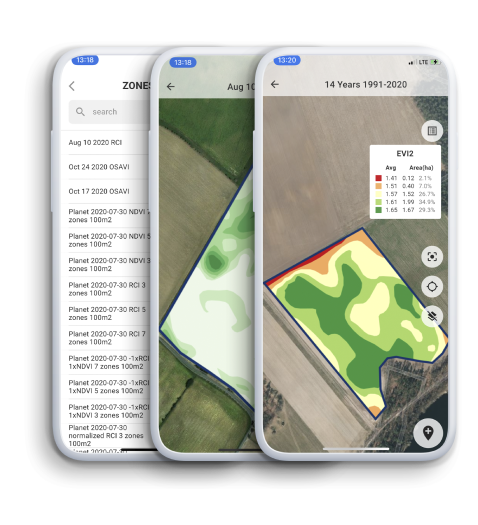
Creating management zones is the heart of precision farming. By dividing fields into zones based on data, you customize care for each area’s unique needs. This tailored approach boosts productivity.
-
Data-Driven Zones: Use soil and crop data to define zones.
-
Efficient Resource Use: Apply inputs only where they’re needed, ensuring every drop counts.
Management zones are like having a detailed map for success. They replace guesswork with strategy, leading to healthier crops and higher yields.
Variable Rate Application Strategies
Variable rate application (VRA) is a game-changer. Unlike uniform applications, VRA adjusts input levels based on real-time data. This precision saves money and enhances yields.
-
Input Savings: Adjust fertilizer rates based on soil tests, reducing waste.
-
Yield Boosts: Apply nutrients where they benefit crops the most.
This strategy challenges the conventional belief that more is better. Instead, it’s about being smart with resources. You can achieve more with less.
John Deere Operations Center Integration
Integrating with the John Deere Operations Center streamlines your operations. Seamless data flow between systems means less time managing information and more time making strategic decisions.
-
Centralized Data Hub: Access all field data in one place.
-
Efficient Workflow: Sync equipment data for smoother operations.
This integration is about working smarter, not harder. It eliminates barriers and keeps you focused on what matters most—farming success.
Monitoring and Analysis Tools

Satellite Imagery Agriculture
Satellite imagery gives you a bird’s-eye view of your fields. This perspective reveals patterns and changes you might miss from ground level.
-
Spot Trends Early: Identify areas of concern before they affect yields.
-
Monitor Growth: Track crop development over time.
Satellite data offers a fresh perspective, challenging assumptions and presenting new opportunities for intervention.
Crop Monitoring Analytics
Crop monitoring analytics provide detailed insights into plant health. By analyzing growth patterns, you can optimize care and interventions.
-
Health Indicators: Use data to track plant vitality and stress levels.
-
Timely Interventions: Act quickly if conditions change, preventing losses.
This proactive approach ensures your crops remain healthy throughout the season. Discover more about crop monitoring analytics.
Topography and Risk Mapping
Topography and risk mapping are essential for understanding field dynamics. By analyzing terrain, you can predict water flow, erosion risks, and other crucial factors.
-
Water Management: Plan irrigation efficiently based on slope.
-
Erosion Control: Identify and address high-risk areas.
Understanding your land’s topography helps you manage it better, reducing risks and enhancing crop performance.
By embracing data-driven farming, you’re not just growing crops—you’re cultivating a future where every decision is informed by insight. GeoPard is here to support you every step of the way, ensuring your success in the dynamic world of agriculture.
Understand what happens when critical farm data goes unused.
Blog